Banburyshire's history is odder than a market town has any right to. It is also poorly served by the usual stories, so these pieces say what is on record and where the legend starts.
Start with the war
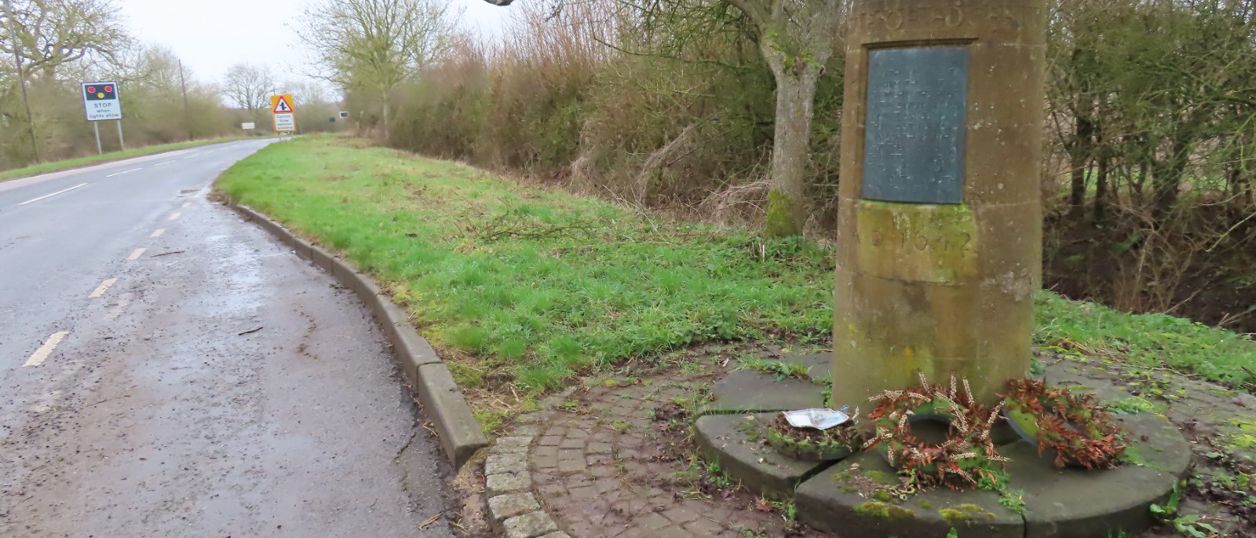
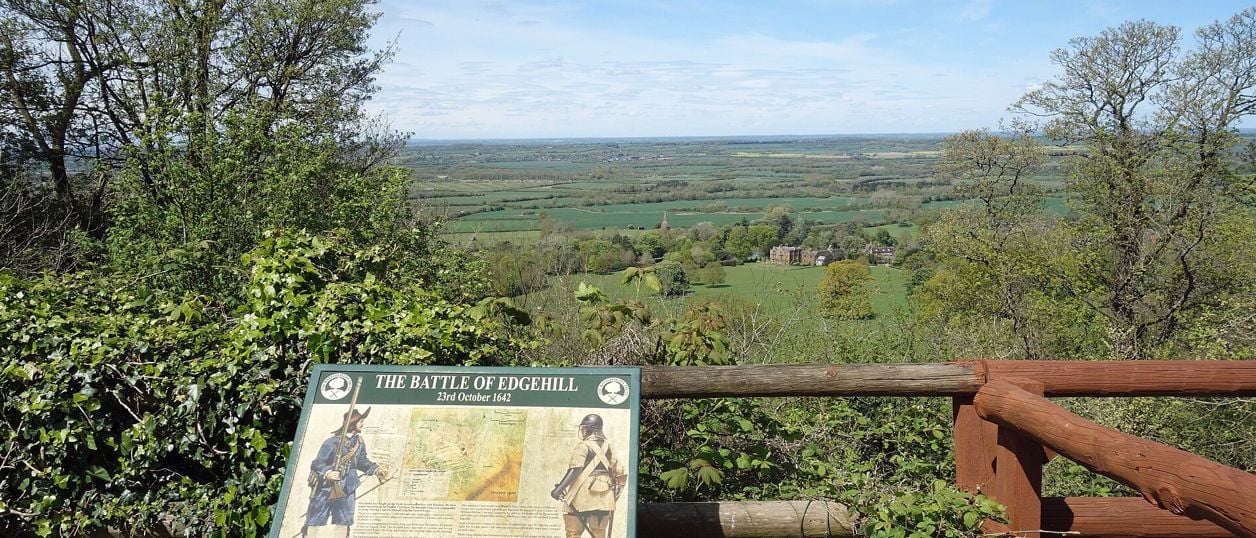
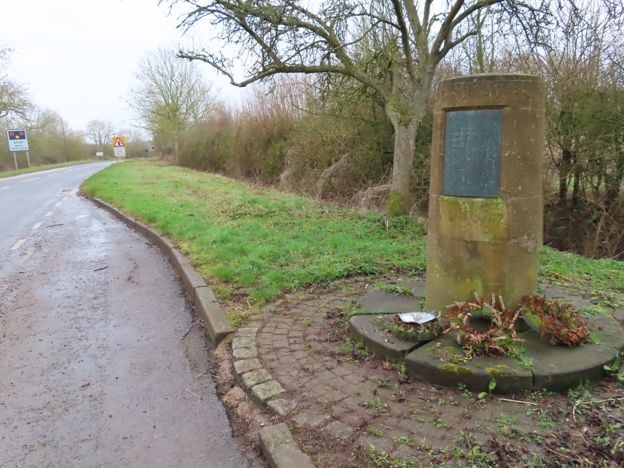
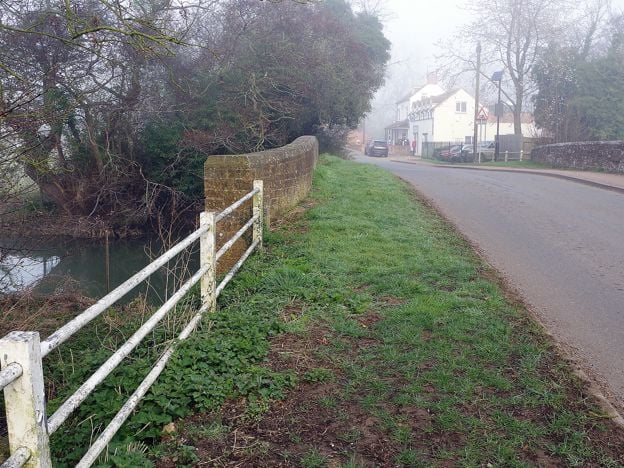
The biggest story here is the Civil War. The Civil War in Banburyshire runs from the first great battle at Edgehill in 1642, through a Royalist win at Cropredy Bridge in 1644, to two sieges of Banbury Castle, which Parliament ordered demolished in 1648. You can stand at the Edgehill memorial and on Cropredy Bridge, but Banbury Castle itself has gone. The day by car links them.
The town's own stories
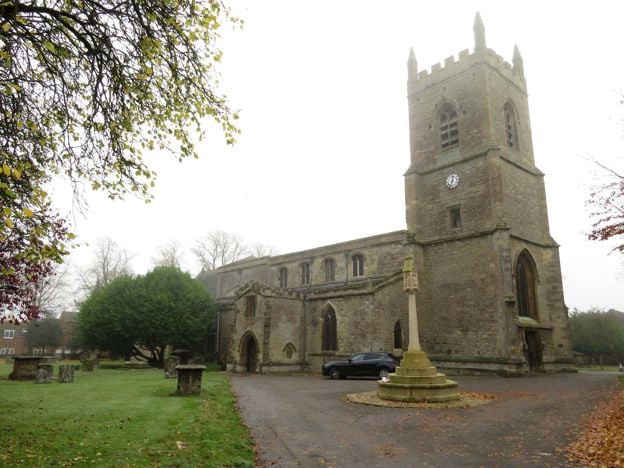
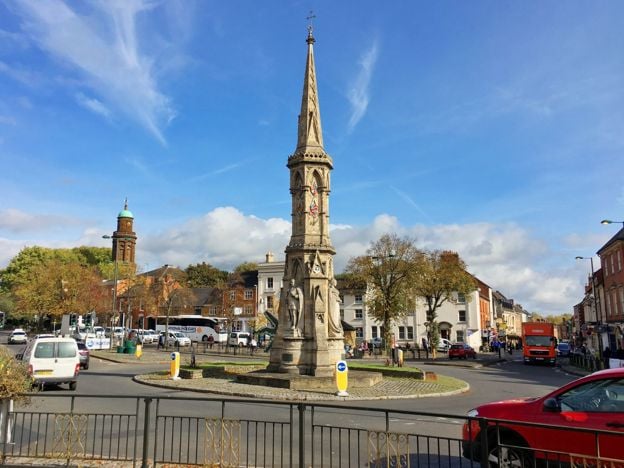
The Fine Lady and her cross is the one to read before you see the Cross. The cross of the rhyme is gone: Banbury's own aldermen had the High Cross pulled down in 1600, and today's dates from 1859 and may not stand where the old one did. Nobody has shown who the fine lady was.
The Banbury cake takes two pieces. The original Banbury cake goes back to a first printed recipe of 1615, which was a yeasted dough, and gives a recipe worked from it. How it disappeared follows it from air-tight tins bound for India to the closing of the Original Cake Shop in 1967, and on to today, when we could find no one in Banbury still making them.
The Michaelmas Fair carries on a long line of fairs. Records show a Whitsun fair from 1154 and a hiring fair called the Mop by 1677, and it still fills the streets each October.
Industry, stone and engines
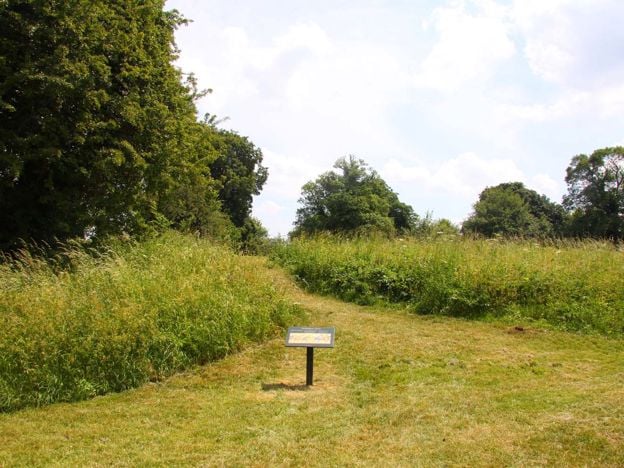
National Filling Factory No 9 filled shells east of the town from 1916 and employed about 2,000 people at its height. The M40 now cuts through it, and its earthworks are a scheduled monument in grazing land with no public access we could find, so you will read about it and not visit.
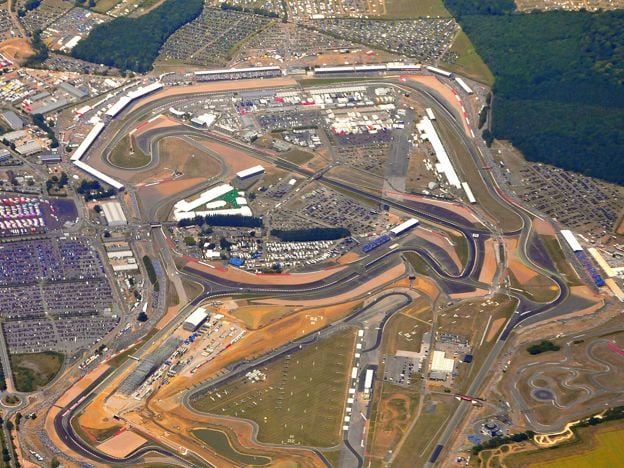
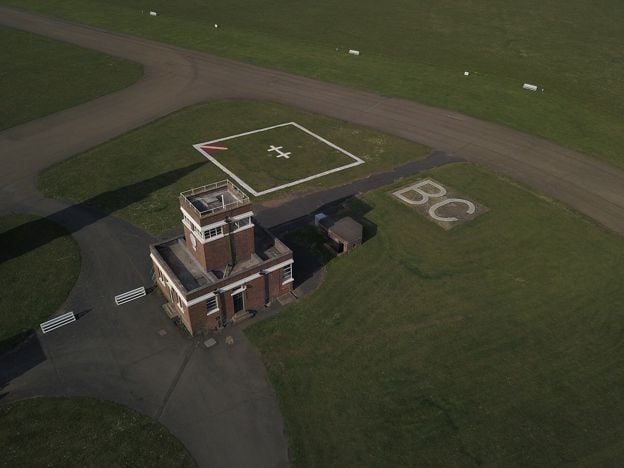
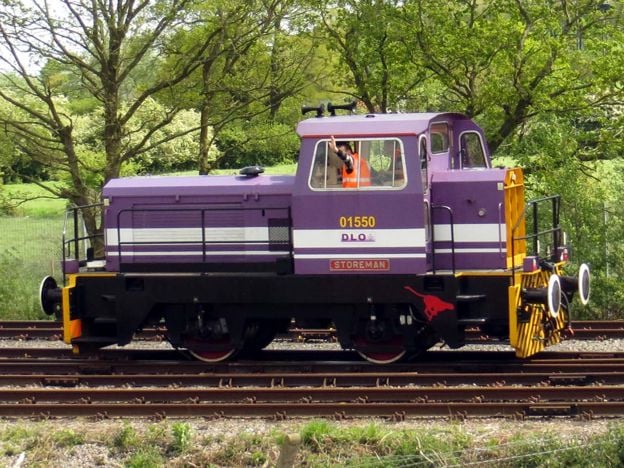
Hornton stone explains why everything here is brown: a thin band of Jurassic rock, carved by Henry Moore and eaten by steelworks until 1967. Motorsport Valley tells how a wartime airfield and some restless engineers put Formula One around Silverstone and Banbury.
The American connection
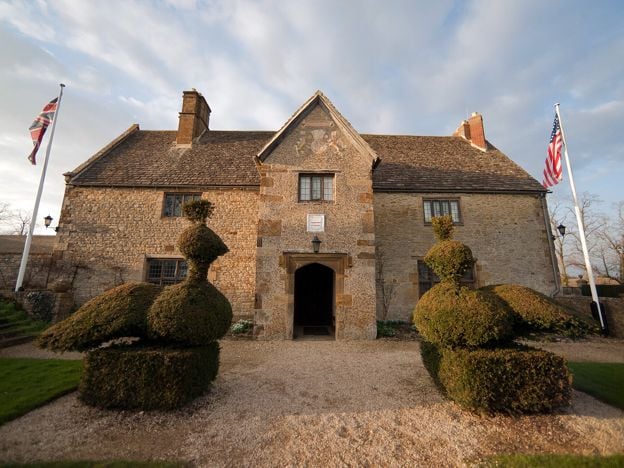
Sulgrave Manor and the Washingtons is careful about a place that attracts tall tales. George Washington's ancestor built the house, but George never lived there, and the claim about its arms and the American flag is a legend. See the house itself in season.
What is missing
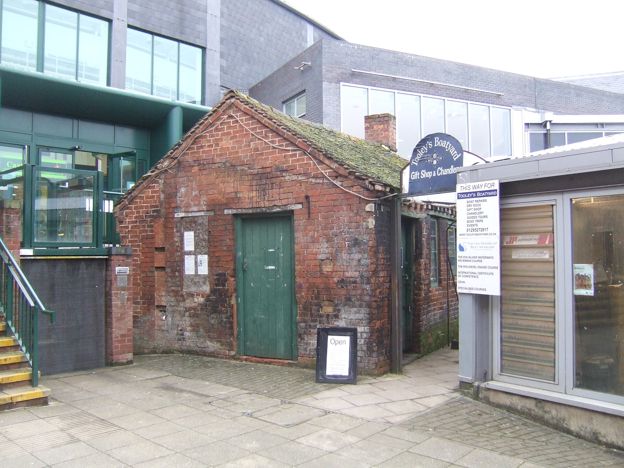
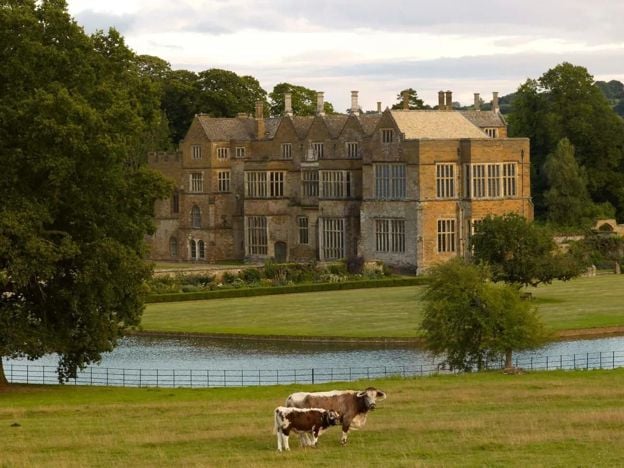
We have not yet written the canal's story as a piece of its own, or the plush cloth trade, though the museum covers both and Tooley's still works its forge. Broughton Castle's plotting is told on its listing, which is the one place to read about a room that may never have been secret.