Michael Garlick, CC BY-SA 2.0, via Wikimedia Commons
Aynho
An estate village of stone houses with apricot trees on their walls, a mile above the Oxford Canal and the old wharf. No pub in the village itself just now, so plan to eat in Deddington or Kings Sutton.
- Nearest station
- Kings Sutton, about 2.5 miles in a straight line, or Banbury, about 6 miles. Then a taxi or the parish walk
- Parking
- No public car park in the listings we checked. Park on the street with care
- Best time
- Summer, to see the apricot trees in fruit; any dry day for the towpath
- Toilets
- None in the village listings. CanalPlan lists Elsan disposal at Aynho Wharf for boaters, which is not a public toilet
About Aynho
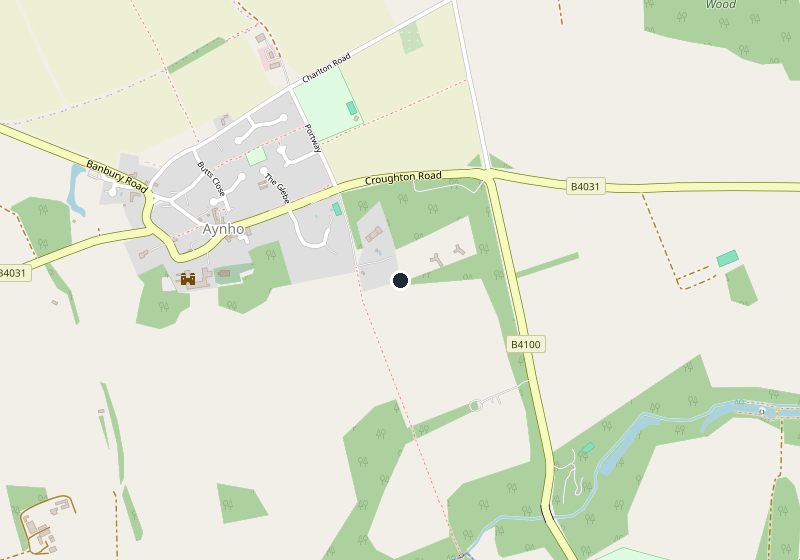
Aynho stands on a hill above the Cherwell valley, about 6 miles south-east of Banbury, and it comes in two parts a mile apart. Up the hill is the old estate village of 648 people (2021 census), stone houses with apricot trees growing outside them. Down on the Deddington road is Aynho Wharf on the Oxford Canal. Allow half an hour for the first and as long as you like for the second.
Aynho Wharf and the Oxford Canal
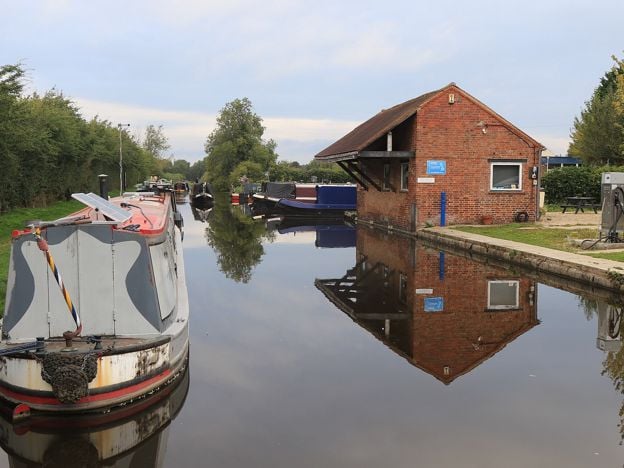
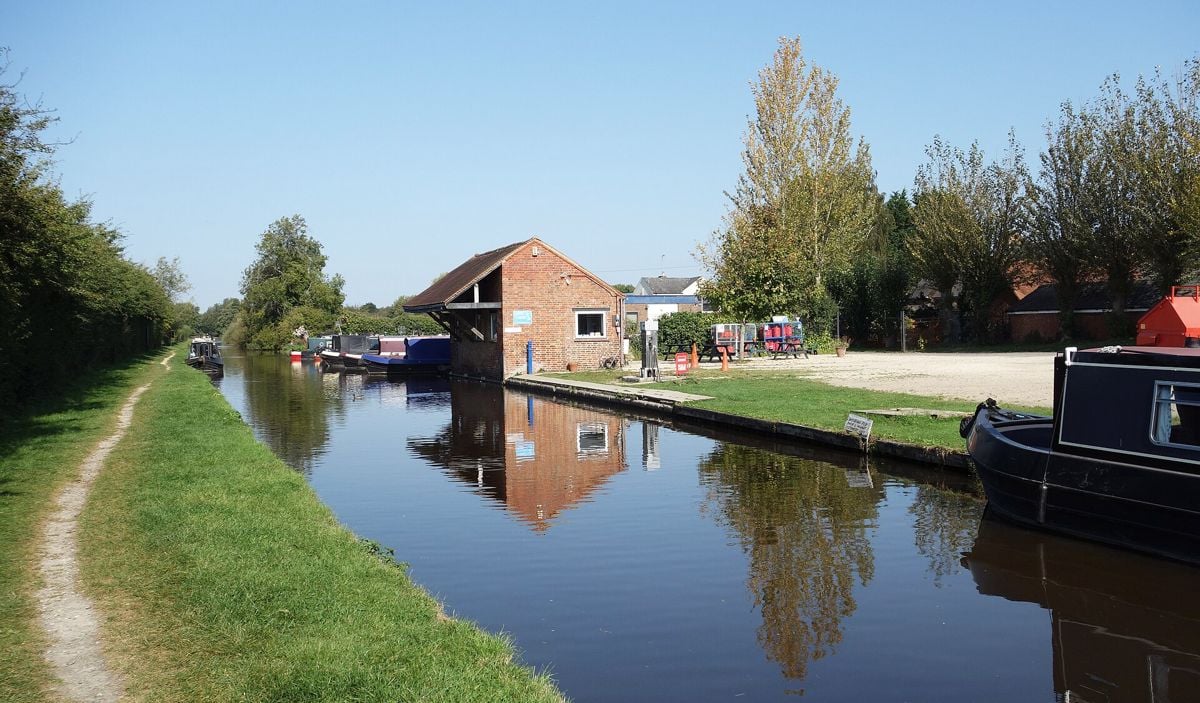
Aynho Wharf lies about a mile west of the village, on the Oxford Canal by Bridge 190, on the road to Deddington. It was open and landing coal by 1787, and it is now a working boatyard with a small shop, so it is the natural place to stop by road or by water.
The Northamptonshire historic environment record says the wharf brought in coal, stone and salt, and shipped out hay, straw and corn. One much-altered warehouse survives, with its roof overhanging the canal, and the wharf sits inside the Oxford Canal conservation area. The Canal & River Trust's mooring listing says water, pump-out, diesel, bottled gas and refuse disposal may be available by arrangement with the wharf, along with boat repairs, and that the small shop stocks provisions and chandlery. We found no current opening hours, so ring ahead if you are relying on any of it.
North of the wharf, the towpath passes Belchers Lift Bridge (No 189) in under half a mile and reaches Aynho Weir Lock (No 33) in about a mile. The lock is unusual: octagonal, with a fall of about 30cm, directly below the point where the River Cherwell crosses the canal on the level. The Canal & River Trust (opens in a new tab) posts closures and notices online.
What to see in Aynho village
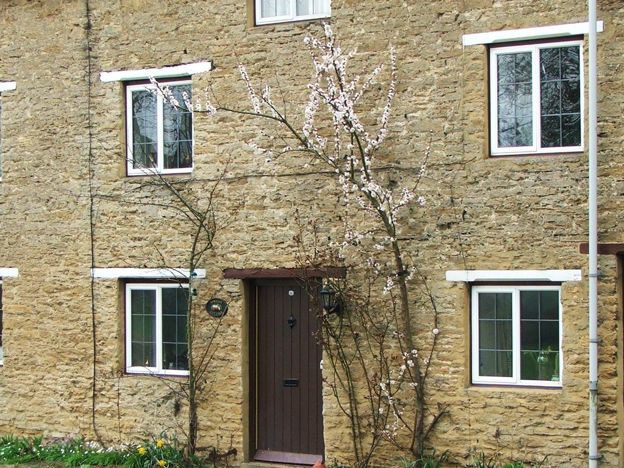
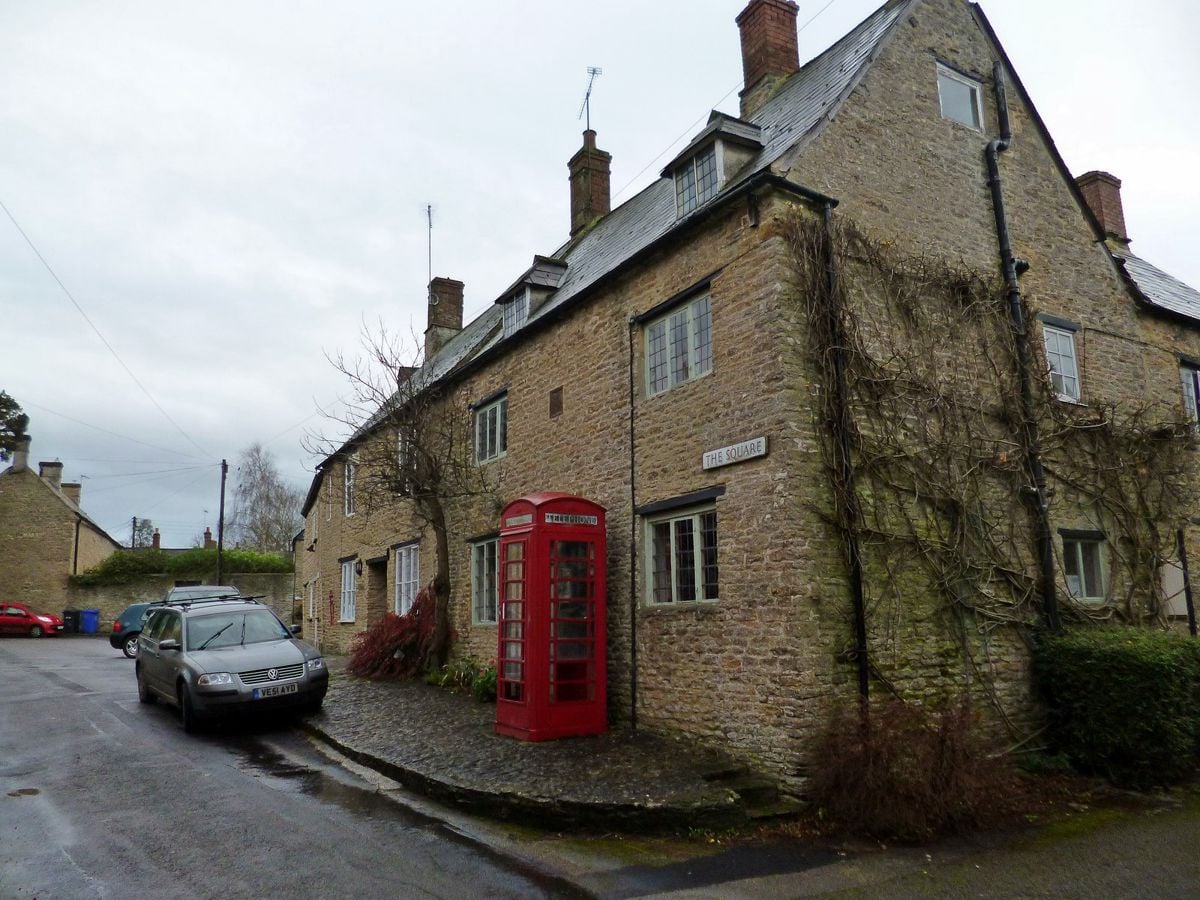
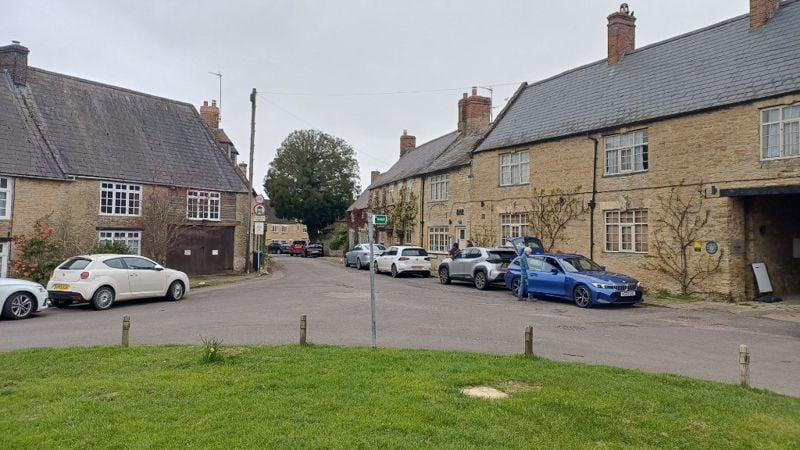
The village itself is the sight. Its layout has changed little since the seventeenth century, says the village's own history, and many houses date from then to the early eighteenth. Walk The Square and the lanes around it, look for the apricot trees, then see the church. Allow about half an hour.
The village website says the apricots may have been a planting scheme by Thomas Cartwright, a keen horticulturist, in the late nineteenth century, and that some houses still pick them. You may also hear that villagers once paid part of their rent in fruit. We have found that only as a legend in an estate agent's brochure, with no record behind it.
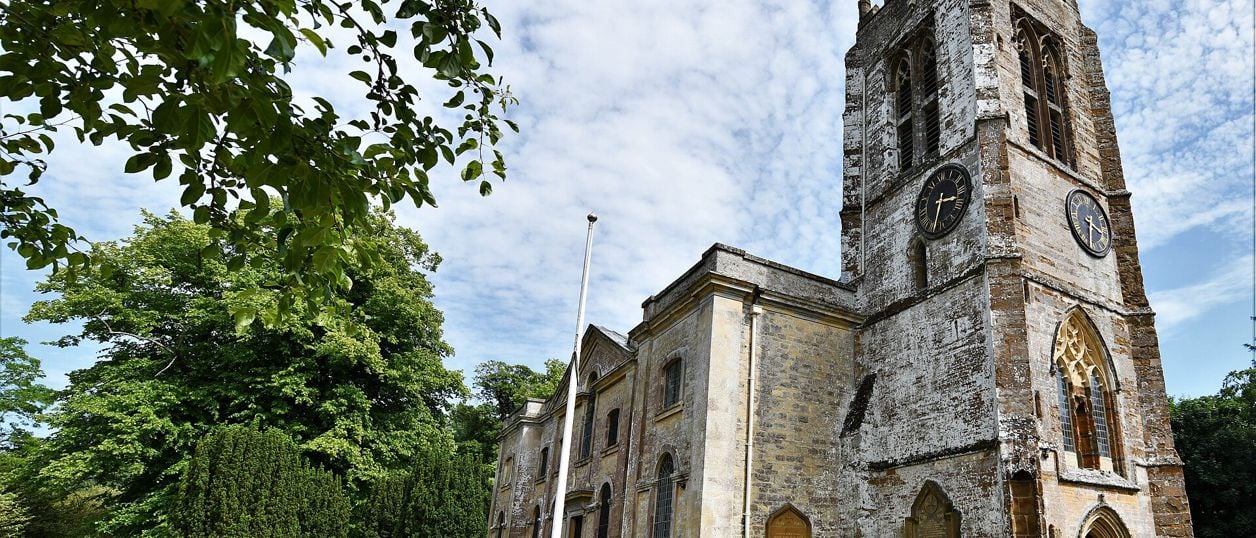
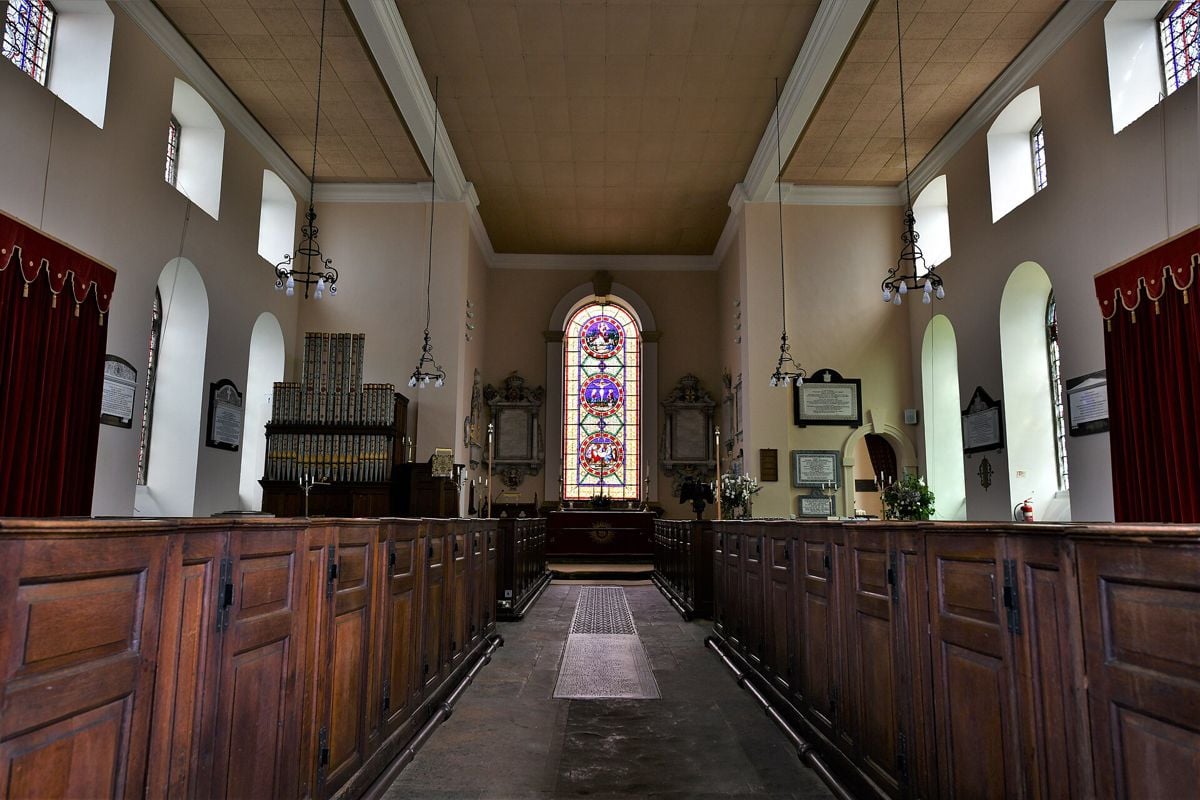
St Michael's looks like two buildings because it is. The medieval tower survives, and the rest was rebuilt in classical style from 1723 to 1725 to a design by the local craftsman Edward Wing. The church is listed Grade I, with its Georgian pulpit, box pews and west gallery still inside. We could not confirm opening hours. The almshouses on Bowman's Lea were built in 1822 from the bequest of John Baker, an Oxford glazier.
Aynho Park
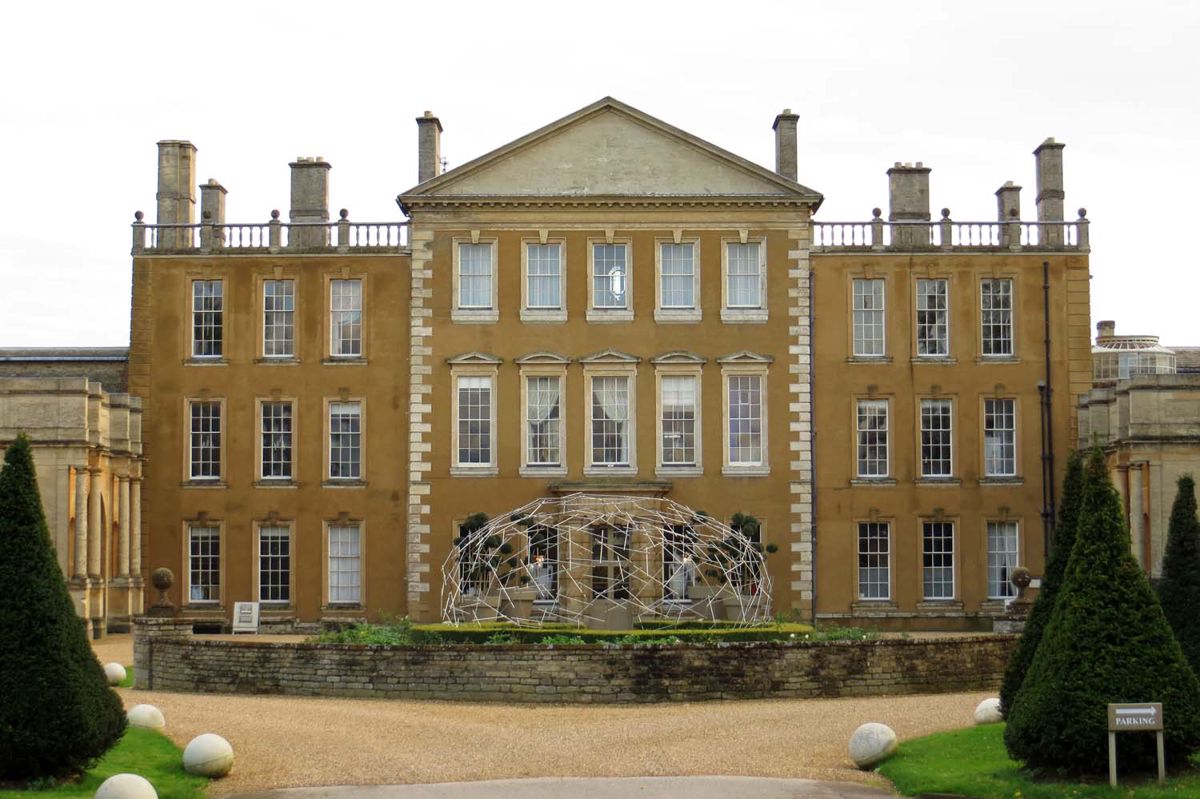
Aynho Park, the Cartwrights' house, is now RH England, a furniture and homewares gallery, and not a historic house open for tours. It has been owned by RH, the American brand, since 2020, and it opened to the public as a gallery with restaurants in June 2023.
The house is listed Grade I, remodelled from 1707, probably by Thomas Archer, and by Sir John Soane from 1800 to 1805, says the list entry. RH's own pages list the gallery as open daily, from 11am to 6pm Monday to Saturday, but they differ on Sunday hours and on the hours of the Orangery restaurant. Valet parking is offered. Ring 01295 585700 before planning a meal around it.
A morning in Aynho
Start at the top, with a slow walk round The Square and the church. Then drive or walk the mile down to the wharf, walk the towpath north to the lift bridge or the weir lock and back, and go on to lunch in Deddington or Kings Sutton. With no car, come by train and use the parish walk below.
Walks from Aynho
Kings Sutton parish publishes the only official route we found: Walton Grounds and Aynho (opens in a new tab), 4.8 miles (7.7km) in about two hours from Kings Sutton, which has the station. It crosses fields with stiles, enters Aynho by the Charlton Road and Butts Close, and returns by Walton Grounds. The parish warns of mud. Take OS Explorer 191.
Food and drink in Aynho
The village has no pub or shop at present, and we do not name a place to eat at the wharf, so plan lunch elsewhere.
The Cartwright Hotel, which older guides still list, closed for good in May 2024, the hotel said. The building has been on the market, and in 2026 the village has been considering a community bid. People in the village run a pop-up pub in the village hall, usually on the last Friday of the month in 2026 (6pm on 27 November), mainly for those who live here. The nearest pubs we cover are in Deddington and Kings Sutton.
The Banburyshire newsletter
Events, new places and the best of the season, about once a month. Unsubscribe at any time.
When to come to Aynho
Come in summer for the apricots, and on any fine day for the towpath. The Cherwell and the canal share a stretch north of the wharf, so look at the Trust's notices after heavy rain before planning a boat trip. Dry weather matters too: after the drought of 2026 the Trust asked boaters to make only essential journeys between Little Bourton Lock 27 and Aynho Weir Lock 33 (its notice of 3 November 2026). Nothing we found suggests crowds, so there is no time of day to avoid.
Last verified 11 November 2026 by our editors
Things to do in Aynho
Historic houses and heritage · Banbury
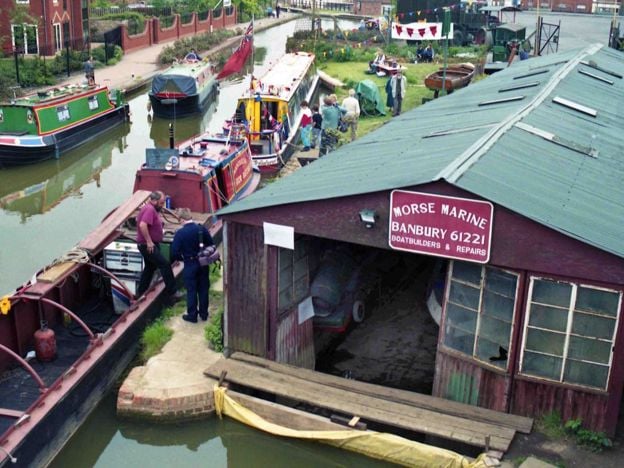
Tooley's Historic Boatyard
A working dry dock and forge on the Oxford Canal in Banbury, in use since 1778 and now hemmed in by Castle Quay. Small museum in the chandlery, Saturday boat trips in summer, and blacksmith courses. A scheduled monument and the start of Tom Rolt's Narrow Boat.
-
Banbury Museum and Gallery
Museums and galleries · Banbury
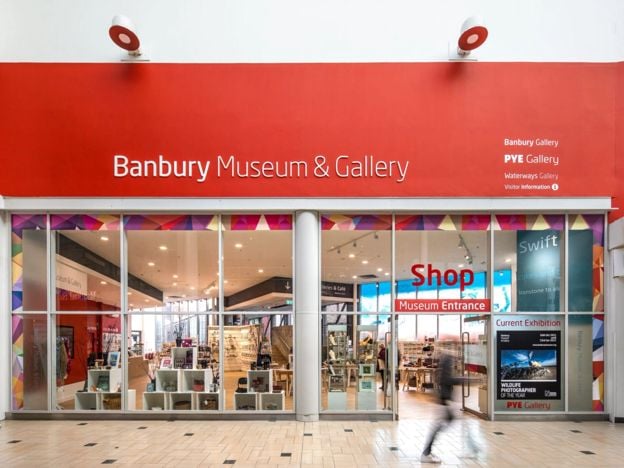
Banbury's free town museum, on the Oxford Canal with an entrance in Castle Quay: Bronze Age finds, a cannon from Banbury Castle, plush cloth and a canal gallery, with paid touring exhibitions and a canalside café.
Family-friendly · Rainy days · Car-free
Verified Nov 2026
Where to stay in Aynho
-
The Great Western Arms, Aynho
Pubs · Aynho
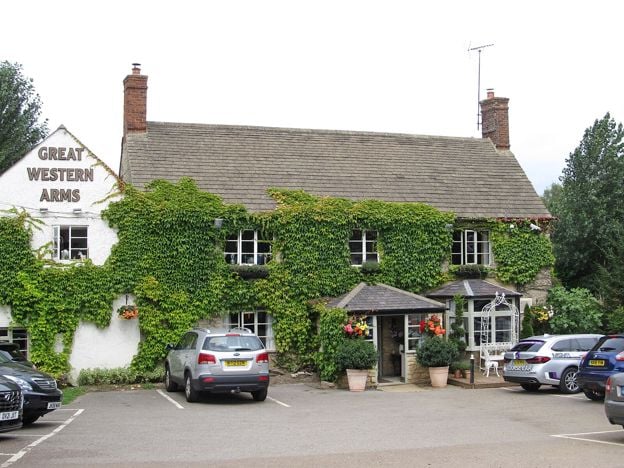
A Hook Norton pub with four rooms between the Oxford Canal and the old Aynho station, about 15.5 miles by road from Silverstone. It sells itself as a base for the circuit, Bicester Village and Blenheim Palace. A small place, so rooms for a race weekend will not last.
Verified Nov 2026
-
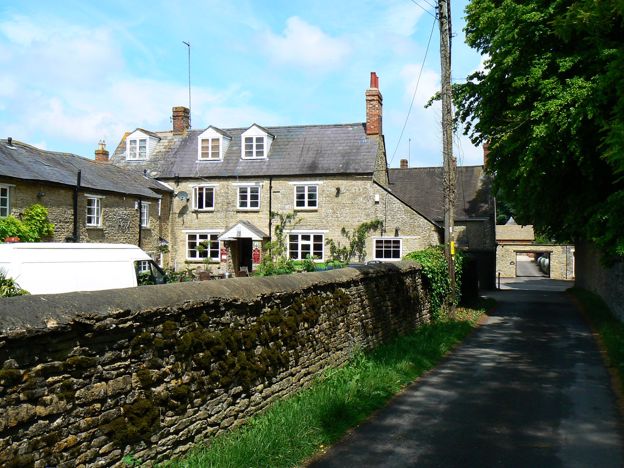
The Fox Inn, Souldern
Pubs · Souldern
A village pub on Fox Lane in Souldern, licensed since 1784, with Timothy Taylor's Boltmaker and guest ales, home-cooked food from Wednesday to Sunday, dogs welcome in the bar and four en-suite rooms near junction 10 of the M40.
Dog-friendly · Walker-friendly
Verified Nov 2026
-
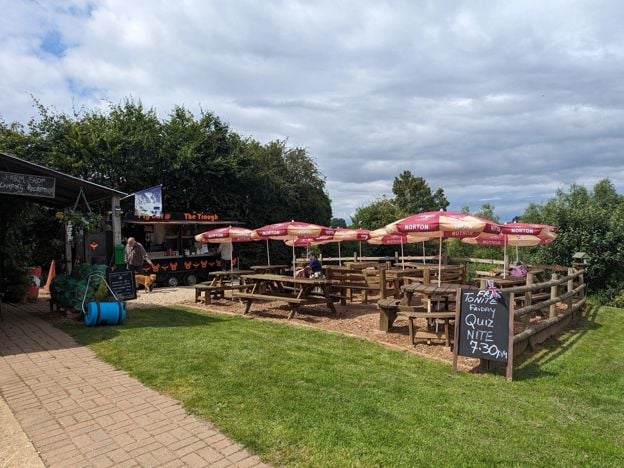
The Pig Place, Adderbury
Camping · Adderbury
A rustic, adults-only campsite beside Nell Bridge Lock on the Oxford Canal near Adderbury, with dogs free, off-lead space, pitches from £12, and a café, bar and music in summer. No showers.
Dog-friendly · Walker-friendly
Verified Nov 2026
Where to eat and drink in Aynho
-
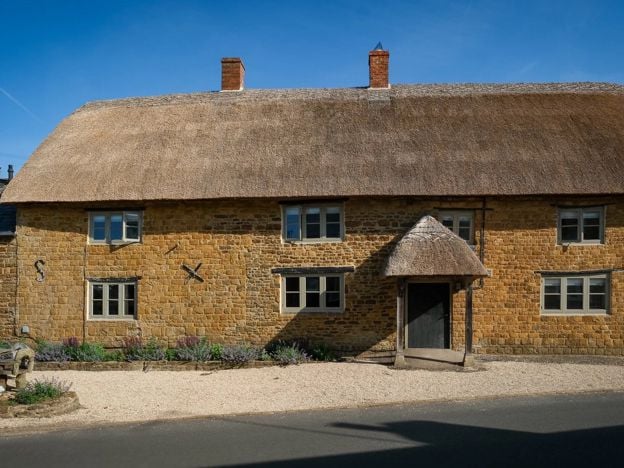
The Duke of Cumberland's Head, Clifton
Restaurants
A thatched, marlstone village pub at Clifton near Deddington, reopened under a new owner with a head chef from The Five Fields and Core, a menu that changes daily and three rooms.
Verified Nov 2026
-
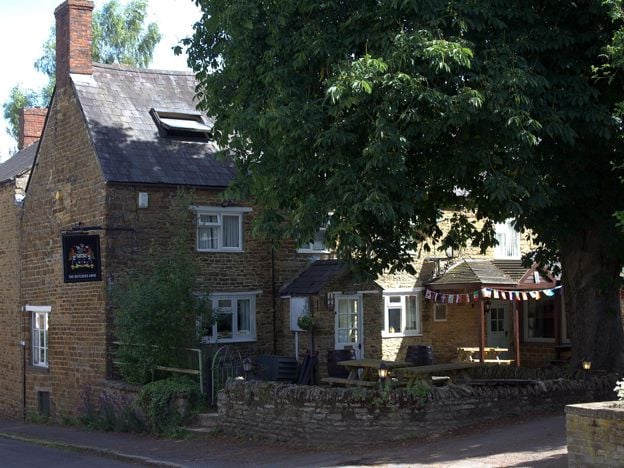
The Butchers Arms, Kings Sutton
Pubs · Kings Sutton
A village pub on Whittall Street in Kings Sutton, open every day from noon to 10pm, with a large garden, parking and main, Sunday, lunch and buffet menus all updated in autumn 2026. A plain local, handy for the spire and the station.
Verified Nov 2026
-
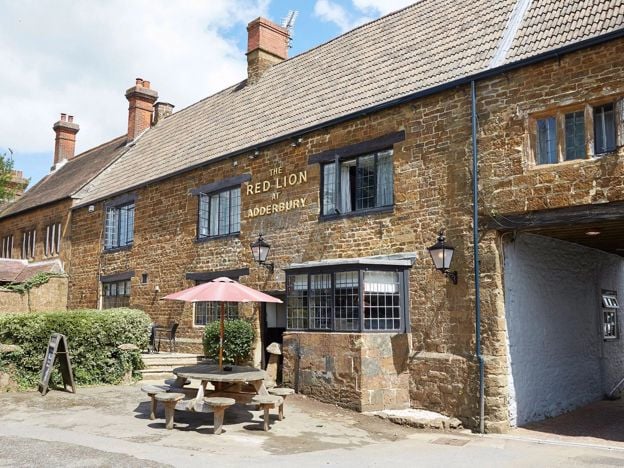
The Red Lion, Adderbury
Pubs · Adderbury
A Grade II listed Greene King pub and inn on The Green at Adderbury, serving food from breakfast to 9pm every day, with a car park, a beer garden and rooms.
Dog-friendly · Family-friendly
Verified Nov 2026
Walks in and around Aynho
-
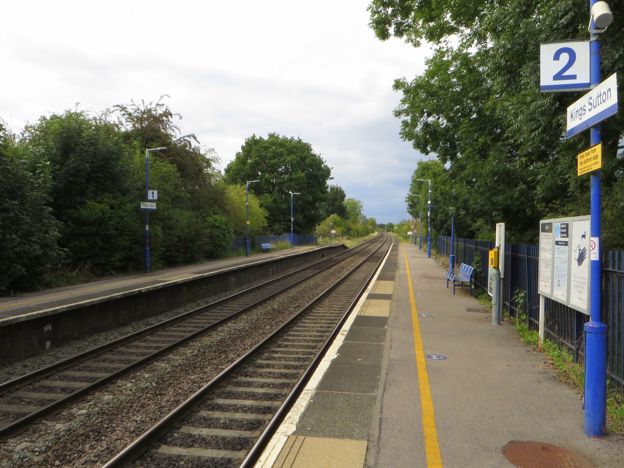
Kings Sutton Railway Walk from the Station
Walk · Starts in Kings Sutton · 2 hrs · Circular
A 4.4-mile (7.1km) circular walk from Kings Sutton station on the parish's own Railway route, easy to moderate and about two hours. It climbs through the village past the spire, crosses fields north, and returns over the railway line on foot by the old Bog Spring.
-
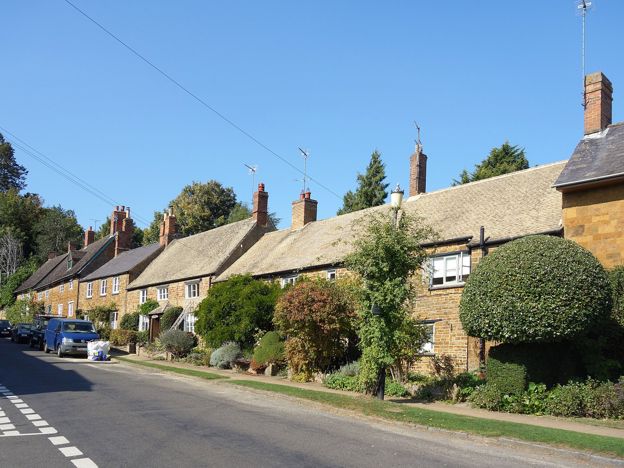
Adderbury and Bloxham Grove
Walk · Starts in Adderbury · 1 hr, 30 mins · Circular
A 3.1-mile (5.1km) circular walk from the Methodist church in East Adderbury, about an hour and a half of easy walking with stiles. Field paths lead to Bloxham Grove and its small windmill, down to Lower Grove Mill on the Sor Brook, and back to The Green.
-
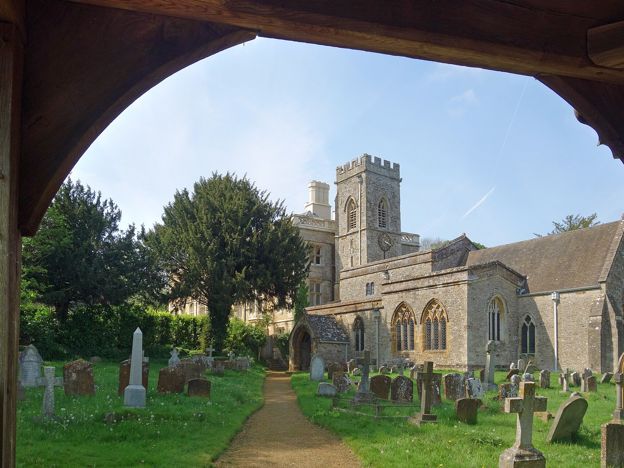
North Aston, the Causeway and Somerton Mill
Walk · Starts in Steeple Aston · 3 hrs · Circular
A 5.2-mile (8.4km) moderate circular walk from North Aston Green, about three hours. It crosses the Cherwell meadows on an old causeway by Somerton Mill, follows the Oxford Canal north and climbs home past Bestmoor and North Aston church. It floods after rain.
Sights in and around Aynho
-
Aynho Wharf
Sight · Historic building · Aynho
A canal wharf of 1788 on the Oxford Canal below Aynho, with a warehouse whose roof hangs over the water and a listed stone bridge, and a walk north to the odd diamond-shaped Weir Lock where the Cherwell crosses the canal.
-
Rainsborough Camp
Sight · Hill fort or barrow · Aynho
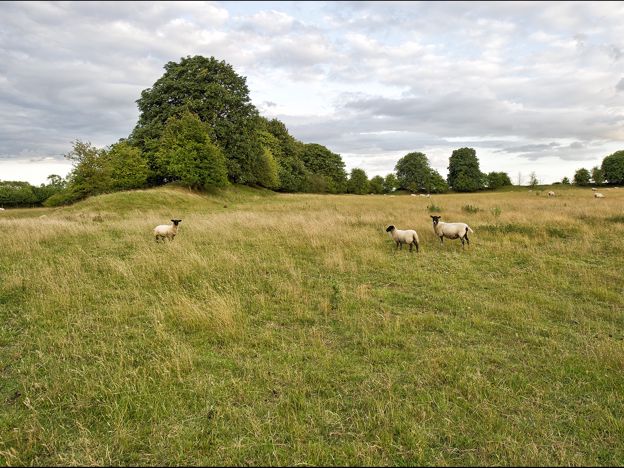
An Iron Age hillfort with double ramparts on the plateau above the Cherwell near Aynho and Charlton, burnt in the fourth century BC and reused by the Romans. Scheduled, under pasture, on private land; a bridleway passes close by.
-
St Peter and St Paul's Church, Kings Sutton
Sight · Church · Kings Sutton
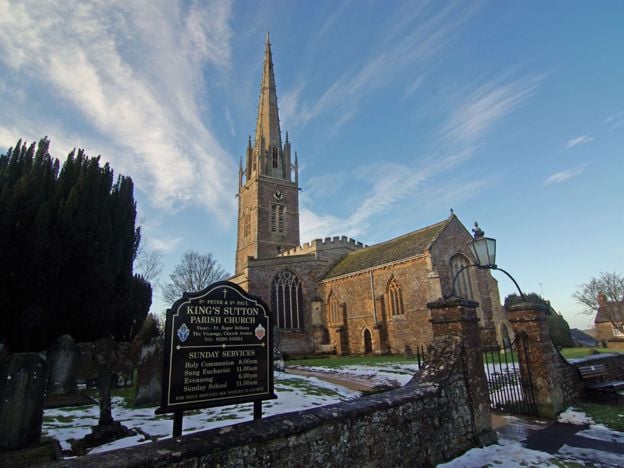
The Grade I church on The Square at Kings Sutton, whose crocketed spire of about 1370, given as about 60m, is the beauty in the old rhyme. Norman arcading, painted roof bosses and a Resurrection monument inside. Open in daylight.
Stories about Aynho
-
Kings Sutton: the spire, the three-day saint and the lost spa
Story · History · 6 minute read
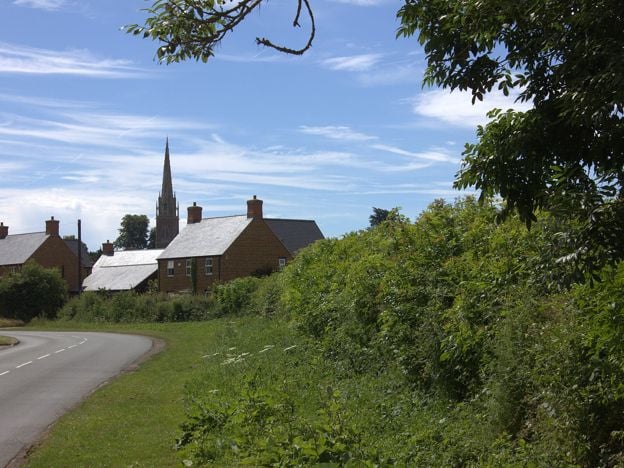
Kings Sutton has a spire of about 60m that Pevsner called the finest in a county of spires, a legend of an infant saint who spoke at birth and died at three days old, and the ruins of a spa the gentry rode to in the seventeenth century. What is record, and what is tradition.
-
The Oxford Canal near Banbury
Story · Guides · 9 minute read
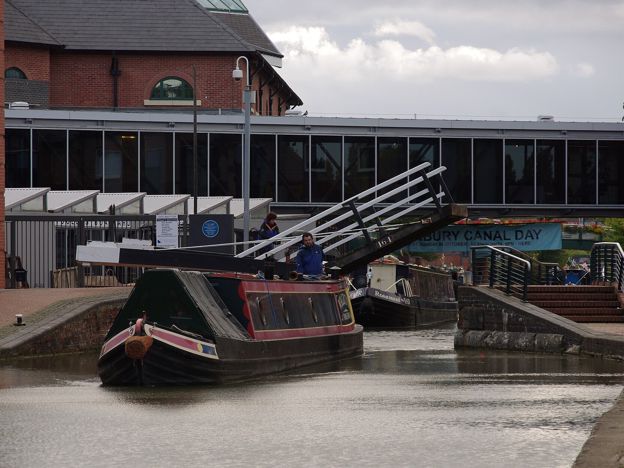
The Oxford Canal near Banbury: Tooley's Boatyard and the free museum in town, the towpath north to Cropredy, Aynho Wharf and its odd lock to the south, boat trips and day boats, canalside pubs, and what low water has done to the summers.
Getting to Aynho
- By train
- No station at Aynho. Kings Sutton is the nearest: its parish's 4.8-mile circular walk passes through Aynho. Otherwise take a taxi. Banbury, about 6 miles away, has more trains and taxis.
- By bus
- We found no public bus through Aynho: the parish council reported in 2018 that its last service was ending when the county's subsidy was withdrawn. Check Traveline before you rely on one.
- By car
- About 6 miles south-east of Banbury. The wharf is on Station Road (OX17 3BP), about a mile west of the village on the road to Deddington.
- By boat
- Aynho Wharf is just north of Bridge 190 on the Oxford Canal, with Aynho Weir Lock No 33 about a mile north. Services are by arrangement with the wharf. See the Canal & River Trust's notices.
- Access
- The wharf and towpath have not yet been checked for step-free access, and we have no confirmed surfaces.
Places near Aynho
-
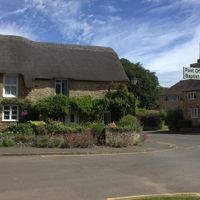 Kings SuttonA large stone village in the Cherwell valley with its own railway station, one stop from Banbury, and one of the finest spires in Northamptonshire. Come by train, walk 10 minutes to The Square, and pick one of six parish walks.
-
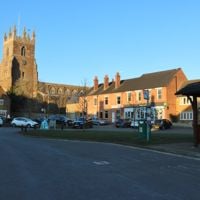 DeddingtonA large ironstone village south of Banbury that was once a borough, with a big market square, a monthly farmers' market, castle earthworks you can walk free of charge and a church whose tower fell in 1634. Parking is free.
-
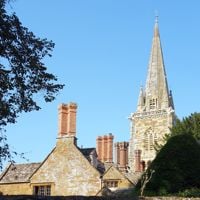 AdderburyA large ironstone village 3 miles south of Banbury, split in two by the Sor Brook. It has a fifteenth-century chancel the county history singles out, morris dances now performed by sides all over the world, a small nature reserve and several pubs.
-
 BanburyNorth Oxfordshire's working market town, on the River Cherwell and the Oxford Canal, about an hour from Marylebone. Come for the Cross, the Thursday and Saturday market, the old inns of Parsons Street, the free museum and Tooley's Boatyard.