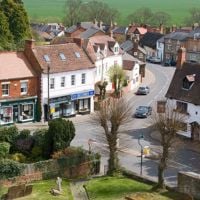
Derek Harper, CC BY-SA 2.0, via Wikimedia Commons
Tysoe
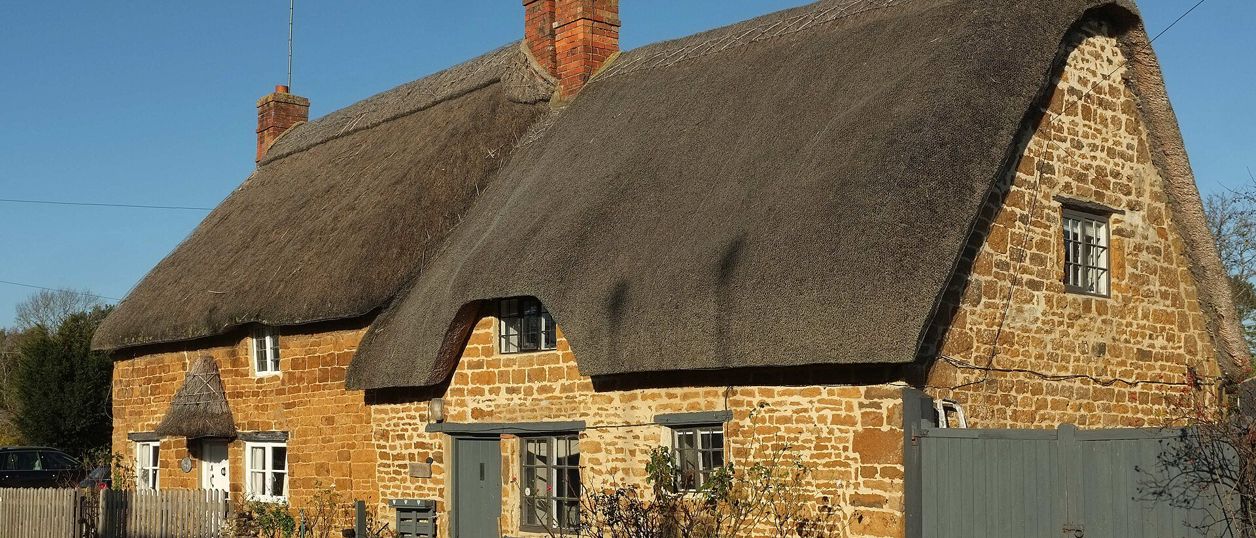
Three hamlets under the western face of Edge Hill, with a Grade I church in Middle Tysoe and an eighteenth-century ironstone windmill on the hill to the south. Come for the church and the footpath up Windmill Hill, with Compton Wynyates in its hollow beyond.
- Nearest station
- Banbury, about 7.5 miles south-east, then the 76 bus to Middle Tysoe, Monday to Saturday
- Parking
- No public car park that we could find. Park with care on the street in Middle Tysoe, clear of gateways and the school
- Best time
- A clear day, for the view from Windmill Hill
- Toilets
- None that we could confirm
- Dogs
- Public footpaths cross farmland on Windmill Hill, so keep dogs on leads near stock. The Windmill Run's 5K walk allows dogs on leads.
About Tysoe
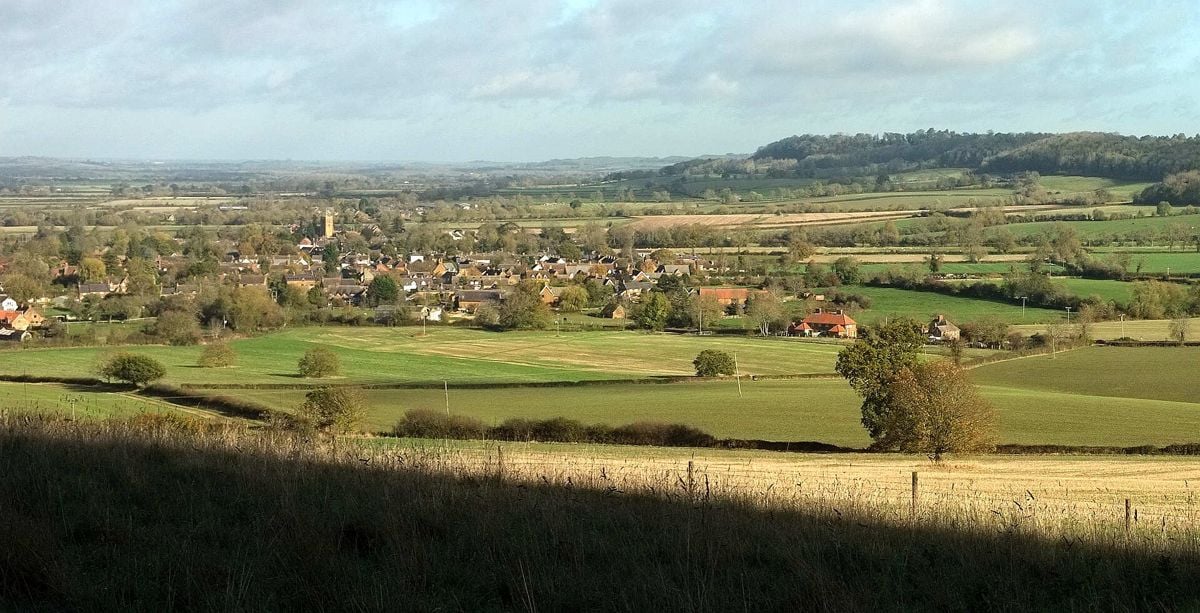
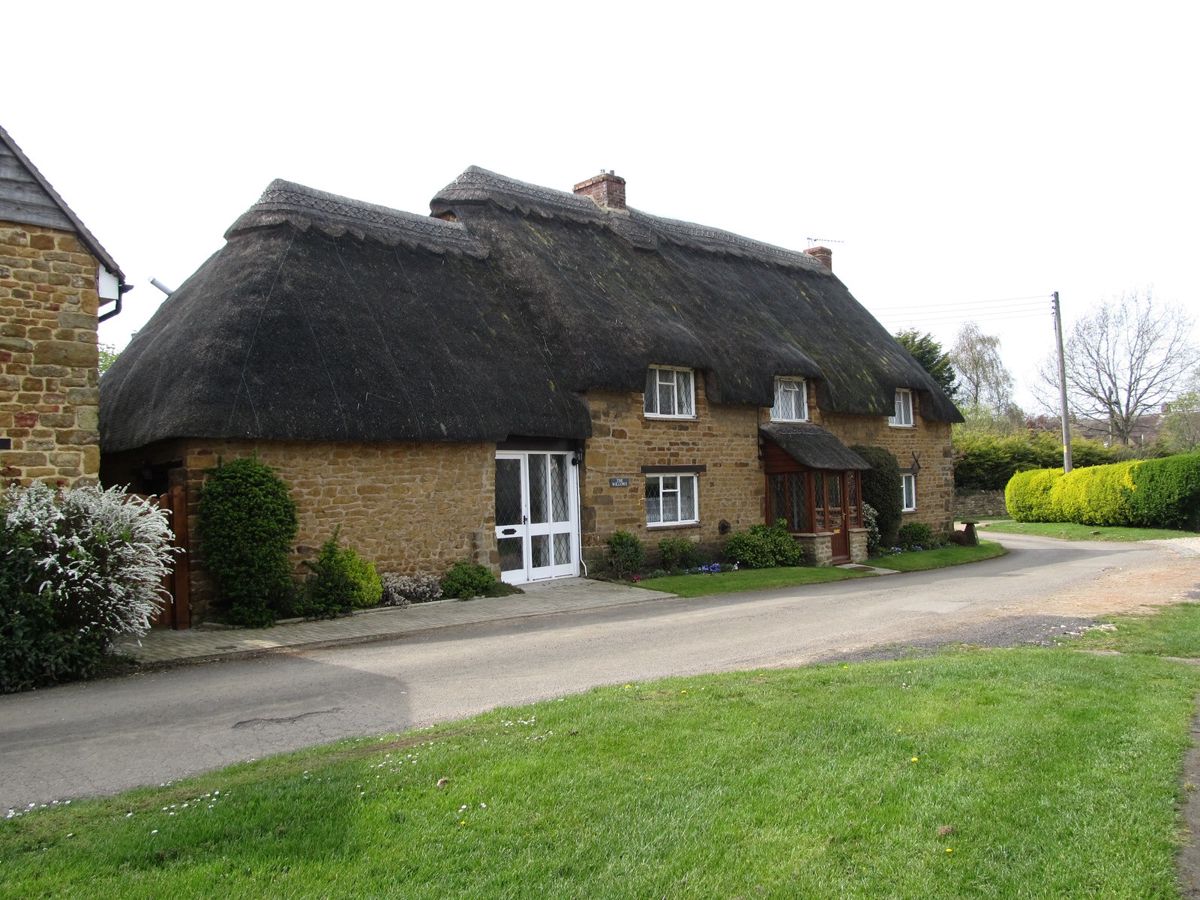
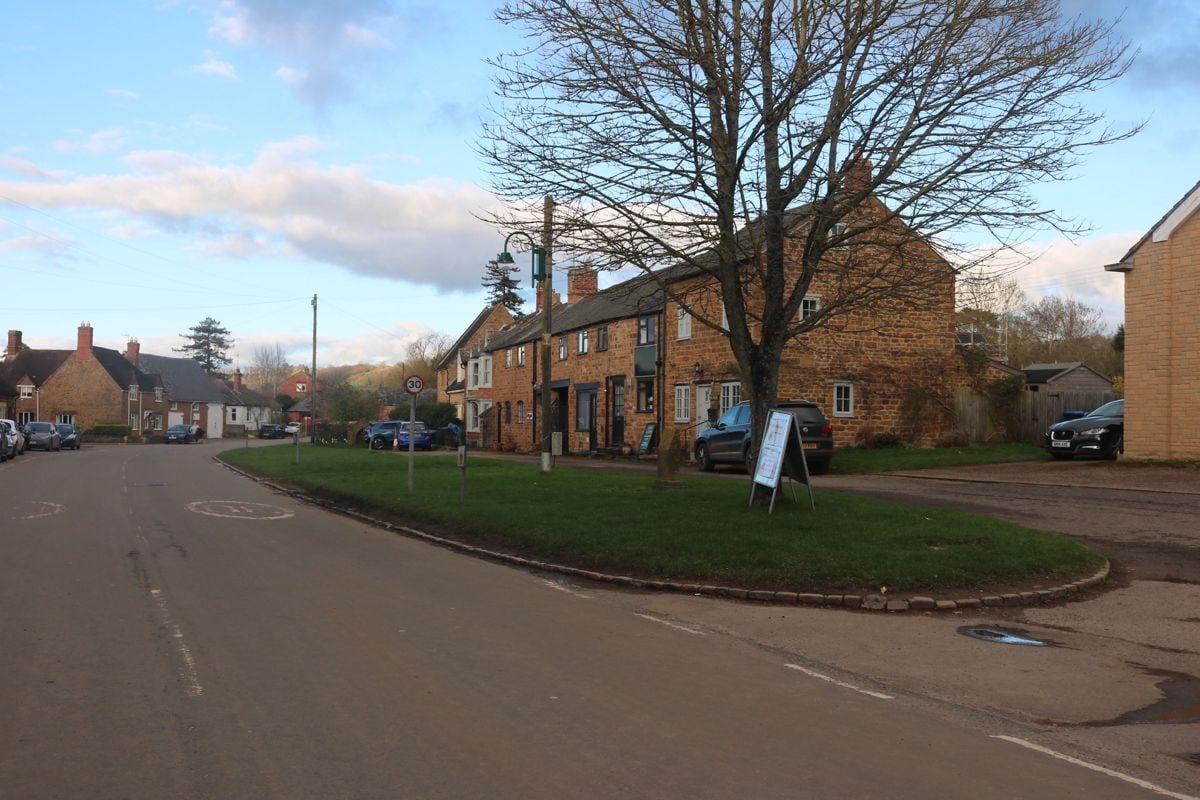
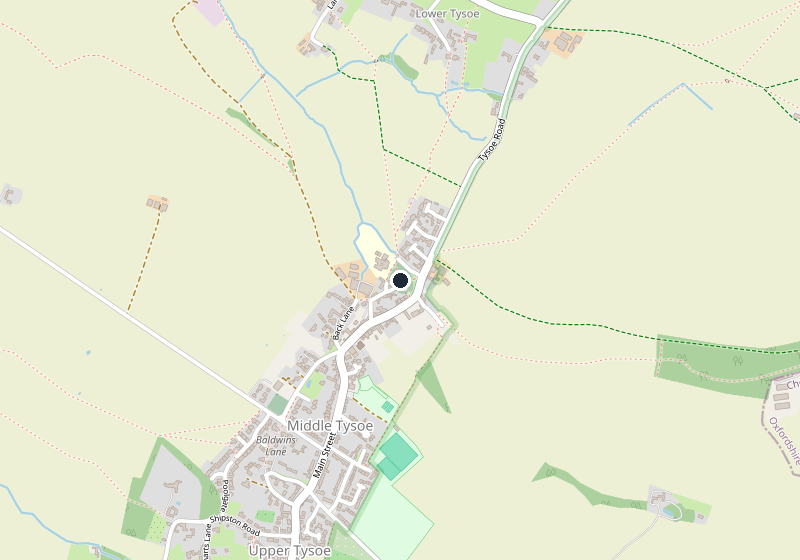
Tysoe is a village in three parts strung along the foot of Edge Hill, about 7.5 miles north-west of Banbury in a straight line. Lower Tysoe is to the north, Middle Tysoe, half a mile south of it, is the main village and holds the church, and Upper Tysoe lies a quarter of a mile further south. Above them, on its own hill to the south, stands an eighteenth-century windmill.
What to see in Tysoe
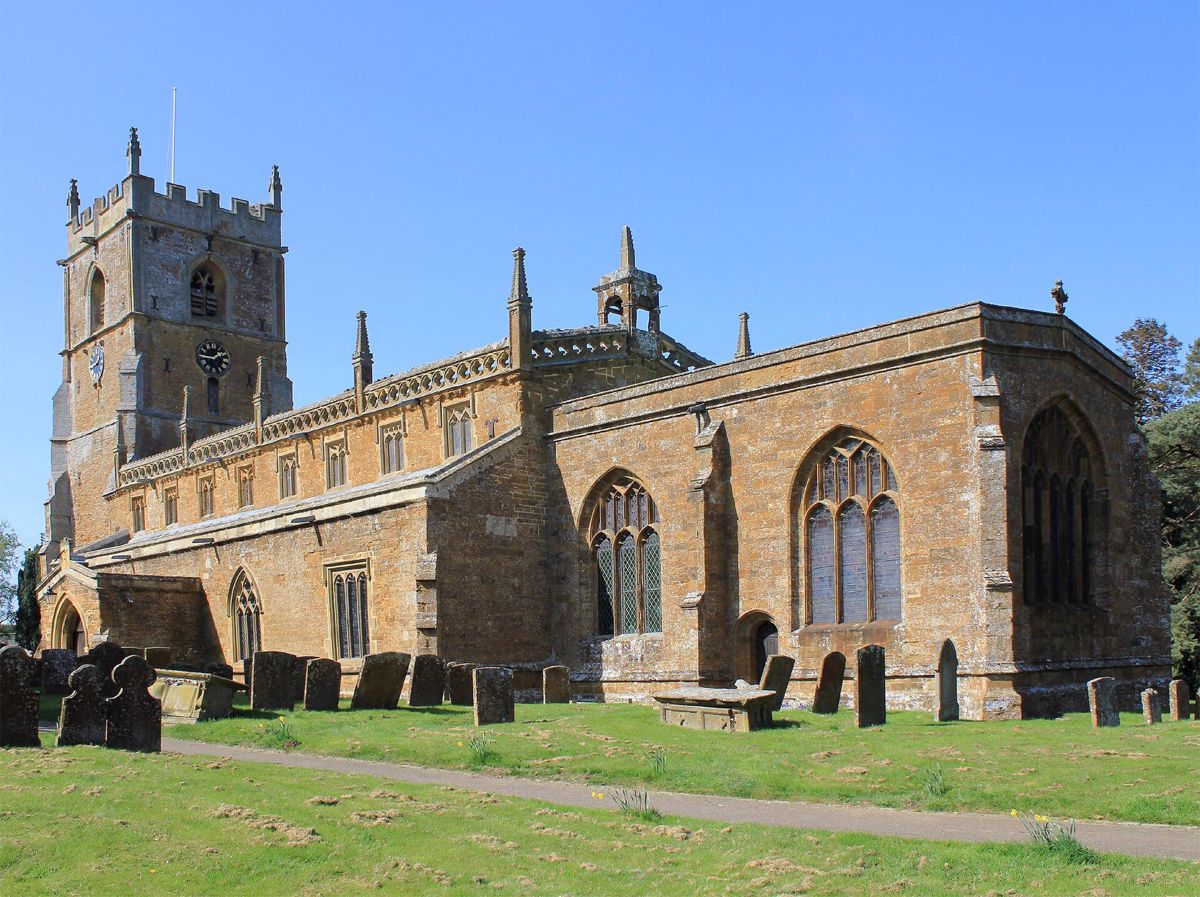
The Church of the Assumption of the Blessed Virgin Mary is the reason to stop, and Historic England lists it Grade I. The Victoria County History reads its growth from a late eleventh or early twelfth-century church, with a twelfth-century south doorway and a tablet carved with the Paschal Lamb above it, a north aisle and clerestory of about 1330 to 1340, and a chancel rebuilt in the late fifteenth century. George Gilbert Scott restored it in 1854.
Inside, look for the fourteenth-century octagonal font, carved with Christ between St Peter and St Paul, the Virgin and Child, Mary Magdalene and St Catherine. There are brasses to Thomas Mastrupe, a chaplain who died in 1463, and to Jane Browne, who died in 1598, and the effigy of William Clarke, who died in 1618, lies in a recess in the chancel. Among the old corbels is a satirical one: a fox-like beast in a chair, with a monk's head and a nun's behind it. Outside, south of the nave, stands a fifteenth-century preaching cross, a scheduled monument. We could not find published opening hours for the church.
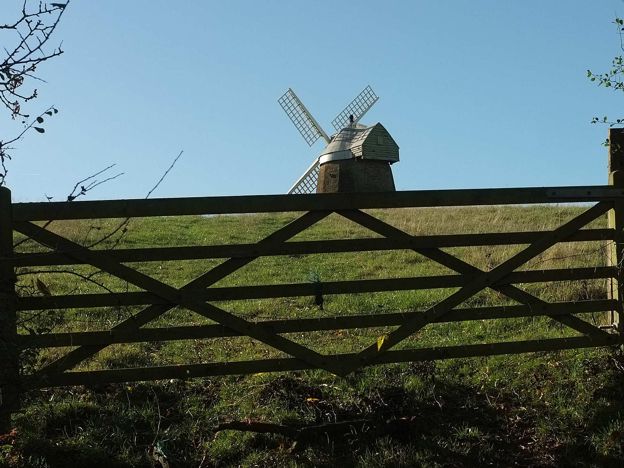
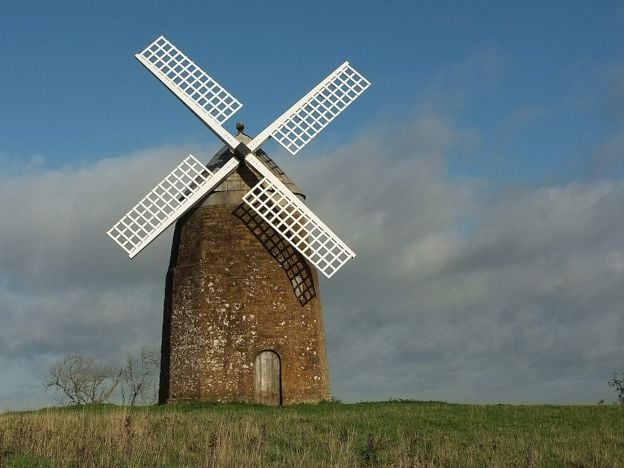
The windmill on Windmill Hill, south of the village, is an eighteenth-century tower of squared ironstone, tapering and many-sided, with wooden sails. It has been listed Grade II since 1952. Our guide to Tysoe windmill has more. We found no published opening for the mill itself, so treat it as a sight from the public footpath that passes close by.
South-west of Tysoe, in a hollow below the hill, lies Compton Wynyates, the Tudor house of the Compton family, listed Grade I. It is a private home, and we found no public opening. Sir William Compton was granted the manor of Tysoe in 1520, and the Comptons, later Marquesses of Northampton, were still its lords when the county history was written.
The plain below Edge Hill is called the Vale of the Red Horse, after a horse cut in the red sandstone of the hill near Sunrising, as the county history describes it. The county history records the duty of scouring it, and a tradition that tied it to the Earl of Warwick and the Battle of Towton in 1461, which it thought too late a date. The story of the Red Horse sorts the record from the tale.
A morning in Tysoe
Start at the church in Middle Tysoe and give it half an hour. Then walk south along the main street into Upper Tysoe and pick up the public footpath that climbs Windmill Hill, which OpenStreetMap shows passing within a few metres of the mill. Come back the same way. In the afternoon, drive up on to the ridge: Upton House is about 2 miles east as the crow flies, and the Castle at Edgehill is about 3.
Walks from Tysoe
Two waymarked trails pass through the village in OpenStreetMap: the Centenary Way, the Warwickshire long-distance path, and the Cotswold Link. We have not yet published a circular walk from Tysoe with a route we can stand behind, so this page offers none. The path up Windmill Hill is the short walk most people take.
Food and drink near Tysoe
Tysoe has a pub, but we could not find 2026 evidence from the pub itself, so we name none here until we have checked it. The nearest checked picks are on the ridge: the Castle at Edgehill, a pub in a sham castle tower, and the Pavilion Café at Upton House, which the National Trust says serves light lunches and snacks.
The Banburyshire newsletter
Events, new places and the best of the season, about once a month. Unsubscribe at any time.
When to come to Tysoe
Any clear day suits, because the view from the hill is the point. The village holds the Tysoe Windmill Run in early June: in 2026 it ran on Saturday 6 June from the sports field, with a 10K largely off road, a 5K up to the summit of Windmill Hill, and a 5K walk. The 2027 date had not been announced when we checked, so look for it on the parish website. Expect the hill paths to be busy that morning.
Last verified 11 November 2026 by our editors
Things to do in Tysoe
Historic houses and heritage
Upton House and Gardens
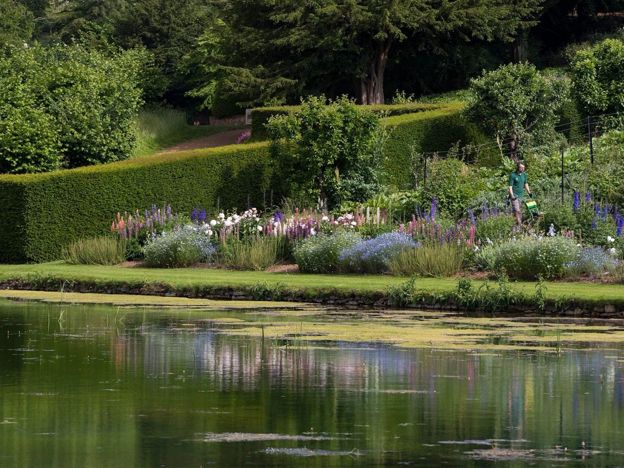
A National Trust house on the Edge Hill ridge, remodelled in the 1920s for the oil magnate Lord Bearsted to show his paintings by Bosch, El Greco, Stubbs and Hogarth, above terraced gardens that drop 30m to a Mirror Pool.
-
The National Herb Centre, Warmington
Parks and gardens
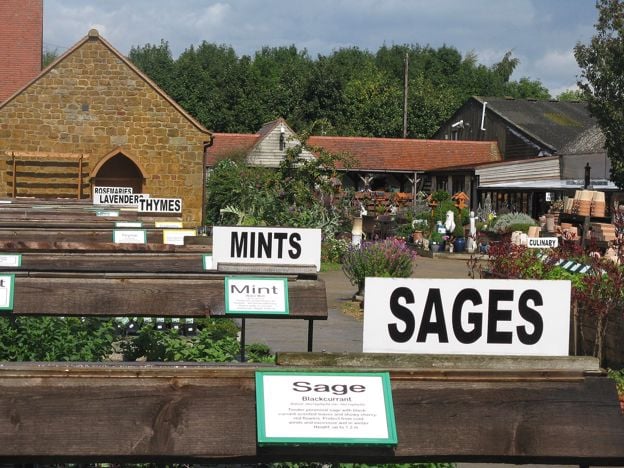
A plant centre at Warmington, near Banbury, growing culinary and medicinal herbs, fruit and native wildflowers, most of them on site in peat-free compost, with a café bistro, a play area and nature trails.
Verified Nov 2026
-
Compton Verney
Museums and galleries
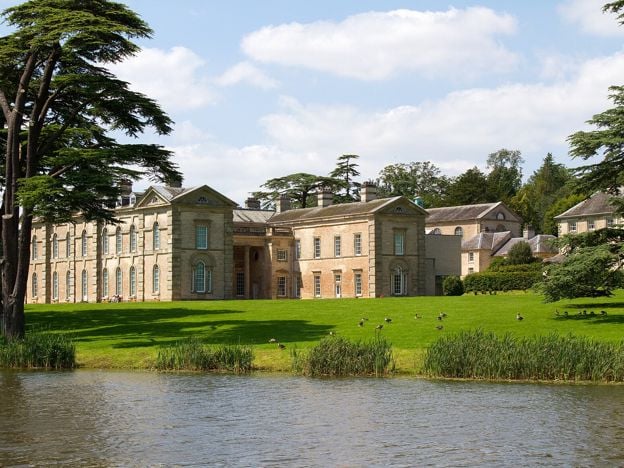
An art gallery in a Robert Adam house in a Capability Brown park, about 25 minutes north west of Banbury, with six permanent collections and changing shows. Open Wednesday to Sunday, all winter too. Adults from £22.50 in 2026, and 18 and under free.
Family-friendly · Dog-friendly · Rainy days
Verified Nov 2026
-
Burton Dassett Hills Country Park
Parks and gardens · Burton Dassett
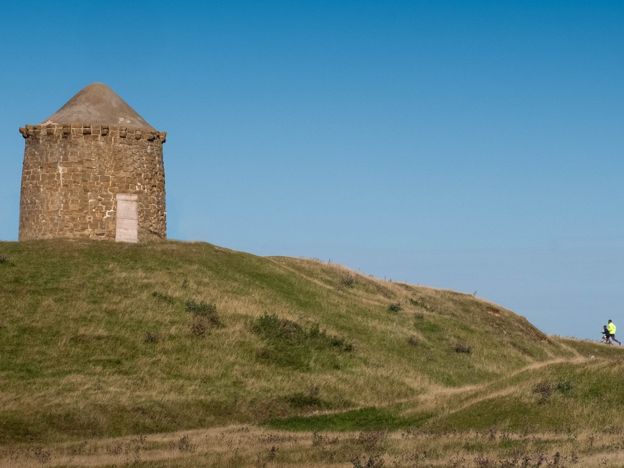
A hundred acres of open hilltop in south Warwickshire with wide views, old quarry workings and a beacon, plus the medieval church of All Saints. A country park since 1971. Car parking £3.50 a day.
Dog-friendly · Family-friendly · Walker-friendly
Verified Nov 2026
Where to eat and drink in Tysoe
-
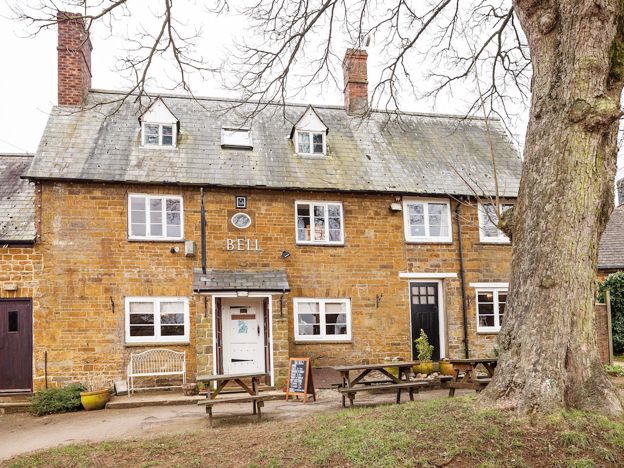
The Bell, Shenington
Pubs
An ironstone country pub on the village green at Shenington, opened in 1700, with a log fire, flagstones, a short chalkboard menu that changes with the seasons, and dogs and muddy boots welcome.
Dog-friendly · Family-friendly · Walker-friendly
Verified Nov 2026
-
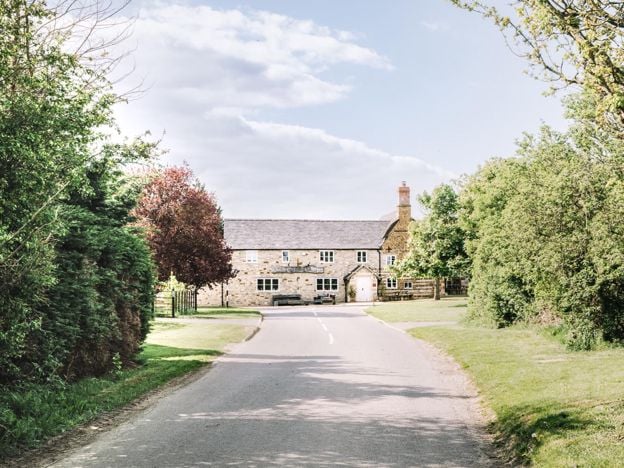
The Royal Oak, Whatcote
Restaurants
A Michelin-starred village pub at Whatcote, near Tysoe west of Banbury, run by Richard and Solanche Craven, with set menus of wild and seasonal food from close by. Open Wednesday to Saturday.
Verified Nov 2026
-
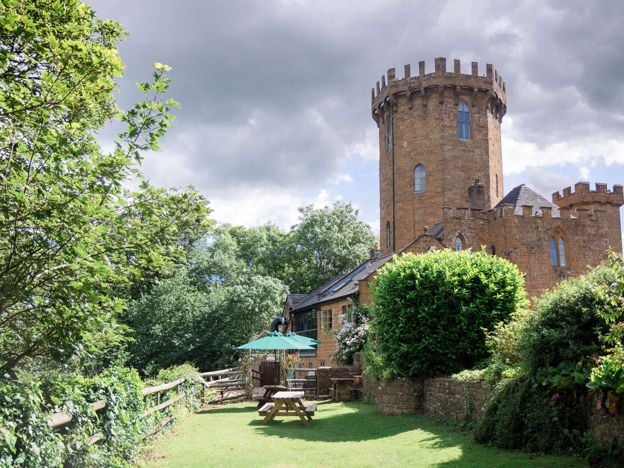
The Castle at Edgehill
Pubs · Edgehill and Radway
A pub and restaurant in the castellated 18th-century tower on top of Edgehill, above the 1642 battlefield, with Hook Norton ales, large gardens, five en-suite rooms and a gin school in the tower.
Family-friendly · Wedding venues
Verified Nov 2026
Walks in and around Tysoe
-
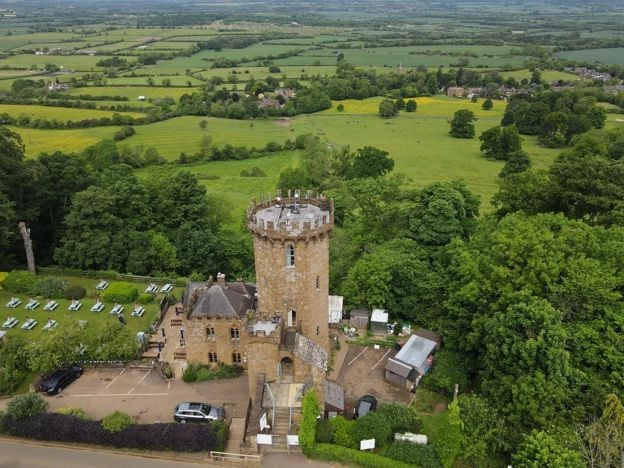
Edgehill Circular
Walk · Starts in Edgehill and Radway · 2 hrs, 30 mins · Circular
The Edgehill Circular is a 5.4-mile (8.6km) moderate circular walk from the Upton House car park, about two and a half hours with 220m of climbing. It follows the Edge Hill ridge to the Castle pub, returns through Ratley, and has six stiles and 500m on the A422.
Sights in and around Tysoe
-
Tysoe Windmill
Sight · Historic building · Tysoe
An eighteenth-century ironstone tower mill on Windmill Hill above Upper Tysoe, Grade II, which worked until lightning struck it in 1915 and still holds its machinery. Seen from a public footpath that passes beside it; not open inside.
-
Edge Hill viewpoint
Sight · Viewpoint · Edgehill and Radway
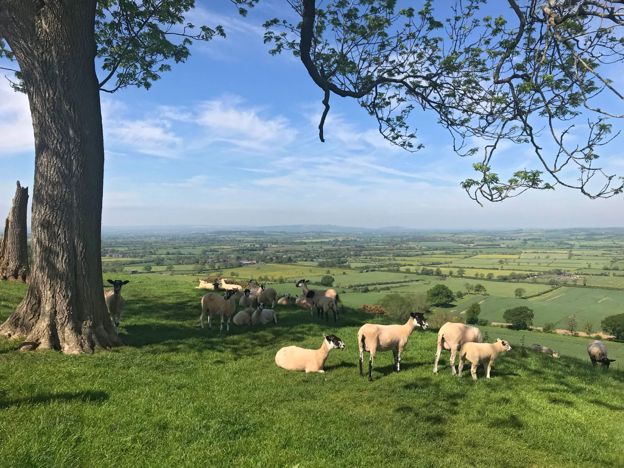
The long view from the top of Edge Hill, north-west of Banbury, across the plain where the Battle of Edgehill was fought in 1642. There is no signed viewpoint: the ridge road, the footpaths and the garden of a 1740s sham castle are how you see it.
Stories about Tysoe
-
Strange Banburyshire: ghosts, witches, lost horses and sham ruins
Story · Strange Things · 6 minute read
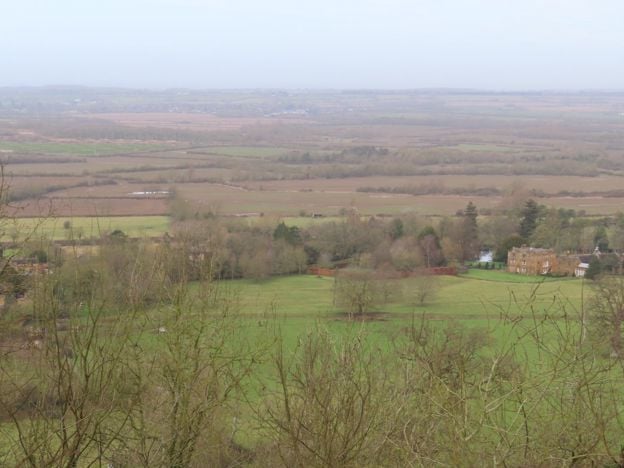
The odd corners of the country round Banbury: a ghost battle in the sky over Edgehill, a witch who turned a king to stone at Rollright, a lost red horse, a three-day saint, a priest said to have died of fright, and ruins built to look ruined. Each one told with what is on record.
-
The Red Horse of Tysoe: the lost hill figure under Edge Hill
Story · Strange Things · 5 minute read
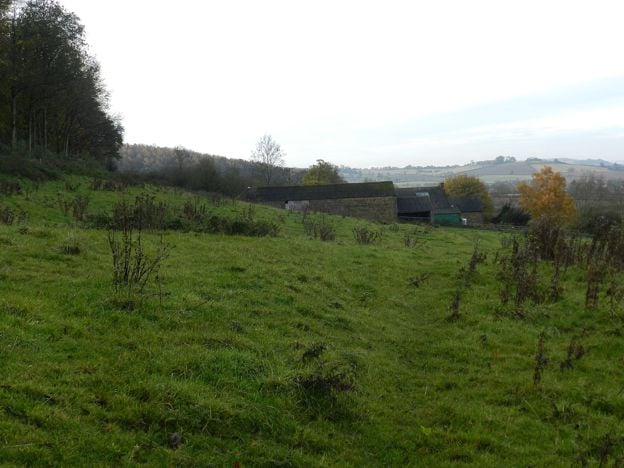
A great horse was cut into the red hillside above Tysoe, under Edge Hill, and scoured each year in the eighteenth century. It gave the Vale of the Red Horse its name, then was lost around 1800. Who said they saw it, the legend of the Earl of Warwick, and what the diggers found.
Getting to Tysoe
- By train
- Banbury is the nearest station, about 7.5 miles away in a straight line, with Chiltern trains from London Marylebone.
- By bus
- Stagecoach Midlands’ 76 from Banbury bus station, bay 8, stops in Middle Tysoe Monday to Saturday: four buses out and three back in November 2026, none on Sundays. Check the timetable.
- By car
- About 10 miles and 20 minutes from Banbury Cross by road. The lanes down Edge Hill are steep and narrow.
- Parking
- No public car park that we could find. Park on the street in Middle Tysoe with care.
- Access
- The church is in Middle Tysoe on the main street. The footpath up Windmill Hill climbs across fields and, in OpenStreetMap, has steps near the top, so it is not step-free. We have not checked inside the church.
Places near Tysoe
-
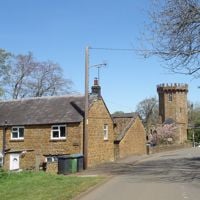 Edgehill and RadwayTwo places joined by a wooded scarp: Edgehill on the ridge, with a 1740s sham castle that is now a pub, and Radway below, with a free exhibition on the 1642 battle. Together they are the best way to see the first big fight of the Civil War.
-
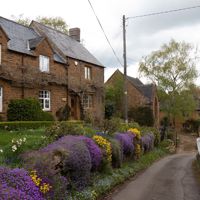 RatleyAn ironstone village tucked just below the crest of Edge Hill, with a fourteenth-century church, a tall medieval churchyard cross and a castle mound. The Castle at Edgehill and Upton House are both in its parish, and the Edgehill Circular walks through.
-
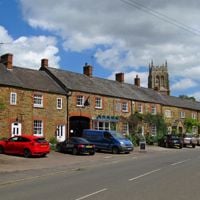 BrailesTwo villages under Brailes Hill, once one of the Earl of Warwick's richest manors. Lower Brailes has St George's, the 'Cathedral of the Feldon', with a 37m tower, a Catholic chapel of 1726 beside it, and a Hooky inn on the high street.
-
 KinetonA large village and old market town below Edge Hill, where Parliament's army camped before the Battle of Edgehill in 1642. A church rebuilt by Sanderson Miller, a motte and bailey open to all, the battle memorial nearby, and buses from Banbury.