Burton Dassett
Burton Dassett A Shrunken Medieval Settlement
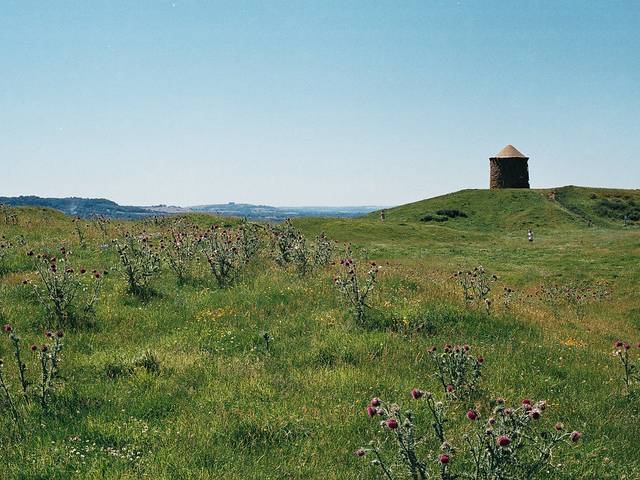
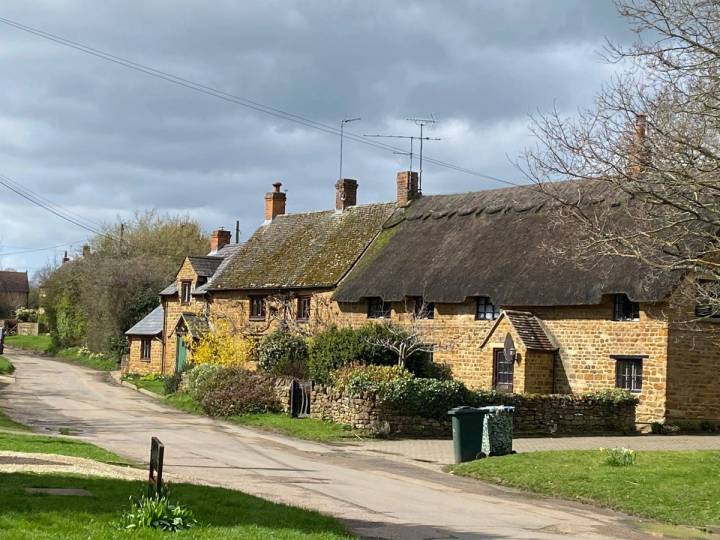
Burton Dassett is a place where history is etched directly into the landscape. Once a thriving medieval market hub, it is now classified as a shrunken medieval village, with its ancient heart nestled on the slopes of the Burton Dassett Hills. While the modern civil parish includes the nearby village of Knightcote, the original settlement remains a poignant site of archaeological significance, offering a window into the rural transformation of South Warwickshire.
The lost market of Southend
The most significant part of the medieval village was a settlement known as Southend. In the thirteenth century, this area was a prosperous trading centre with its own market charter. At its peak, the settlement approached the status of a small town, populated by merchants, smiths, and farmers. However, the fate of the village changed dramatically at the end of the fifteenth century.
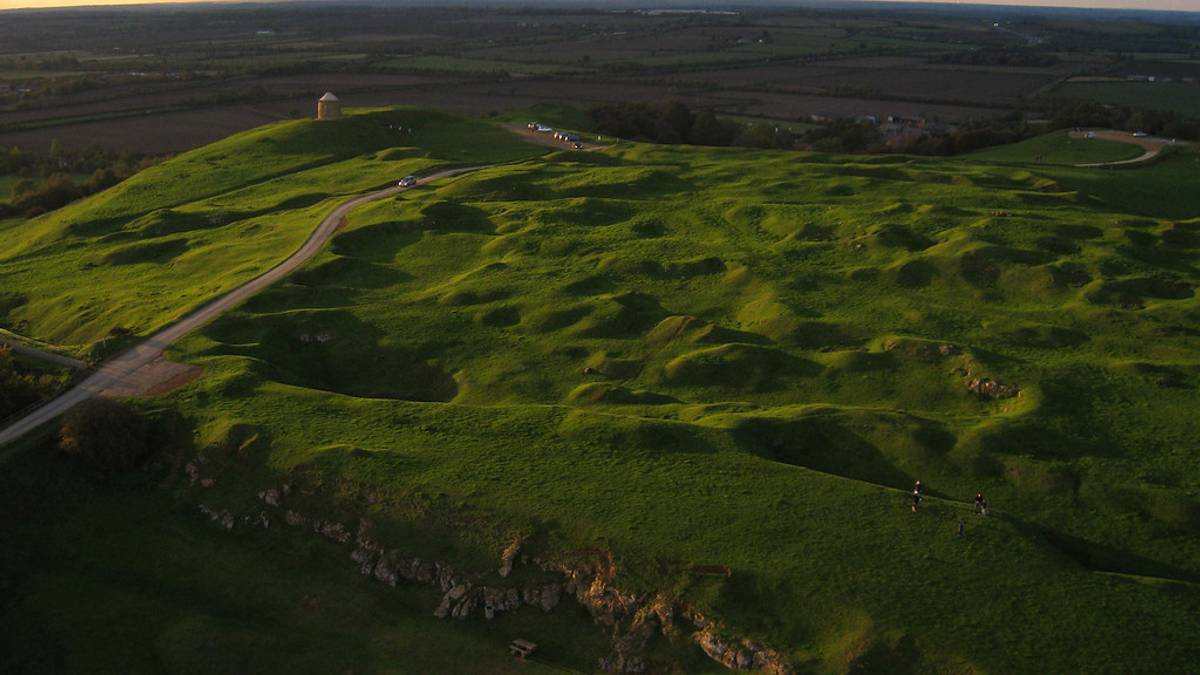
In 1497, the village was largely depopulated to make way for sheep farming. This shift from arable crops to pastoral land led to the eviction of the local population and the demolition of their homes. Today, the earthworks of these original streets are still visible as undulations in the grass, providing a hauntingly beautiful outline of the community that once lived here. These remains were extensively excavated during the construction of the M40 motorway, revealing the foundations of over twenty medieval houses.
All Saints Church and the Cathedral in the Hills
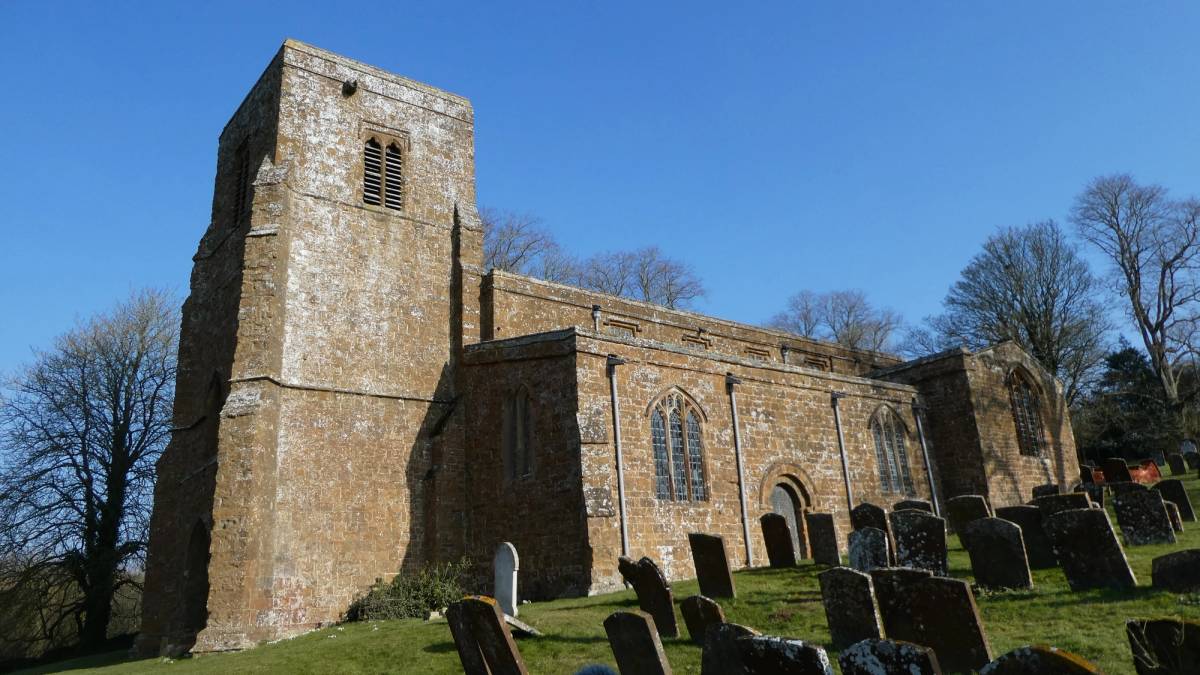
The defining landmark of the village is the parish church of All Saints. Often referred to as the Cathedral in the Hills, this Grade I listed building dates back to the twelfth century. Its size and grandeur are a direct result of the wealth generated by the medieval wool trade. The church is famous for its steep internal floor, which follows the natural slope of the hillside, creating a dramatic visual effect as you walk from the west tower toward the altar.
Inside, visitors can find rare medieval wall paintings and intricate stone carvings that have survived centuries of change. The church serves as a silent witness to the village's transition from a bustling market centre to a quiet, elevated sanctuary. It remains a place of regular worship and is considered one of the finest examples of medieval architecture in the region.
The Holy Well and ancient springs
Just a short walk from the church lies the Holy Well, a fascinating stone structure that points to the area’s ancient spiritual significance. The well house sits over a natural spring that has provided water to the inhabitants of the hills for over a thousand years. Historically, the clear waters were believed to have healing properties, particularly for ailments of the eyes.
The well remains a quiet spot for reflection, surrounded by the same rugged terrain that has sustained the community since the Domesday Survey of 1086. It represents the enduring nature of the village, surviving long after the medieval cottages and market stalls have disappeared from the landscape.
Visiting Burton Dassett today
The village is situated within the boundaries of the wider country park, making it a perfect starting point for exploring the ironstone escarpment. Access is via a winding road from the M40 or the B4100, leading directly to the historic core of the settlement. While the village itself is quiet and rural, it remains deeply connected to the market towns of Banbury and Southam.
Whether you are visiting to trace your ancestry, study the medieval wall paintings, or simply to enjoy the peace of the Warwickshire hills, Burton Dassett offers a profound sense of continuity. It is a place where the modern world feels distant, and the layers of English history are laid bare across the rolling green ridges.
Places to visit
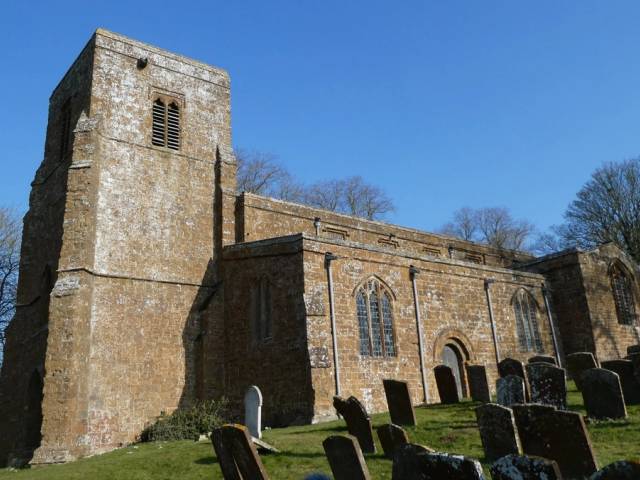
All Saints Church Burton Dassett
Visit All Saints Church in Burton Dassett. Discover medieval wall paintings, a sloping floor, and 12th century architecture in this historic sheep church.