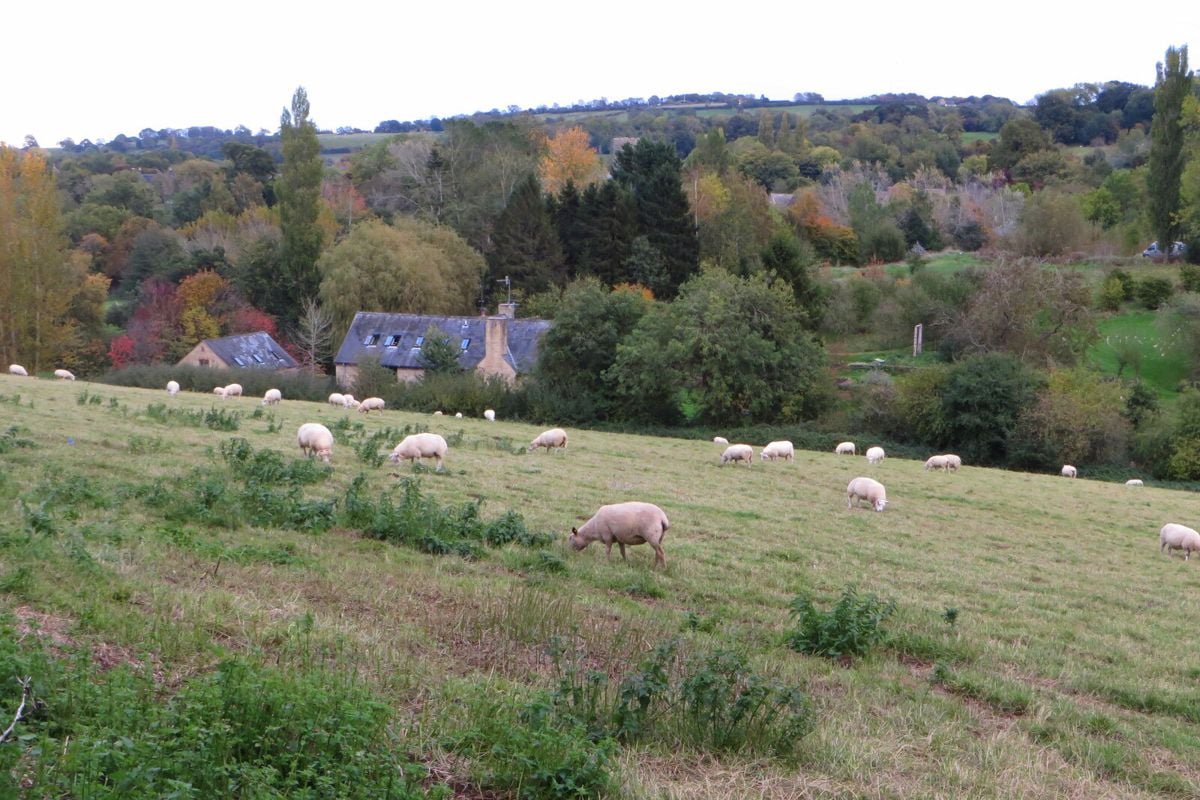
Philip Jeffrey, CC BY-SA 2.0, via Wikimedia Commons
Whichford
A stone village in the hills near the Oxfordshire border, home to Whichford Pottery, where you can watch terracotta pots thrown by hand, and a Grade I church with the tombs of its medieval lords and Tudor rectors. Come midweek, from Wednesday to Saturday if you want lunch.
- Nearest station
- Moreton-in-Marsh, about 6.5 miles south-west, then a taxi. Banbury is about 9.5 miles, with a Thursday bus
- Parking
- The pottery has its own car park (CV36 5PG). Elsewhere, park with care in the village lanes
- Best time
- Tuesday to Thursday, when the potters are most often at work
- When it's busy
- The Straw Kitchen takes no bookings, so for lunch on a Saturday come early, at 10am, or come midweek.
- Toilets
- None public that we could confirm
- Dogs
- The pottery's visit page does not say, so ask before you bring a dog. Field paths and Whichford Wood need dogs on leads near stock.
About Whichford
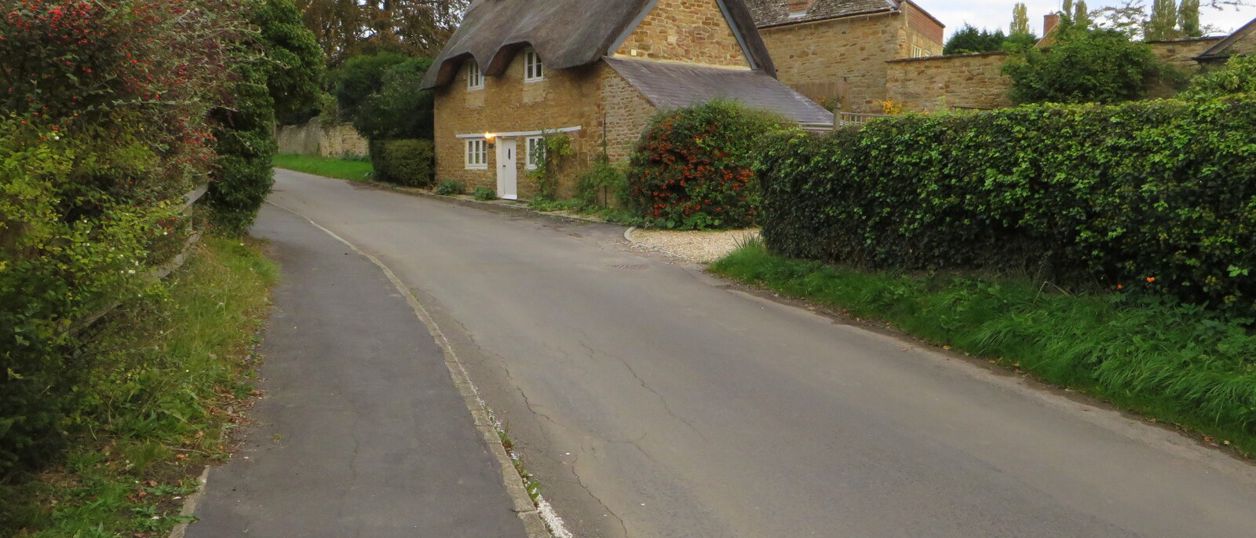
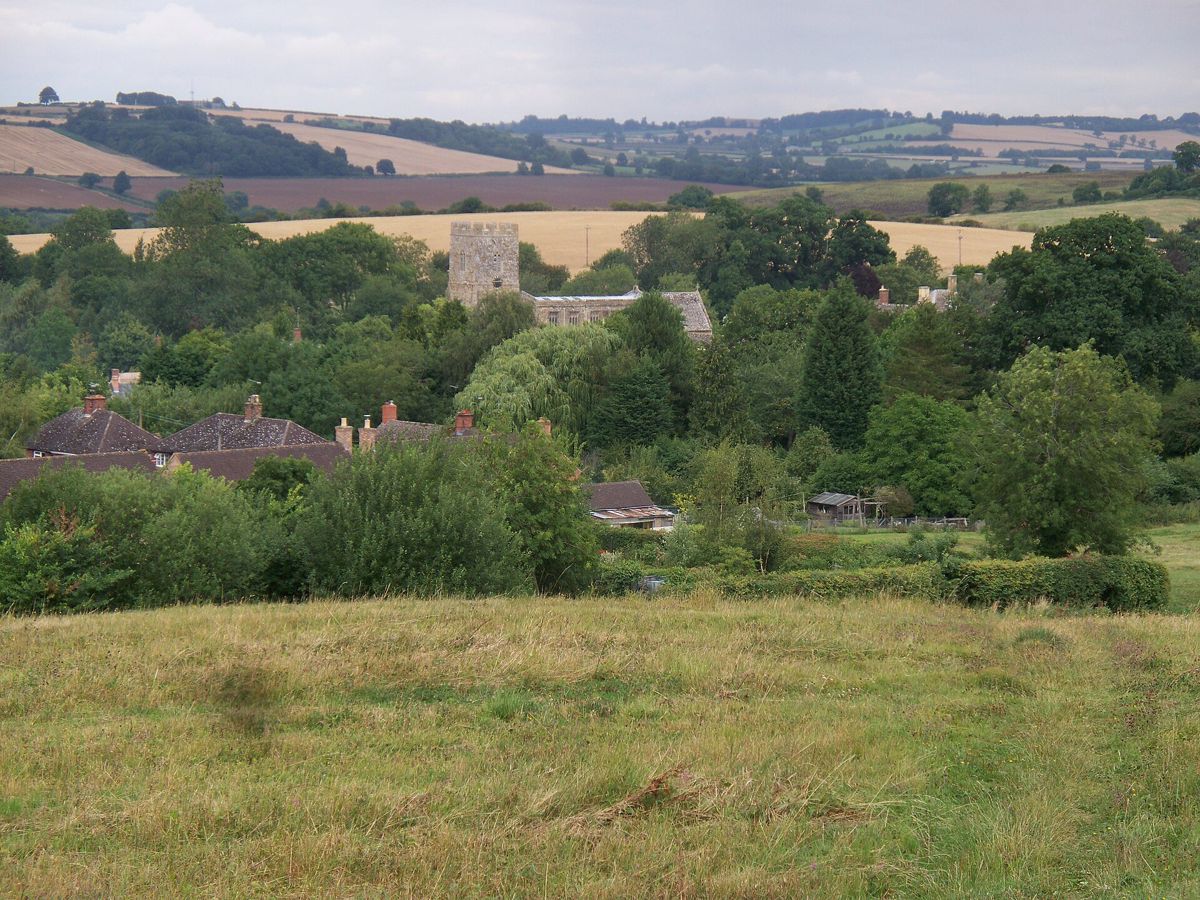
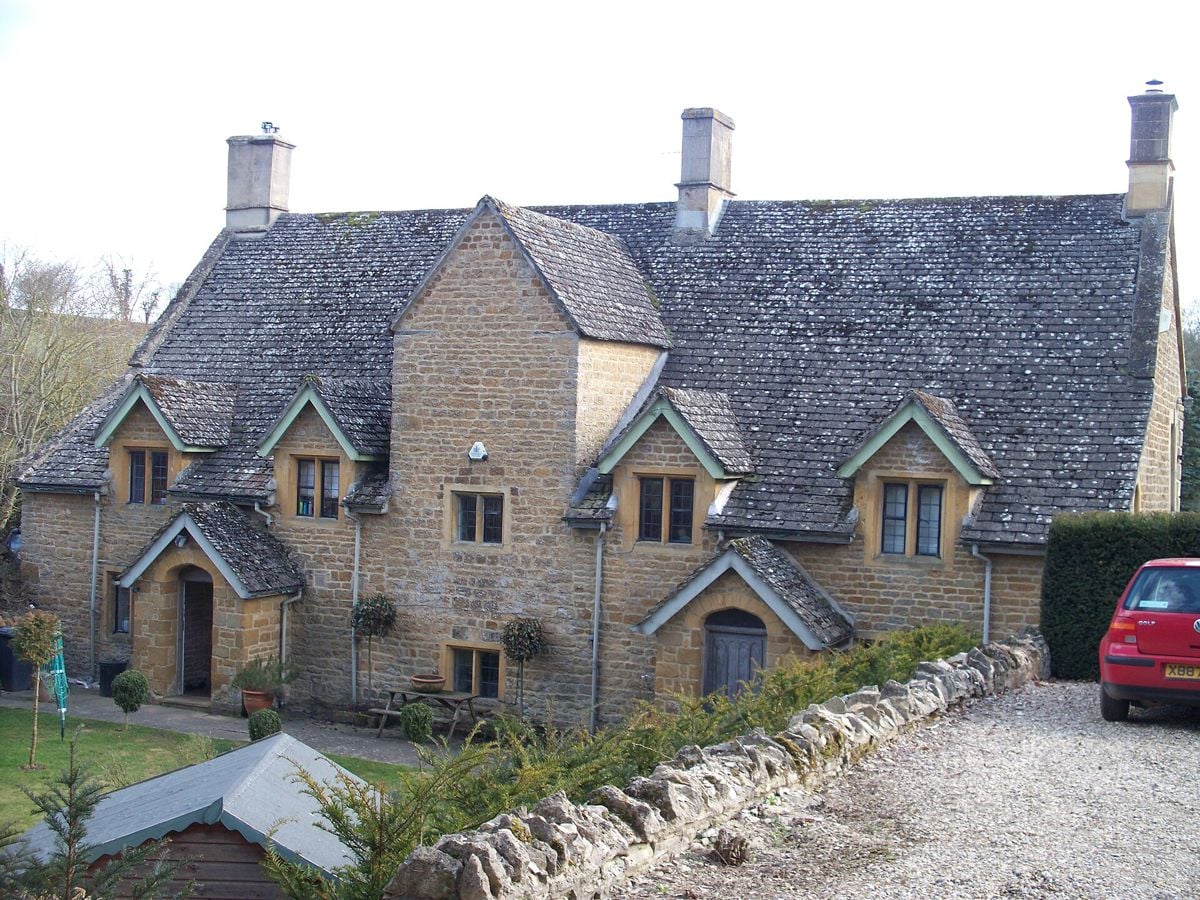
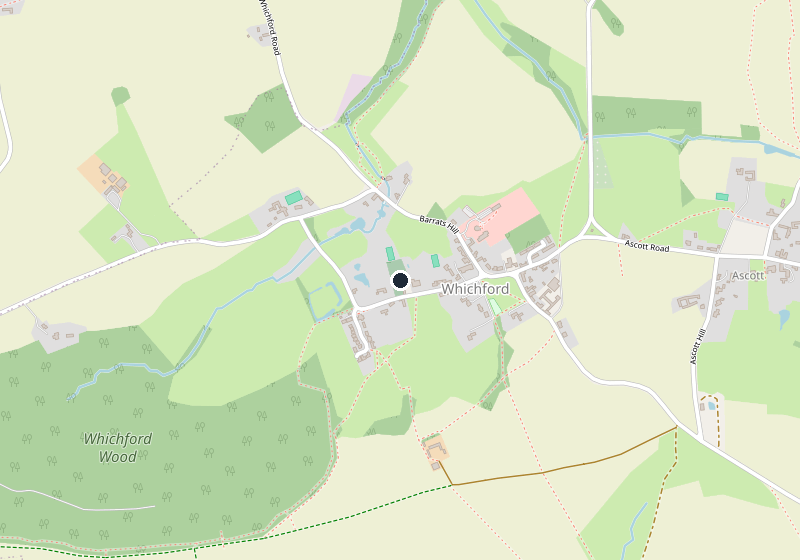
Whichford is a village of local stone and thatch in the hills south-west of Banbury, about 9.5 miles away in a straight line and close to the Oxfordshire border. Its centre is a conservation area. Most visitors come for one thing, the pottery, and the church and the walks are good reasons to stay.
Whichford Pottery
Jim and Dominique Keeling started Whichford Pottery in 1976, and it still makes terracotta flowerpots by hand. It is open every day from 10am to 4pm, bank holidays included, except Sundays in January and February. The workshop is open to visitors from Monday to Friday, and the pottery says the potters are most often at work from Tuesday to Thursday, so come midweek to watch them throw.
The pottery's own site lists no admission charge. It closes at 4pm on 23 December and reopens on 4 January 2027. The pottery's visit page (opens in a new tab) has the courses and the current dates.
St Michael's Church
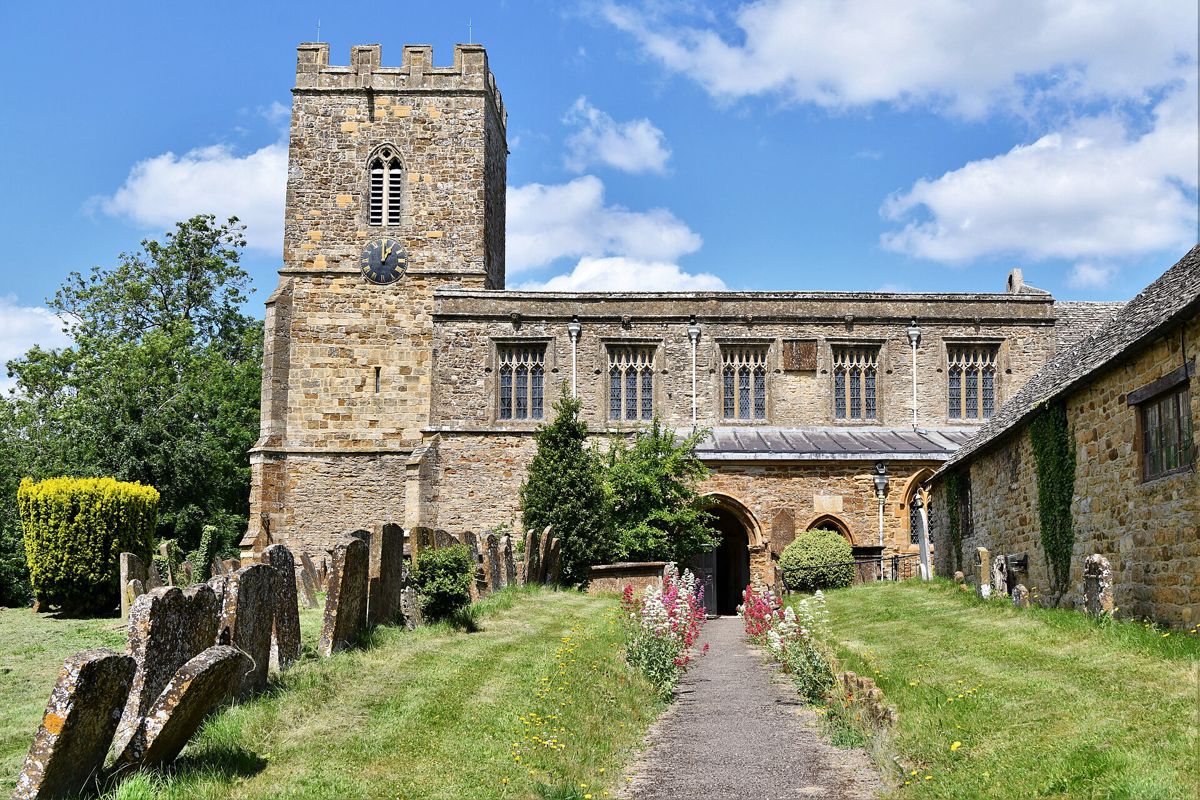
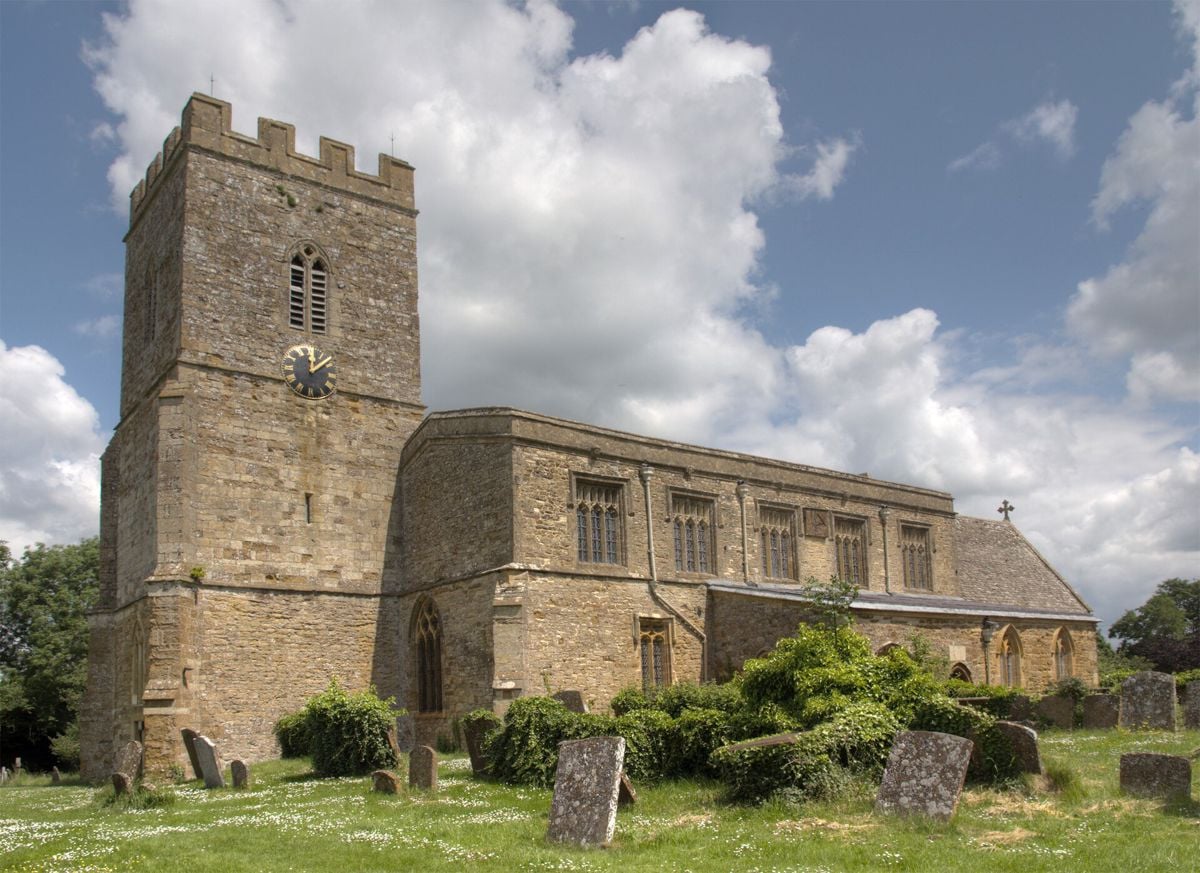
St Michael's is listed Grade I, and its tombs tell the story of the village's lords. The nave dates from about 1150, with only its south doorway left from the first build, and the north-west tower rose in stages in the fourteenth century. The south chapel, now the vestry, was built around 1330, probably as a memorial to the Mohun family: a recess in its south wall holds a coffin lid carved with an engrailed cross beside the Mohun arms.
In the chancel are two rectors who served the Earls of Derby: John Merton, who died in 1537, under an alabaster tomb, and Nicholas Asheton, who died on 30 September 1582, whose brass shows him in a Geneva gown. The chancel east window keeps fourteenth-century glass of the Crucifixion with angels. We could not find published opening hours.
West of the church, about 230m away, is a moated site, scheduled since 1953. We found no statement of public access to it, so look from the lane.
A day in Whichford
Arrive when the pottery opens at 10am, watch the throwers if it is a weekday, and leave time for the yard. Have lunch at the pottery's café, the Straw Kitchen, from Wednesday to Saturday, then walk down to St Michael's. In the afternoon, take the Macmillan Way towards Whichford Wood, or drive on to Long Compton and the Rollright Stones.
Walks from Whichford
Two long-distance paths pass through the village in OpenStreetMap: the Macmillan Way and the Cross Cotswold Pathway. Whichford Wood, the largest wood in the parish, lies to the south-west. We have not yet published a circular walk from Whichford with a route we can stand behind, so this page offers none.
The Banburyshire newsletter
Events, new places and the best of the season, about once a month. Unsubscribe at any time.
Food and drink in Whichford
There are two checked picks in the village. The Norman Knight is a pub with rooms in a restored former bakery, with seasonal British food. The Straw Kitchen at the pottery opens from Wednesday to Saturday, 10am to 4pm, with food until 3pm, and takes no reservations. A short drive north, the Still House Café at the Cotswolds Distillery in Stourton serves food until 3.30pm every day.
When to come to Whichford
Come from Tuesday to Thursday for the potters, and from Wednesday to Saturday if you want the café. Avoid Sundays in January and February, when the pottery is shut, and the café's winter break from mid-December to mid-March. The café takes no bookings, so arrive early on a Saturday.
Over the border
Whichford sits on the edge of the Cotswolds, and these places on our sister site, Cotswolds Info, are a short drive west:
- Shipston-on-Stour, the small market town on the Stour, about 5 miles north-west
- Moreton-in-Marsh, the nearest station, on the line from London
- Chipping Campden, the wool town with its 1627 Market Hall
Last verified 11 November 2026 by our editors
Things to do in Whichford
Tours and experiences · Hook Norton
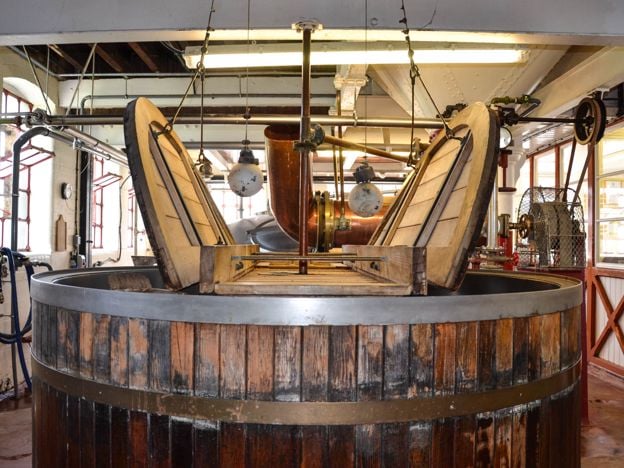
Hook Norton Brewery
A family brewery in a Victorian tower at Hook Norton, with a steam engine of 1899, Shire horses that still deliver to two village pubs, and tours at £25. The climb is over 100 open steps, and there is a gentler monthly option. Shop and kitchen open daily.
-
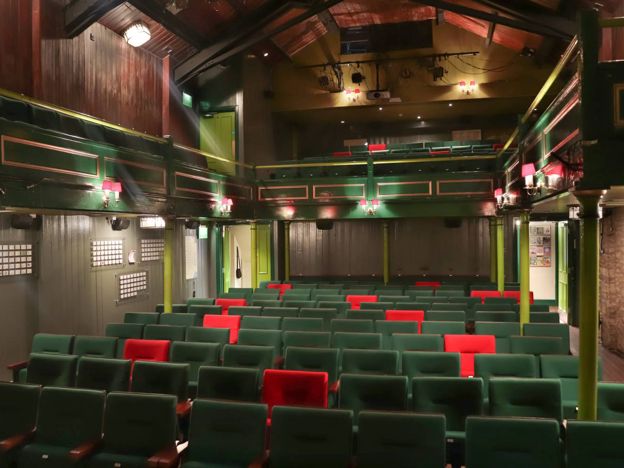
Chipping Norton Theatre
Family days out · Chipping Norton
A theatre in a former Salvation Army citadel in Chipping Norton, known for its long-running family pantomime, with films and other shows through the year. The Snow Queen runs from 18 November 2026 to 17 January 2027.
Family-friendly · Rainy days
Verified Nov 2026
-
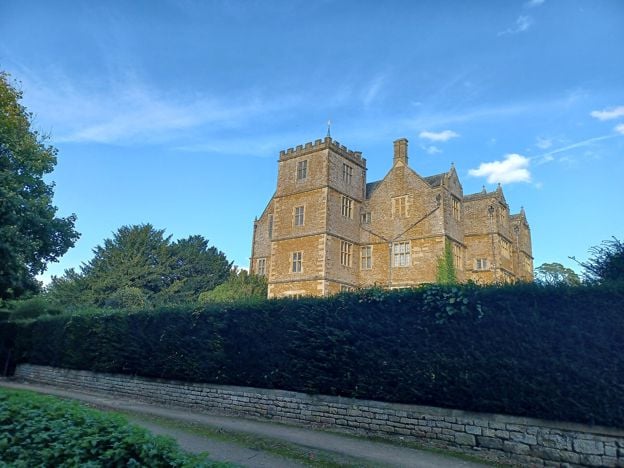
Chastleton House
Historic houses and heritage
A Jacobean house about 35 minutes south west of Banbury, little changed since the family that built it lost its money. National Trust, afternoons only in season, closed for the winter. Built on land sold by the Gunpowder plotter Robert Catesby.
Verified Nov 2026
Where to stay in Whichford
-
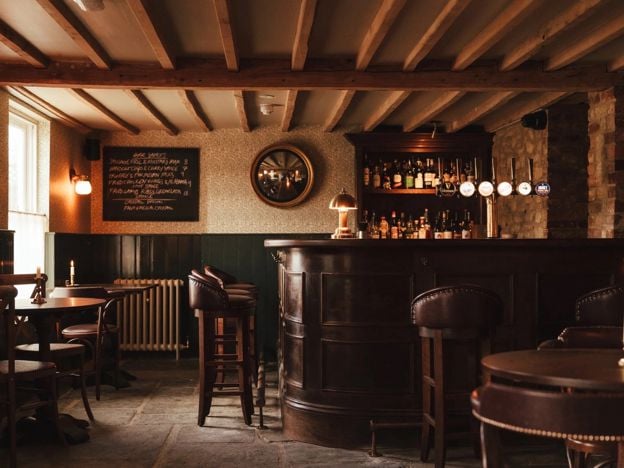
The Norman Knight, Whichford
Pubs
A pub with rooms in a restored former bakery at Whichford, serving seasonal British food and well-kept ales, with four rooms, five cabins, supper clubs, live music on Saturdays and a monthly car rally in summer.
Verified Nov 2026
-
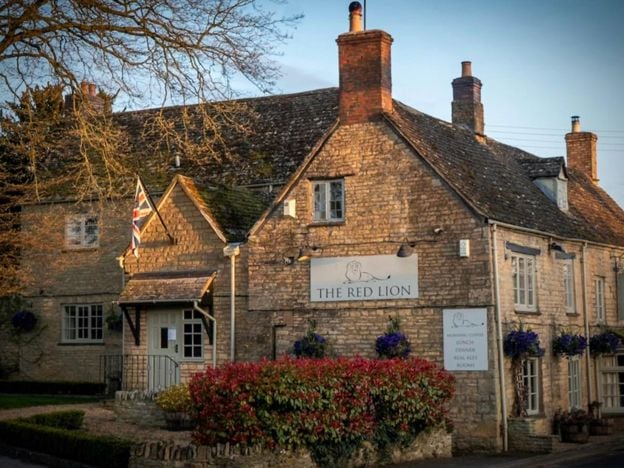
The Red Lion, Long Compton
Pubs
A Grade II listed inn on Main Street, Long Compton, under the Rollright Stones, with seven dog-friendly bedrooms, an AA Rosette and Breakfast Award for 2025, a play area and dogs welcome in bar and restaurant.
Dog-friendly · Family-friendly · Walker-friendly
Verified Nov 2026
-
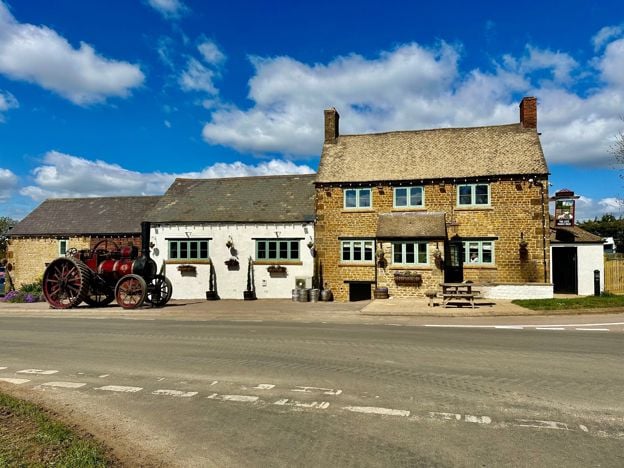
The Gate Hangs High, Hook Norton
Pubs · Hook Norton
A country pub on the Whichford road outside Hook Norton, with local ales, an open fire, freshly cooked food from Wednesday to Sunday, rooms and a large camping field with electric hook-ups.
Dog-friendly
Verified Nov 2026
Where to eat and drink in Whichford
-
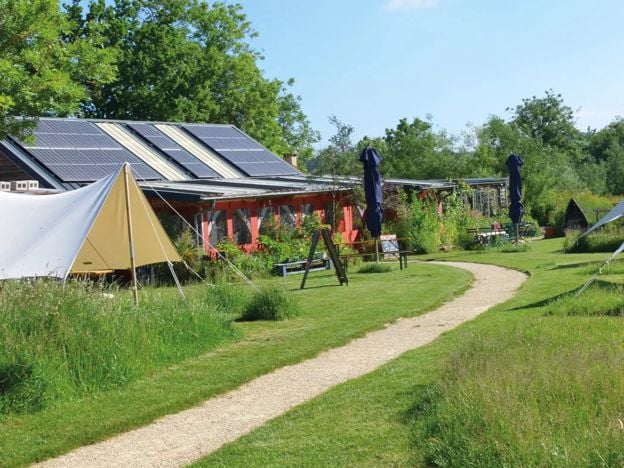
The Straw Kitchen, Whichford
Cafes and tearooms
The café at Whichford Pottery, open from Wednesday to Saturday, with a seasonal menu that changes weekly: brunches, soups, ramen, curries, salads and homemade cakes. It closes for a long winter break.
Verified Nov 2026
-

The Still House Café, Stourton
Cafes and tearooms
The café at the Cotswolds Distillery in Stourton, open every day with food until 3.30pm, using coffee from UE Roasters and meat from Barry the Butcher. Dogs on leads are welcome, and tables cannot be booked.
Dog-friendly
Verified Nov 2026
-
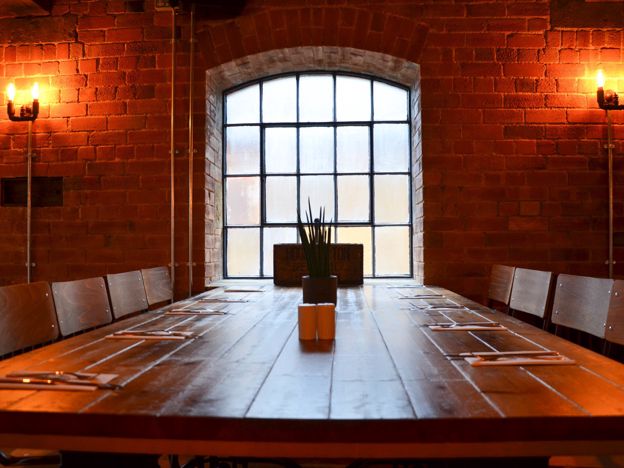
The Malthouse Kitchen, Hook Norton
Cafes and tearooms · Hook Norton
The brewery's own restaurant at Hook Norton, in the restored maltings beside the Victorian tower brewery, serving seasonal breakfasts until 11.30am and lunches until mid afternoon, indoors or in the beer garden.
Family-friendly
Verified Nov 2026
Sights in and around Whichford
-
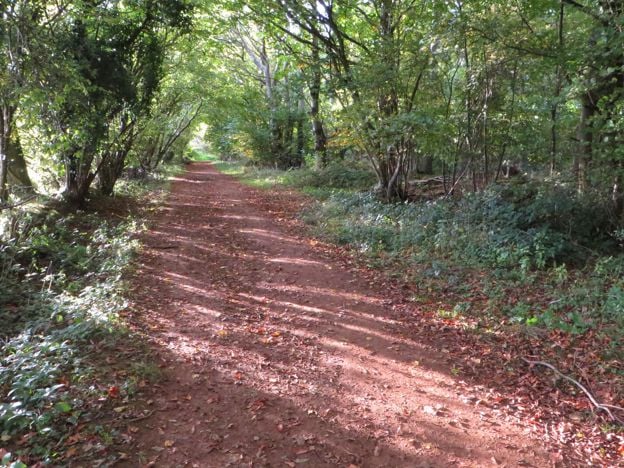
Whichford Wood
Sight · Wood · Whichford
An oak and hazel wood in a steep valley south of Whichford, a Site of Special Scientific Interest for its wet flushes and rare plants, with bluebells in May. The Macmillan Way and public bridleways run through it; other paths are private.
-
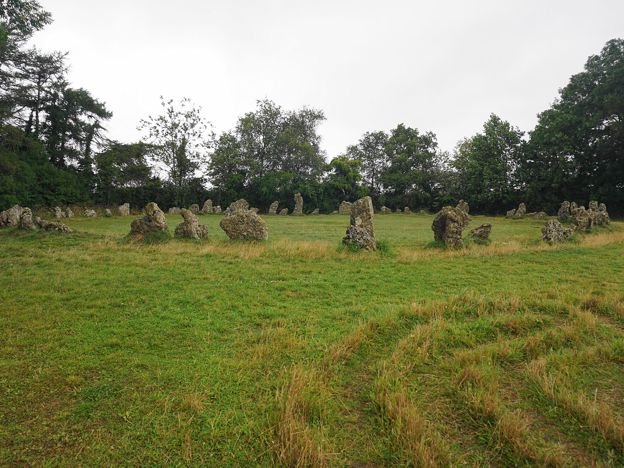
Rollright Stones
Sight · Hill fort or barrow
Three prehistoric monuments on the Oxfordshire and Warwickshire border, built over more than 2,000 years: the Whispering Knights, the King's Men circle and the King Stone, with a legend of a king and a witch to go with them. Open daily; adults £2.
-
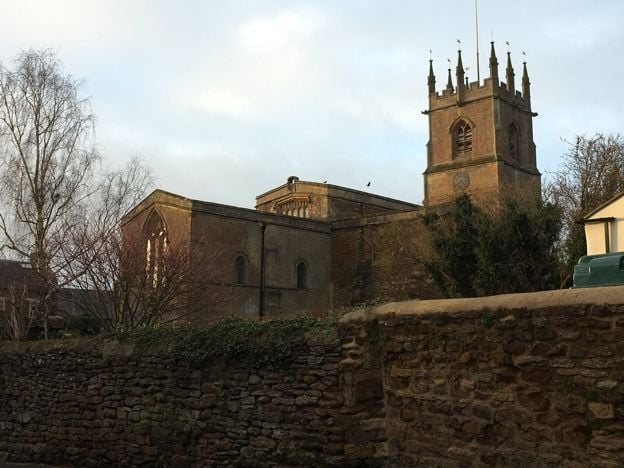
St Peter's Church, Hook Norton
Sight · Church · Hook Norton
Hook Norton's Grade I church, with a Norman font carved with Adam and Eve and signs of the zodiac, a Romanesque chancel and medieval wall paintings. In the middle of the village, open every day, says the benefice.
Getting to Whichford
- By train
- Moreton-in-Marsh is the nearest station, about 6.5 miles south-west, on GWR's line from London Paddington. Banbury is about 9.5 miles. Take a taxi on.
- By bus
- In November 2026 Shipston Link ran route 5 to Banbury on Thursdays, route 3 to Shipston and Chipping Norton on Wednesdays and route 10 on Saturdays. Check first.
- By car
- About 11 miles and 23 minutes from Banbury Cross by road. The pottery's postcode is CV36 5PG.
- Parking
- At the pottery's own car park. In the village, park with care in the lanes.
- Access
- We have not checked the pottery's paths or the church. The pottery's yard is outdoors among stacks of pots, so expect uneven ground, and ask the pottery about step-free access before you go.
Places near Whichford
-
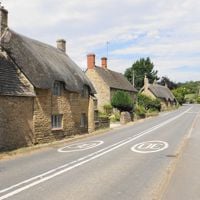 Long ComptonThe last Warwickshire village on the road from Chipping Norton, stretched for about three quarters of a mile below the Rollright Stones. A Grade I church entered under a thatched cottage, a coaching inn with rooms, and a walk up to the King Stone.
-
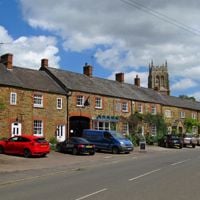 BrailesTwo villages under Brailes Hill, once one of the Earl of Warwick's richest manors. Lower Brailes has St George's, the 'Cathedral of the Feldon', with a 37m tower, a Catholic chapel of 1726 beside it, and a Hooky inn on the high street.
-
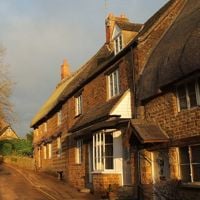 Hook NortonA long ironstone village 8 miles south-west of Banbury, home to Hook Norton Brewery and its Victorian tower. It also has a Grade I church with a carved Norman font, the stone piers of two railway viaducts, the Sun Inn and footpaths published by its own history group.
-
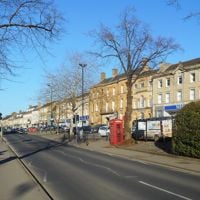 Chipping NortonA hilltop wool town in the Cotswolds National Landscape, with a wide market place, a Grade I church with a rare six-sided porch, a Victorian tweed mill and a small theatre known for its pantomime. Parking is free and the Rollright Stones are close.