RAF Bicester: the bomber station that kept its 1920s shape
English Heritage ranked it, with West Raynham in Norfolk, as the best-preserved bomber airfield of its age in Britain. A century after its hangars went up, RAF Bicester is full of classic car workshops, and its conservation area keeps the grass flying field within its 1939 boundary.
· 6 minute read
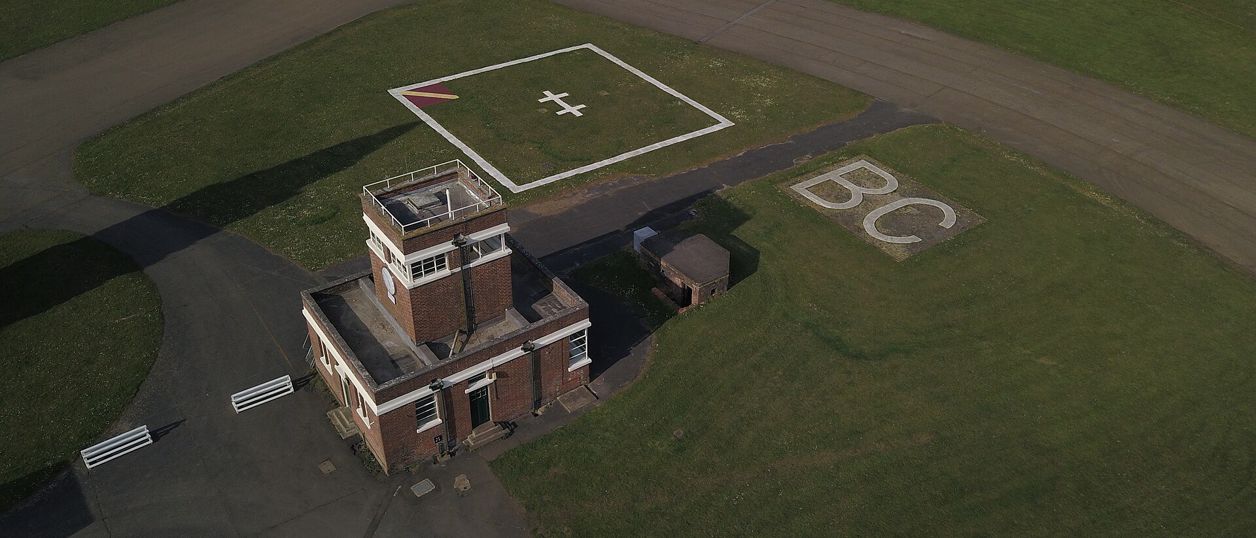
RAF Bicester sits on the Buckingham Road on the north east edge of the town: a grass airfield with its hangars, barracks and watch office round it. In 2000 English Heritage's study of over 700 military aviation sites concluded that it kept, better than any other airbase in Britain, the layout and buildings of military flying before the 1930s. Cherwell District Council has made it a conservation area, and its October 2008 appraisal (opens in a new tab) is the source for most of what follows.
A training ground in 1918
The airfield began in the last year of the First World War. The Victoria County History says it was built in 1917, and the appraisal says it opened on 1 October 1918 as the home of 44 Training Depot Station, to train 120 officers and 60 non-commissioned officers as pilots for the front in France. The aerodrome covered 180 acres, 30 of them taken up by buildings. The war ended six weeks later. The squadrons came and went through 1919, the station closed in March 1920, and because Bicester was not on the list of permanent stations, the whole camp was pulled down.
Trenchard's bomber station
It came back as part of Sir Hugh Trenchard's plan for the new air force, which put its faith in fleets of bombers as the way to deter an attack. In 1925 two permanent bomber stations, each for three squadrons, were planned for Bicester and Upper Heyford as part of the Wessex Bombing Area. Upper Heyford was built in full. At Bicester the government slowed the work, and only two of the six planned A-type hangars went up. One of them, Hangar 137, dates from 1926, and Bicester Motion finished a £4 million repair of it in March 2026.
Flying resumed in January 1928 with 100 Squadron. The station was laid out on Trenchard's plan: a guardroom and station offices facing each other at the gate, three roads fanning out behind them, and the barracks kept apart from the hangars and workshops. A railway siding served the coal yard and the stores, and later the bomb stores, and the appraisal says its rails can still be seen at the coal yard.
From 1934 the RAF Expansion Scheme brought more barracks, married quarters and, in about 1936, two C-type hangars that more than doubled the space for aircraft. A watch office with a tower and the bomb stores followed in 1938. On 25 October 1939 the prototype of the Handley Page Halifax, L7244, made its first flights from Bicester.
The war years
When war came, Bicester turned to training. In 1940 two squadrons were merged into 13 Operational Training Unit, one of the two main units in Britain training crews for medium bombers, and the scheduling record says Australian, Canadian and New Zealand airmen trained there among the British crews. The field was enlarged, with 41 dispersed standings for aircraft and nearly six miles of perimeter and dispersal track, ringed with pillboxes and trenches.
It was never an easy airfield. It had no concrete runways, so there were spells when it could not be used, and its compact layout and the trees on the approaches made it a poor place for night flying. Satellite fields at Hinton-in-the-Hedges and Croughton took some of the load. By 1942 almost every crew trained at Bicester was going to the Middle East, and by the end the unit was flying Mosquitoes, which showed how small the grass field had become.
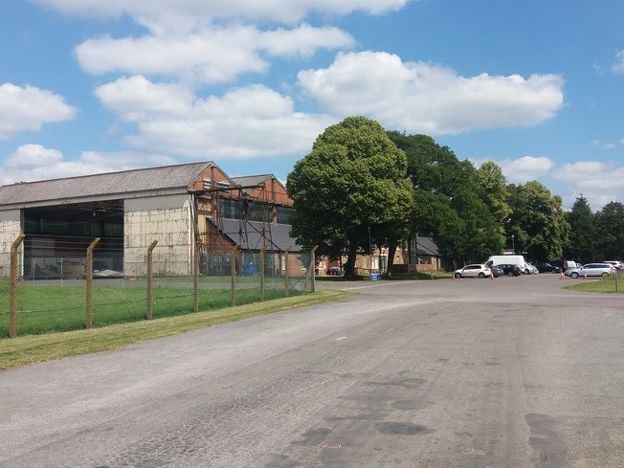
In the autumn of 1943 the station became a Forward Equipment Unit, storing equipment for the invasion of north west Europe. By the autumn of 1944 it had over 1,000 people and ten canvas hangars, and on 1 January 1945 it was renamed 246 Maintenance Unit. The training unit left in October 1944.
Stores, wrecks and gliders
After the war Bicester was a storage and maintenance base. 71 Maintenance Unit was formed there in 1953 for crash investigation, and the scheduling record says the station was home to the principal aircraft salvage unit for southern England after the war. On 1 November 1963 the RAF Gliding and Soaring Association was formed at Bicester, and gliders kept the grass field in use for decades.
By the mid 1970s the station was on care and maintenance. It passed briefly to the Army, became RAF Bicester again in November 1978, and was lent to the United States Air Force in Europe, which turned some technical buildings into offices and a medical store and the domestic site into a military hospital. In March 1991, during the Gulf War, the government told Parliament that the Americans had activated their contingency hospital at Bicester. It closed when RAF Upper Heyford closed in 1994.
The Banburyshire newsletter
Events, new places and the best of the season, about once a month. Unsubscribe at any time.
What is protected
The uses that followed the bombers, the appraisal says, were what kept the 1920s and 1930s buildings intact, down to their exterior details and fittings. Historic England scheduled the southern bomb stores and a series of airfield defences on 28 February 2006. The bomb stores of 1938 and 1939 are two rows of three back-to-back concrete buildings, and the defences include two mushroom pillboxes flanking a trench, two pillboxes based on the octagonal Type 27 design and a pair of defended air raid shelters east of the southern hangar. Many of the buildings are listed Grade II, and the conservation area takes in the grass flying field within its 1939 boundary; the wartime extensions to the field have been lost to housing and quarrying.
Bicester Motion
The site went on Historic England's at risk register in 2008. Bicester Heritage, now Bicester Motion, was created on the site in 2013. It counts 444 acres of historic open space and says it has restored or brought back into use more than 95 per cent of the buildings, many of them for businesses that restore and look after classic cars. It marked the centenary of the station's 1926 rebuilding in 2026. On weekdays only people who work there or have booked to visit one of its businesses can go in, so the way to see the hangars is at one of its public events, such as the Sunday Scrambles (held in January, April and October in 2026). Our page on Bicester Heritage has what you need to plan a visit. The Bicester Military Railway story covers the other great wartime site on the edge of town.
Mentioned in this story
The places, sights and walks in this story, each with a page of its own: what it is, when to go and how to get there.
-
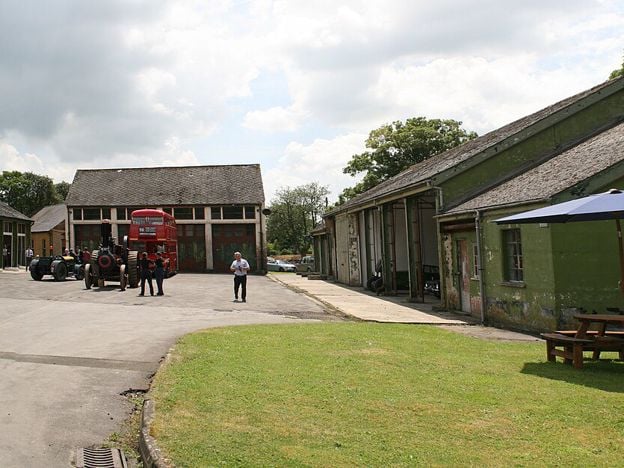
Bicester Heritage (RAF Bicester)
Sight · Historic building · Bicester
Places to stay near Bicester
-
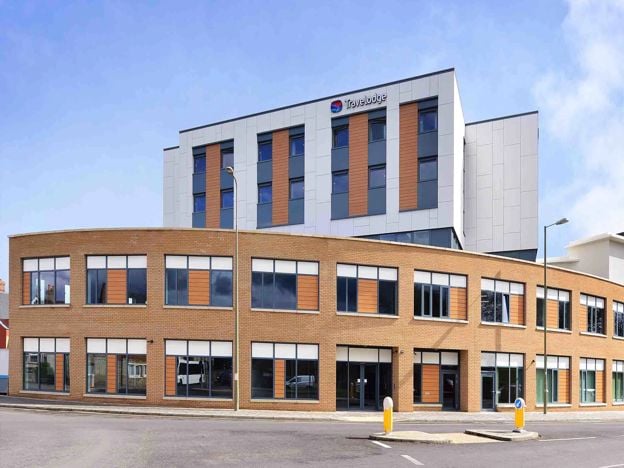
Travelodge Bicester
Hotel · Bicester
A budget chain hotel on Pioneer Square in the middle of Bicester, under half a mile from Bicester North station and within walking distance of Bicester Village, with family, accessible and pet-friendly rooms but no car park of its own.
Dog-friendly · Car-free
Verified Nov 2026
-
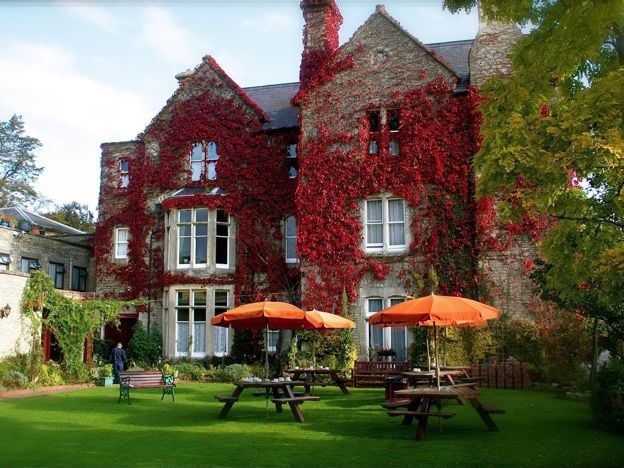
The Littlebury Hotel, Bicester
Hotel · Bicester
A family-run hotel on Kings End in Bicester since 1959, with 35 en-suite rooms, breakfast included, a lounge bar, gardens and a large car park, within walking distance of the town centre and Bicester Village.
Family-friendly · Wedding venues
Verified Nov 2026
-
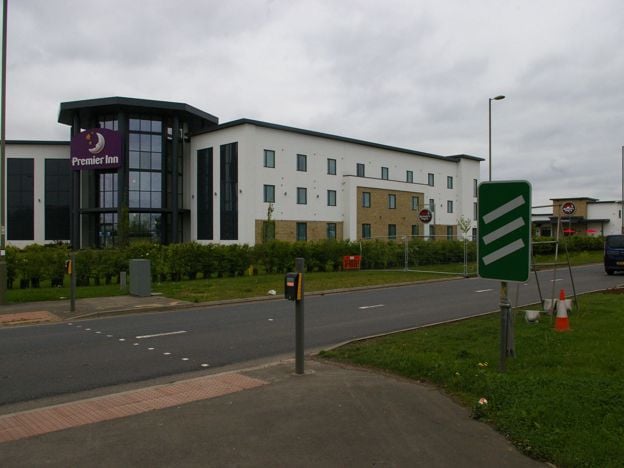
Premier Inn Bicester
Hotel · Bicester
A Premier Inn on Oxford Road, on the A41 at the southern edge of Bicester, half a mile from Bicester Village by the chain's measure, with family, accessible and Premier Plus rooms, a restaurant and a paid car park.
Family-friendly
Verified Nov 2026
Read next
-
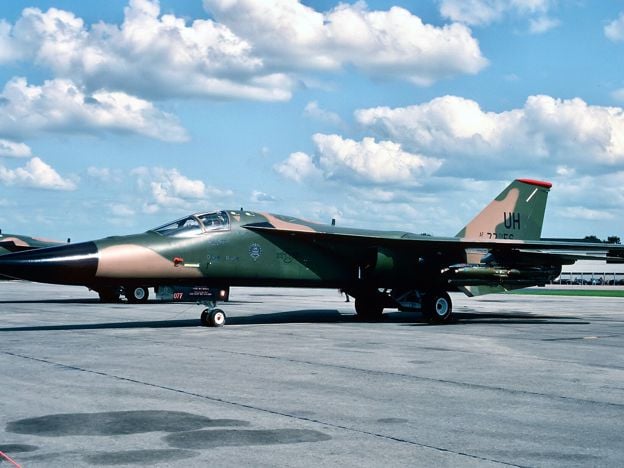
RAF Upper Heyford: the Cold War airbase south of Banbury
Story · History · 7 minute read
RAF Upper Heyford began as a First World War airfield, trained bomber crews in the Second, and from 1951 housed American nuclear bombers. Its F-111s left in December 1993. Its shelters and bomb stores are now a scheduled monument, with tours from a heritage centre.
-
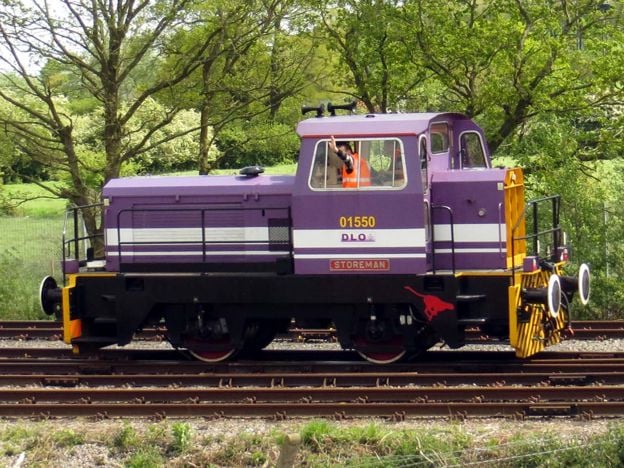
The Bicester Military Railway and the army depot it served
Story · History · 4 minute read
In 1941 the army began a vast ordnance depot south east of Bicester, served by its own railway: nearly 50 miles of track by 1943, and nearly 300,000 wagons in the year of D-Day. How it worked, what it did after the war, and what became of it.
-
Alchester: the Roman fortress and town under the fields south of Bicester
Story · History · 5 minute read
Just south of Bicester, under grass and plough, lies Alchester: a Roman army base dated by its gate posts to AD 44, then a walled town. The dig of 1996 to 2004, the veteran's tombstone found in its wall, and what there is to see now.