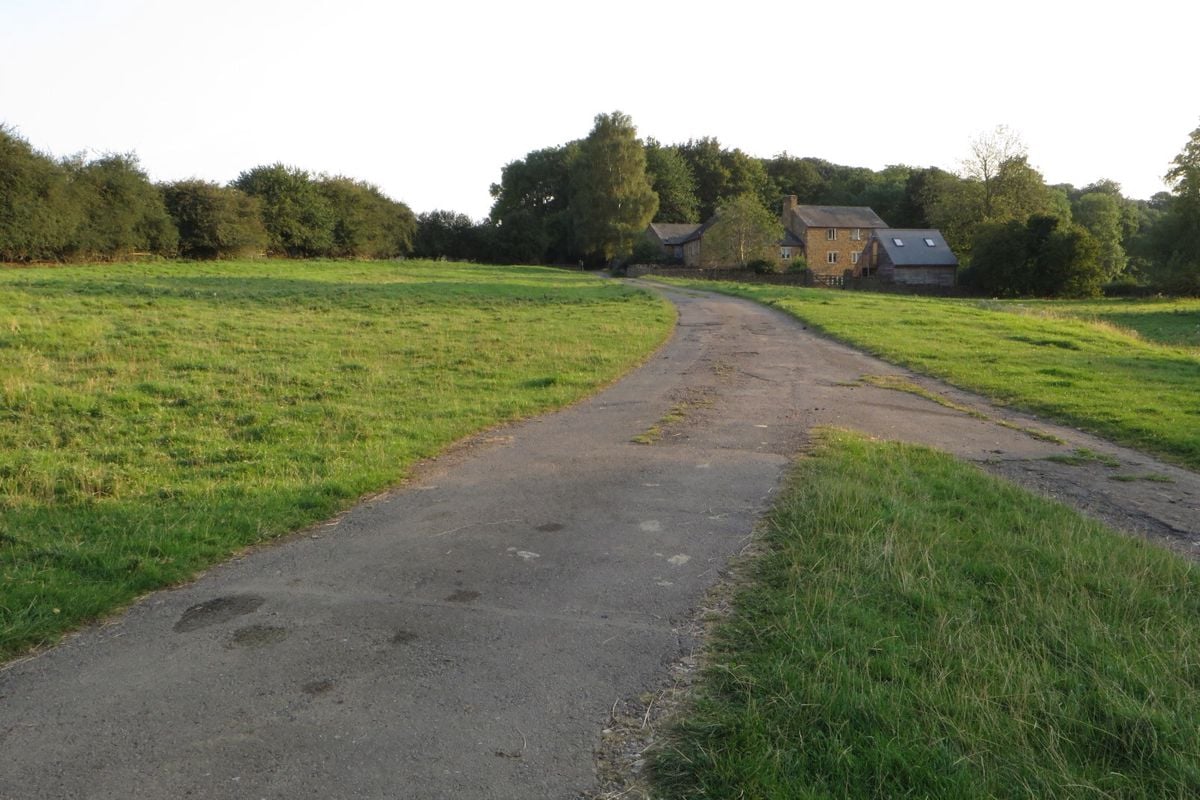
Bikeboy, CC BY-SA 2.0, via Wikimedia Commons
Everdon
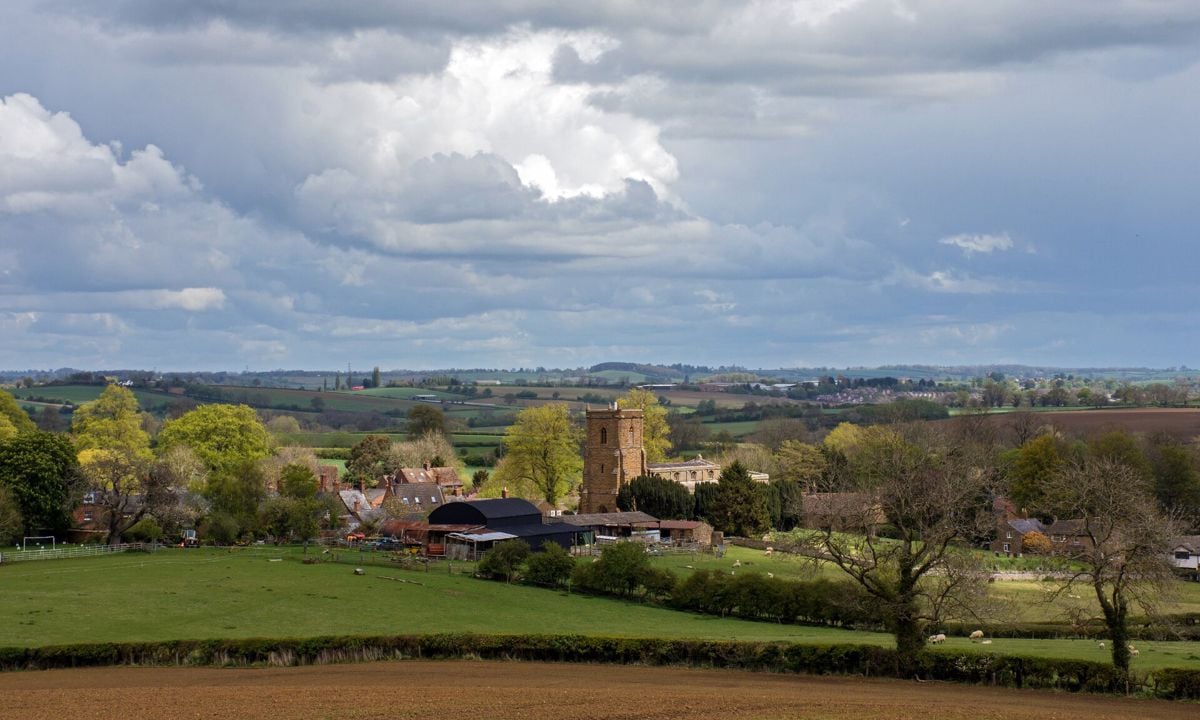
A conservation village south of Daventry, with a big fourteenth-century church open in daylight and Everdon Stubbs, a Woodland Trust wood of bluebells and wild daffodils, on the hill above. A quieter alternative to Badby in bluebell time.
- Nearest station
- None. The Woodland Trust names Long Buckby, 9 miles, and Northampton, 13 miles
- Parking
- Everdon Stubbs has a small car park for about six to eight cars, with roadside space along its southern edge. In the village, park with care on the street
- Best time
- April and early May, for the wild daffodils and then the bluebells
- When it's busy
- The fete on the August bank holiday Monday, which the benefice says draws about 4,000 people. Otherwise quiet, though the small car park at the Stubbs can fill on a spring weekend.
- Toilets
- The benefice says the church has toilets; the National Churches Trust lists accessible toilets nearby. None near the wood, says the Woodland Trust
- Dogs
- The church's entry calls it dog friendly. The Woodland Trust welcomes dogs in its woods under its own guidelines
About Everdon
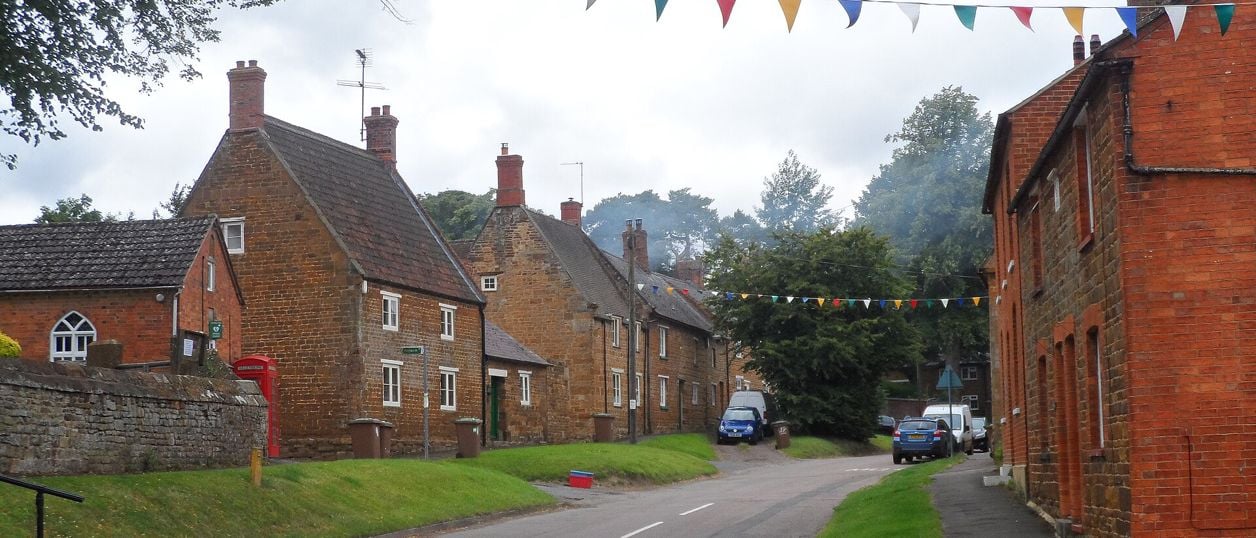
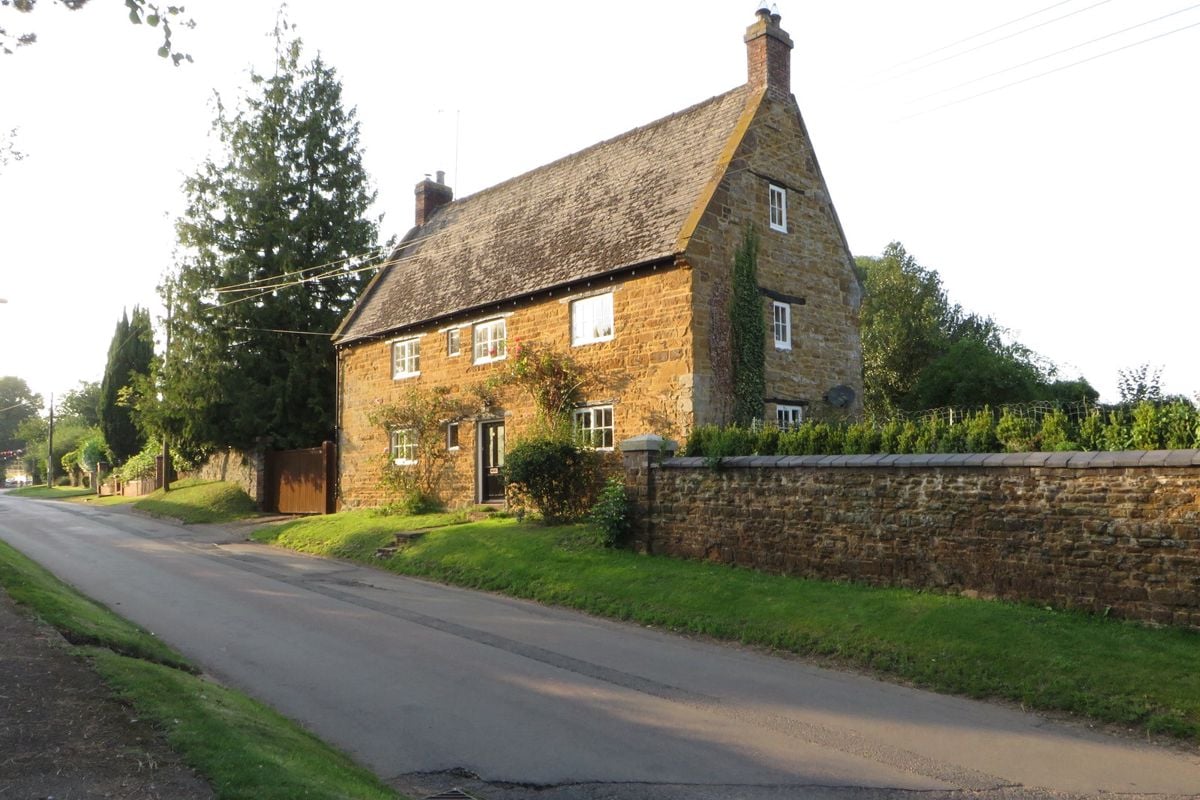
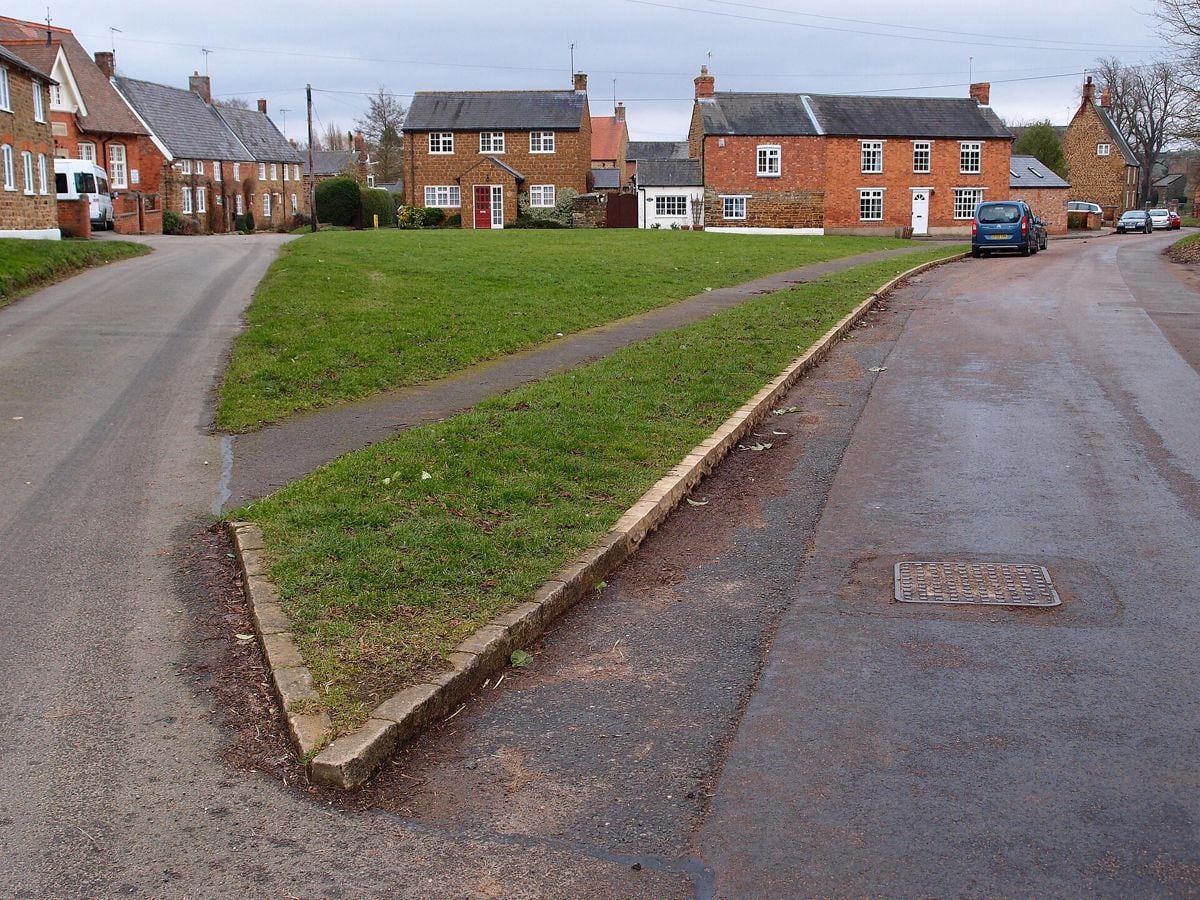
Everdon is a conservation village about 13 miles north-east of Banbury Cross in a straight line, with Little Everdon and Snorscomb in its parish, about 168 households in all by the benefice's count. A big church sits on a knoll in the middle, the pub is on the High Street, and the reason most visitors come is the wood on the hill, Everdon Stubbs.
What to see in Everdon
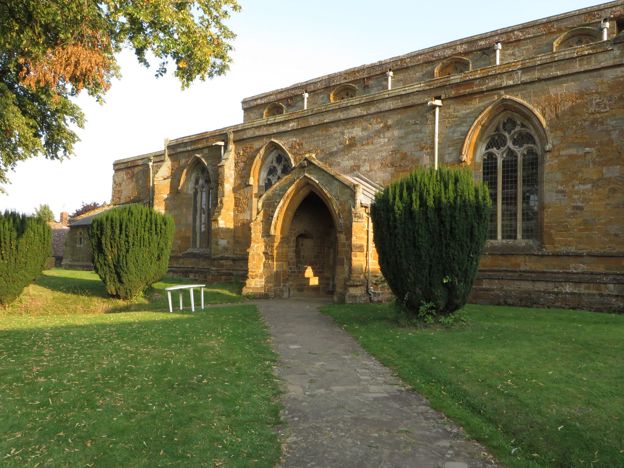
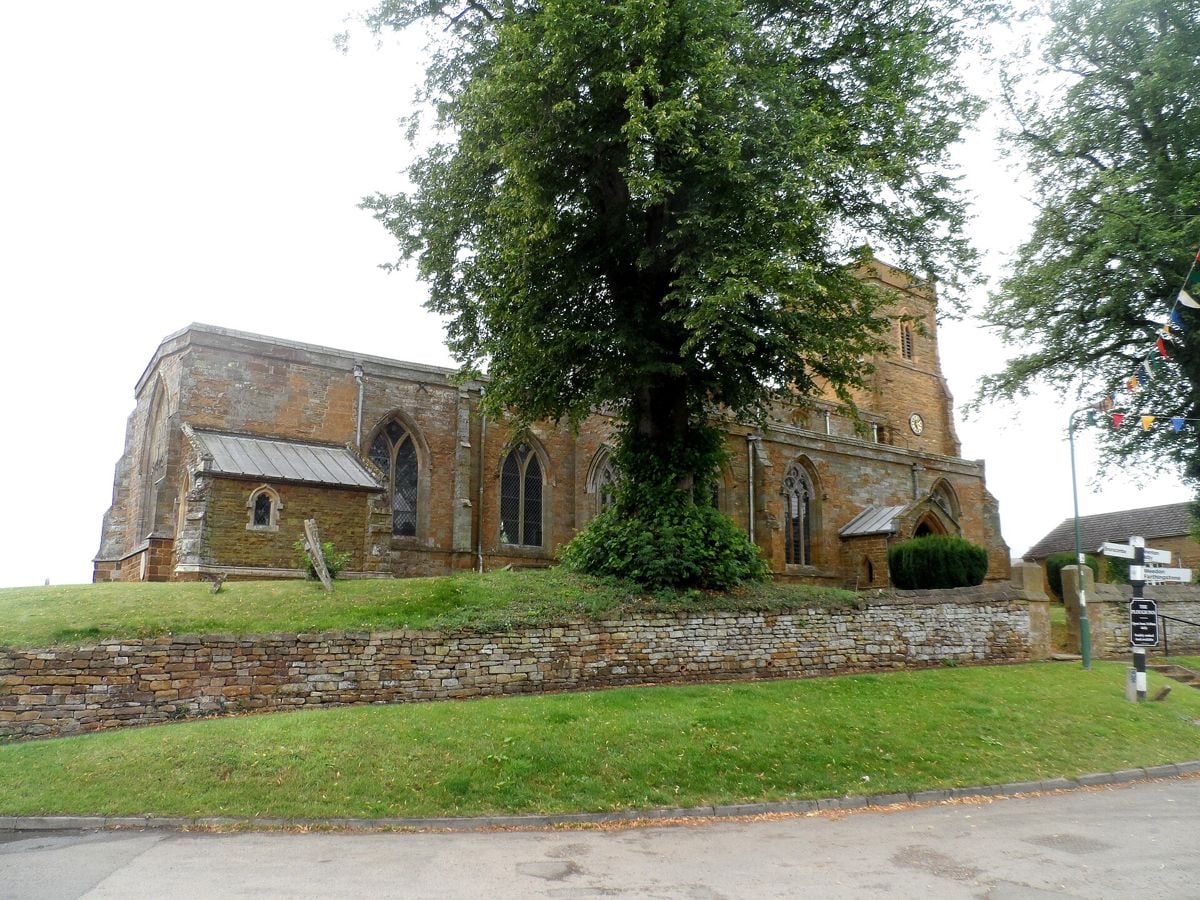
St Mary's is listed Grade I and is mainly of the early fourteenth century. The parish's history says the rebuilding began about 1330 with stone from Snorscomb and Helmdon. The county's historic environment record picks out a richly moulded south door, a sundial over it, a three-bay sedilia in the chancel and a fourteenth-century rood screen. Inside there is a thirteenth-century Purbeck marble font, a tie-beam roof of 1755, a pulpit of 1808 and a west gallery much renewed in 1892, when Bodley and Garner also gave the choir stalls and organ case.
The monument to see is the alabaster one to Thomas and Dorothy Spencer, set up in 1606. Look too for medieval fragments in the clear glass, a pelican and a deer among them. The benefice says the church is open daily in daylight and has toilets. Some say its churchyard inspired Thomas Gray's elegy. Nobody has shown it, and Stoke Poges is the churchyard usually named.
Everdon Stubbs
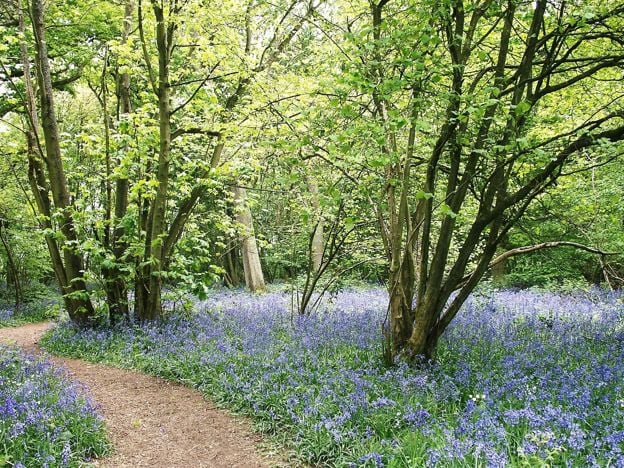
Everdon Stubbs is a hilltop wood of about 29 hectares between Everdon and Farthingstone, owned by the Woodland Trust and a Site of Special Scientific Interest. It is ancient woodland of oak, birch and sweet chestnut, long coppiced, which is probably where the name comes from. In spring it has bluebells, wood anemones and wild daffodils, and all three British woodpeckers live here. The Woodland Trust's page (opens in a new tab) has the map. Coming from the village, the small car park is on the left before the crossroads to The Stowes.
The open bracken glade on the northern edge is the site of a prehistoric or Saxon burial ground, the trust says, and the charter of 944 that set out the parish boundary names a heathen burial place near the Stubbs. On a bluebell Sunday, when Badby Woods are at their busiest, this is the quieter wood nearby, with a viewpoint on the footpath along the northern boundary.
A morning in Everdon
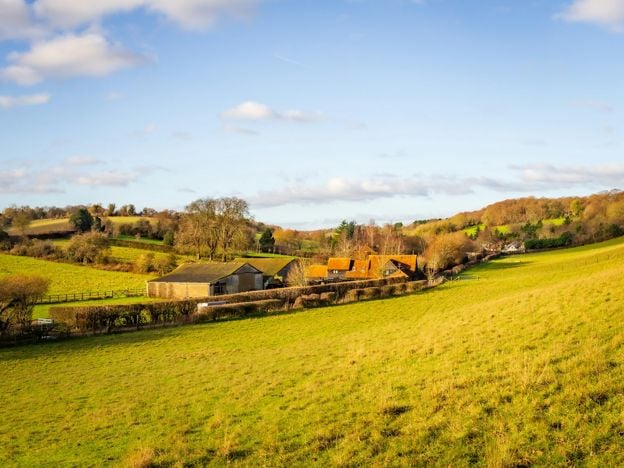
Start at the church, which takes half an hour or so, then drive or walk about a mile south to the Stubbs and give the wood an hour. With a full day, go on to Fawsley, under 2 miles west, for the Knightley tombs in its lonely church.
Food and drink in Everdon
The village pub is the Plough (opens in a new tab) on the High Street, which calls itself a modern English inn and holds an AA Rosette for 2026. When we checked in November 2026 its website gave opening from noon, Wednesday to Sunday, closed on Monday and Tuesday, and took bookings for a table through its contact page. There is no shop. In bluebell time the village hall serves teas, at the end of April and over the May bank holiday, the parish council's welcome pack says.
The Banburyshire newsletter
Events, new places and the best of the season, about once a month. Unsubscribe at any time.
When to come to Everdon
Early April for the wild daffodils, late April into May for the bluebells. The village fete has run for more than 50 years on the August bank holiday Monday, from 2pm on the village green, and the benefice puts the crowd at about 4,000, so on that day expect the lanes to fill. The 2026 fete was on 31 August; by the pattern the next falls on 30 August 2027, but the organisers had not announced it when we checked, so that date is to be confirmed. Autumn colour is good in the Stubbs.
Last verified 11 November 2026 by our editors
Things to do in Everdon
Historic houses and heritage
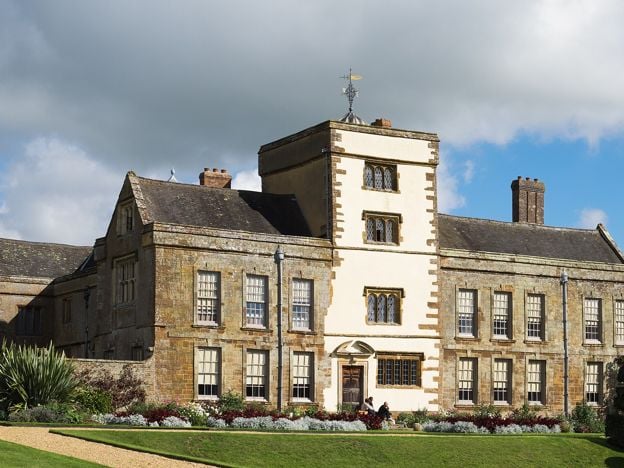
Canons Ashby
The Dryden family's Elizabethan manor house in south Northamptonshire, with painted rooms, Jacobean plasterwork and terraced gardens, beside the surviving church of a medieval priory. National Trust, north east of Banbury.
Walks in and around Everdon
-
Badby Woods and Fawsley
Walk · Starts in Badby · 1 hr, 30 mins · Circular
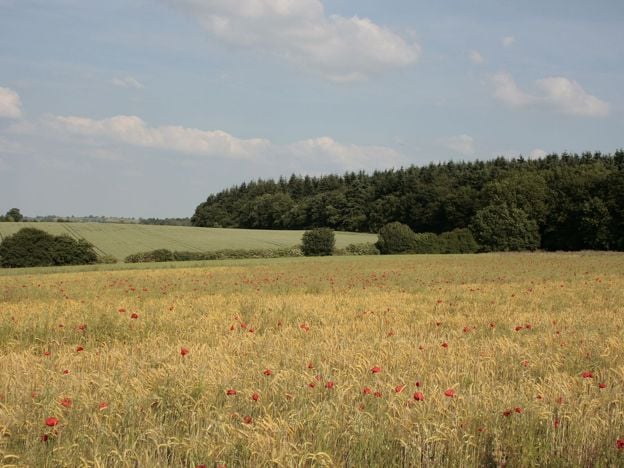
A 2.9-mile (4.7km) circular walk from Fawsley across the old deer park to the edge of Badby Woods and up to Badby church, moderate and about an hour and a half, with about 120m of climbing. It follows the county council's Southern Circular and the Knightley Way.
Sights in and around Everdon
-
St Mary's Church, Fawsley
Sight · Church · Fawsley
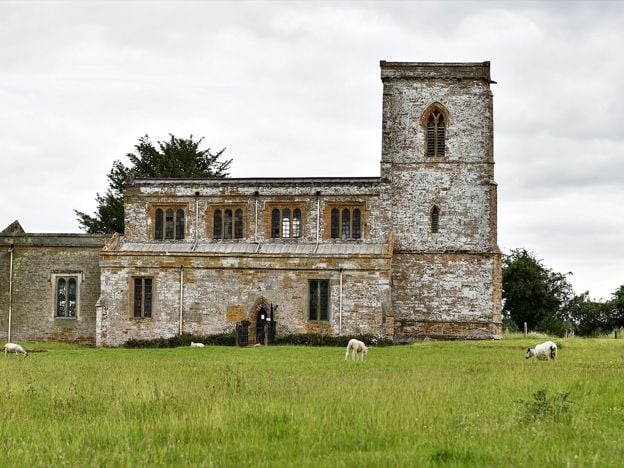
A Grade I church standing alone in Fawsley's park, its village long gone, filled with Knightley tombs, brasses and box pews, with Washington arms in a window. Open daily, says the church, across a field and a ha-ha.
-
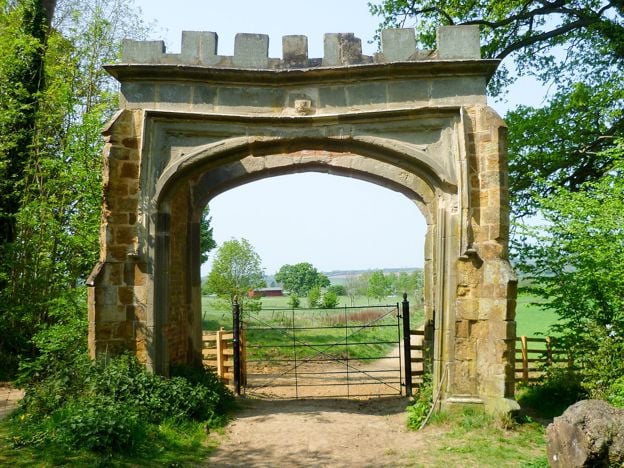
Badby Woods
Sight · Wood · Badby
An ancient bluebell wood at Badby, Northamptonshire, on the Fawsley estate: woodland for over 700 years, a deer park from 1246 and now an SSSI. Free and private, on permissive paths. Bluebells usually peak from late April into early May, and parking is for about 12 cars.
-
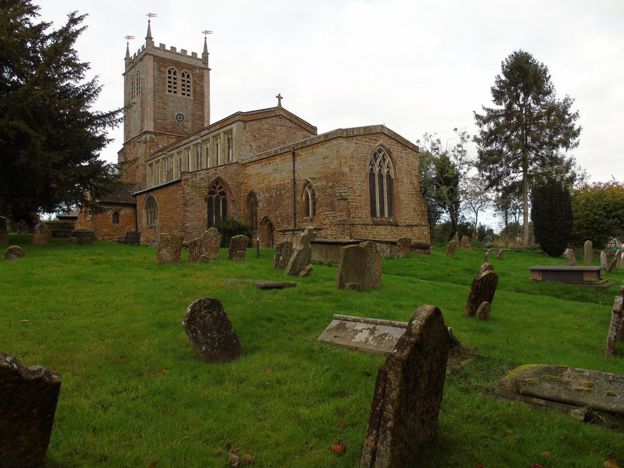
St Mary's Church, Badby
Sight · Church · Badby
Badby's Grade II* ironstone church on the hill above the greens, with a tower rebuilt after the old one fell in 1705, glass with the arms of Evesham Abbey, and the start of the Knightley Way opposite. Open every day, 10am to 4pm.
Getting to Everdon
- By car
- About 16 miles from Banbury by road, about 35 minutes, through Byfield and Badby or by Woodford Halse. The last miles are narrow lanes.
- By bus
- No scheduled buses, says the parish council's welcome pack. The Woodland Trust's nearest stop is in Everdon, with a limited service.
- By train
- No station. Long Buckby is about 9 miles off and Northampton about 13, by the Woodland Trust's figures.
- Parking
- A small car park at Everdon Stubbs takes about six to eight cars, with roadside space on the wood's southern edge. Street parking in the village.
- Access
- The church's entry lists level access to its main areas. The Woodland Trust says the paths in the Stubbs are unsurfaced and muddy after rain, with squeeze gaps from the roads and a stile and kissing gate on the right of way.
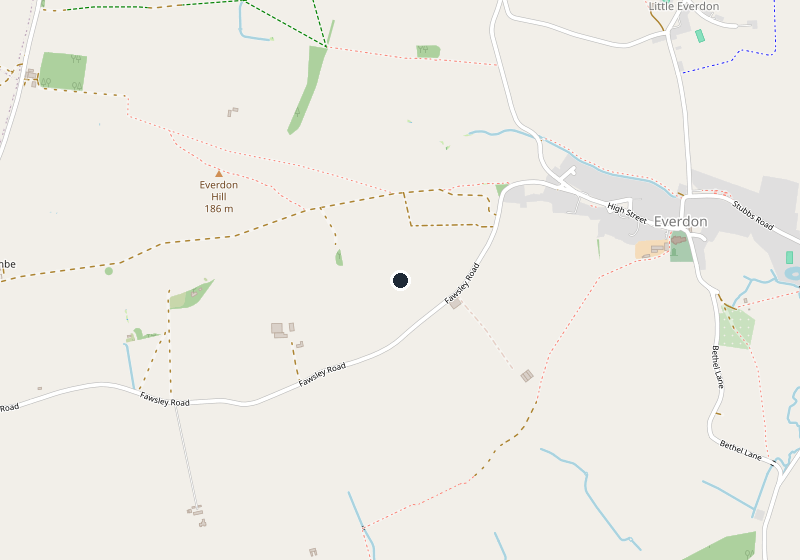
Places near Everdon
-
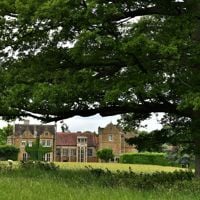 FawsleyNot a village at all, but a Tudor hall, a Capability Brown park with lakes and a Grade I church standing alone in the fields, full of Knightley tombs. Walk in from Badby, see the church, and leave the Hall to its hotel guests.
-
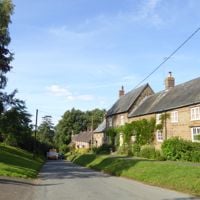 Preston CapesA small village on high ground south of Daventry, with a Norman castle mound and a medieval church. Small and with nowhere to eat, so see it on the way between Fawsley, Everdon and Canons Ashby.
-
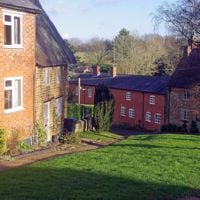 BadbyAn ironstone and thatch village about 3 miles south of Daventry, and the way in to Badby Woods. Greens, a church up a steep hill, the start of the Nene Way and the Knightley Way, and little parking. Come to walk, and on busy days leave the car north of the village.
-
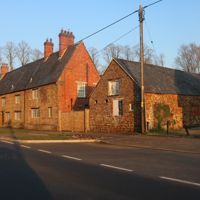 CharweltonA village on the A361 named after the River Cherwell, which rises nearby, with a fifteenth-century packhorse bridge beside the road and a Grade I church out where a medieval village was probably emptied for sheep, with brasses, an alabaster tomb and Eric Gill's lettering.