Steve Daniels, CC BY-SA 2.0, via Wikimedia Commons
Deddington Castle
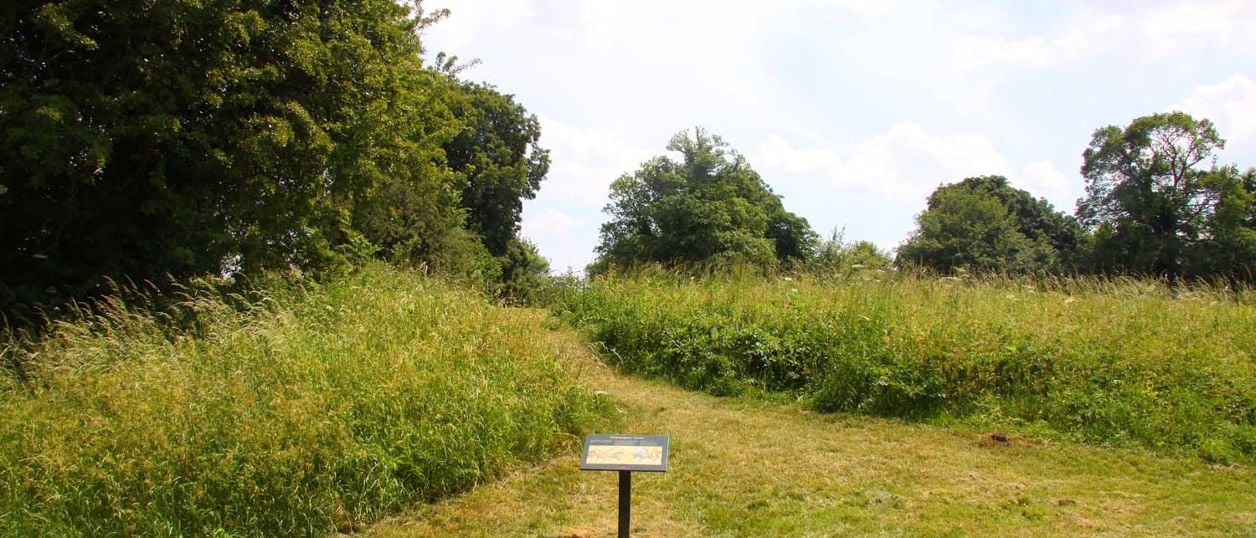
Grassy ramparts up to 15m high are what is left of Deddington's Norman castle, which belonged to William the Conqueror's half-brother. Now the village park and sports field, free in daylight, with English Heritage caring for the inner bailey. Earthworks only.
Castle or ruin
DeddingtonDeddington Castle is a set of huge grassy earthworks in Deddington. It began as an eleventh-century motte and bailey linked to Odo of Bayeux, half-brother of William the Conqueror, and its ramparts still rise up to 15m. There are no walls to see, and it is free. Come for the scale of the banks and a walk round them.
The story of Deddington Castle
The castle was important for little more than two centuries, and for most of the time since it has been a quarry and then a field. English Heritage records Saxon buildings beneath it and Odo holding the site at the Domesday survey. The Victoria County History is more careful about the builder: the castle existed before 1100 and may have been ordered by Odo, whose most valuable Oxfordshire manor this was.
A bank and ditch enclosed the bailey, and a motte went up on its eastern edge. Around 1160 a stone building replaced a timber one. By the end of the twelfth century the motte had been levelled and a stone curtain wall with towers and a gatehouse put up, perhaps by William de Chesney. Inside were a hall, kitchens, a solar, stables, a well and a chapel, which the excavators traced from the foundations.
It did not last. By 1277 the record calls it an old demolished castle. In 1310 it was a weak castle containing a chamber and a dovecot. From the end of the thirteenth century it was quarried for building stone, and in 1377 the canons of Bicester were buying dressed stone from its walls. Excavation found no repairs after the thirteenth century.
The Gaveston question
The castle's one famous prisoner may never have been inside it. Piers Gaveston, Edward II's favourite, reached Deddington as a captive in June 1312, and the Earl of Warwick seized him there and took him to his death on Blacklow Hill. Historic England's entry says the castle was used to hold him. The Victoria County History says plainly that he was lodged in the rectory house, and Deddington's own history group agrees, naming it as what is now Castle House. Charles I also slept in the parsonage in 1644, after Cropredy Bridge, and not in the castle, which was long gone.
From ruin to sports field
The site was pasture and timber in the seventeenth and eighteenth centuries. From the mid nineteenth century the natural amphitheatre of the bailey drew people to play there, with a thatched pavilion for a gentry club's balls, and a professional in the lodge supervising cricket and archery. The Ecclesiastical Commissioners later sold it to the parish council, and it remains a park and sports field. The parish council owns the outer bailey, and English Heritage looks after the inner bailey.
What to look for
Look at the height of the banks first: they are the reason to come. The eastern corner is where the motte stood. Excavations in the 1940s and 1950s and again in the late 1970s uncovered foundations, but they are back below ground, so a visitor sees only the humps. A second bailey runs down the slope towards the stream, mostly visible from the air.
Visiting Deddington Castle
English Heritage says it is open at any reasonable time in daylight, free, with dogs welcome on leads. The ground is uneven and sloping, so wear decent shoes in wet weather. It does not allow smoking, barbecues or naked flames. If you want standing medieval walls, this is not your castle, but Broughton Castle is a short drive away.
Getting there
The entrance is on Castle Street, close to the junction with Hopcraft Lane, between two pillars. English Heritage lists no car park, so park in the village with care.
Nearby
The natural follow-on is The Unicorn Inn, in the village. St Mary's Church in Adderbury is the next stop north, and the Edgehill battlefield tells the next chapter of the area's wars.
Walks past Deddington Castle
-
North Aston, the Causeway and Somerton Mill
Walk · Starts in Steeple Aston · 3 hrs · Circular
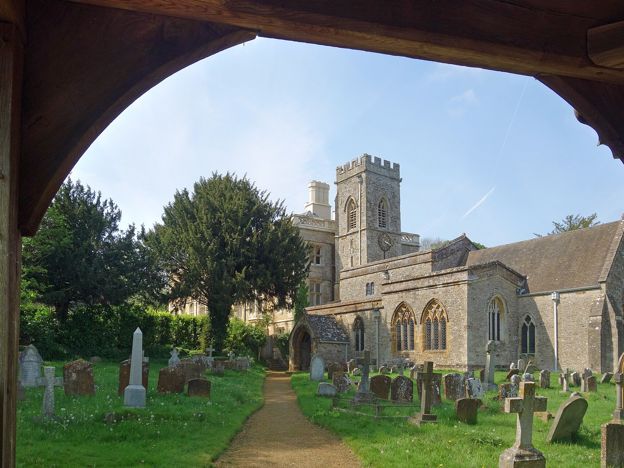
A 5.2-mile (8.4km) moderate circular walk from North Aston Green, about three hours. It crosses the Cherwell meadows on an old causeway by Somerton Mill, follows the Oxford Canal north and climbs home past Bestmoor and North Aston church. It floods after rain.
Stay and eat near Deddington Castle
-
The Unicorn Inn, Deddington
Pubs · Deddington
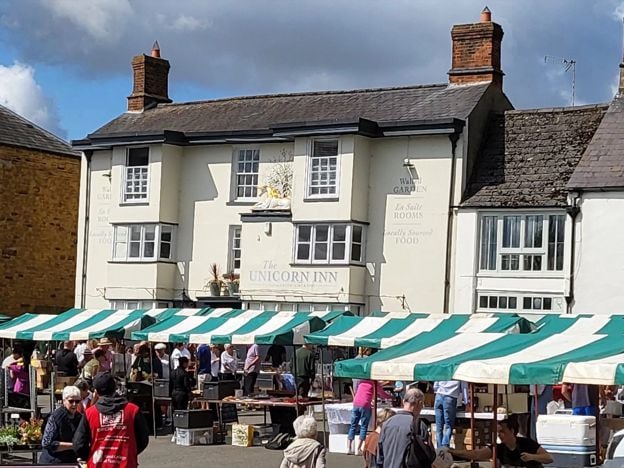
A Grade II listed inn of the mid 17th century on Deddington Market Place, with open fires, a garden behind, British classics and seven rooms, four of which take dogs.
Dog-friendly · Family-friendly
Verified Nov 2026
-
Quince and Clover On The Square, Deddington
Cafes and tearooms · Deddington
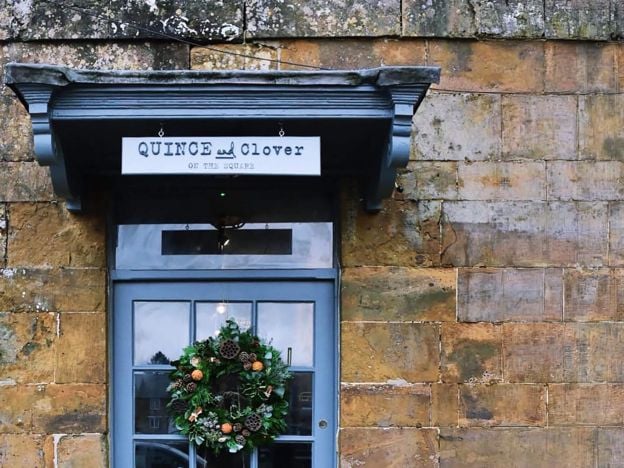
A small artisan café on the market square in Deddington, open seven days from 8am on weekdays, for açai bowls, grilled ciabatta, soups, fish stew and homemade cakes, mostly to take away, with a terrace.
Verified Nov 2026
-
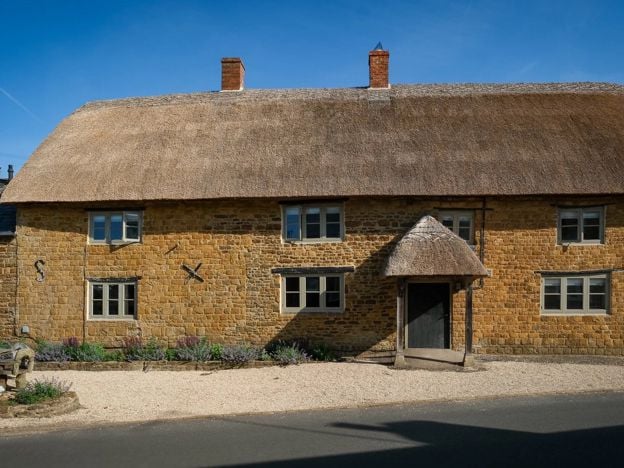
The Duke of Cumberland's Head, Clifton
Restaurants
A thatched, marlstone village pub at Clifton near Deddington, reopened under a new owner with a head chef from The Five Fields and Core, a menu that changes daily and three rooms.
Verified Nov 2026
Stories about Deddington Castle
-
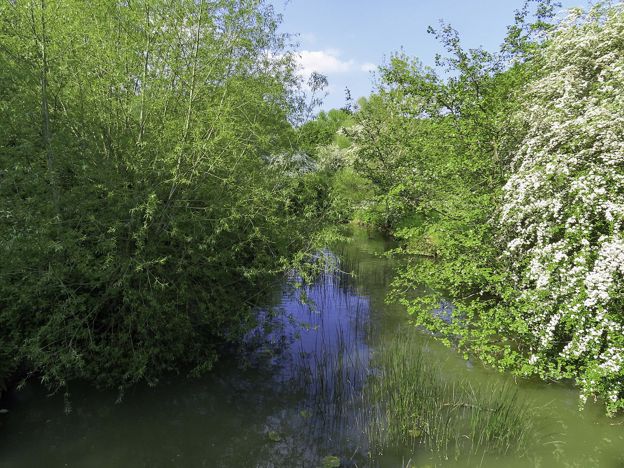
Free things to do near Banbury
Story · Guides · 8 minute read
Free things to do in and near Banbury: the Cross and the Fine Lady, the free museum, People's Park and Spiceball, the canal towpath, Deddington's castle banks, Swalcliffe Barn on summer Sundays, Radway's battle exhibition and the town's free events.
-
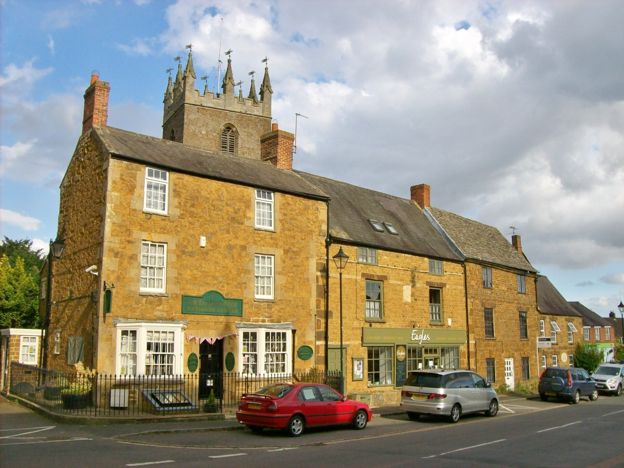
Villages near Banbury: the prettiest, and the best to live in
Story · Guides · 14 minute read
The villages near Banbury, group by group: ironstone, canal, the Edge, the Cherwell valley, the North Oxfordshire Cotswolds and South Northamptonshire. The prettiest are Great Tew and Wroxton. The best to live in are bigger, and they are not the same villages.
More sights to see
-
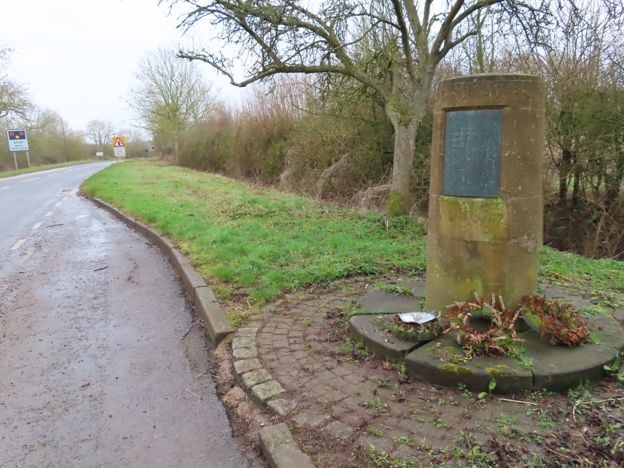
Edgehill battlefield
Sight · Monument · Edgehill and Radway
The first pitched battle of the English Civil War was fought below Edge Hill on 23 October 1642. Most of the field is now closed Ministry of Defence land, so you see it from the ridge and from a roadside memorial stone. Registered by Historic England.
-
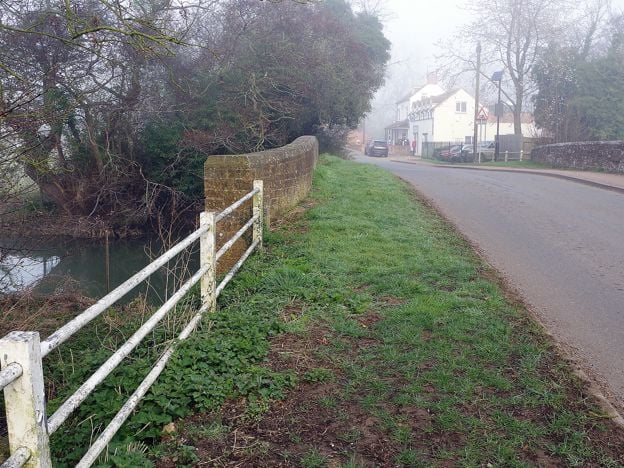
Cropredy Bridge
Sight · Bridge · Cropredy
The bridge over the River Cherwell at Cropredy, north of Banbury, where a royalist army beat Sir William Waller on 29 June 1644. This is a 1937 rebuild faced in old Hornton stone, with an inscription on its south side. Free to see at any time.
-
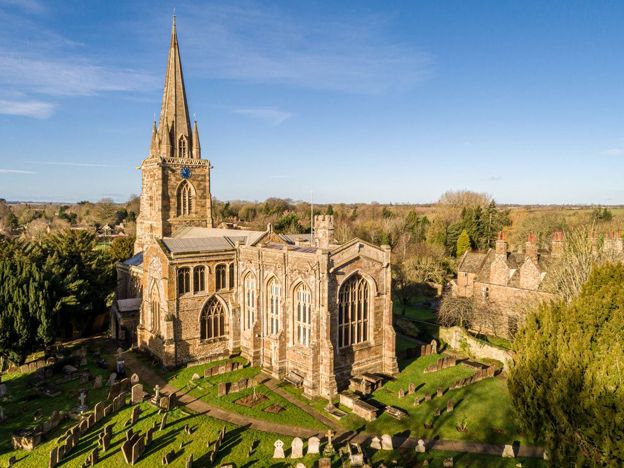
St Mary's Church, Adderbury
Sight · Church · Adderbury
Adderbury's Grade I church, with a stone spire, a frieze of medieval musicians and grotesques round its aisles, and a chancel built by Richard Winchcombe for New College, Oxford. Open daily and free to look round.