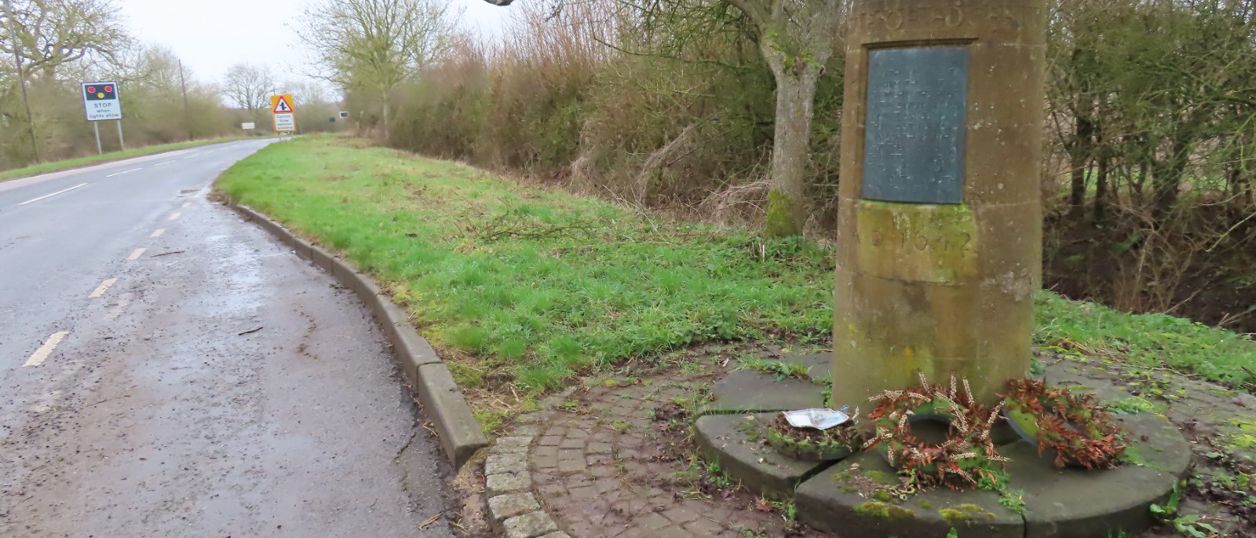
Philip Halling, CC BY-SA 2.0, via Wikimedia Commons
Edgehill battlefield
The first pitched battle of the English Civil War was fought below Edge Hill on 23 October 1642. Most of the field is now closed Ministry of Defence land, so you see it from the ridge and from a roadside memorial stone. Registered by Historic England.
Monument
Edgehill and RadwayThe Battle of Edgehill was fought on Sunday 23 October 1642 in the open fields between Radway and Kineton, below the ridge at Edgehill in Warwickshire. It was the first pitched battle of the English Civil War. Historic England registers the site, but most of it is closed Ministry of Defence land, so a visit means looking and reading rather than walking the field.
The story of the battle
The two armies were close in size, and the day settled nothing. The Battlefields Trust gives about 13,000 Royalists under Charles I and about 12,000 Parliamentarians under the Earl of Essex. Warwickshire's historic environment record gives the Royalists about 14,000, and neither number is certain. The Royalists held the ridge and came down from it. The fighting began at around 2pm or 3pm and went on until nightfall, with sunset at about 4.30pm.
The Trust counts about 1,000 dead and 2,000 to 3,000 wounded. Essex fell back north towards Warwick and Coventry, and the road to London lay open to the King.
Who won
People still argue about the result. The Battlefields Trust calls it indecisive with a Royalist advantage, and Warwickshire's record says it is often described as a draw but was in truth a Royalist victory. The King took Oxford, which became his headquarters, but did not press on to London with any speed. Our story of the Civil War in Banburyshire follows the campaign, including the taking of Broughton Castle three days after the battle.
The ghosts
The tales of a phantom battle in the sky over Edgehill are legend. They have their own telling in our story of the haunted battlefield.
What you can see
The land looks like farmland, but much of what lay under it has gone. A major military depot was built across the field in the 1940s, and the Battlefields Trust says its rail lines and silos, and their later removal, damaged the archaeology and changed the shape of the ground in places. A survey still found evidence: Warwickshire's record notes 52 musket balls and a cannonball from a metal detector survey. Historic England first registered the battlefield in June 1995, and the Battlefields Trust's survey report calls Edgehill the largest site on the English battlefields register.
The memorial stone stands on the B4086 near Kineton. Its inscription says the battle was fought between that spot and Radway, and that many of the dead are buried about three quarters of a mile south of the stone.
Visiting the battlefield
The Battlefields Trust is clear that most of the field remains closed, and that this makes the ground hard to read. Historic England's entry says access by public footpath is limited. The Trust adds that the rights of way across the field were closed in the 1940s for the depot, so access is almost entirely by public road, and that the B4086, the only road across the field, is fast and not one to walk along. The footpaths from Edgehill down to Radway are good, if steep in places. The Trust publishes a leaflet for a trail linking Edgehill with the battlefields at Cropredy and Edgcote, but as of November 2021 it was looking into problems on the trail around the Kineton depot. Check with the Trust's Mercia group (mercia@battlefieldstrust.com) before relying on it. Keep to public rights of way and out of any fenced land.
The ridge above is the best way to understand the ground, because it is where the Royalists stood. On a clear day the whole plain is in front of you.
Getting there
By car, the memorial stone is on the B4086 at Kineton, CV35 0JP. The ridge at Edgehill is a short drive south east, on the way back to Banbury. There is no visitor centre on the field. The Battlefields Trust points instead to a small exhibition on the battle in Radway church, opened in October 2015, and to the panels it put up in 2006 in the Castle Inn's beer garden at Edgehill and in Kineton churchyard. We found no current hours for the exhibition, so check with the parish first.
Nearby
Upton House is on the ridge, and Burton Dassett Hills give another long view over the same plain. Cropredy Bridge is the next battle in the same war, two years on. Our guide to Edgehill covers the village, and The Bell Inn at Shenington is a listed pub within a short drive.
Walks past Edgehill battlefield
-
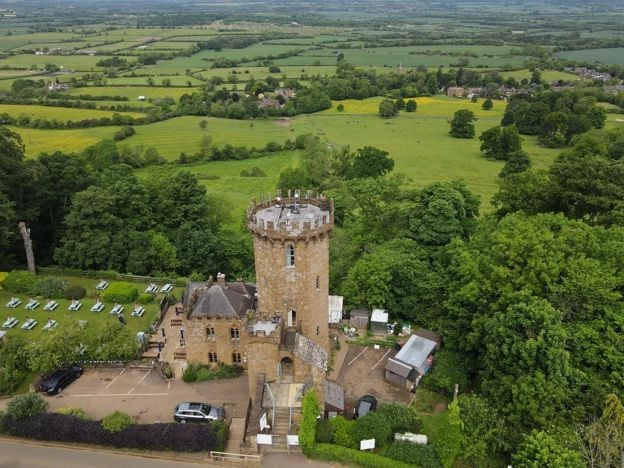
Edgehill Circular
Walk · Starts in Edgehill and Radway · 2 hrs, 30 mins · Circular
The Edgehill Circular is a 5.4-mile (8.6km) moderate circular walk from the Upton House car park, about two and a half hours with 220m of climbing. It follows the Edge Hill ridge to the Castle pub, returns through Ratley, and has six stiles and 500m on the A422.
Stay and eat near Edgehill battlefield
-
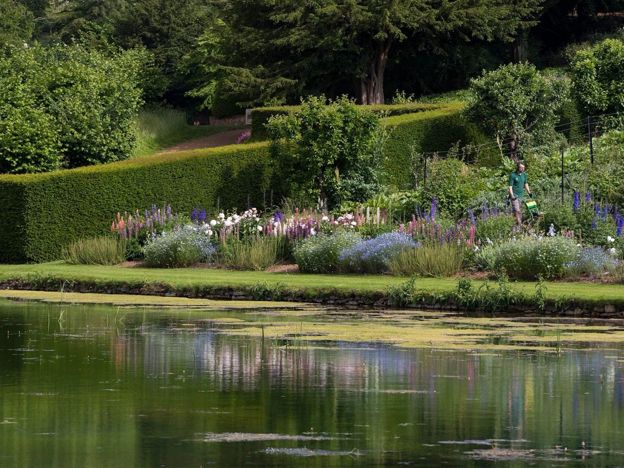
Upton House and Gardens
Historic houses and heritage
A National Trust house on the Edge Hill ridge, remodelled in the 1920s for the oil magnate Lord Bearsted to show his paintings by Bosch, El Greco, Stubbs and Hogarth, above terraced gardens that drop 30m to a Mirror Pool.
Family-friendly · Dog-friendly · Rainy days
Verified Nov 2026
-
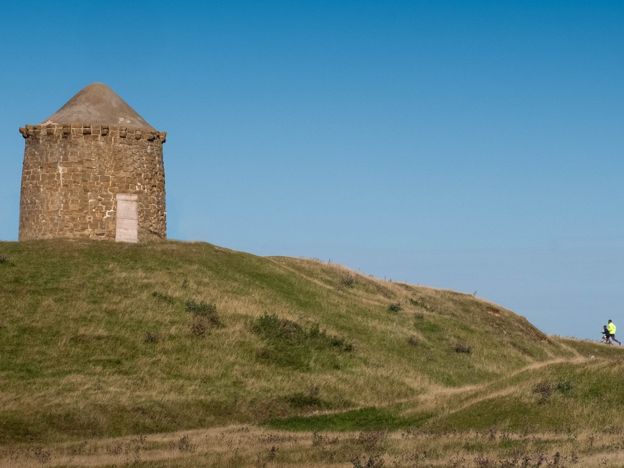
Burton Dassett Hills Country Park
Parks and gardens · Burton Dassett
A hundred acres of open hilltop in south Warwickshire with wide views, old quarry workings and a beacon, plus the medieval church of All Saints. A country park since 1971. Car parking £3.50 a day.
Dog-friendly · Family-friendly · Walker-friendly
Verified Nov 2026
-
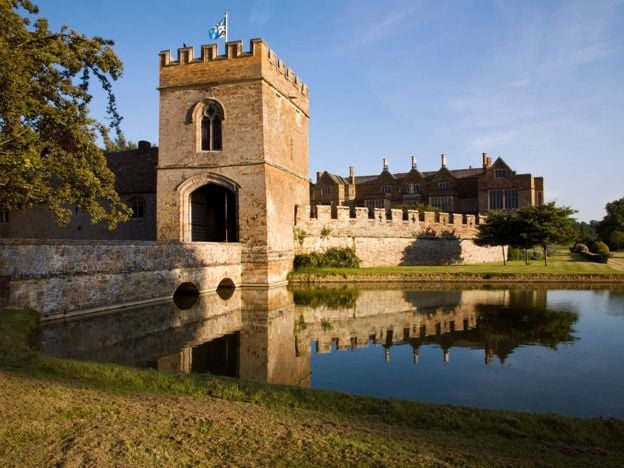
Broughton Castle
Historic houses and heritage · Broughton
A moated medieval manor house near Banbury, turned into an Elizabethan mansion by the Fiennes family, tied to the opposition to Charles I and seen in Shakespeare in Love and Wolf Hall. Open on Wednesday and Sunday afternoons, April to September.
Dog-friendly · Walker-friendly
Verified Nov 2026
Stories about Edgehill battlefield
-
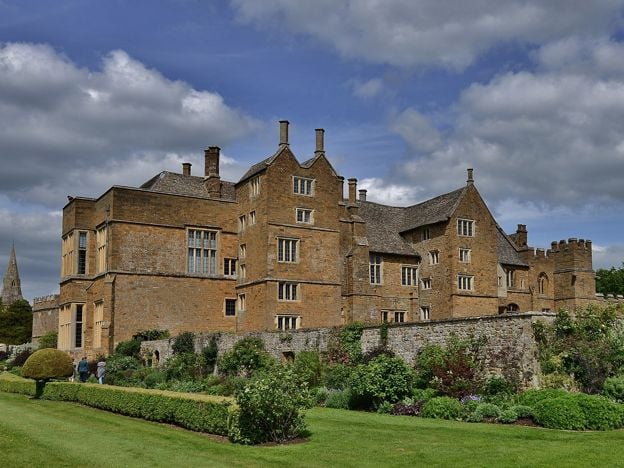
Castles and historic houses near Banbury: which to pick
Story · Guides · 12 minute read
Broughton Castle, Upton House, Sulgrave Manor, Canons Ashby, Farnborough Hall, Compton Verney, Chastleton, Stowe and Charlecote Park: which suits whom, which days combine them, what opens in winter, and which to skip.
-
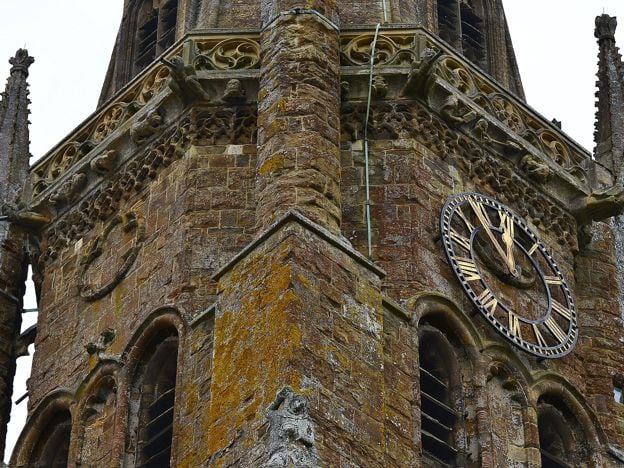
Churches near Banbury worth seeing
Story · Guides · 9 minute read
The churches near Banbury worth a detour: the three spires of Bloxham, Adderbury and Kings Sutton, Burton Dassett on its hill, Hook Norton's carved font, Broughton's wall paintings, Cropredy's doom, the Washington pew at Sulgrave, and St Mary's in Banbury.
-
Free things to do near Banbury
Story · Guides · 8 minute read
Free things to do in and near Banbury: the Cross and the Fine Lady, the free museum, People's Park and Spiceball, the canal towpath, Deddington's castle banks, Swalcliffe Barn on summer Sundays, Radway's battle exhibition and the town's free events.
More sights to see
-
Cropredy Bridge
Sight · Bridge · Cropredy
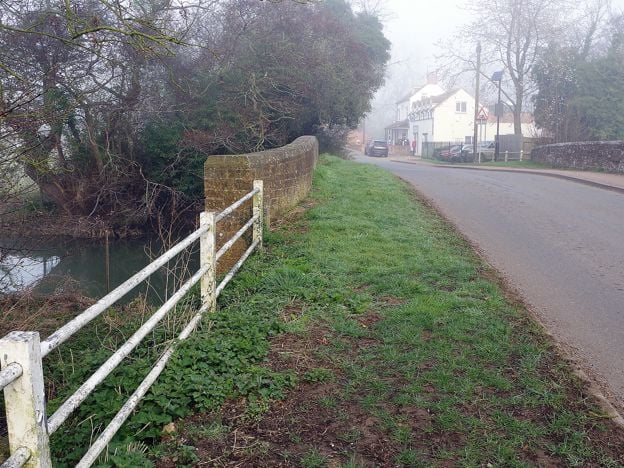
The bridge over the River Cherwell at Cropredy, north of Banbury, where a royalist army beat Sir William Waller on 29 June 1644. This is a 1937 rebuild faced in old Hornton stone, with an inscription on its south side. Free to see at any time.
-
Deddington Castle
Sight · Castle or ruin · Deddington
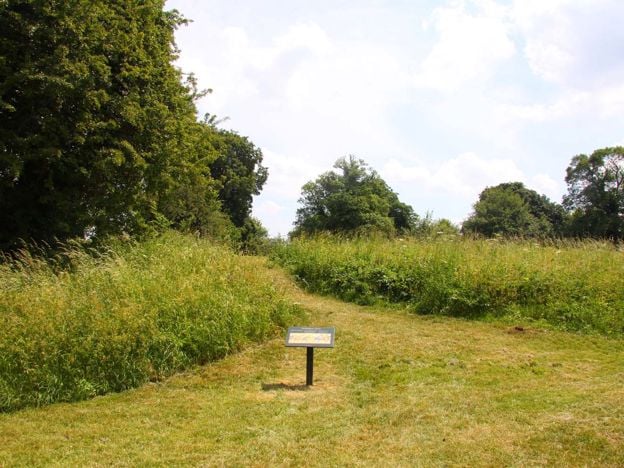
Grassy ramparts up to 15m high are what is left of Deddington's Norman castle, which belonged to William the Conqueror's half-brother. Now the village park and sports field, free in daylight, with English Heritage caring for the inner bailey. Earthworks only.
-
Banbury Cross
Sight · Monument · Banbury
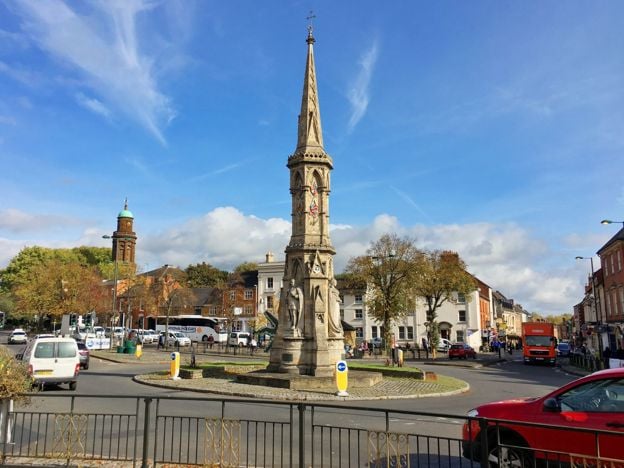
The cross of the nursery rhyme stands at the top of Banbury High Street, but it is a Victorian monument of 1858 to 1859, put up about 250 years after the town's medieval crosses were pulled down. Grade II*, free and seen from the street at any time.