Wroxton
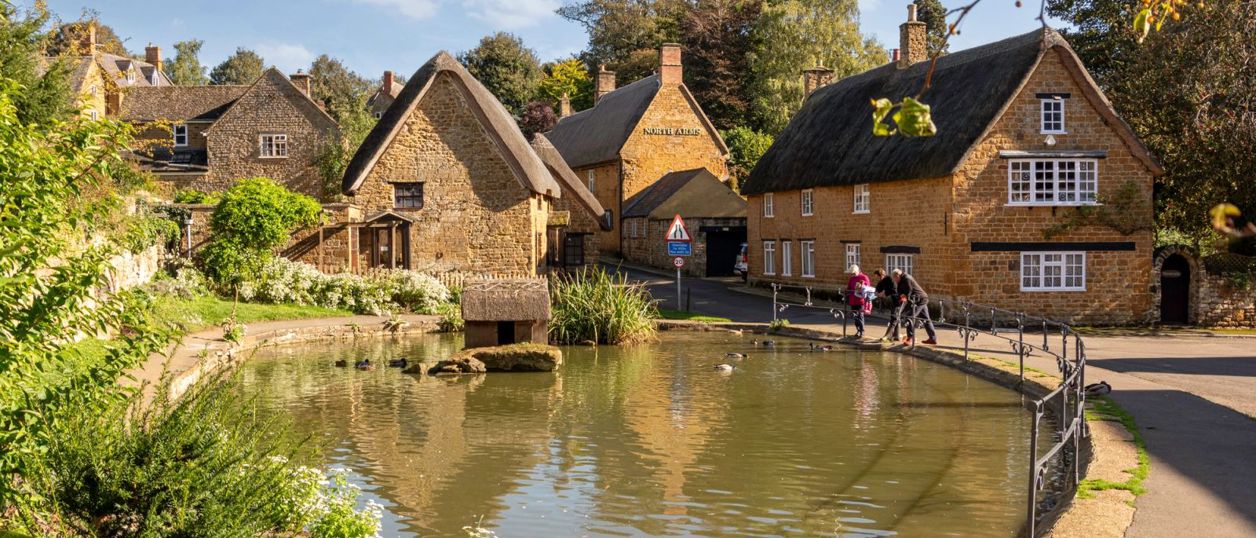
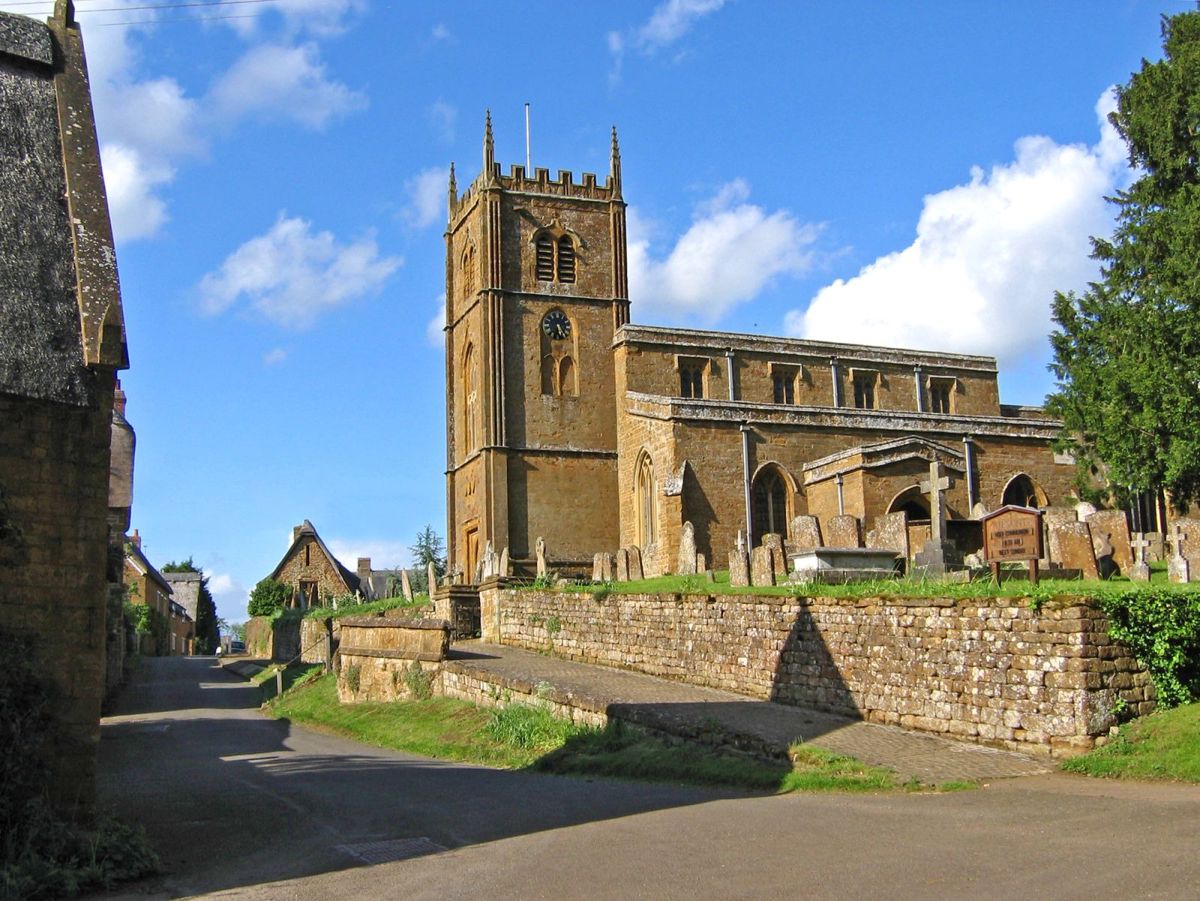
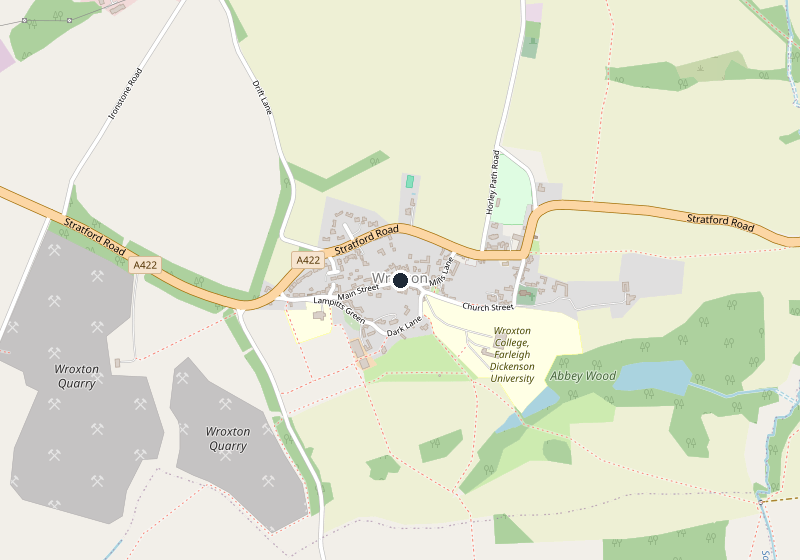
A thatched ironstone village 3 miles west of Banbury, with a duck pond and a church tower by Sanderson Miller. Both its pubs have shut, and the Jacobean Abbey is closed to visitors, so bring a plan for lunch.
- Nearest station
- Banbury, 3 miles, then the Stagecoach 76 or 76A bus, or a taxi
- Parking
- We found no public car park. The Wroxton hotel has parking for customers. Park with care in the village
About Wroxton
Wroxton is a thatched ironstone village on the A422, 3 miles west-north-west of Banbury. Its street drops from the main road past the church to a duck pond, and Wroxton Abbey lies to the south-east. Be clear about what it is not: the Abbey is closed to visitors, and both village pubs have shut, so this is a walk and a look rather than a day out.
The pond, the cottages and All Saints
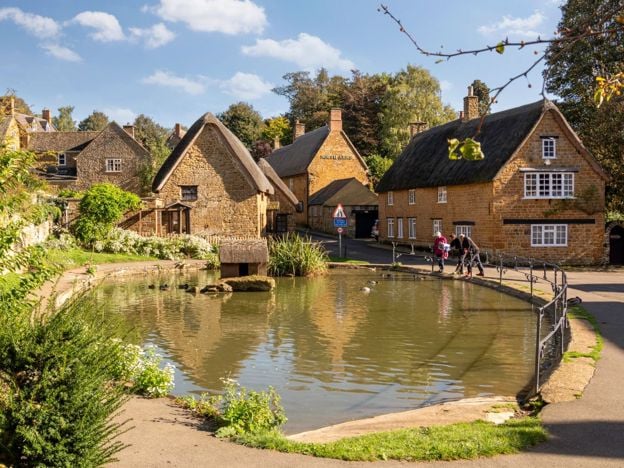
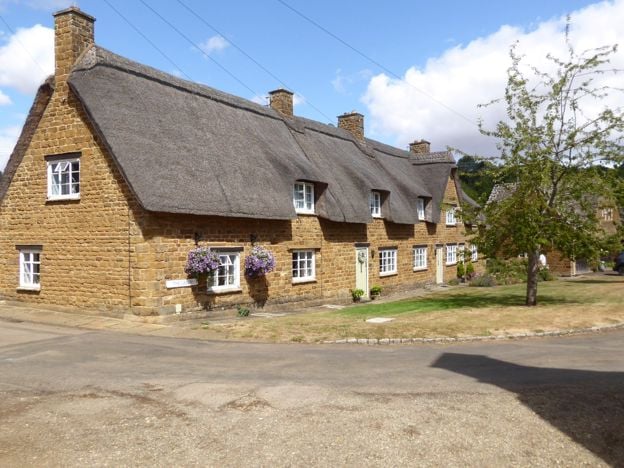
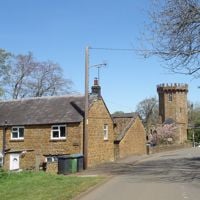
Walk down the street from the A422 and you pass most of what the village has. The cottages are two-storey coursed ironstone, mostly of the early seventeenth or eighteenth century, and many are thatched. The pond sits below the church, with the old school close by and a sundial dated 1752.
All Saints, Grade II*, stands high above the road. The fabric is fourteenth century, with a fifteenth-century chancel screen. Sanderson Miller designed the tower in 1748, though the octagonal stone top blew down soon after it was finished. Inside lie the huge canopied tomb of Sir William Pope, who died in 1631, and John Flaxman's wall slab to Frederick, Lord North, Prime Minister from 1770 to 1782. We could not find published opening hours. The village also has a thatched Roman Catholic church.
Wroxton Abbey
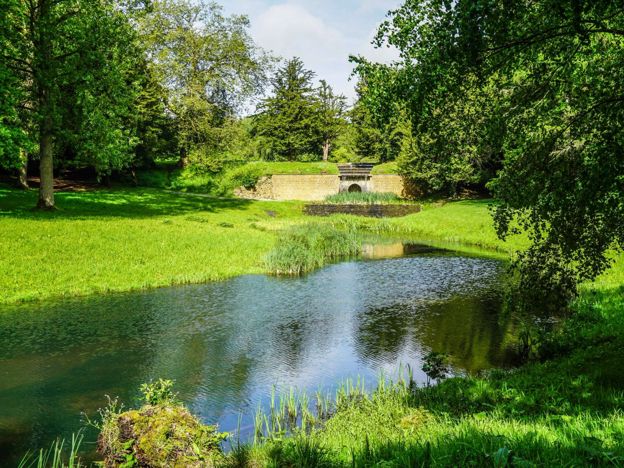
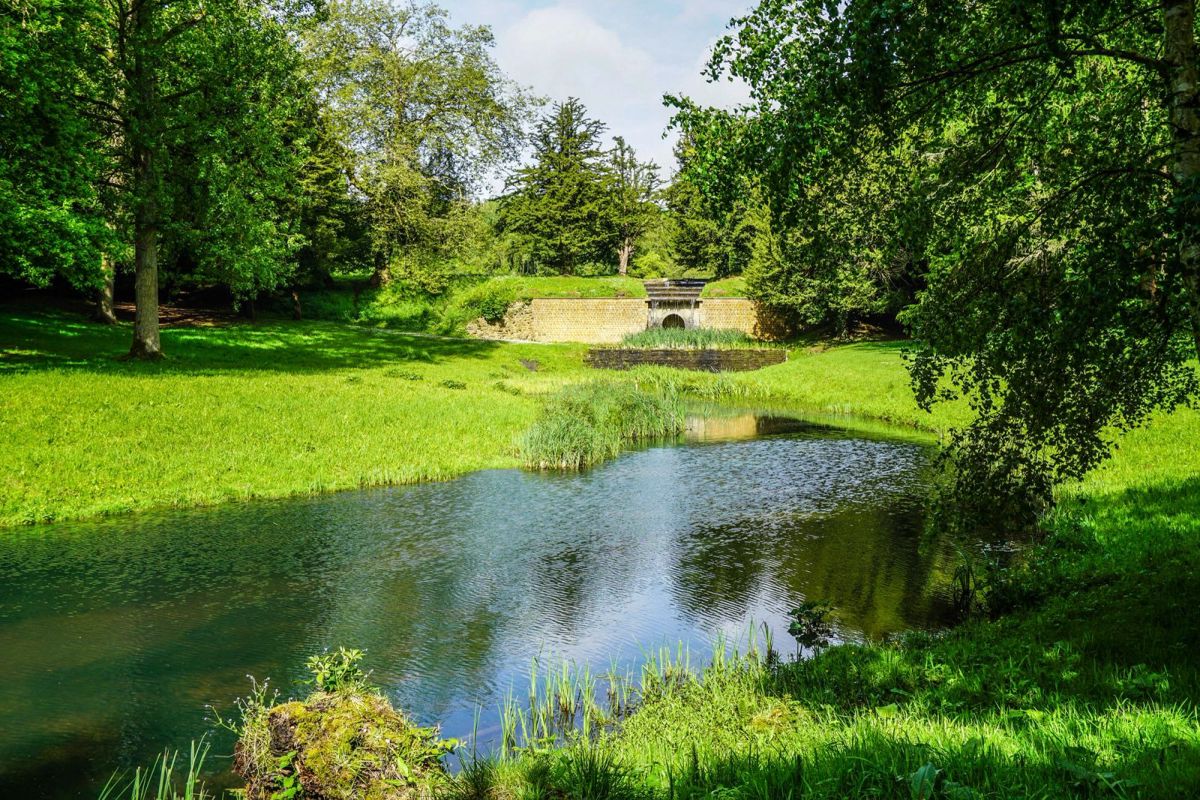
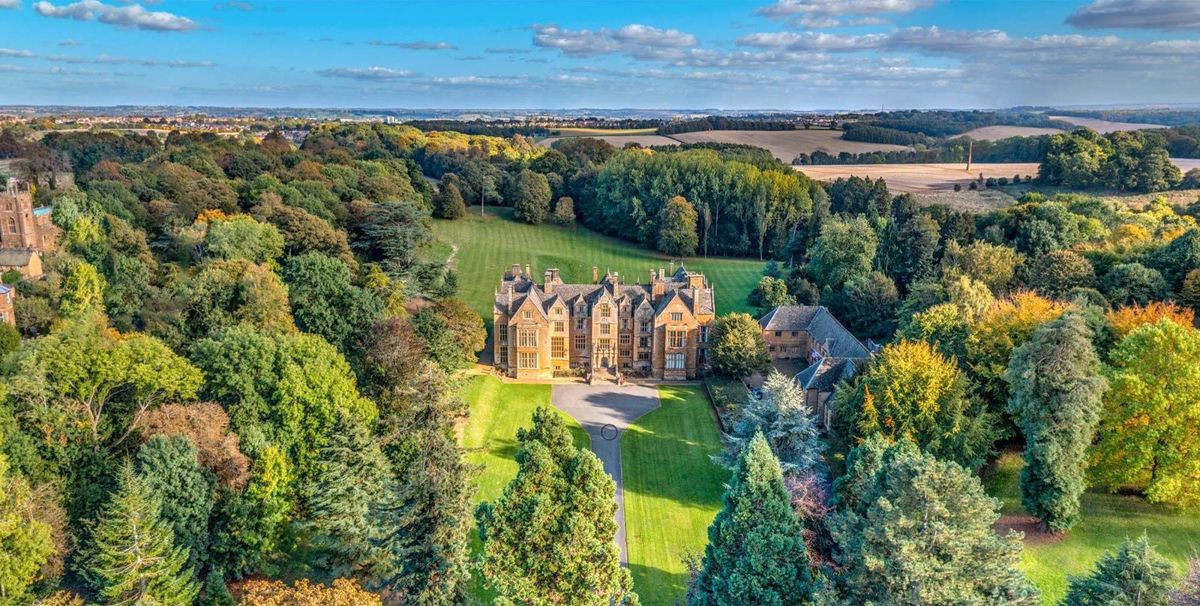
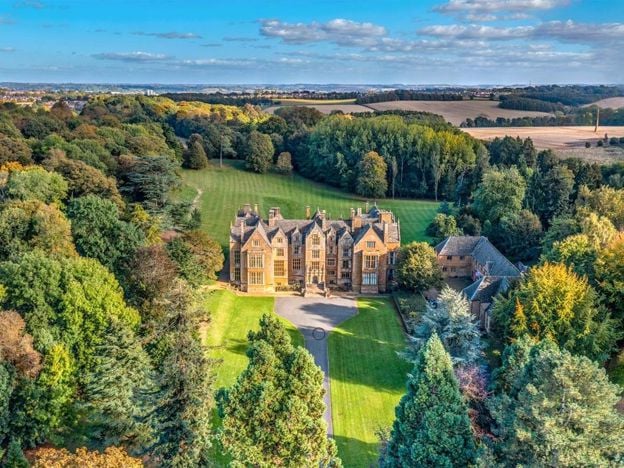
Wroxton Abbey has its own page. The Abbey is a Jacobean house that became a college for American students in 1965, run since May 2026 by an independent charity set up by its alumni, and it is not open to visitors. Francis North laid out its parkland in the 1730s and 1740s, with a lake, a cascade and a serpentine river. A public footpath crosses the grounds; our page on the Abbey sets out what is known about access now.
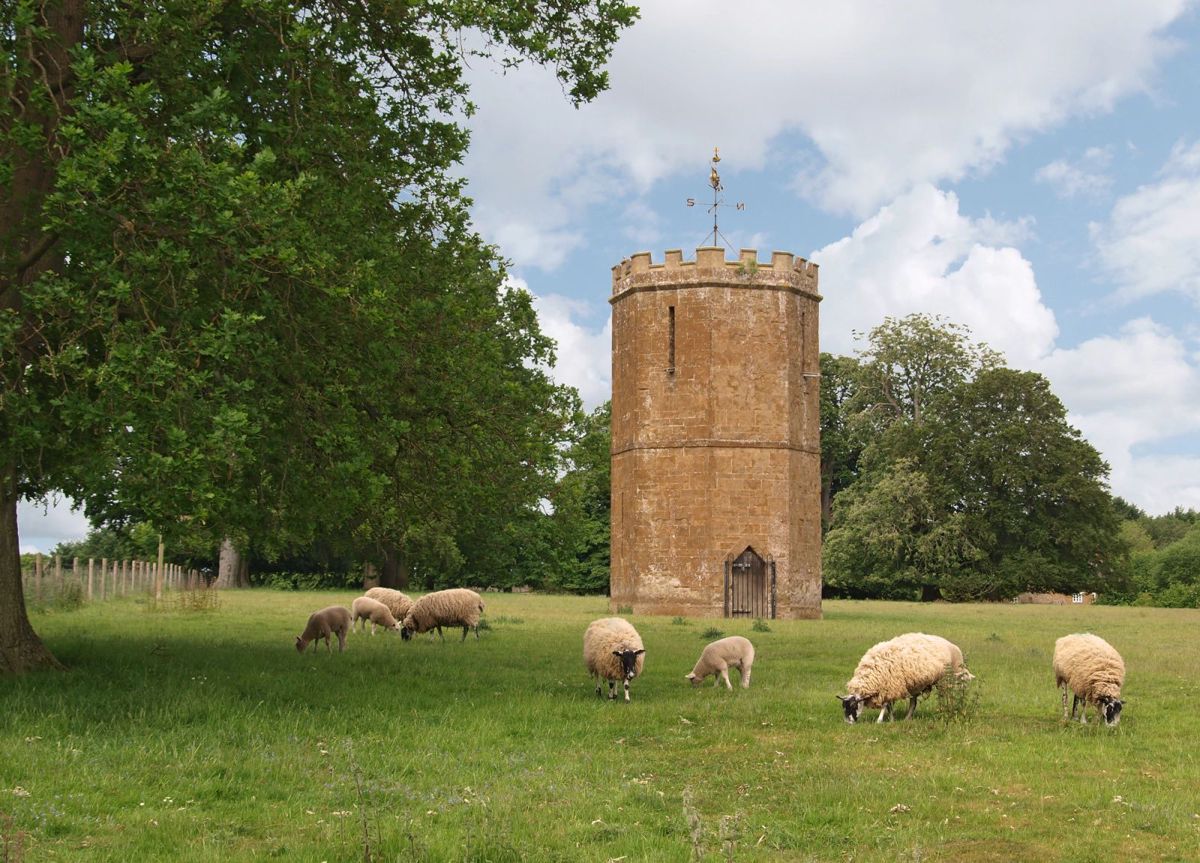
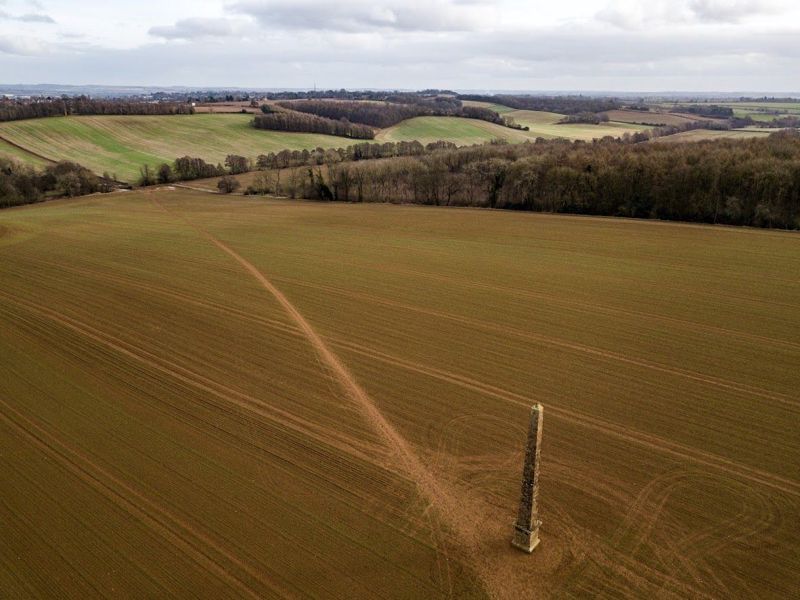
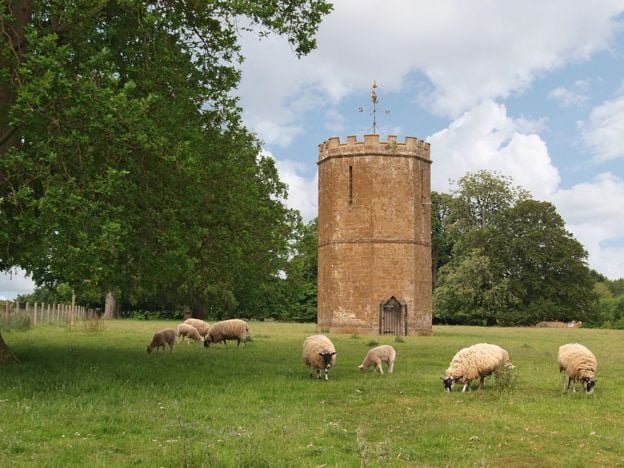
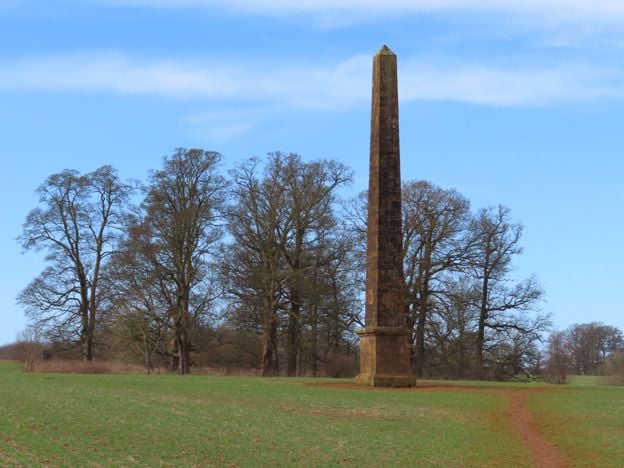
Three landmarks belong to the same landscape. The dovecote, Grade II*, is an ironstone tower with a battlemented top, about 200m south-west of the college building. The obelisk, also Grade II* and about 400m to the south-east, marks the Prince of Wales's visit for the Banbury Races of 1739. Sanderson Miller's rotunda of 1750 has gone, along with the Chinese summer-house. Our page on Drayton Arch covers the arch on the Drayton side. The stone of all of it is the subject of our story on ironstone and Hornton stone.
A morning in Wroxton
Come on the bus or park considerately, and walk down the street to the church and the pond. Finish with lunch, which needs planning, or drive on to Upton House, about 4 miles north-west up the A422, for the afternoon.
Walks from Wroxton
We could not find a council or parish leaflet for a walk from the village, so we suggest no route here. The neighbouring villages of North Newington and Broughton are close, and an OS map is the safe way to plan a route between them. The park at Broughton Castle, about 2 miles away, is open to walkers with dogs on leads on most days of the year.
Food and drink
There is no village pub. The White Horse last served food in early 2018, and in August 2025 Banbury FM reported plans by its new owner to reopen it with a shop and café, paid for partly by a holiday let and two new cottages. When we checked in November 2026 the planning application was still undecided, and we have seen no report that it has reopened. The North Arms closed for good and is now a house.
That leaves The Wroxton, a hotel whose restaurant is open to non-residents. Otherwise go a mile or two: the Roebuck at Drayton is on the way back to Banbury, though ring ahead.
The Banburyshire newsletter
Events, new places and the best of the season, about once a month. Unsubscribe at any time.
When to come
Any dry day suits the village. It has no calendar of events that we could confirm, and its website listed none when we checked in November 2026.
Last verified 11 November 2026 by our editors
Things to do in Wroxton
Historic houses and heritage · Broughton
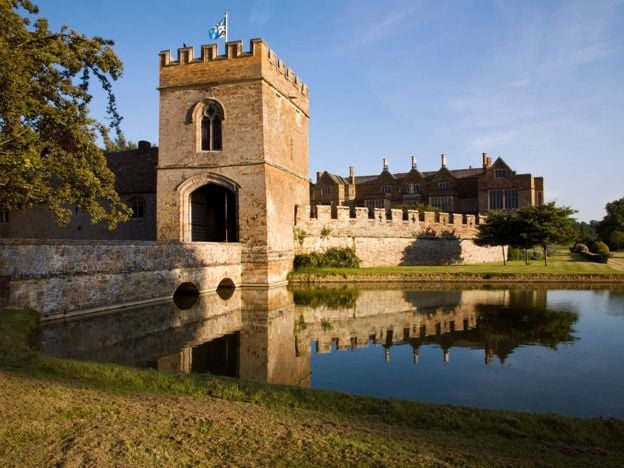
Broughton Castle
A moated medieval manor house near Banbury, turned into an Elizabethan mansion by the Fiennes family, tied to the opposition to Charles I and seen in Shakespeare in Love and Wolf Hall. Open on Wednesday and Sunday afternoons, April to September.
-
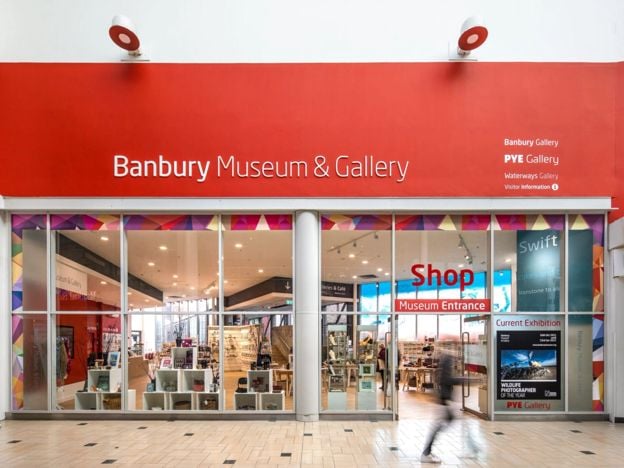
Banbury Museum and Gallery
Museums and galleries · Banbury
Banbury's free town museum, on the Oxford Canal with an entrance in Castle Quay: Bronze Age finds, a cannon from Banbury Castle, plush cloth and a canal gallery, with paid touring exhibitions and a canalside café.
Family-friendly · Rainy days · Car-free
Verified Nov 2026
-
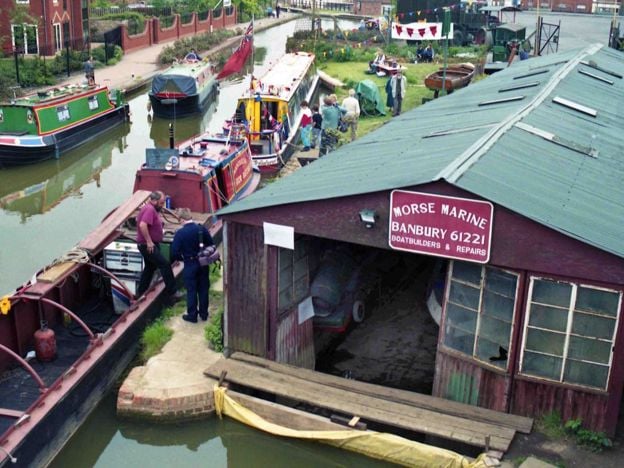
Tooley's Historic Boatyard
Historic houses and heritage · Banbury
A working dry dock and forge on the Oxford Canal in Banbury, in use since 1778 and now hemmed in by Castle Quay. Small museum in the chandlery, Saturday boat trips in summer, and blacksmith courses. A scheduled monument and the start of Tom Rolt's Narrow Boat.
Car-free
Verified Nov 2026
-
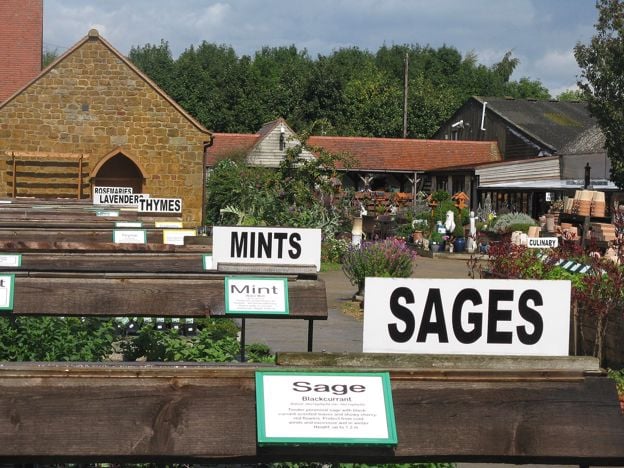
The National Herb Centre, Warmington
Parks and gardens
A plant centre at Warmington, near Banbury, growing culinary and medicinal herbs, fruit and native wildflowers, most of them on site in peat-free compost, with a café bistro, a play area and nature trails.
Verified Nov 2026
Where to stay in Wroxton
-
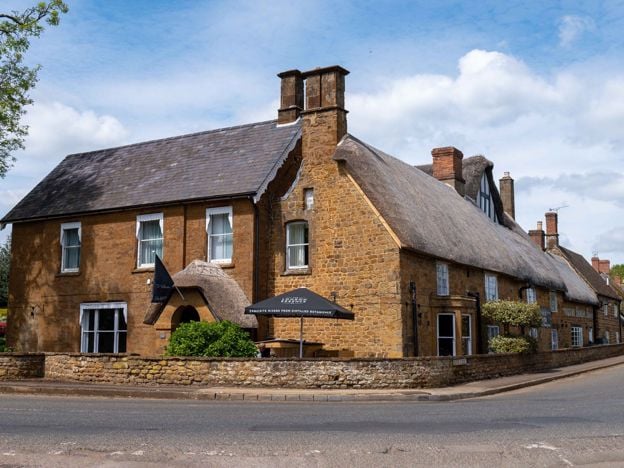
The Wroxton Hotel
Hotel · Wroxton
A 32-room hotel made from three adjoining stone cottages, partly dating from 1649, on the edge of thatched Wroxton, a few minutes' drive from junction 11 of the M40, with free parking and its own tea room.
Dog-friendly · Wedding venues
Verified Nov 2026
-
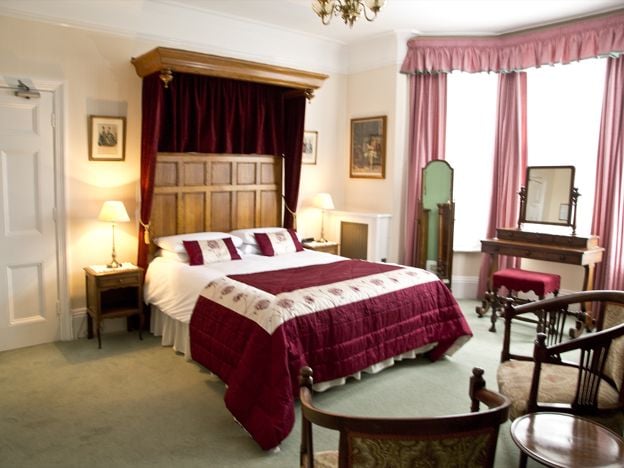
Banbury Cross Bed and Breakfast
B&B · Banbury
A family-run Victorian B&B on Broughton Road, Banbury, with seven bedrooms, about 370m from Banbury Cross, with free off-road parking, cooked breakfasts and rates from £77. No under-18s.
Car-free
Verified Nov 2026
-
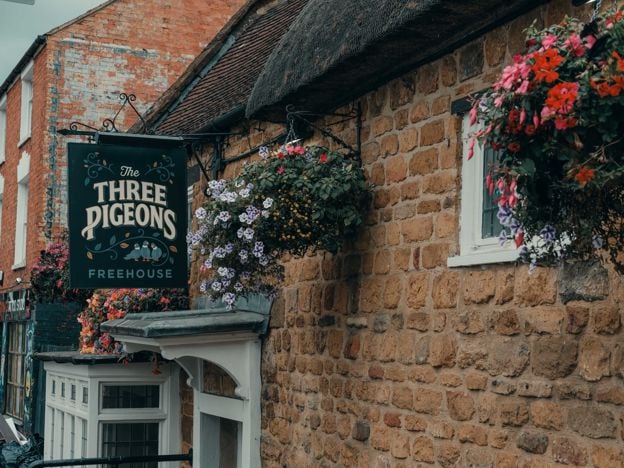
The Three Pigeons, Banbury
Pubs · Banbury
A Grade II listed 17th-century inn, partly thatched, on Southam Road, Banbury, with real ales and ciders, a courtyard, Smash Cow street food from Thursday to Saturday and three en-suite rooms.
Dog-friendly · Car-free
Verified Nov 2026
Where to eat and drink in Wroxton
-
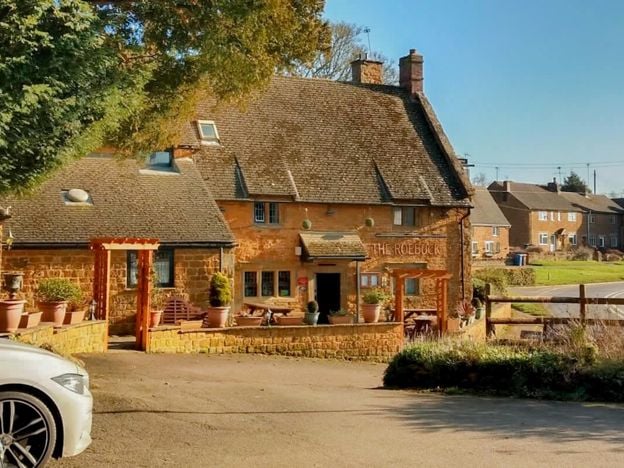
The Roebuck Inn, Drayton
Pubs
A Hook Norton pub in a late 17th-century listed building on the A422 at Drayton, just outside Banbury, with a south-facing courtyard, a modern British menu, a car park and dogs welcome.
Dog-friendly
Verified Nov 2026
-
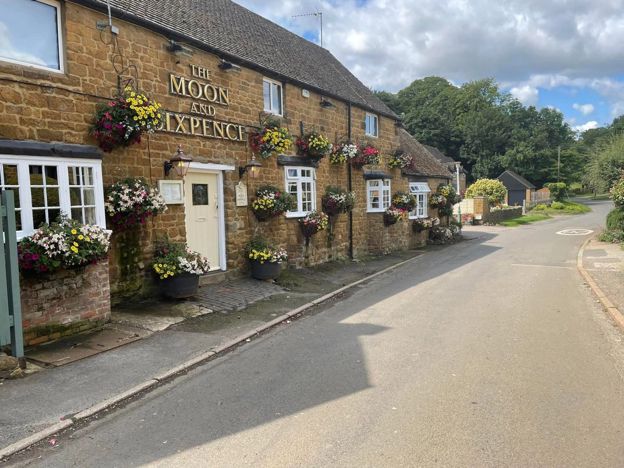
The Moon and Sixpence, Hanwell
Pubs · Hanwell
A refurbished dining pub on Main Street in Hanwell, about two miles north-west of Banbury, with an open kitchen run by chef Hylton Bradley, a set lunch and dinner menu, and a large car park.
Family-friendly · Walker-friendly
Verified Nov 2026
-
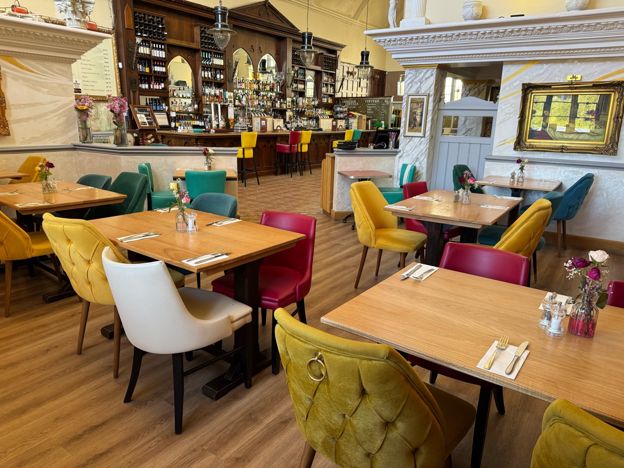
The Church House, Banbury
Restaurants · Banbury
A café, bar and restaurant in a restored former church hall of 1905 on North Bar Street, Banbury, open all day from coffee to steak, with walk-ins welcome and room for events of up to 150.
Verified Nov 2026
Walks in and around Wroxton
-
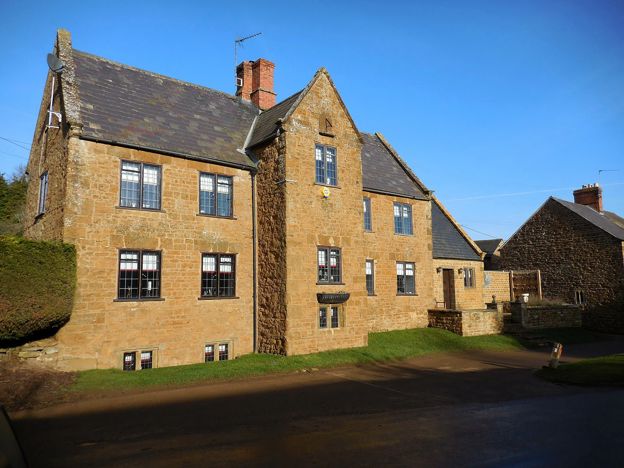
North Newington and Wroxton Circular
Walk · Starts in North Newington · 2 hrs · Circular
A 3.3-mile (5.3km) circular walk from Main Street, North Newington, taking about two hours of moderate walking. It follows field paths to the Sor Brook, climbs past the Wroxton Obelisk into Wroxton and returns over the fields.
-
Broughton Road to Wroxton Obelisk Circular
Walk · Starts in Broughton · 2 hrs · Circular
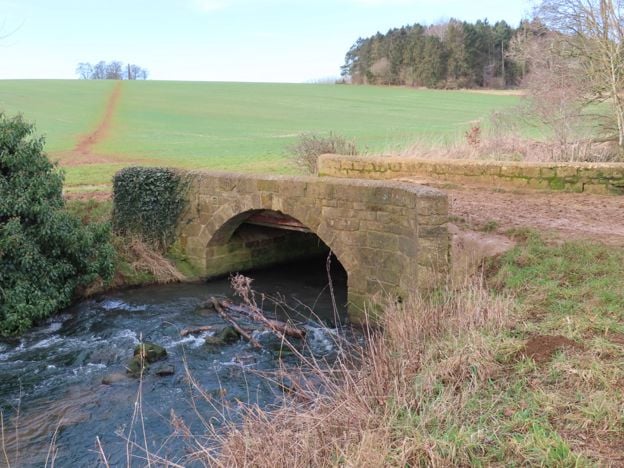
A 4.5-mile (7.3km) circular walk from the car park on Broughton Road, about two hours of moderate walking on field paths. It crosses the Sor Brook, climbs to the Wroxton Obelisk and returns by the other bank. It does not go through Broughton or past the castle.
-
Banbury Fringe Circular Walk
Walk · Starts in Banbury · 5 hrs · Circular
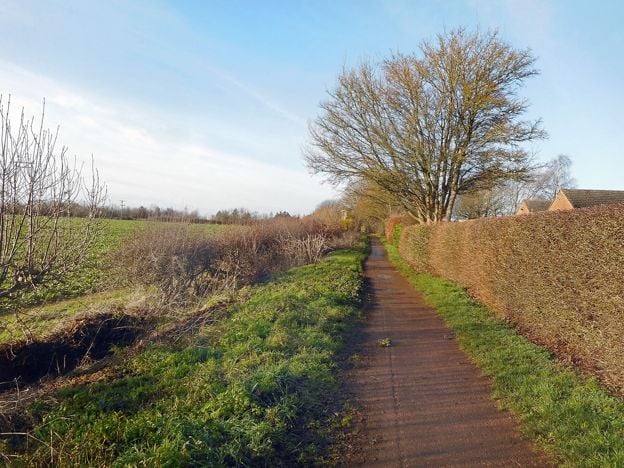
A 10.6-mile (17.1km) waymarked circular walk round the edge of Banbury, moderate and about five hours: the Oxford Canal south to Bodicote, the Salt Way past Crouch Hill, field and wood paths by Giant's Cave, and an old ironstone railway back to the canal.
Sights in and around Wroxton
-
Wroxton Abbey
Sight · Historic building · Wroxton
A Jacobean house of about 1618 west of Banbury, on the site of a medieval priory and long the home of the Norths. Grade I. It is a college and closed to visitors. It passed to an alumni-led group in 2025 to 2026, and a public footpath crosses the grounds.
-
Wroxton Dovecote
Sight · Historic building · Wroxton
A Gothic dovecote of 1745 by Sanderson Miller in the park of Wroxton Abbey, west of Banbury, built both to house pigeons and to look like a small castle from the house. Ironstone, polygonal and Grade II*. In the Abbey's park, so seen from a distance.
-
Wroxton Obelisk
Sight · Monument · Wroxton
A tall ironstone obelisk in the fields south-east of Wroxton Abbey, west of Banbury, marking a visit by Frederick, Prince of Wales, in 1739. Part of the eighteenth-century landscape, and Grade II*. On farmland, beside a public footpath.
Stories about Wroxton
-
Hornton stone and the ironstone villages: why Banburyshire is brown
Story · History · 5 minute read
Hornton stone is the rusty ironstone that colours the villages around Banbury. It is a band of Jurassic rock no more than about 10m thick, quarried at Hornton and on Edge Hill for centuries. Henry Moore carved it, and steelworks ate it until 1967.
-
Strange Banburyshire: ghosts, witches, lost horses and sham ruins
Story · Strange Things · 6 minute read
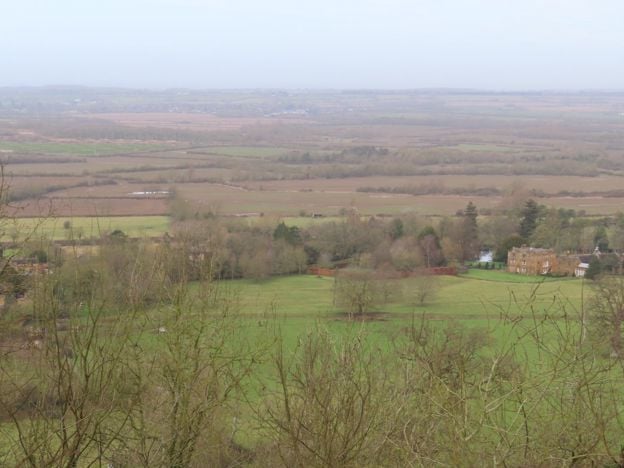
The odd corners of the country round Banbury: a ghost battle in the sky over Edgehill, a witch who turned a king to stone at Rollright, a lost red horse, a three-day saint, a priest said to have died of fright, and ruins built to look ruined. Each one told with what is on record.
-
The ironstone railways of Banburyshire: Wroxton, Hook Norton and Edge Hill
Story · History · 7 minute read
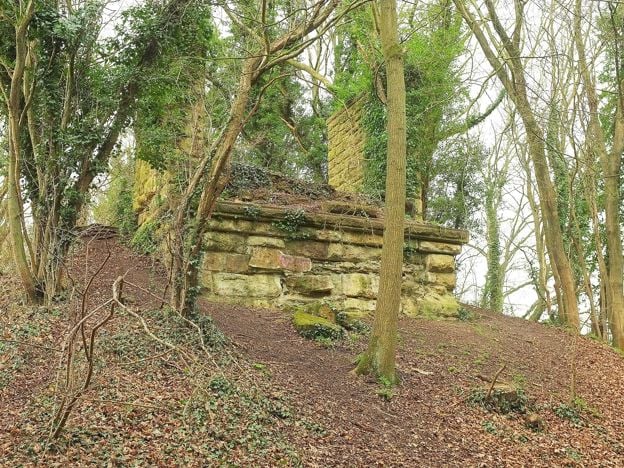
For half a century the hills west of Banbury were dug for iron ore and carried away by rail: a busy private line from Wroxton, a narrow gauge tramway at Hook Norton and a light railway on Edge Hill that barely ran. What they were, why they closed and what you can still trace.
Getting to Wroxton
- By bus
- Stagecoach 76 and 76A from Banbury to Stratford stop on the A422 at The Firs and Horley Turn. Five journeys out from Banbury and four back, Monday to Saturday, none on Sundays (November 2026).
- By train
- Banbury station is about 3 miles away. Take the 76 or 76A from the bus station, or a taxi.
- By car
- On the A422 Banbury to Stratford road, about 3 miles from Banbury Cross. M40 junction 11 is on the far side of the town.
- Parking
- We found no public car park in the village. Park with care, and do not block the lanes down to the pond.
- Access
- The village street drops south from the A422 past the church to the pond, so expect a slope both ways.
Places near Wroxton
-
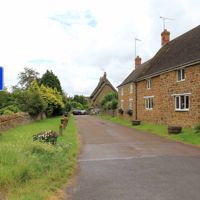 North NewingtonA quiet ironstone village 2.5 miles west of Banbury with a run of listed cottages and pumps, and no sights to speak of. Treat it as a stop between Wroxton and Broughton, not a destination.
-
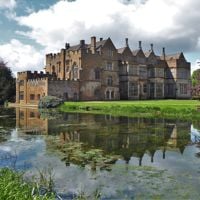 BroughtonA small village 2.5 miles from Banbury that exists in the shadow of its moated castle. Come on a castle open afternoon, walk the park on most other days, and add the Broughton Grange gardens on a Wednesday. The village pub has shut.
-
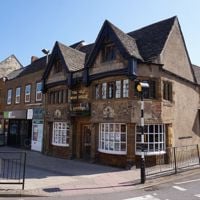 BanburyNorth Oxfordshire's working market town, on the River Cherwell and the Oxford Canal, about an hour from Marylebone. Come for the Cross, the Thursday and Saturday market, the old inns of Parsons Street, the free museum and Tooley's Boatyard.
-
 Edgehill and RadwayTwo places joined by a wooded scarp: Edgehill on the ridge, with a 1740s sham castle that is now a pub, and Radway below, with a free exhibition on the 1642 battle. Together they are the best way to see the first big fight of the Civil War.