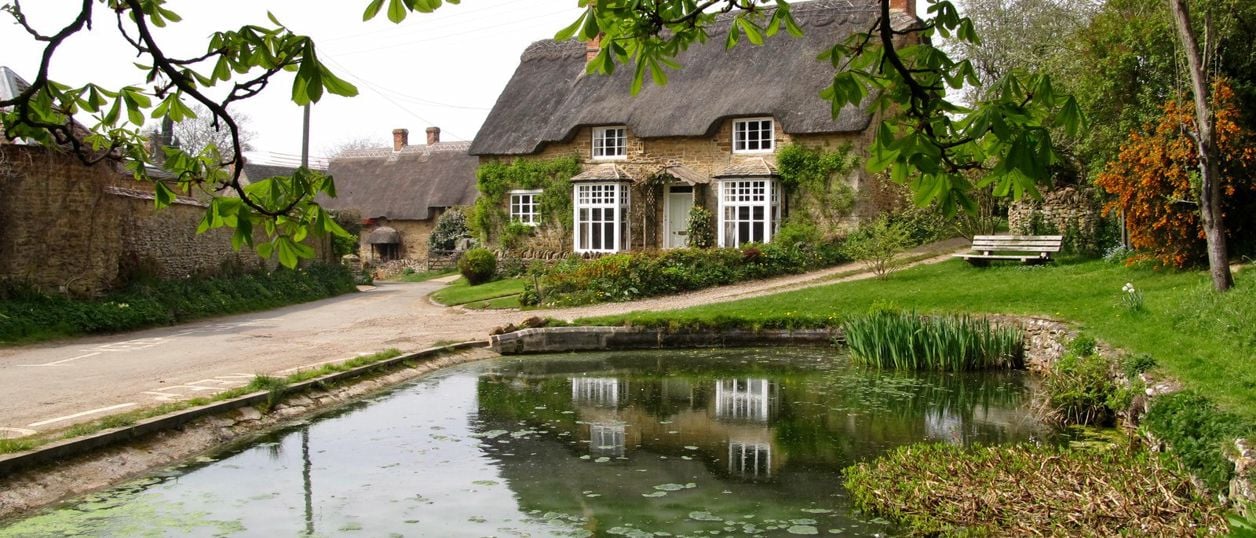
Ian Rob, CC BY-SA 2.0, via Wikimedia Commons
Sibford Gower and Sibford Ferris
Two ironstone villages and the hamlet of Burdrop on either side of a steep valley, 7 miles west of Banbury. Quaker since the 1660s, with a meeting house, a Quaker school, thatched seventeenth-century houses and a two-mile heritage trail of their own.
- Nearest station
- Banbury, about 7 miles, then the Stagecoach 75, Monday to Saturday, or a taxi
- Parking
- We found no public car park. Park with care on the village streets, and not at the school gates at the start or end of the day
About Sibford Gower and Sibford Ferris
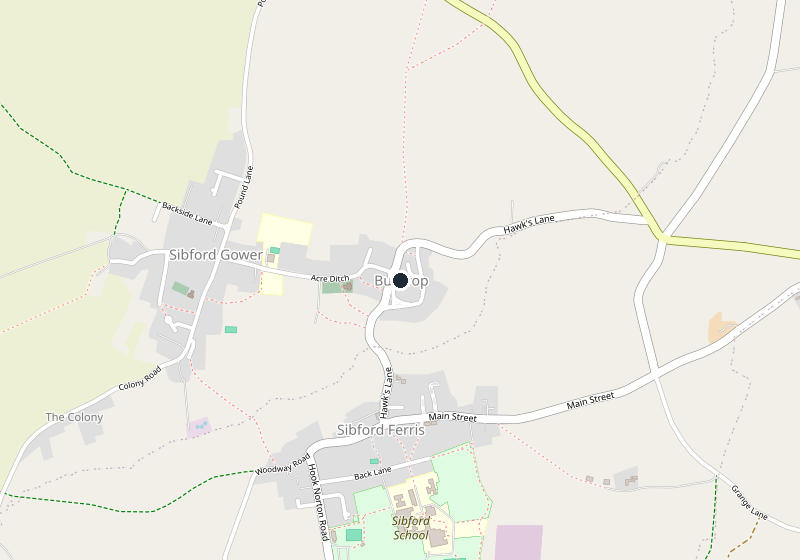
The Sibfords are two villages facing each other across a steep valley about 7 miles west of Banbury, close to the Warwickshire border. Sibford Gower runs along the west side near the crest of the hill, Sibford Ferris lines a winding street on the other, and Burdrop sits on the hilltop between them. They have more life than their size suggests: a primary school, a Quaker school and a long Quaker history. For a visitor they are a place to walk, with a pub at the end.
What to see in the Sibfords
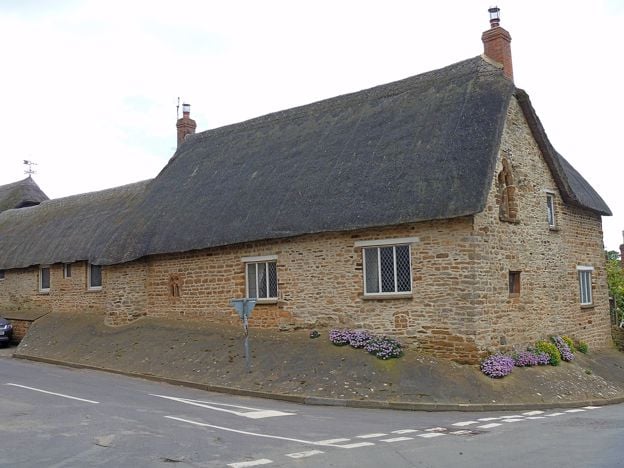
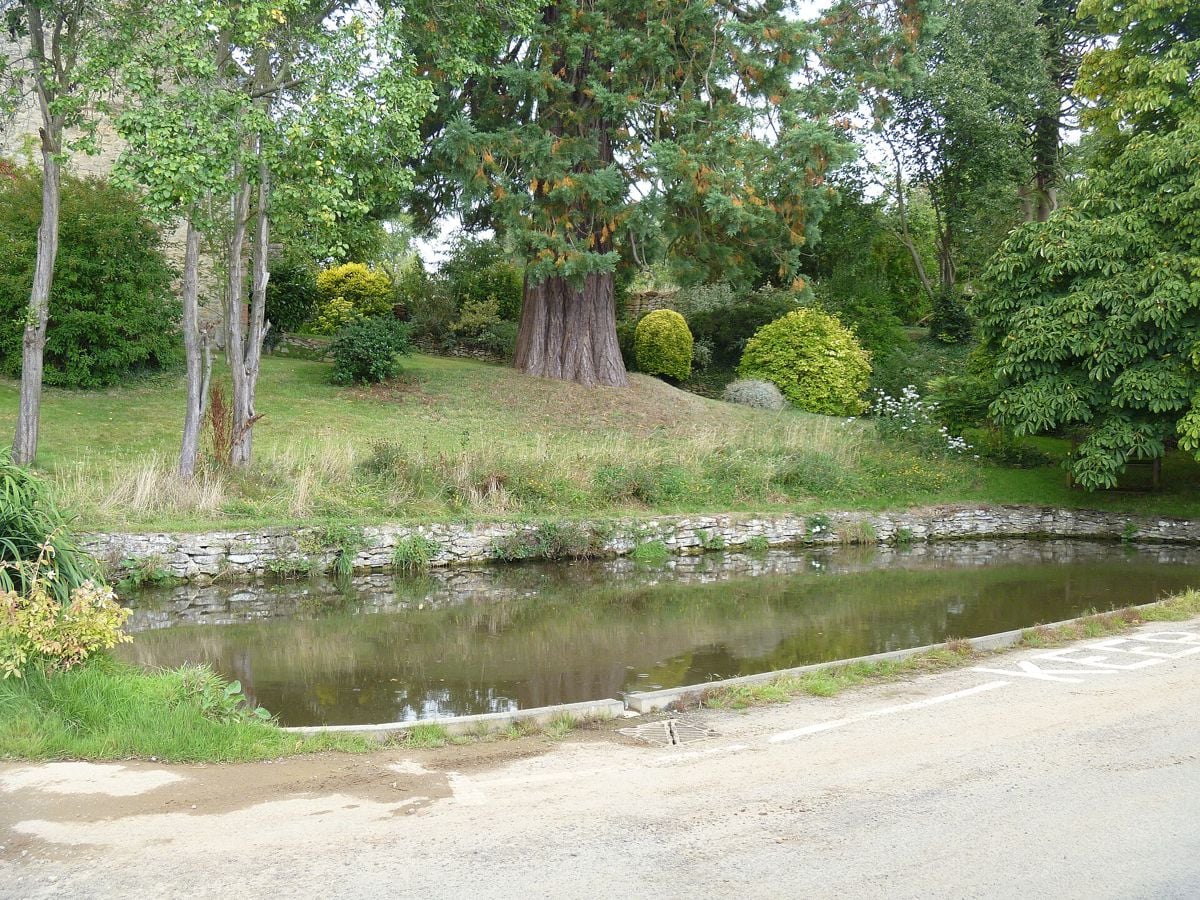
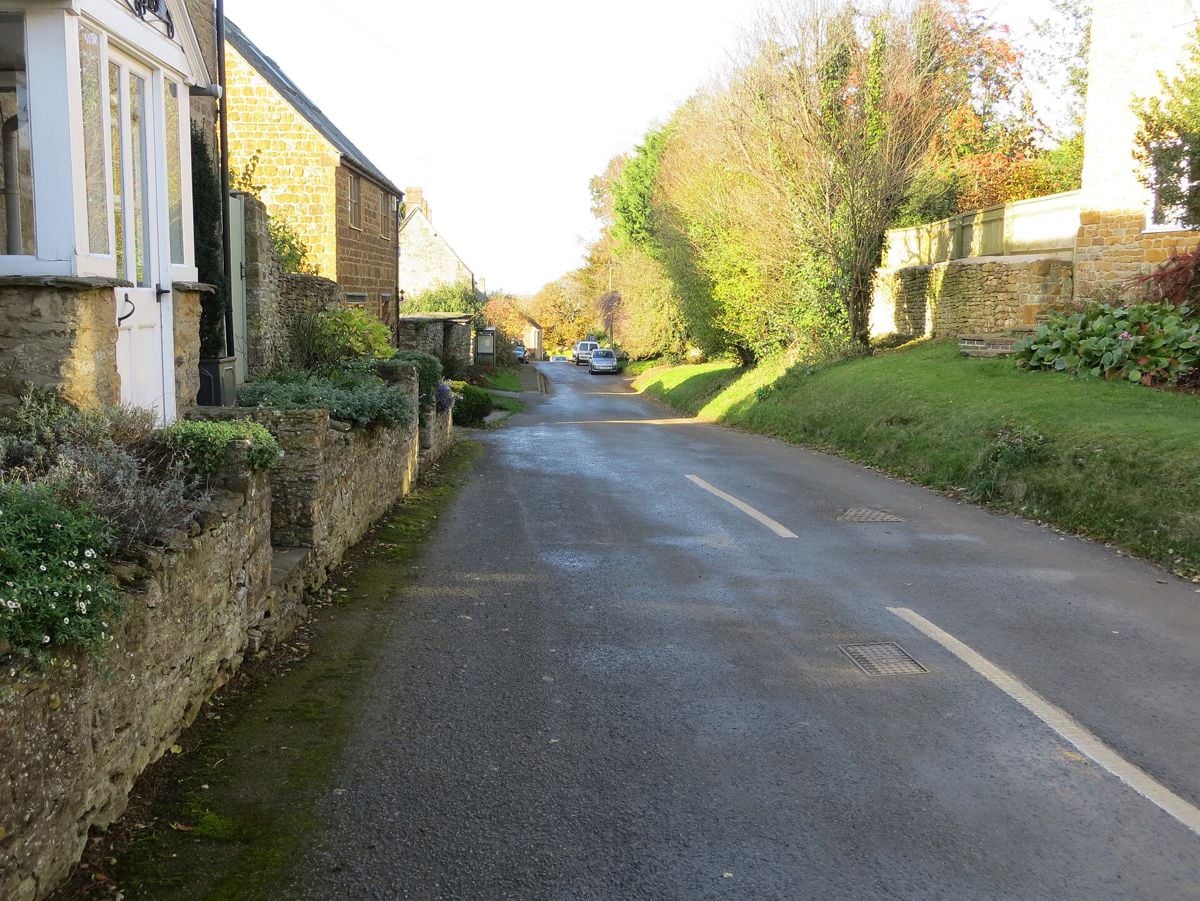
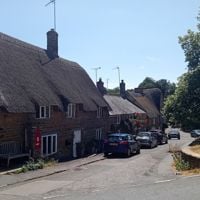
Sibford Gower has the most to look at. Its long east to west street has many two-storey seventeenth-century houses of coursed stone and thatch, among them Court House, Buttslade House, Temple Close and Crossways, which has a reused window in the fourteenth-century style. Farms and cottages gather round a pond and a small green at the west end. The so-called Manor House was made by joining and extending old cottages, and its square tower was built about 1908. All of these are private homes.
In Sibford Ferris, look for the date-stones: 'J. C. 1691', 'L.J.S. 1711' and 'E.I.R. 1782' on cottages along the street. Burdrop has a small triangular green and a house inscribed 'R.L. 1640', though the county history notes the stone was reset when it was rebuilt. Home Close, built in 1911 to designs by H. Baillie Scott, is the Arts and Crafts footnote.
Quakers in Sibford
This is the thread that sets the Sibfords apart. The villages' website quotes George Fox recording a meeting of hundreds in Gilkes Barn in 'Sibberd' in 1668, and there has been a meeting house here since 1678, when the first was built or acquired. The present one replaced it in the 1860s. Meeting for worship is on Sunday mornings from 10.30 to 11.30am, and the villages' website says the meeting house takes overnight stays through Champing, from £55 an adult when we checked.
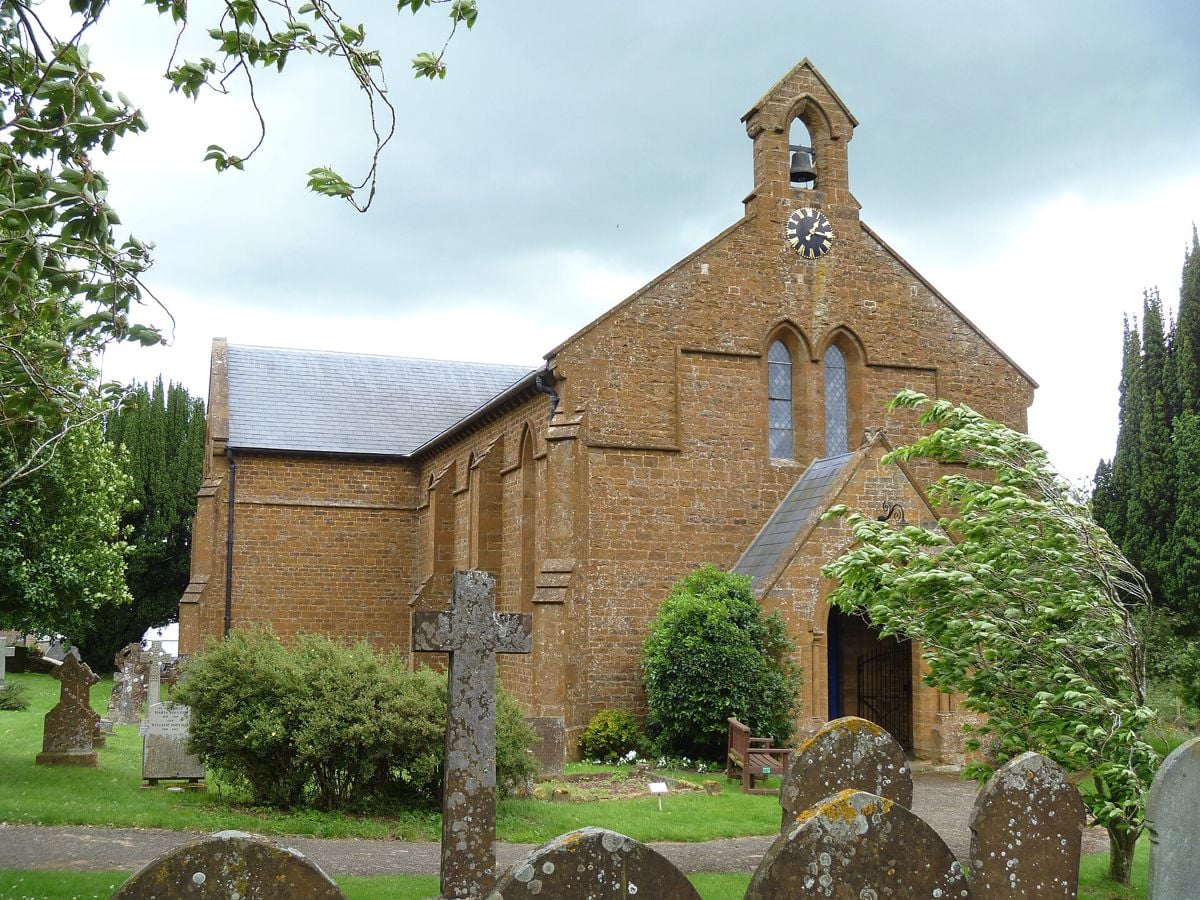
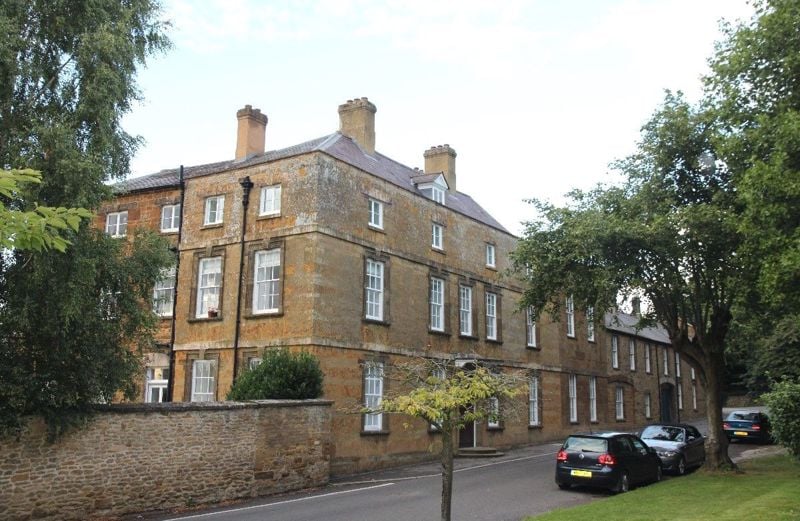
Sibford School, the Quaker school in Sibford Ferris, opened in 1842, when the old manor house of the village was sold to the Society of Friends. The parish church is younger than the meeting house: Holy Trinity in Sibford Gower was designed by H. J. Underwood of Oxford and built in 1839 to 1840, in the Early English style, with a clock and one bell in its west turret.
Walks from the Sibfords
The villages publish their own Sibfords historic village trail (opens in a new tab), a leaflet for a 2-mile (3km) circuit of about 90 minutes, and the obvious way to see all three places. The Sibford Walkers' page also maps many of the group's past outings, without distances. We have not walked any of them.
A morning in the Sibfords
Come on the morning bus or park with care, walk the trail, and finish at the Wykham Arms for lunch. On a summer Sunday afternoon, go about a mile and a half east to Swalcliffe for its medieval barn, which opens from 2pm.
Food and drink
The Wykham Arms (opens in a new tab) on Temple Mill Road in Sibford Gower is a seventeenth-century thatched inn, listed Grade II, first recorded as a pub in 1793. Its own site offers coffee, lunch, Sunday lunch and outdoor tables in good weather, but gives no dates. Its winter times, when we checked, were closed on Mondays and Tuesdays, open from noon to 3pm and 6 to 11pm from Wednesday to Saturday, and from noon to 10.30pm on Sundays, with no food on Sunday evenings; CAMRA's guide also lists Tuesdays. Its lease was advertised for sale in July 2026, so ring 01295 788808 before you set out. The villages' website lists no shop or café.
The Banburyshire newsletter
Events, new places and the best of the season, about once a month. Unsubscribe at any time.
When to come
Any dry day for the trail, and from Wednesday to Saturday if you want the pub at lunchtime (ring first). The villages' website keeps a calendar of talks, exhibitions and services. There is no bus on Sundays.
Last verified 11 November 2026 by our editors
Things to do in Sibford Gower and Sibford Ferris
Tours and experiences · Hook Norton
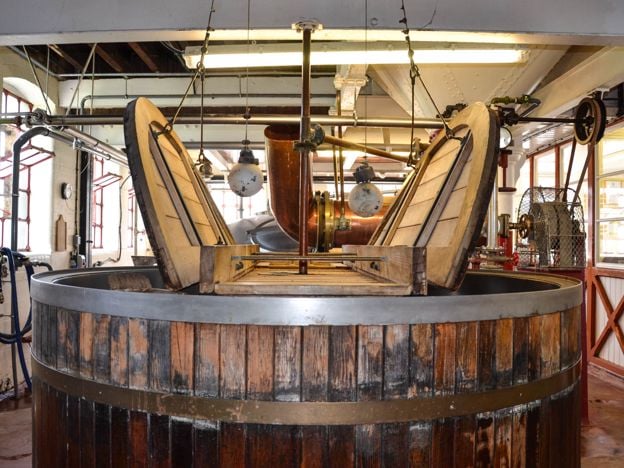
Hook Norton Brewery
A family brewery in a Victorian tower at Hook Norton, with a steam engine of 1899, Shire horses that still deliver to two village pubs, and tours at £25. The climb is over 100 open steps, and there is a gentler monthly option. Shop and kitchen open daily.
-
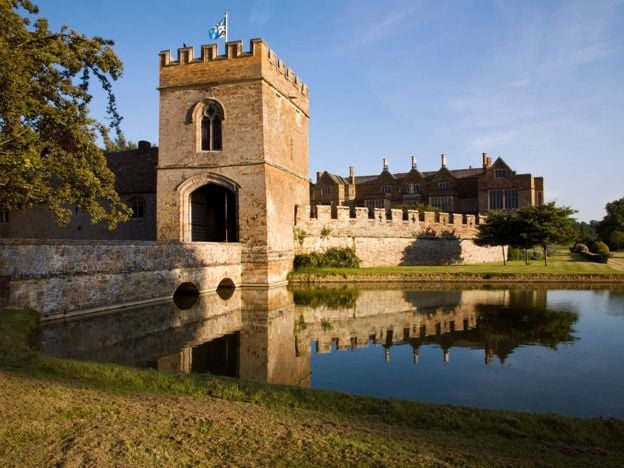
Broughton Castle
Historic houses and heritage · Broughton
A moated medieval manor house near Banbury, turned into an Elizabethan mansion by the Fiennes family, tied to the opposition to Charles I and seen in Shakespeare in Love and Wolf Hall. Open on Wednesday and Sunday afternoons, April to September.
Dog-friendly · Walker-friendly
Verified Nov 2026
-
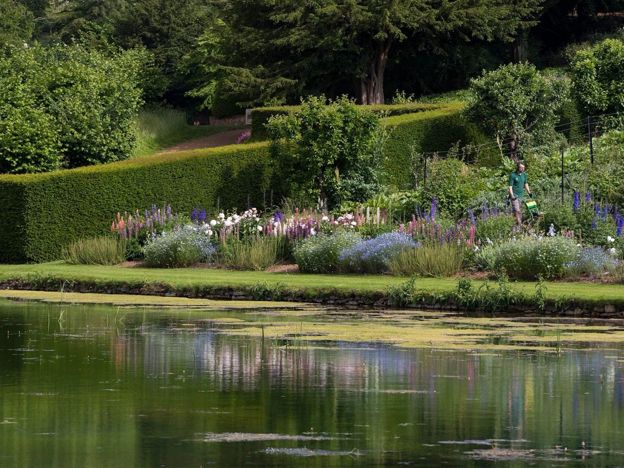
Upton House and Gardens
Historic houses and heritage
A National Trust house on the Edge Hill ridge, remodelled in the 1920s for the oil magnate Lord Bearsted to show his paintings by Bosch, El Greco, Stubbs and Hogarth, above terraced gardens that drop 30m to a Mirror Pool.
Family-friendly · Dog-friendly · Rainy days
Verified Nov 2026
Where to eat and drink in Sibford Gower and Sibford Ferris
-
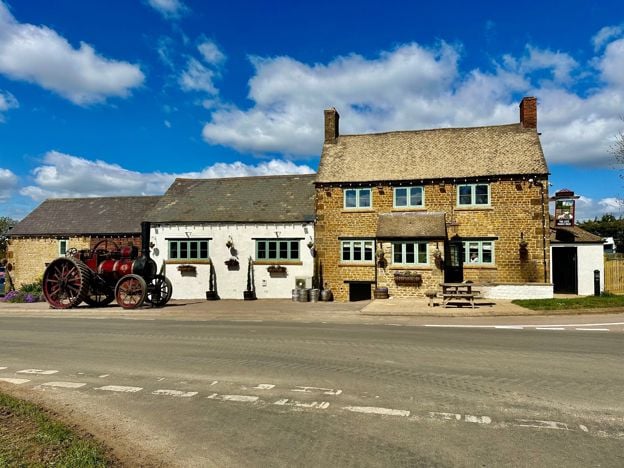
The Gate Hangs High, Hook Norton
Pubs · Hook Norton
A country pub on the Whichford road outside Hook Norton, with local ales, an open fire, freshly cooked food from Wednesday to Sunday, rooms and a large camping field with electric hook-ups.
Dog-friendly
Verified Nov 2026
-
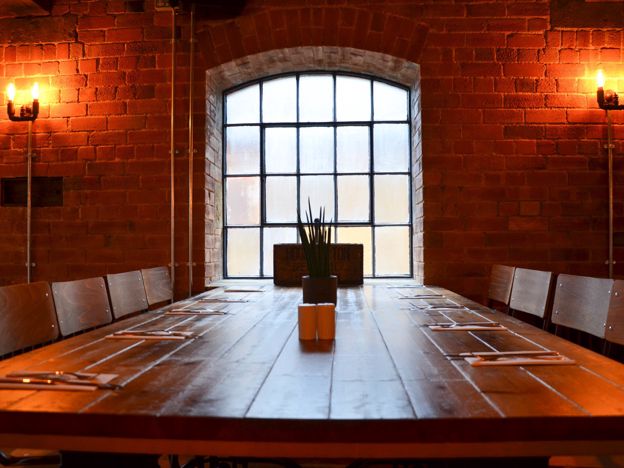
The Malthouse Kitchen, Hook Norton
Cafes and tearooms · Hook Norton
The brewery's own restaurant at Hook Norton, in the restored maltings beside the Victorian tower brewery, serving seasonal breakfasts until 11.30am and lunches until mid afternoon, indoors or in the beer garden.
Family-friendly
Verified Nov 2026
-
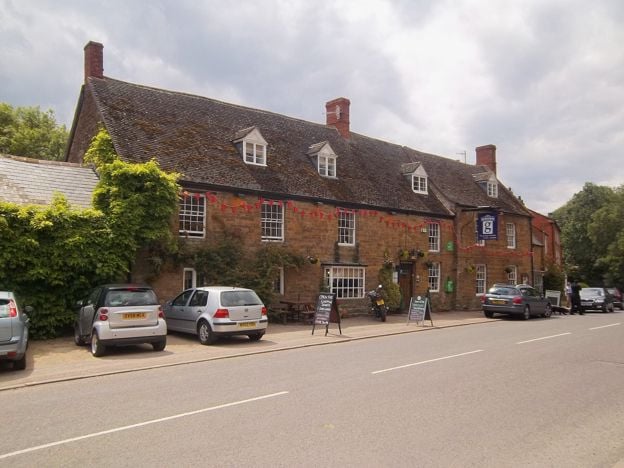
The George at Brailes
Pubs
A village inn on the high street at Lower Brailes, part of the Freespirit Pub Company, open seven days for breakfast, lunch and dinner, with local ales, a garden, first-floor bedrooms and a full calendar.
Dog-friendly · Walker-friendly
Verified Nov 2026
Walks in and around Sibford Gower and Sibford Ferris
-
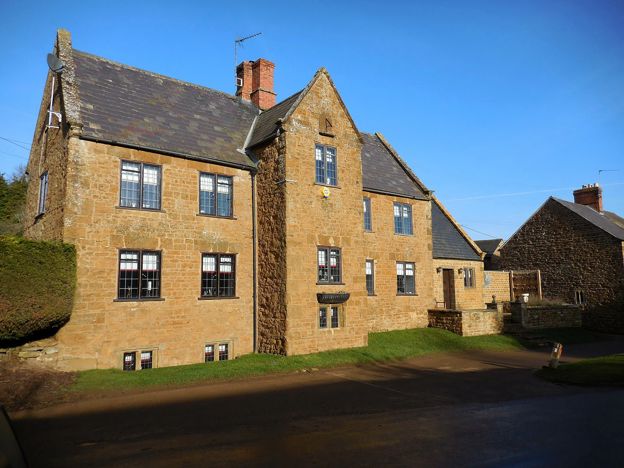
North Newington and Wroxton Circular
Walk · Starts in North Newington · 2 hrs · Circular
A 3.3-mile (5.3km) circular walk from Main Street, North Newington, taking about two hours of moderate walking. It follows field paths to the Sor Brook, climbs past the Wroxton Obelisk into Wroxton and returns over the fields.
-
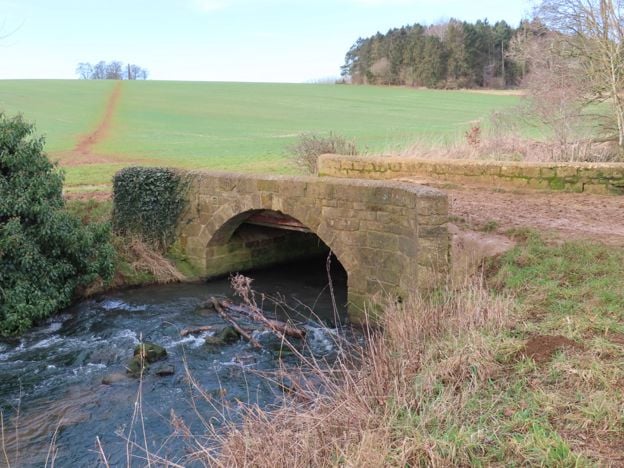
Broughton Road to Wroxton Obelisk Circular
Walk · Starts in Broughton · 2 hrs · Circular
A 4.5-mile (7.3km) circular walk from the car park on Broughton Road, about two hours of moderate walking on field paths. It crosses the Sor Brook, climbs to the Wroxton Obelisk and returns by the other bank. It does not go through Broughton or past the castle.
Sights in and around Sibford Gower and Sibford Ferris
-
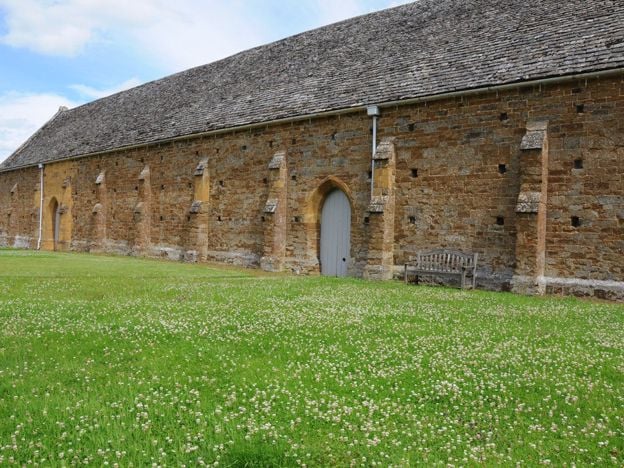
Swalcliffe Barn
Sight · Historic building
A ten-bay medieval barn of ironstone, built for New College, Oxford, in about 1401, with its medieval timber roof. Grade I and a scheduled monument, six miles west of Banbury, and open free on summer Sunday afternoons.
-
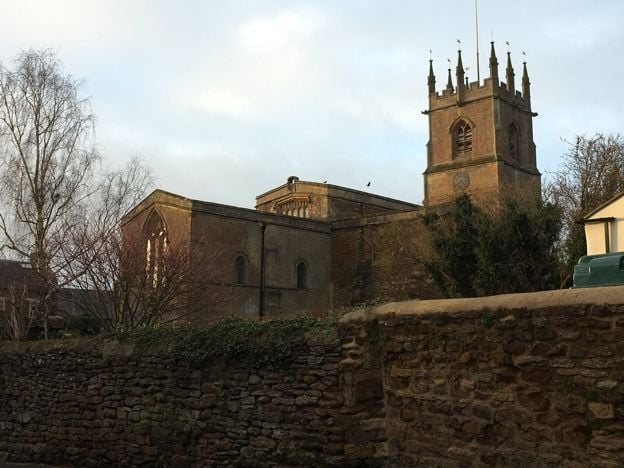
St Peter's Church, Hook Norton
Sight · Church · Hook Norton
Hook Norton's Grade I church, with a Norman font carved with Adam and Eve and signs of the zodiac, a Romanesque chancel and medieval wall paintings. In the middle of the village, open every day, says the benefice.
Getting to Sibford Gower and Sibford Ferris
- By bus
- Stagecoach 75 and 75A between Banbury and Stratford, Monday to Saturday: five buses to Banbury and four back, and none on Sundays (timetable of 12 November 2026).
- By train
- Banbury station is about 7 miles away. Take the 75 from Banbury bus station, bay 8, or a taxi.
- By car
- About 7.5 miles from Banbury Cross, 17 minutes, by the B4035 Shipston road through Swalcliffe.
- Parking
- No public car park that we found. Park considerately on the streets.
- Access
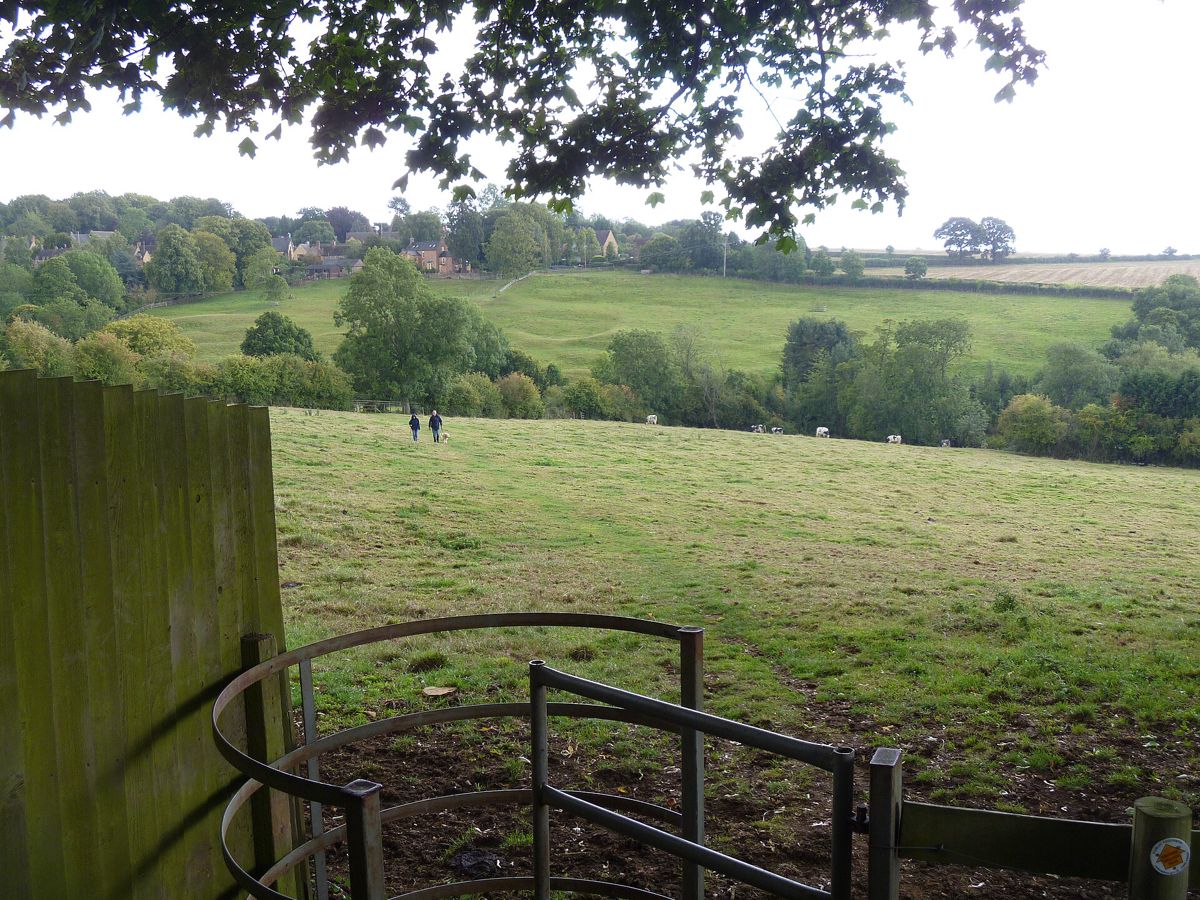
- The villages sit on opposite sides of a steep valley, with Burdrop on the hilltop between, so any walk between them involves steep slopes.
Places near Sibford Gower and Sibford Ferris
-
 SwalcliffeAn ironstone village on the Shipston road 6 miles west of Banbury with three Grade I buildings: a fifteenth-century barn that opens free on summer Sundays, a big medieval church and a thirteenth-century rectory house. Time it for a Sunday afternoon between May and September.
-
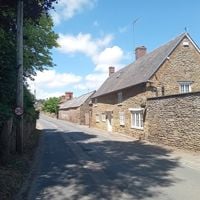 TadmartonAn ironstone village on the Shipston road, 5 miles west of Banbury, with a Grade I church, a Victorian village pub and a heathland golf course on the hill above. A short stop between Broughton and Swalcliffe rather than a destination.
-
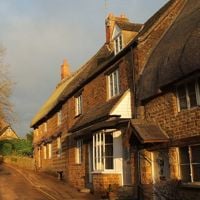 Hook NortonA long ironstone village 8 miles south-west of Banbury, home to Hook Norton Brewery and its Victorian tower. It also has a Grade I church with a carved Norman font, the stone piers of two railway viaducts, the Sun Inn and footpaths published by its own history group.
-
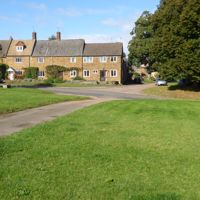 Shenington and AlkertonTwo ironstone villages facing each other across the Sor Brook, 6 miles west of Banbury. Shenington has a big green, the Bell and a gliding club on its wartime airfield; Alkerton has a small church with a carved cornice and a scholar rector Samuel Johnson remembered.