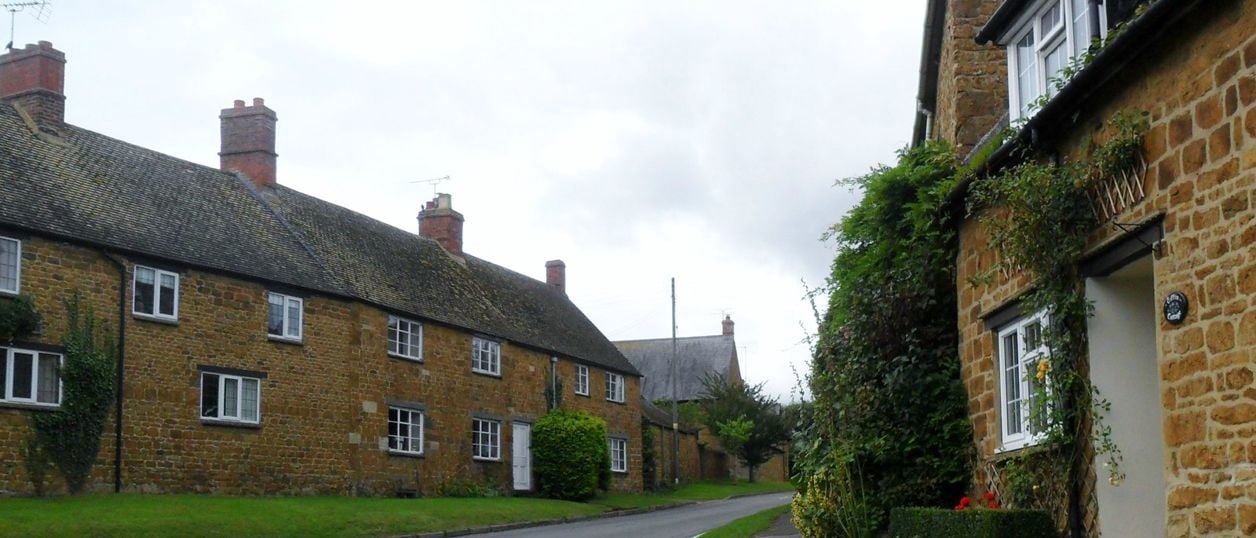
nick macneill, CC BY-SA 2.0, via Wikimedia Commons
Hanwell
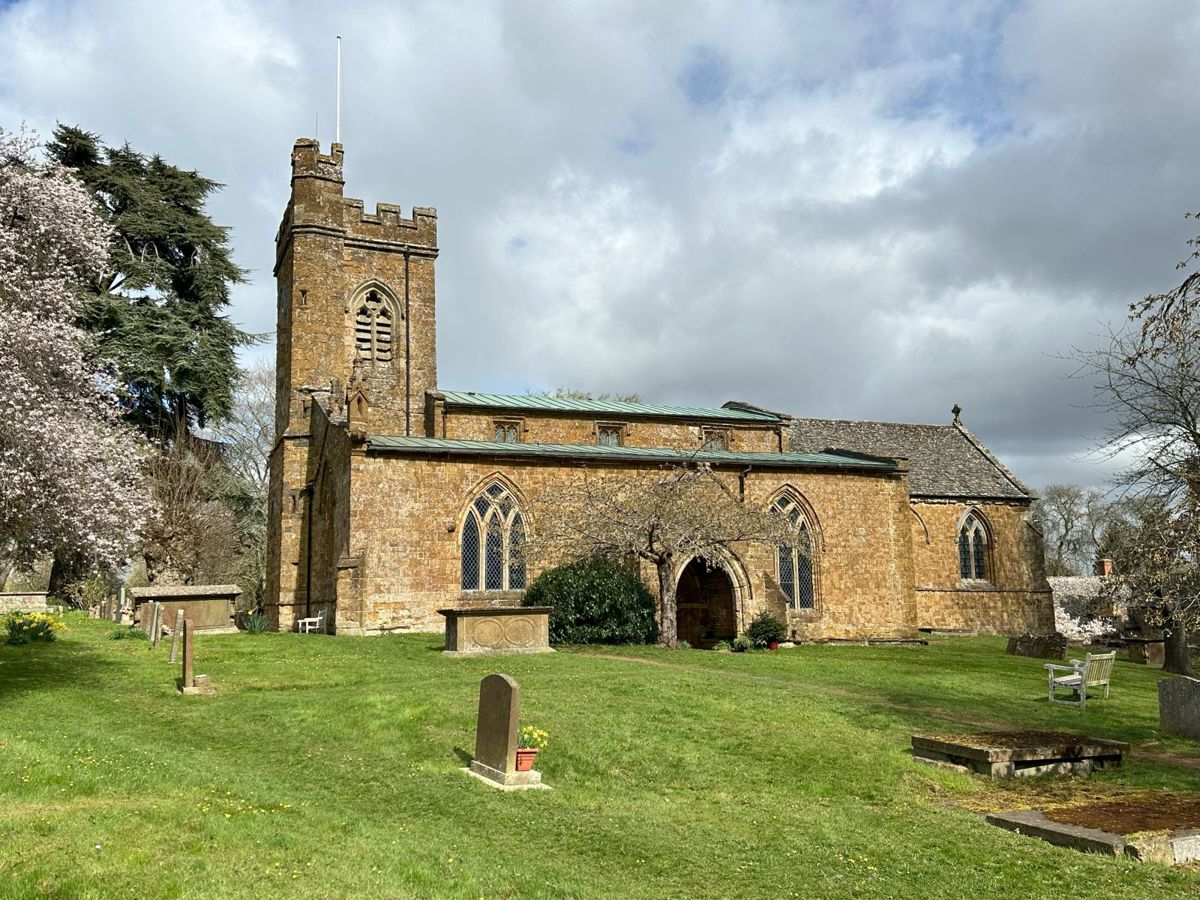
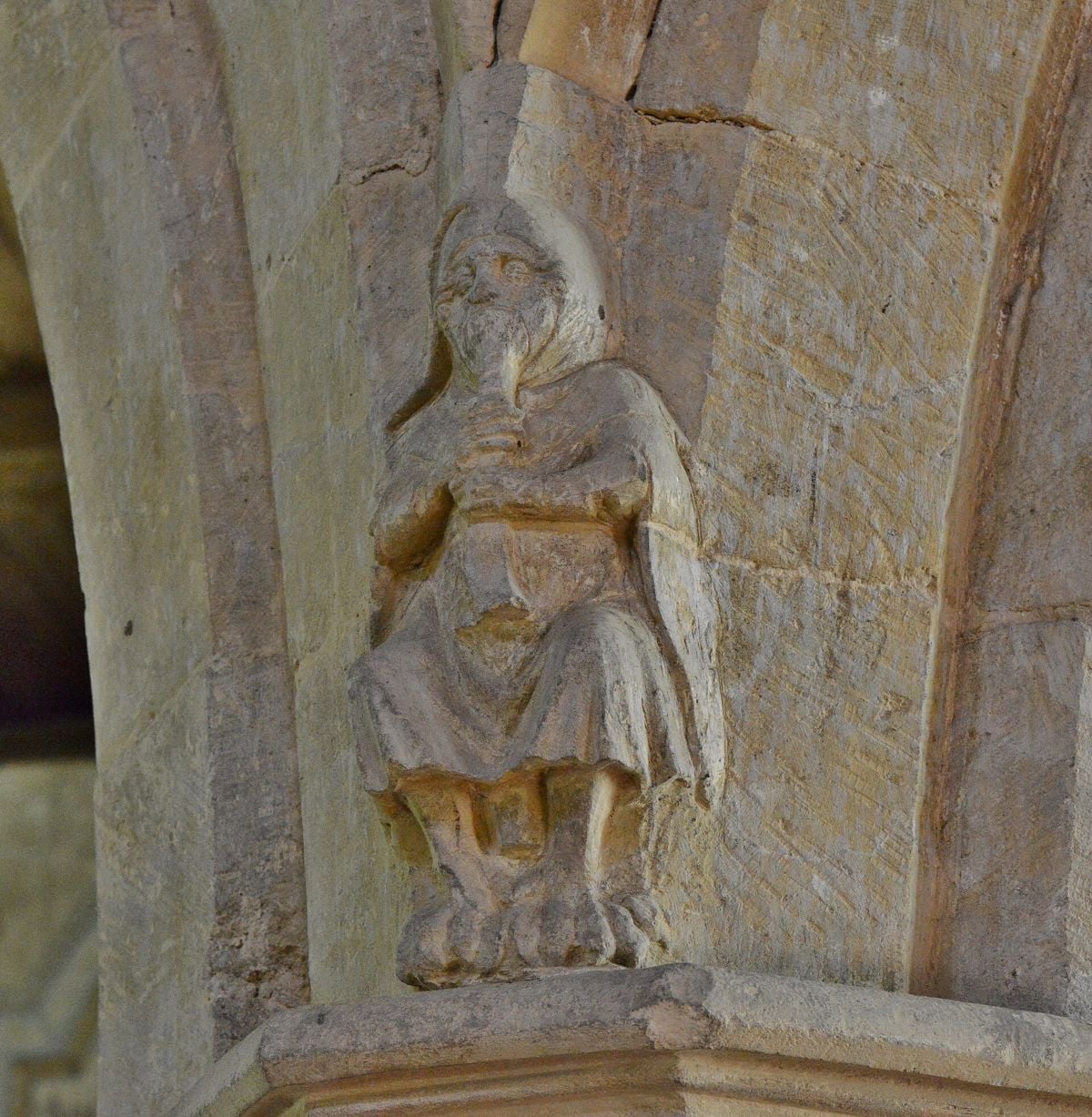
A small ironstone village about 3 miles north-west of Banbury, with a Grade I church full of carved stone figures and the brick tower of Hanwell Castle. The castle is private, so come for the church, a meal at the Moon & Sixpence or an observatory open day.
- Nearest station
- Banbury, about 3 miles, then a taxi. The village bus runs on Thursdays only
- Parking
- For its events the observatory sends visitors to the public parking behind St Peter's church, at the end of Gullicote Lane, not the narrow streets
- When it's busy
- Quiet most of the year. Observatory open weekends bring visitors and cars, so use the parking behind the church.
About Hanwell
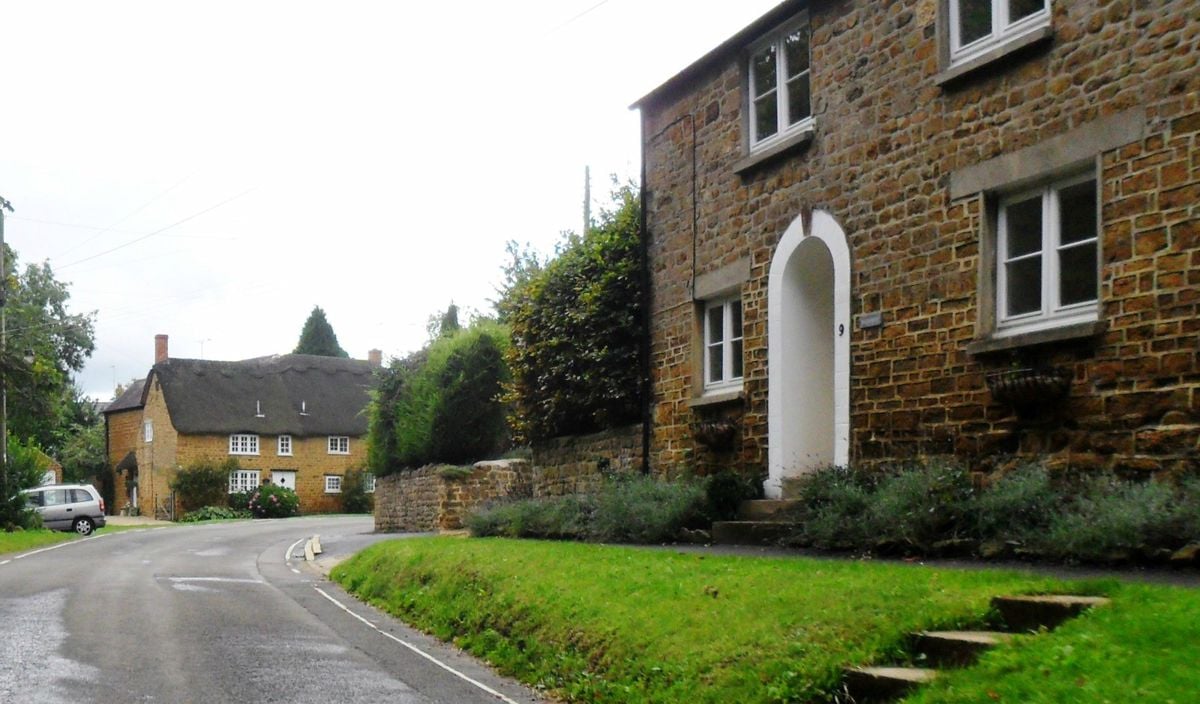
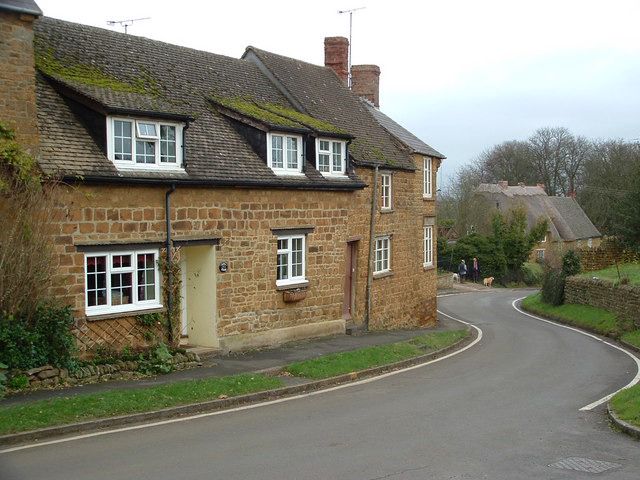
Hanwell is a village of ironstone cottages on a winding street, about 3 miles north-west of Banbury off the Warwick road. It has two things worth the short drive: a fourteenth-century church with carved stone figures on its pillars, and the surviving tower of a Tudor brick house. The house is private, so most visits are an hour at the church and lunch at the pub.
St Peter's church and its carvings
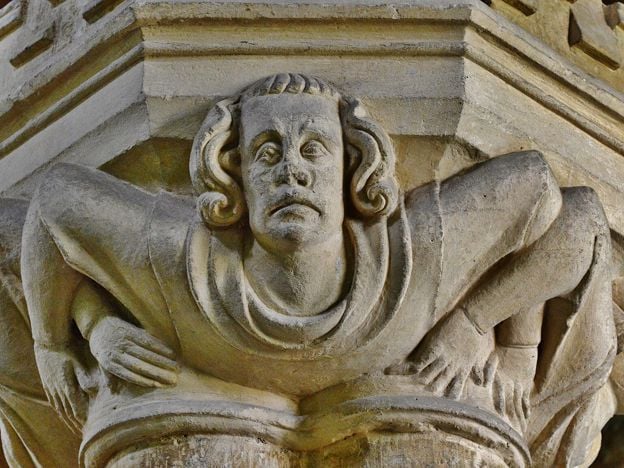
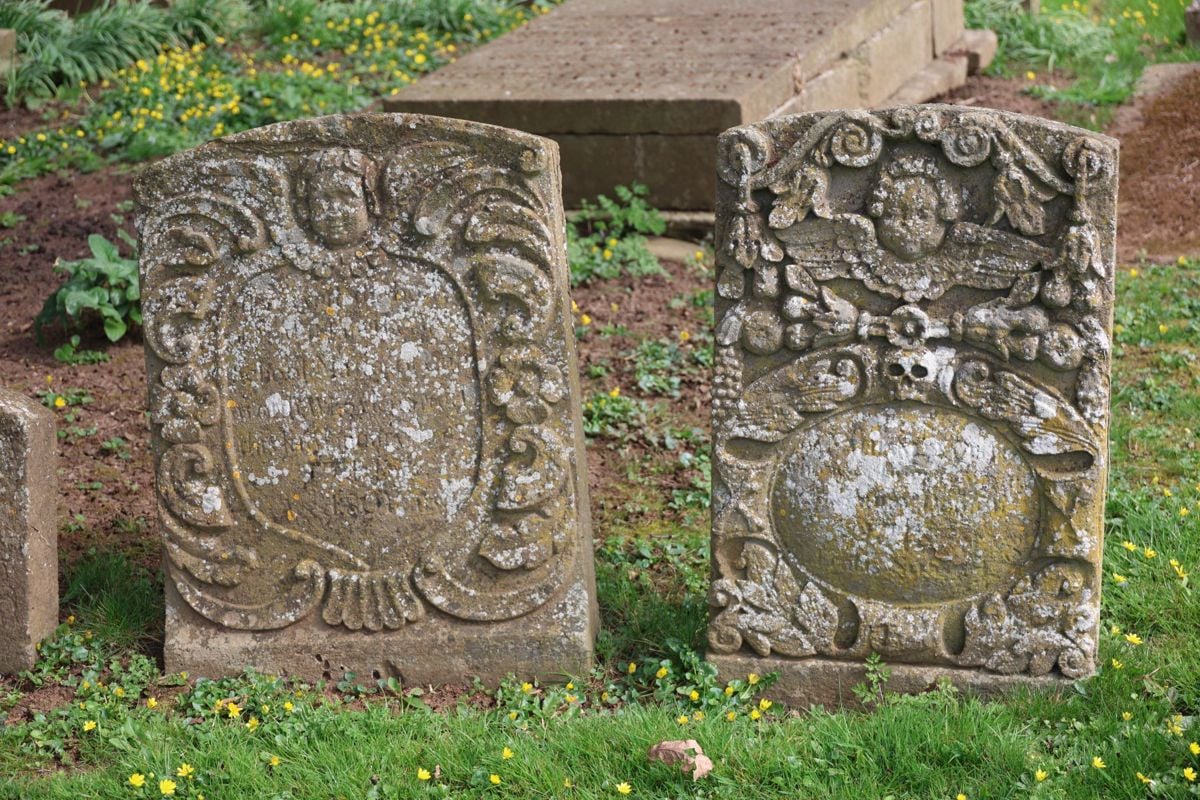
St Peter's is listed Grade I and stands at the top of the village. The Victoria County History says it was almost entirely rebuilt in the early fourteenth century, keeping a font of about 1200 and two thirteenth-century doorways. Go inside for the nave capitals, carved as busts of men and women with linked arms; on the south side standing minstrels with their instruments rise above them. The county history finds similar carving at Adderbury, Bloxham and Drayton, and a cornice of carved figures outside the chancel like those at Alkerton, Adderbury and Bloxham, so it is worth comparing them.
In the chancel is the large alabaster monument to Sir Anthony Cope, who died in 1614, and his wife. The clock has no face, which the county history thought worth recording. We could not find published opening hours for the church.
Hanwell Castle
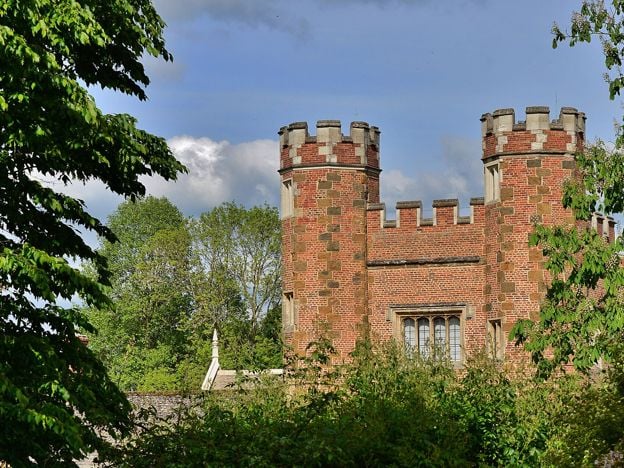
William Cope, cofferer to Henry VII, was granted the manor in 1498 and began a house of brick with stone dressings, one of the earliest brick buildings in the district. What survives is the south-west tower and the south range, with a matching east wing added in the twentieth century. Historic England lists it Grade II* as a country house now divided into three homes. It is private and not normally open, so see it from the road, or read more on our page on Hanwell Castle.
The way in is an event. Hanwell Community Observatory (opens in a new tab), a group of amateur astronomers and volunteers founded in 1999, keeps permanently mounted telescopes at Hanwell and holds several public events a year, at the castle. In February 2026 its Stars and Snowdrops weekend offered a woodland walk among the snowdrops, the telescopes and a chance to meet the archaeologists working there, at £5 for adults and £2.50 for under 18s, with no dogs and stout footwear essential. In September 2026 a living history weekend at the castle showed the archaeological dig. Watch the observatory's events page for the next one.
An hour or two in Hanwell
Park behind the church and start there. Walk down the street past the cottages, most of them two storeys of coursed ironstone and some still thatched, to see the castle tower over the wall, then go on to the Moon & Sixpence for lunch. That is the village. Pair it with Horley, a mile to the west, for its great wall painting.
Walks from Hanwell
We found no council or parish leaflet for a walk from Hanwell, so we suggest no route. Footpaths link it with Horley and Hornton to the west, so an OS Explorer map is the safe way to plan a round.
Food and drink
The village pub is the Moon & Sixpence (opens in a new tab), a restaurant pub run by its chef, Hylton Bradley. Its own site gives food from Wednesday to Saturday at lunch and in the evening, and Sunday lunch to 3pm. It is shut on Mondays and Tuesdays except for functions. It was taking Christmas 2026 bookings when we checked. The county history, written in the 1960s, names the village inn of its day as the Red Lion, a seventeenth-century house first named in 1792; we could not confirm whether that is the building the Moon & Sixpence occupies.
The Banburyshire newsletter
Events, new places and the best of the season, about once a month. Unsubscribe at any time.
When to come
Late winter, if the observatory repeats its snowdrop weekend, which in 2026 fell on 14 and 15 February. Otherwise come from Wednesday to Sunday, when the pub serves food. There is nothing here to queue for.
Last verified 11 November 2026 by our editors
Things to do in Hanwell
Museums and galleries · Banbury
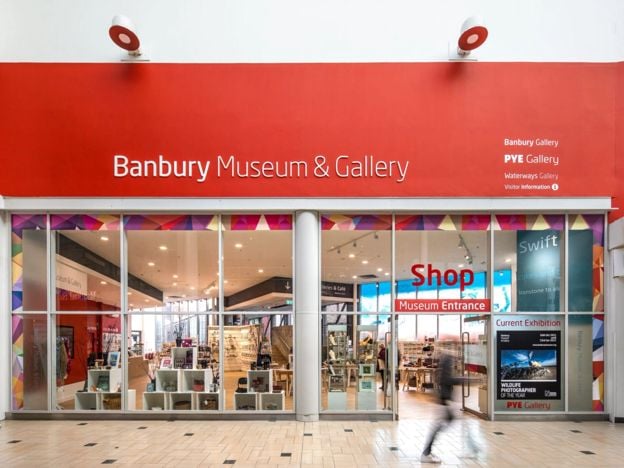
Banbury Museum and Gallery
Banbury's free town museum, on the Oxford Canal with an entrance in Castle Quay: Bronze Age finds, a cannon from Banbury Castle, plush cloth and a canal gallery, with paid touring exhibitions and a canalside café.
-
Tooley's Historic Boatyard
Historic houses and heritage · Banbury
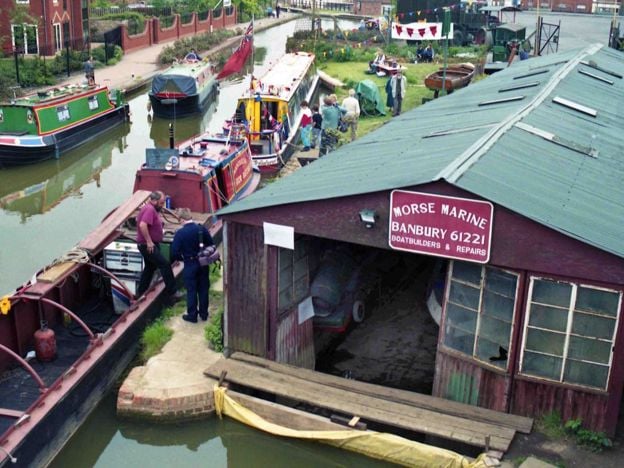
A working dry dock and forge on the Oxford Canal in Banbury, in use since 1778 and now hemmed in by Castle Quay. Small museum in the chandlery, Saturday boat trips in summer, and blacksmith courses. A scheduled monument and the start of Tom Rolt's Narrow Boat.
Car-free
Verified Nov 2026
-
The National Herb Centre, Warmington
Parks and gardens
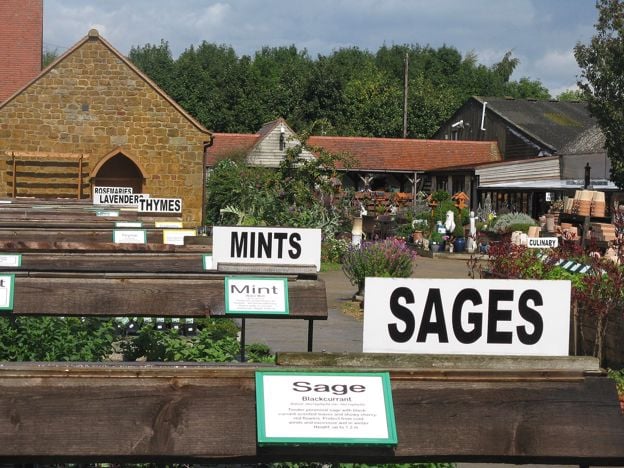
A plant centre at Warmington, near Banbury, growing culinary and medicinal herbs, fruit and native wildflowers, most of them on site in peat-free compost, with a café bistro, a play area and nature trails.
Verified Nov 2026
-
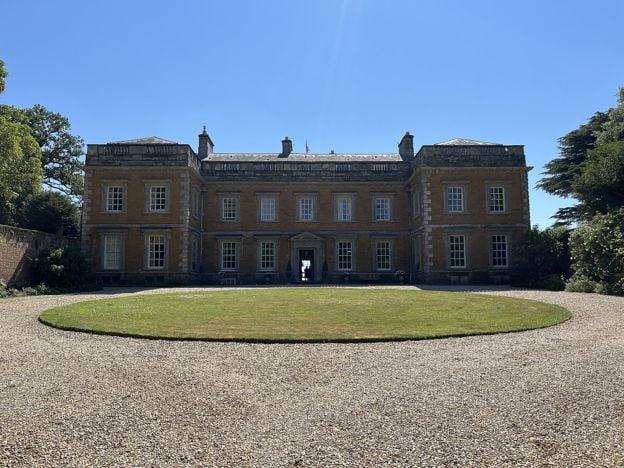
Farnborough Hall
Historic houses and heritage
A Palladian house north of Banbury, still lived in by the Holbech family and run with the National Trust, with a raised terrace walk to an obelisk. A few rooms and the grounds open from April to September. Closed until 7 April 2027.
Walker-friendly
Verified Nov 2026
Where to eat and drink in Hanwell
-
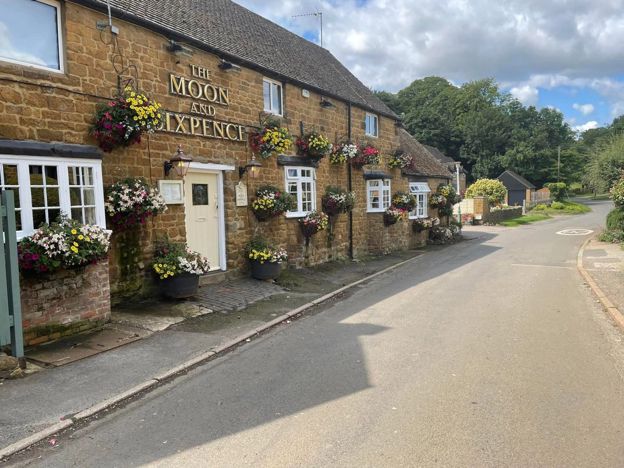
The Moon and Sixpence, Hanwell
Pubs · Hanwell
A refurbished dining pub on Main Street in Hanwell, about two miles north-west of Banbury, with an open kitchen run by chef Hylton Bradley, a set lunch and dinner menu, and a large car park.
Family-friendly · Walker-friendly
Verified Nov 2026
-
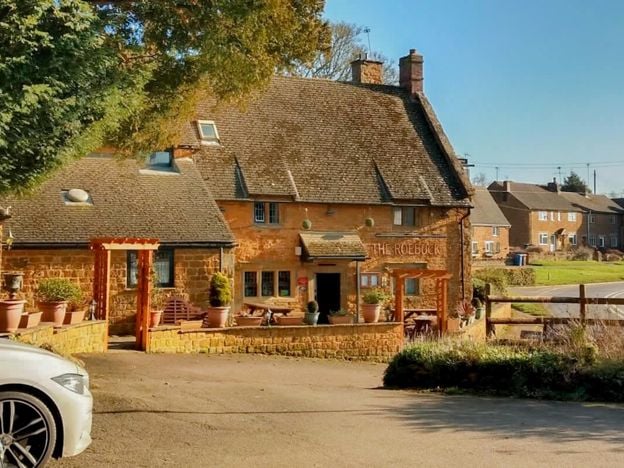
The Roebuck Inn, Drayton
Pubs
A Hook Norton pub in a late 17th-century listed building on the A422 at Drayton, just outside Banbury, with a south-facing courtyard, a modern British menu, a car park and dogs welcome.
Dog-friendly
Verified Nov 2026
-
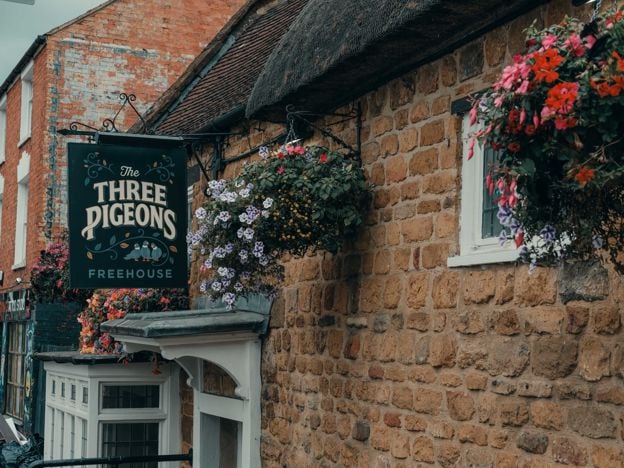
The Three Pigeons, Banbury
Pubs · Banbury
A Grade II listed 17th-century inn, partly thatched, on Southam Road, Banbury, with real ales and ciders, a courtyard, Smash Cow street food from Thursday to Saturday and three en-suite rooms.
Dog-friendly · Car-free
Verified Nov 2026
Walks in and around Hanwell
-
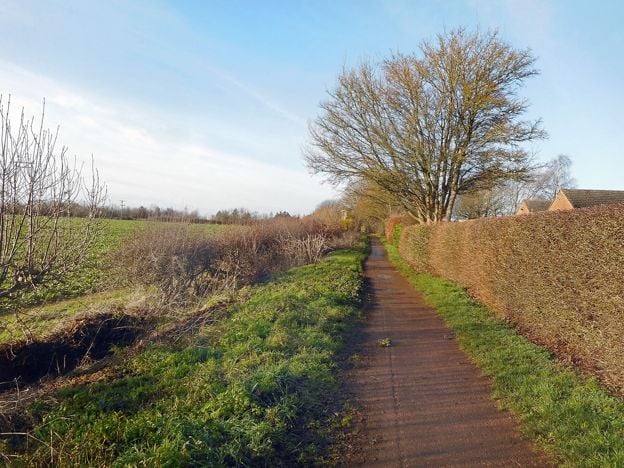
Banbury Fringe Circular Walk
Walk · Starts in Banbury · 5 hrs · Circular
A 10.6-mile (17.1km) waymarked circular walk round the edge of Banbury, moderate and about five hours: the Oxford Canal south to Bodicote, the Salt Way past Crouch Hill, field and wood paths by Giant's Cave, and an old ironstone railway back to the canal.
-
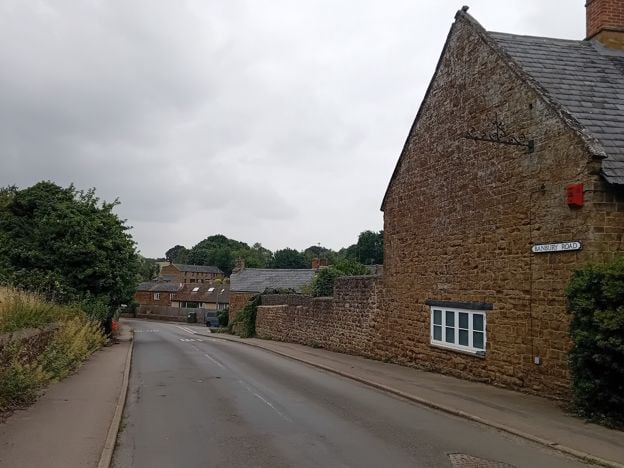
Banbury Ironstone Heritage Walk
Walk · Starts in Banbury · 4 hrs · Circular
The Banbury Ironstone Heritage Walk is a 9.6-mile (15.5km) moderate circular walk from Banbury station, about four hours with 180m of climbing. It follows the canal, skirts the northern estates, reaches Wroxton and North Newington, and ends at Banbury Cross.
-
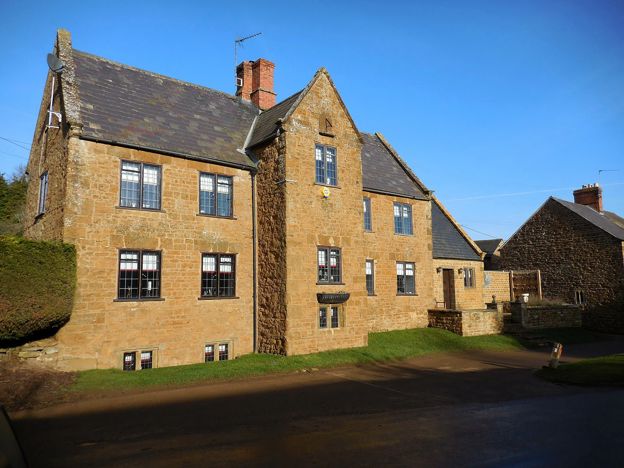
North Newington and Wroxton Circular
Walk · Starts in North Newington · 2 hrs · Circular
A 3.3-mile (5.3km) circular walk from Main Street, North Newington, taking about two hours of moderate walking. It follows field paths to the Sor Brook, climbs past the Wroxton Obelisk into Wroxton and returns over the fields.
Sights in and around Hanwell
-
Hanwell Castle
Sight · Historic building · Hanwell
The surviving tower and range of a Tudor brick courtyard house built for the Cope family at Hanwell, north of Banbury. Grade II*, diapered in red and blue brick, and private: the grounds open on a few event days, such as the February snowdrop weekend.
-
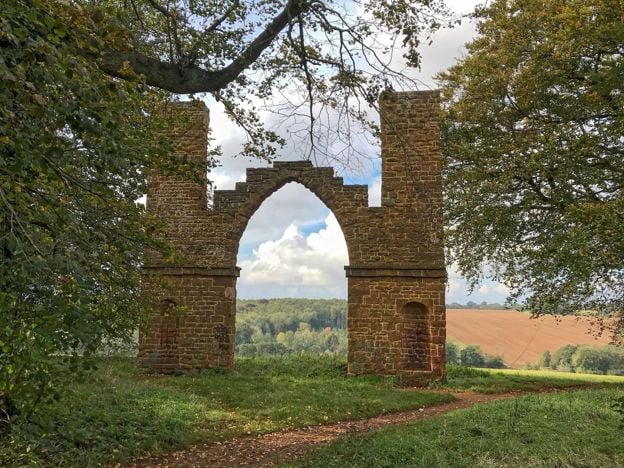
Drayton Arch
Sight · Historic building
A ruined Gothic arch between two thin turrets, built about 1750 as a sham ruin to Sanderson Miller's design for the Wroxton Abbey estate. Grade II*, in fields near Drayton, and reached by a public footpath from Wroxton.
-
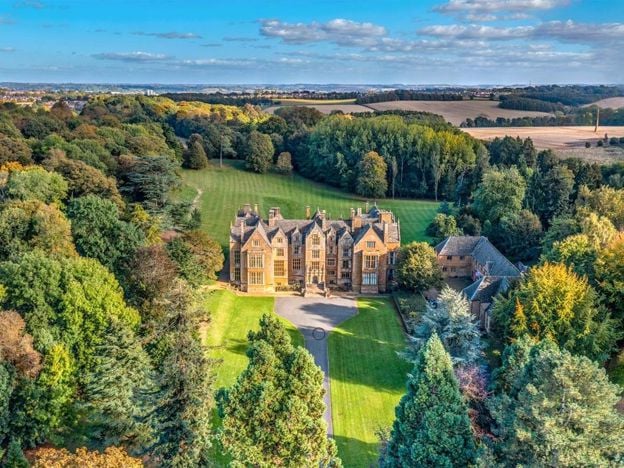
Wroxton Abbey
Sight · Historic building · Wroxton
A Jacobean house of about 1618 west of Banbury, on the site of a medieval priory and long the home of the Norths. Grade I. It is a college and closed to visitors. It passed to an alumni-led group in 2025 to 2026, and a public footpath crosses the grounds.
Stories about Hanwell
-
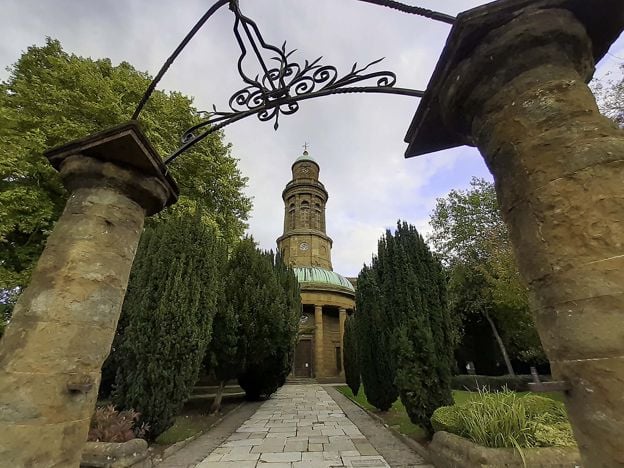
Banbury's puritans: the 'Banbury man', the roaring boy and the zealots
Story · History · 7 minute read
By 1614 'a Banbury man' meant a puritan, and writers mocked the town's zeal. Its people pulled down their crosses, a vicar preached twice every Sunday and was called the roaring boy, and the Quakers came next. What the record shows, and what was a joke.
Getting to Hanwell
- By bus
- The 79, run by Oxfordshire County Council, links Hornton, Horley and Hanwell with Banbury on Thursdays only: in, mid-morning, and back early afternoon (November 2026).
- By train
- Banbury station is about 3 miles away. Take a taxi; there is no daily bus.
- By car
- About 3 miles from Banbury Cross, 10 minutes, by the B4100 Warwick road and the lane east into the village.
- Parking
- Public parking behind St Peter's church, at the end of Gullicote Lane. The streets are narrow.
- Access
- The village street climbs from the pub to the church. The observatory says the castle grounds are landscaped and not suitable for wheelchairs, with disabled parking down the drive on request at its events.
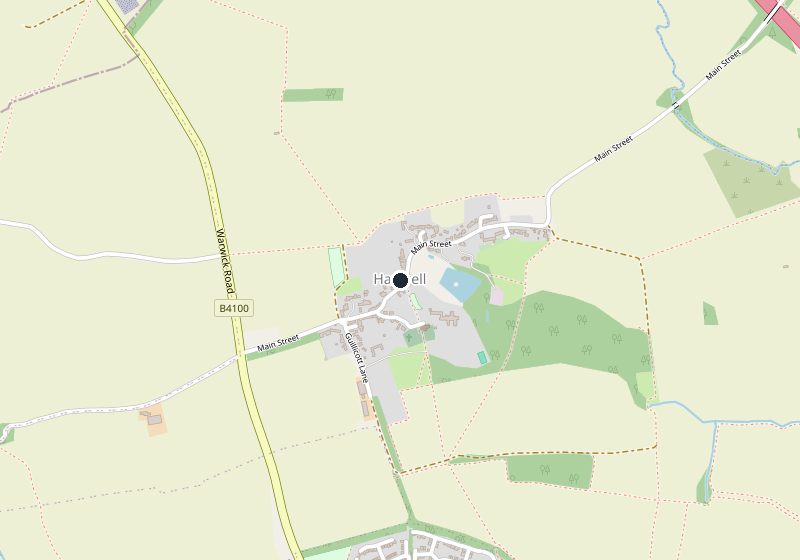
Places near Hanwell
-
 HorleyA hilltop ironstone village about 4 miles north-west of Banbury, built mostly between 1580 and 1640, whose Grade I church holds a fifteenth-century St Christopher the county history counted among the largest in the country. Come for the church and an evening pint, not a day out.
-
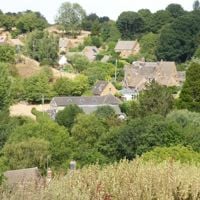 HorntonThe ironstone village that gave Hornton stone its name, in a steep valley 6 miles north-west of Banbury. Thatch, a manor house dated 1607, a Grade I church with a painted Doom, and a thatched pub that keeps evening hours.
-
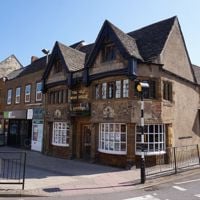 BanburyNorth Oxfordshire's working market town, on the River Cherwell and the Oxford Canal, about an hour from Marylebone. Come for the Cross, the Thursday and Saturday market, the old inns of Parsons Street, the free museum and Tooley's Boatyard.
-
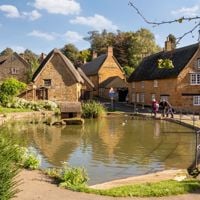 WroxtonA thatched ironstone village 3 miles west of Banbury, with a duck pond and a church tower by Sanderson Miller. Both its pubs have shut, and the Jacobean Abbey is closed to visitors, so bring a plan for lunch.