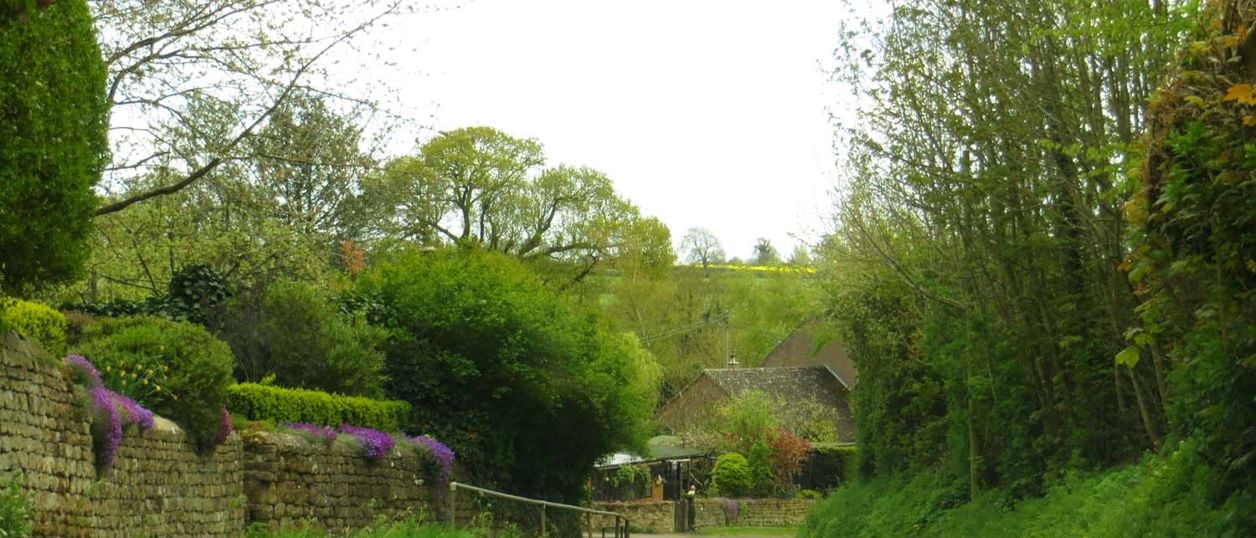
Steve Daniels, CC BY-SA 2.0, via Wikimedia Commons
Horley
A hilltop ironstone village about 4 miles north-west of Banbury, built mostly between 1580 and 1640, whose Grade I church holds a fifteenth-century St Christopher the county history counted among the largest in the country. Come for the church and an evening pint, not a day out.
- Nearest station
- Banbury, about 4 miles, then a taxi. The village bus runs on Thursdays only
- Parking
- We found no public car park. Park with care on the lanes, and keep clear of the church gate and farm entrances
- Dogs
- CAMRA lists the Red Lion as dog friendly.
About Horley
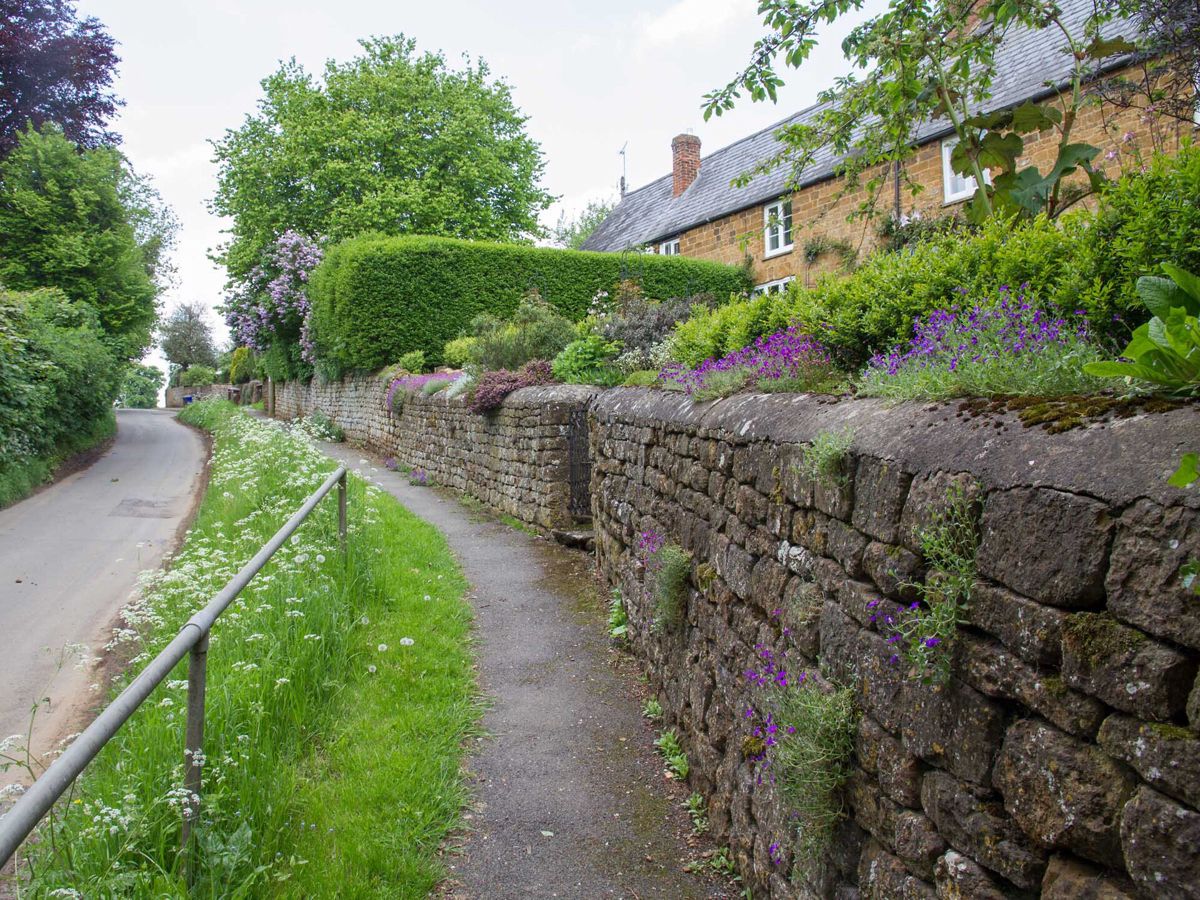
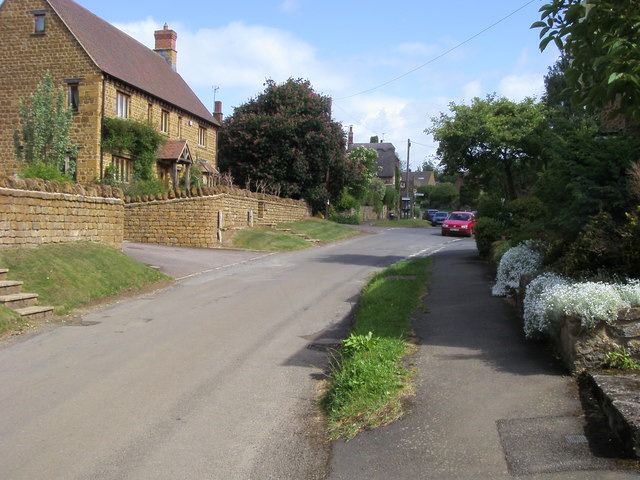
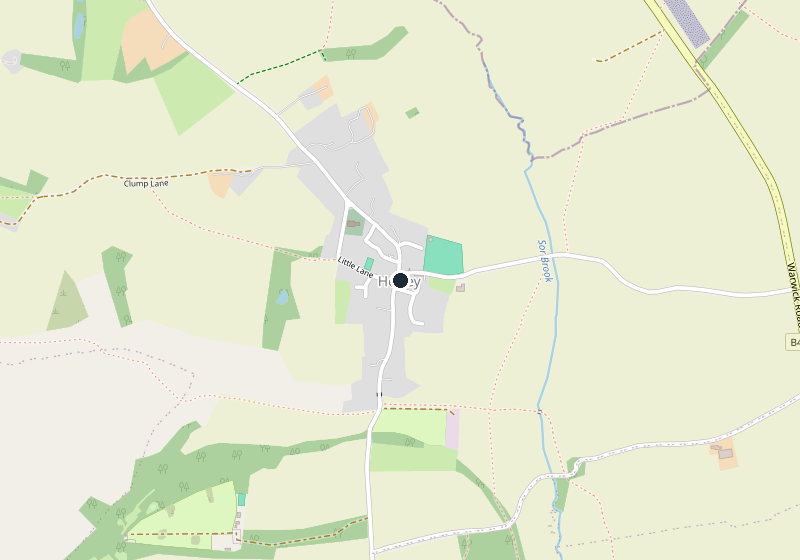
Horley crowns a hill about 150m up, 4 miles north-west of Banbury, with brooks running in the valleys either side. One long street climbs past brown ironstone houses to the church at the top. The county history dates most of the houses and cottages to between 1580 and 1640. The reason to come is inside the church.
St Etheldreda's and the St Christopher
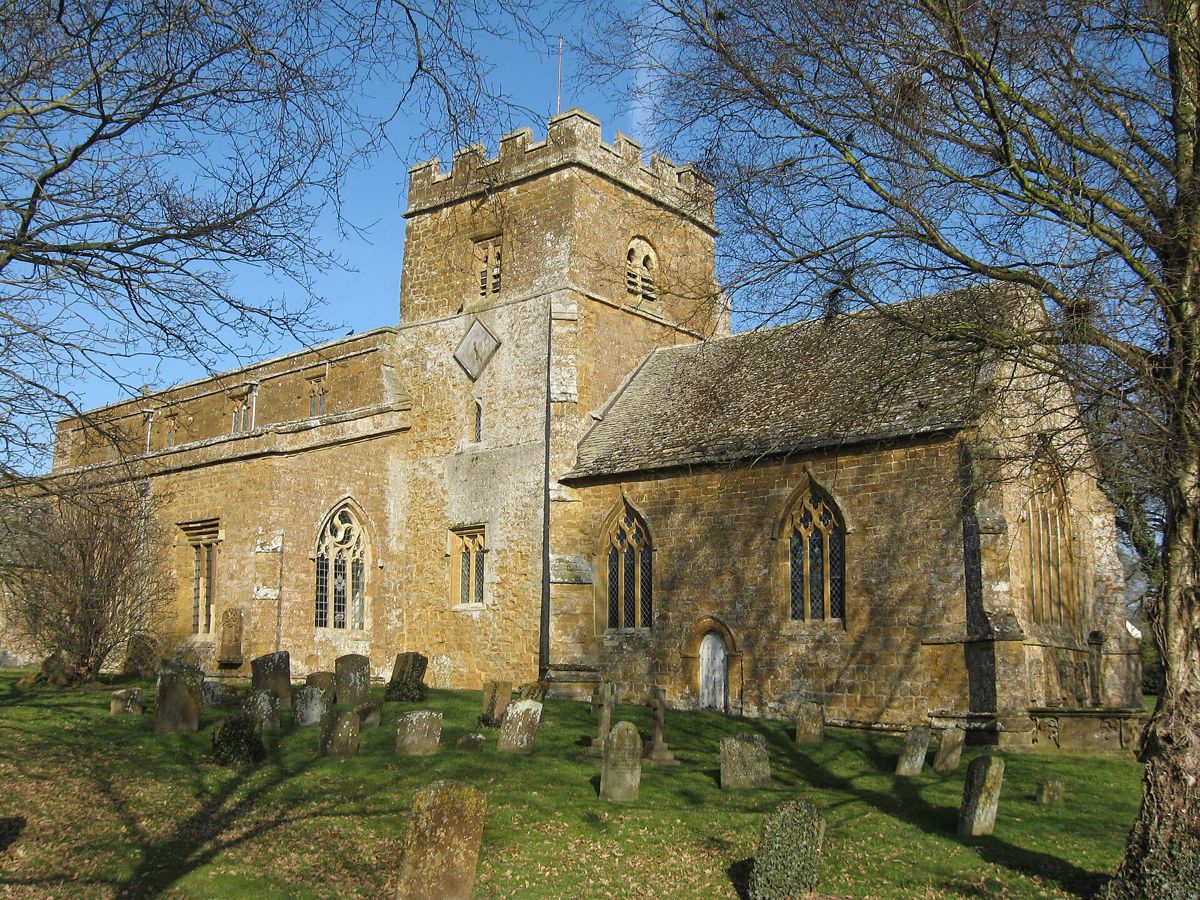
St Etheldreda's is listed Grade I and built of Hornton stone. Its tower dates from the late twelfth century, and the chancel largely from about 1200, remodelled in the fourteenth. The Oxfordshire Historic Churches Trust describes it as light and spacious, with tall windows and good Decorated tracery.
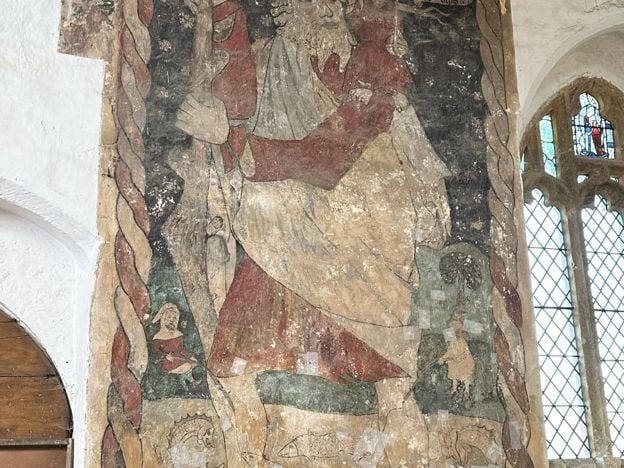
The wall painting of St Christopher, dated to about 1450, is enormous and colourful. The Victoria County History called it 'one of the largest and most perfect representations of the saint in this country'. He wades through a stream full of fish, and his staff bends under the weight of the Christ child on his shoulder. Other scenes uncovered in 1853 could not be saved. The rood screen and loft are post-war, by Lawrence Dale between 1947 and 1950, and the pulpit shows scenes from the life of St Etheldreda, or Audrey, a seventh-century nun revered in East Anglia and rarely honoured in Oxfordshire. The trust has recorded the church open for its Ride and Stride day; we found no regular opening hours.
The village and the Manor House
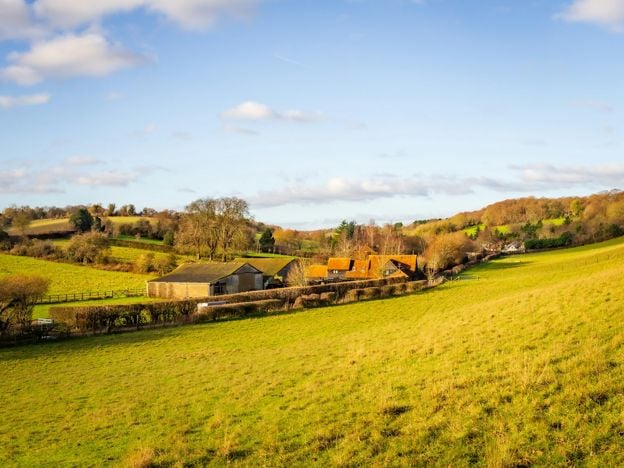
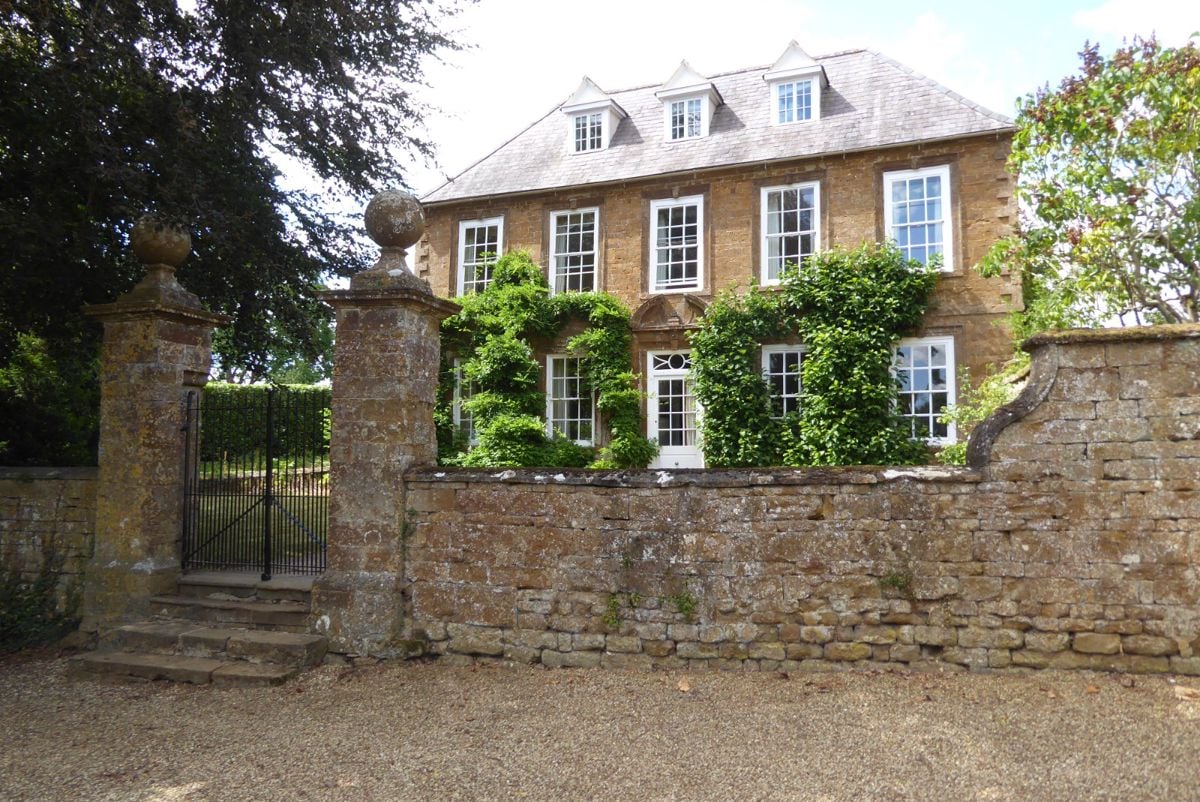
The Manor House south of the church is listed Grade II*, a long sixteenth and seventeenth-century range given a new east front about 1700, with a doorway under a broken pediment. It is a private home, seen from the lane. Most houses keep the plain local look: two storeys of ironstone, many altered in the eighteenth century. For why the stone is that colour, read our story of Hornton stone. Horley is a conservation area, and the council's latest appraisal of it is dated February 2022.
An hour in Horley
Go straight up to the church, give the painting time, then walk back down the street to look at the houses. An hour covers it. Join it to Hanwell, a mile east, for its carved church, or to Hornton, under 2 miles west in its valley, for the Doom painting there.
Walks from Horley
We found no council or parish leaflet for a walk from Horley, so we suggest no route. Footpaths run down to the brooks and over to Hornton, and an OS Explorer map is the safe way to plan one.
Food and drink
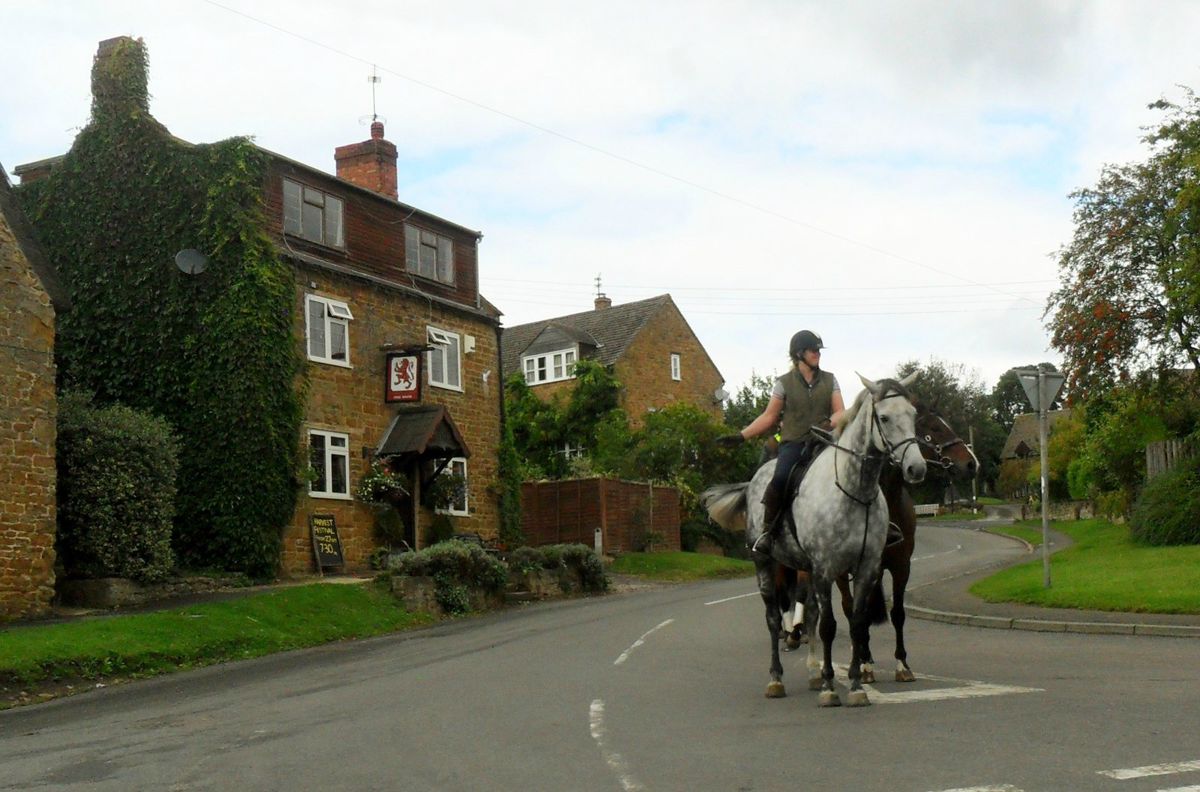
The Red Lion on Hornton Lane is the one pub left of the four the county history found. It is an evening pub with Hook Norton among its ales, Aunt Sally in the garden and a beer festival around St George's Day, on CAMRA's guide. CAMRA's hours, updated in February 2026, are evenings from Tuesday to Friday and afternoons at the weekend (its Saturday hours are for summer), with Mondays closed. CAMRA mentions pizza pop-up nights, usually at weekends, but we found no website or food menu, so ring before you go. For a meal, the Bell at Shenington is about 3 miles west.
The Banburyshire newsletter
Events, new places and the best of the season, about once a month. Unsubscribe at any time.
When to come
Any dry day for the church, though we found no regular opening hours. The Oxfordshire Historic Churches Trust has listed it as open on its Ride and Stride day. Come in the late afternoon if you want to finish at the Red Lion.
Last verified 11 November 2026 by our editors
Things to do in Horley
Parks and gardens
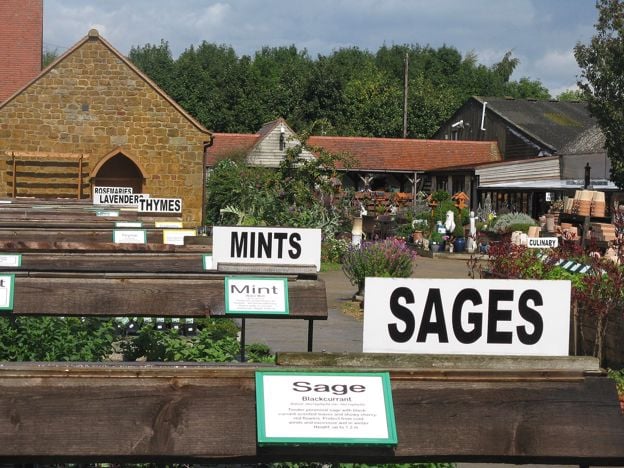
The National Herb Centre, Warmington
A plant centre at Warmington, near Banbury, growing culinary and medicinal herbs, fruit and native wildflowers, most of them on site in peat-free compost, with a café bistro, a play area and nature trails.
-
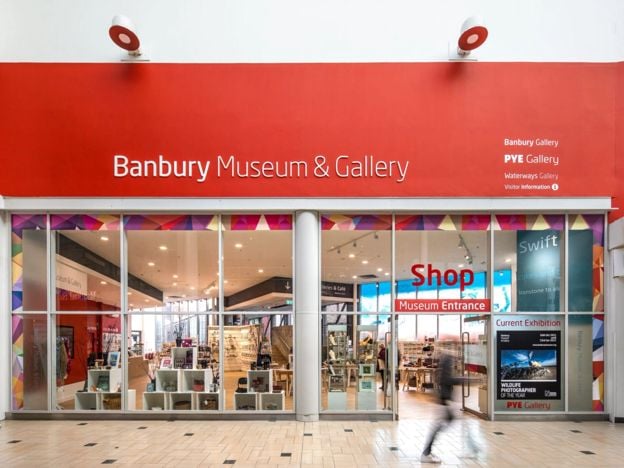
Banbury Museum and Gallery
Museums and galleries · Banbury
Banbury's free town museum, on the Oxford Canal with an entrance in Castle Quay: Bronze Age finds, a cannon from Banbury Castle, plush cloth and a canal gallery, with paid touring exhibitions and a canalside café.
Family-friendly · Rainy days · Car-free
Verified Nov 2026
-
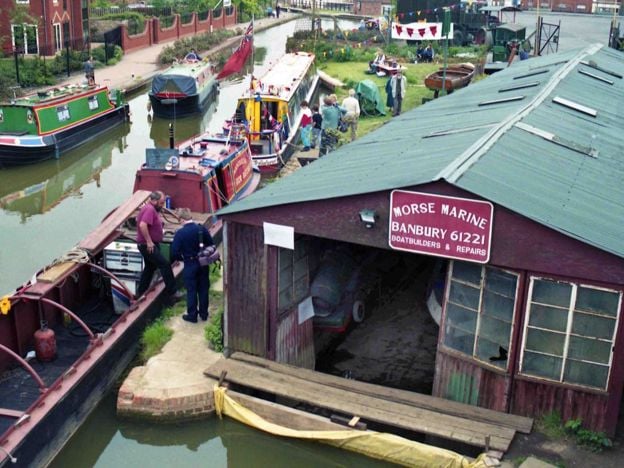
Tooley's Historic Boatyard
Historic houses and heritage · Banbury
A working dry dock and forge on the Oxford Canal in Banbury, in use since 1778 and now hemmed in by Castle Quay. Small museum in the chandlery, Saturday boat trips in summer, and blacksmith courses. A scheduled monument and the start of Tom Rolt's Narrow Boat.
Car-free
Verified Nov 2026
-
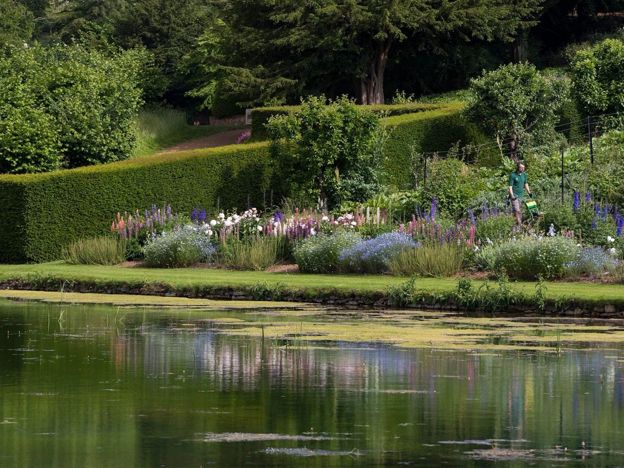
Upton House and Gardens
Historic houses and heritage
A National Trust house on the Edge Hill ridge, remodelled in the 1920s for the oil magnate Lord Bearsted to show his paintings by Bosch, El Greco, Stubbs and Hogarth, above terraced gardens that drop 30m to a Mirror Pool.
Family-friendly · Dog-friendly · Rainy days
Verified Nov 2026
Where to eat and drink in Horley
-
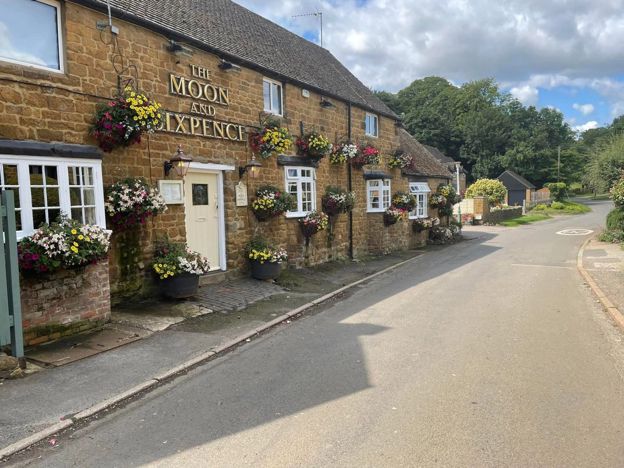
The Moon and Sixpence, Hanwell
Pubs · Hanwell
A refurbished dining pub on Main Street in Hanwell, about two miles north-west of Banbury, with an open kitchen run by chef Hylton Bradley, a set lunch and dinner menu, and a large car park.
Family-friendly · Walker-friendly
Verified Nov 2026
-
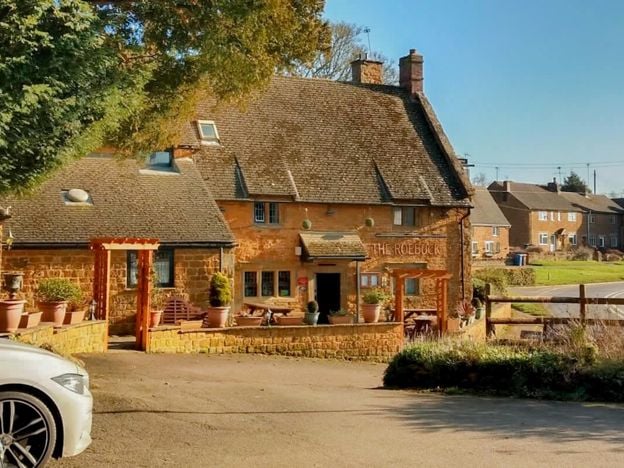
The Roebuck Inn, Drayton
Pubs
A Hook Norton pub in a late 17th-century listed building on the A422 at Drayton, just outside Banbury, with a south-facing courtyard, a modern British menu, a car park and dogs welcome.
Dog-friendly
Verified Nov 2026
-
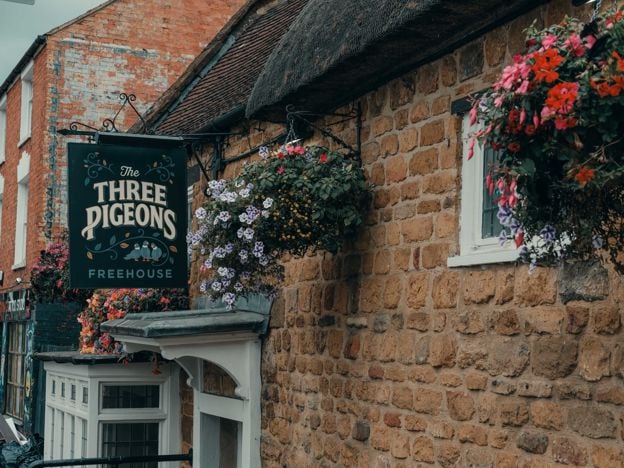
The Three Pigeons, Banbury
Pubs · Banbury
A Grade II listed 17th-century inn, partly thatched, on Southam Road, Banbury, with real ales and ciders, a courtyard, Smash Cow street food from Thursday to Saturday and three en-suite rooms.
Dog-friendly · Car-free
Verified Nov 2026
Walks in and around Horley
-
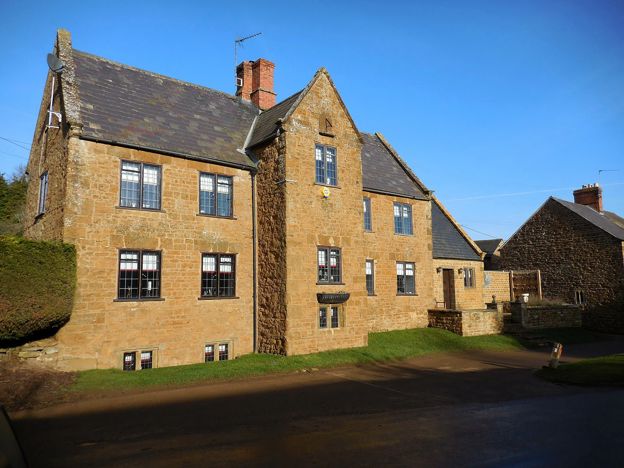
North Newington and Wroxton Circular
Walk · Starts in North Newington · 2 hrs · Circular
A 3.3-mile (5.3km) circular walk from Main Street, North Newington, taking about two hours of moderate walking. It follows field paths to the Sor Brook, climbs past the Wroxton Obelisk into Wroxton and returns over the fields.
-
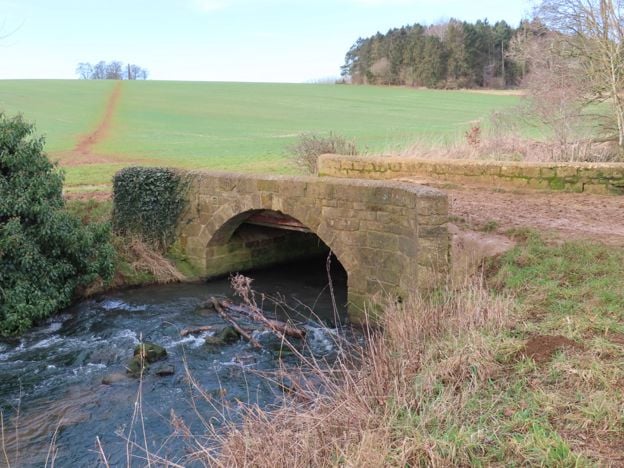
Broughton Road to Wroxton Obelisk Circular
Walk · Starts in Broughton · 2 hrs · Circular
A 4.5-mile (7.3km) circular walk from the car park on Broughton Road, about two hours of moderate walking on field paths. It crosses the Sor Brook, climbs to the Wroxton Obelisk and returns by the other bank. It does not go through Broughton or past the castle.
-
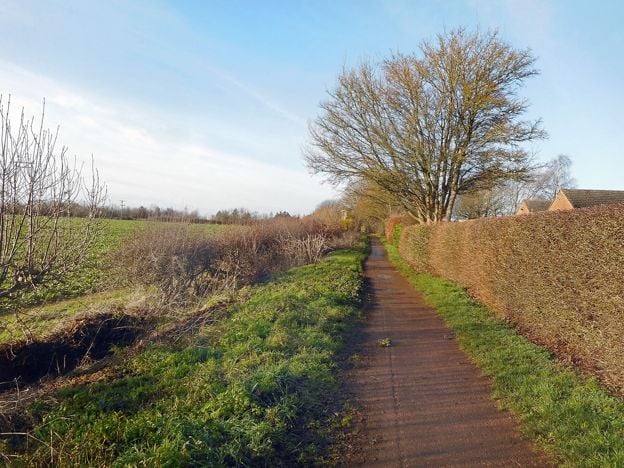
Banbury Fringe Circular Walk
Walk · Starts in Banbury · 5 hrs · Circular
A 10.6-mile (17.1km) waymarked circular walk round the edge of Banbury, moderate and about five hours: the Oxford Canal south to Bodicote, the Salt Way past Crouch Hill, field and wood paths by Giant's Cave, and an old ironstone railway back to the canal.
Sights in and around Horley
-
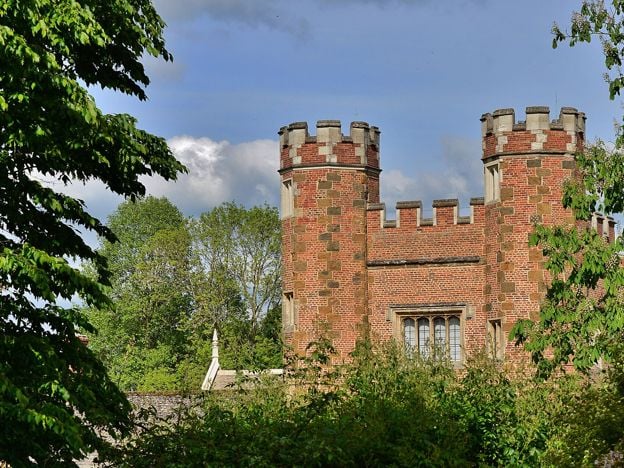
Hanwell Castle
Sight · Historic building · Hanwell
The surviving tower and range of a Tudor brick courtyard house built for the Cope family at Hanwell, north of Banbury. Grade II*, diapered in red and blue brick, and private: the grounds open on a few event days, such as the February snowdrop weekend.
-
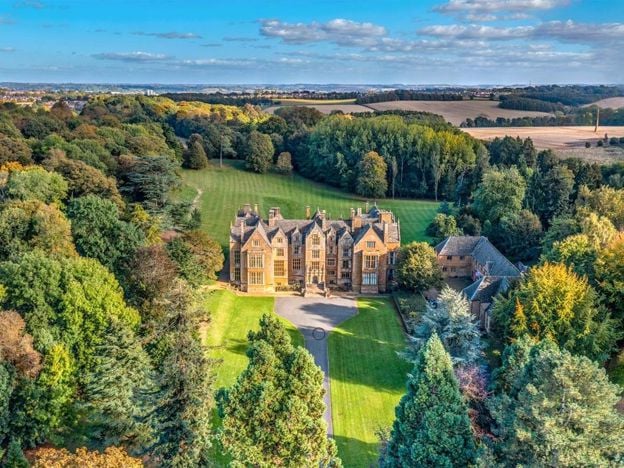
Wroxton Abbey
Sight · Historic building · Wroxton
A Jacobean house of about 1618 west of Banbury, on the site of a medieval priory and long the home of the Norths. Grade I. It is a college and closed to visitors. It passed to an alumni-led group in 2025 to 2026, and a public footpath crosses the grounds.
-
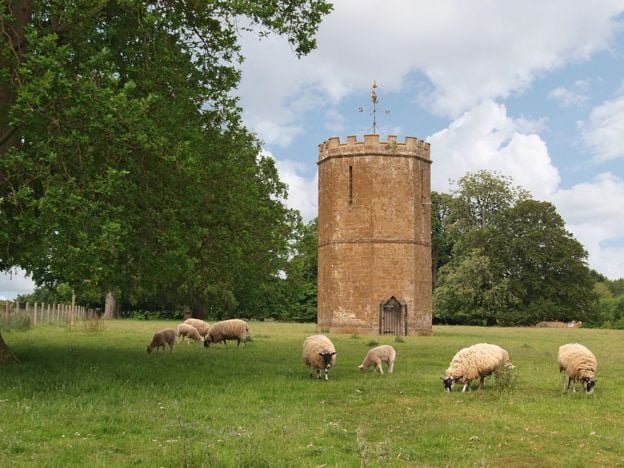
Wroxton Dovecote
Sight · Historic building · Wroxton
A Gothic dovecote of 1745 by Sanderson Miller in the park of Wroxton Abbey, west of Banbury, built both to house pigeons and to look like a small castle from the house. Ironstone, polygonal and Grade II*. In the Abbey's park, so seen from a distance.
Getting to Horley
- By bus
- The 79, run by Oxfordshire County Council, stops at the Red Lion on Thursdays only: into Banbury mid-morning, back early afternoon (November 2026).
- By train
- Banbury station is about 4 miles away. Take a taxi.
- By car
- About 4 miles from Banbury Cross, 11 minutes, off the B4100 Warwick road or the A422 Stratford road.
- Parking
- No public car park that we found. Park considerately on the lanes.
- Access
- The village climbs one long street from Horley Mill to the church on the hilltop, so expect a slope. CAMRA records steps at the Red Lion's entrance.
Places near Horley
-
 HanwellA small ironstone village about 3 miles north-west of Banbury, with a Grade I church full of carved stone figures and the brick tower of Hanwell Castle. The castle is private, so come for the church, a meal at the Moon & Sixpence or an observatory open day.
-
 HorntonThe ironstone village that gave Hornton stone its name, in a steep valley 6 miles north-west of Banbury. Thatch, a manor house dated 1607, a Grade I church with a painted Doom, and a thatched pub that keeps evening hours.
-
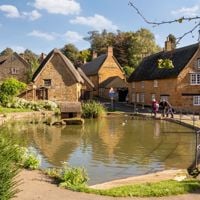 WroxtonA thatched ironstone village 3 miles west of Banbury, with a duck pond and a church tower by Sanderson Miller. Both its pubs have shut, and the Jacobean Abbey is closed to visitors, so bring a plan for lunch.
-
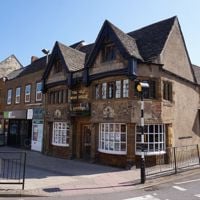 BanburyNorth Oxfordshire's working market town, on the River Cherwell and the Oxford Canal, about an hour from Marylebone. Come for the Cross, the Thursday and Saturday market, the old inns of Parsons Street, the free museum and Tooley's Boatyard.