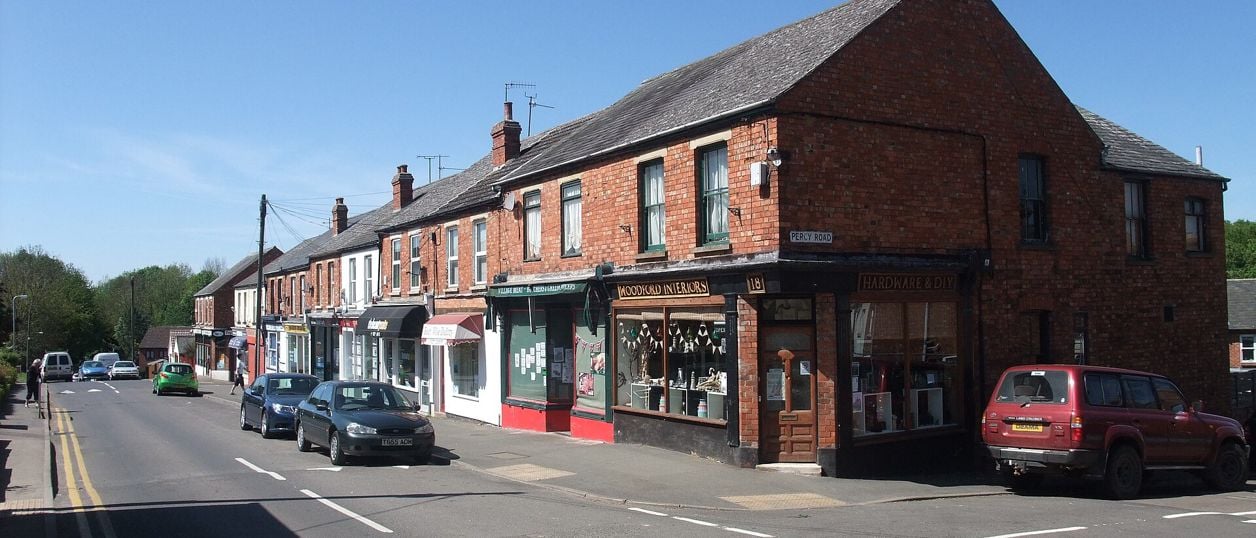
Tim Heaton, CC BY-SA 2.0, via Wikimedia Commons
Woodford Halse
The railway village of the Great Central, which grew round a great marshalling yard and lost it in 1966. The embankment is now a community wood, and the church has a medieval effigy and brass. Come for the railway story and the walks, not for sights.
- Nearest station
- None since the Great Central closed in 1966. Banbury, about 13 miles by road, then the 200 bus
- Parking
- No public car park that we could find. Park with care on the street, away from the shops on Station Road
- Best time
- A dry day for the walks to Charwelton church or along the old railway bank
- When it's busy
- A working village with a school and shops, so school times are the busy ones. Nothing we read suggests visitor crowds.
- Toilets
- None that we could confirm
About Woodford Halse
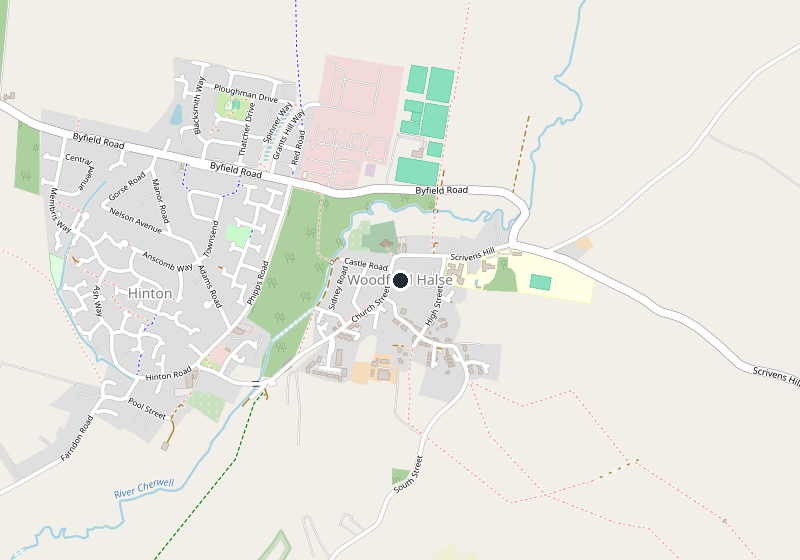
Woodford Halse is a village about 9 miles north-east of Banbury Cross in a straight line, a couple of miles east of Byfield. Its parish, Woodford cum Membris, takes in Hinton and the hamlet of West Farndon. The railway made it: for nearly 70 years this was one of the Great Central's working centres, with yards, an engine shed and a wagon works. The railway has gone, and what is left is a working village with a good story and some useful walks.
What to see in Woodford Halse
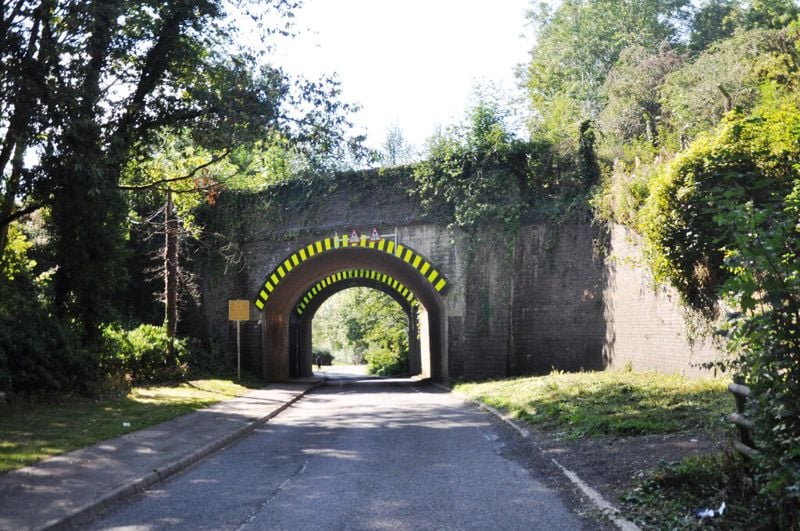
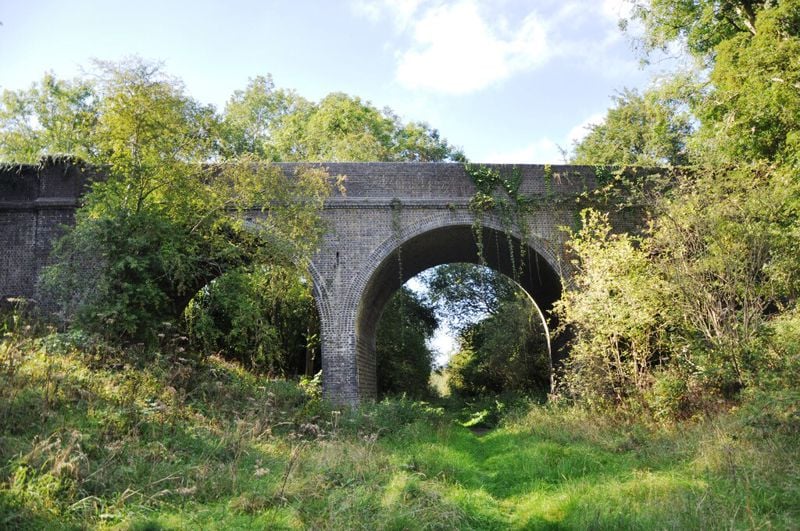
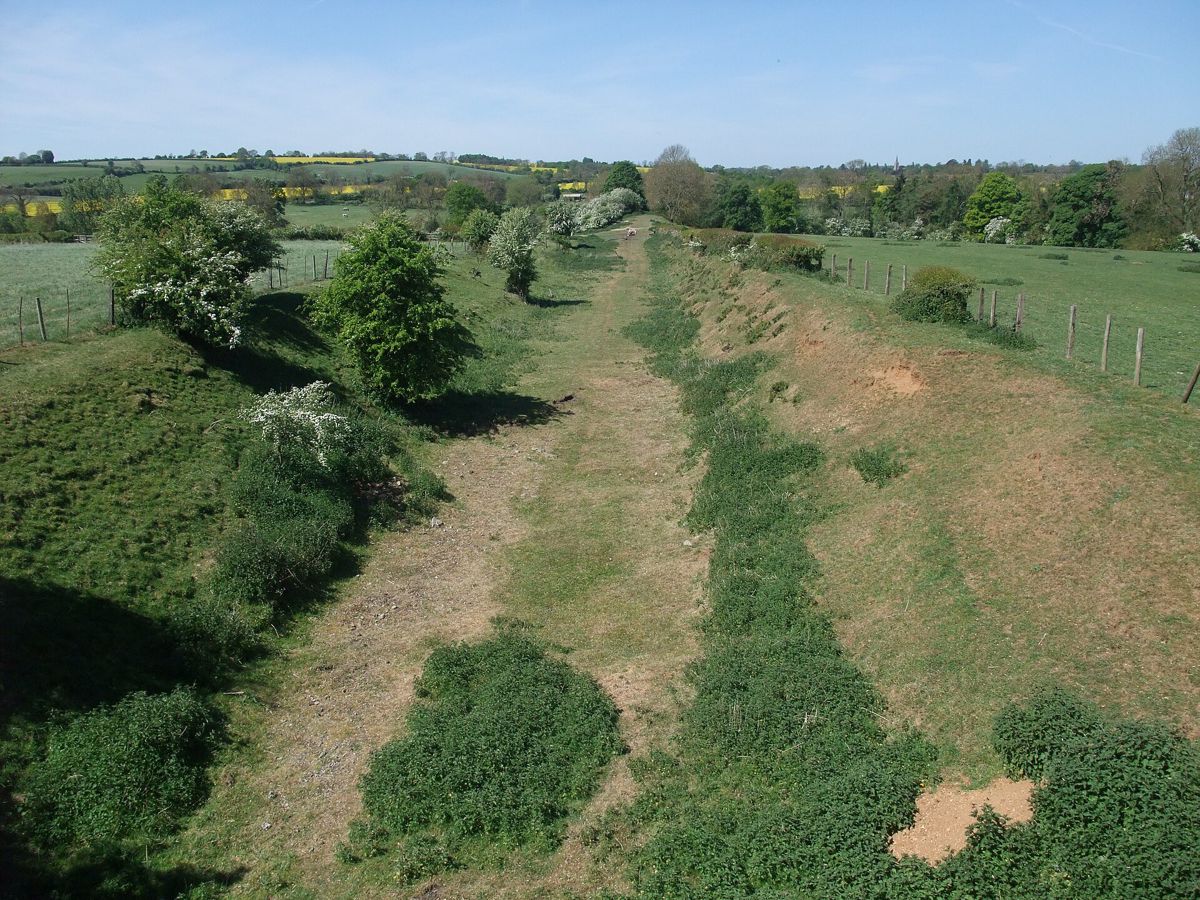
The railway is the thing to understand here, though little of it can be seen. The parish council's history says about 500 men came in 1895 to build the embankment, known locally as the Bank. The first trains ran through in 1897, and passengers first stopped at Woodford and Hinton station on 5 March 1899. Round it grew a freight yard, a locomotive shed and a wagon shop. The old yards had more than 30 tracks for over 1,200 wagons, and new yards north of Byfield Road, opened in 1941, took capacity to 3,250. From 1942 to 1951 the yards handled nearly a million wagon movements a year, with about 500 staff. For the lines that served the quarries round here, see the ironstone railways of Banburyshire.
The line closed in September 1966. Contractors took up the track and lowered the Bank. On the Bank itself, a local forester, Peter Gascoigne, led the planting of pine, sycamore, poplar, oak and other hardwoods from the winter of 1981 to 1982. The parish council bought the land in 2016, and it is now the Great Central Woodland, beside the Cherwell between Woodford and Hinton, with the old Cinder Path by the stream that once watered the engines.
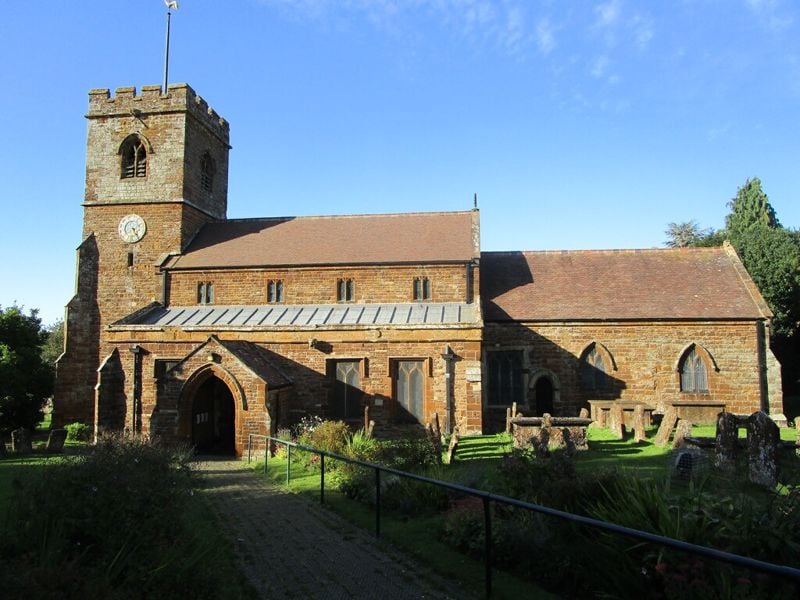
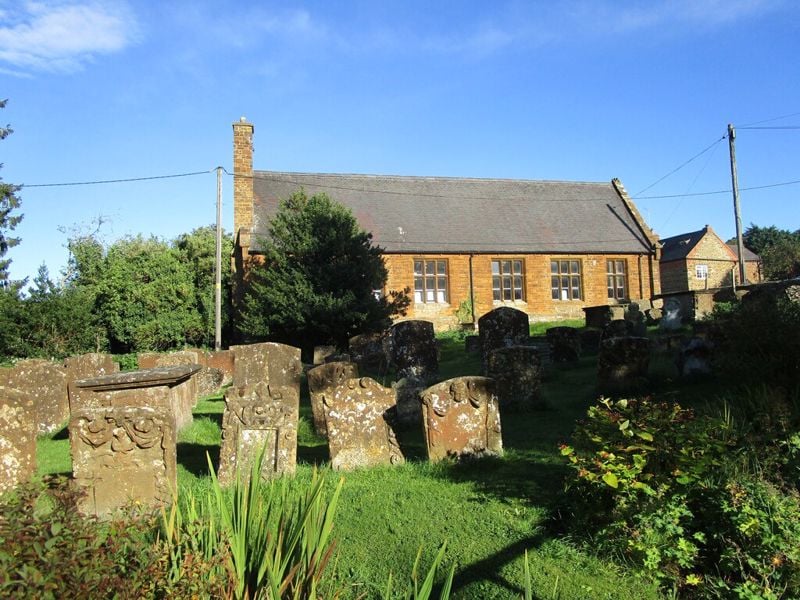
St Mary the Virgin is listed Grade II* and is older than anything the railway brought. It is of the thirteenth to fifteenth centuries, restored in 1878, when the tower was rebuilt and enlarged. Inside are a thirteenth-century north arcade on round piers, a squint from the south aisle to the chancel, and three monuments worth finding: the effigy of a lady from the early fourteenth century, a brass of about 1400, and a wall monument to Mrs Knightley, who died in 1730. We found no published opening hours.
Older still is a Saxon ford. A community dig on the ford's trackway (opens in a new tab) in early 2025 turned up finds spanning a thousand years, from an acorn-patterned brooch to fired bullet cases, probably from the Second World War. Its site says a second phase is complete.
Walks from Woodford Halse
The parish council publishes six walks (opens in a new tab) with directions and photographs: a ramble to Charwelton church and back, Charwelton and back on the Jurassic Way, West Farndon and the Jurassic Way, Woodford Hill, Cherry Tree Farm, and Eydon to Jacks Ford. We have not walked them, and the pages give no distances, so check the map. The Charwelton ramble is the one to pick: it ends at a Grade I church among the earthworks of a deserted village.
A morning in Woodford Halse
Look at St Mary's first, then walk the line of the Bank by Phipps Road into the woodland. With boots on, take the parish's ramble to Charwelton church, or drive the 1.5 miles to Eydon for its long street of ironstone and a pub lunch at the Royal Oak, though ring first.
Food and drink in Woodford Halse
Woodford has the everyday things: a Co-op on Phipps Road, open from 6am to 10pm every day in Eydon's 2026 welcome pack, a pharmacy and takeaways on Station Road. There is nothing we would travel for. For a pub, go to Eydon, about 1.5 miles away, or to the Griffin Inn at Chipping Warden.
The Banburyshire newsletter
Events, new places and the best of the season, about once a month. Unsubscribe at any time.
When to come
Any dry day suits the walks. The parish council lists its events on its What's On page, and in late 2026 it was relaunching the village newsletter, the WoW, from December.
Last verified 11 November 2026 by our editors
Things to do in Woodford Halse
Historic houses and heritage
Canons Ashby
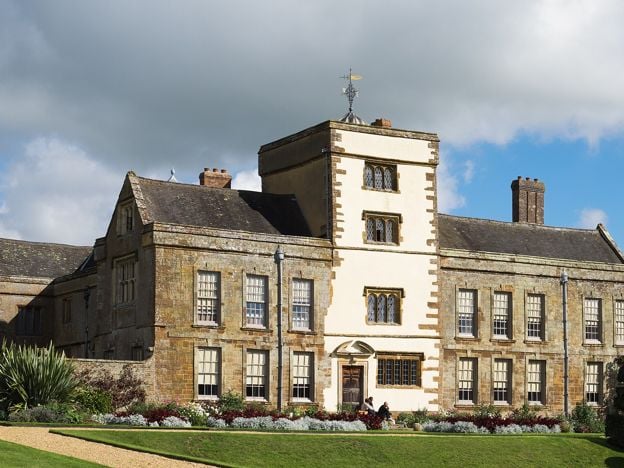
The Dryden family's Elizabethan manor house in south Northamptonshire, with painted rooms, Jacobean plasterwork and terraced gardens, beside the surviving church of a medieval priory. National Trust, north east of Banbury.
-
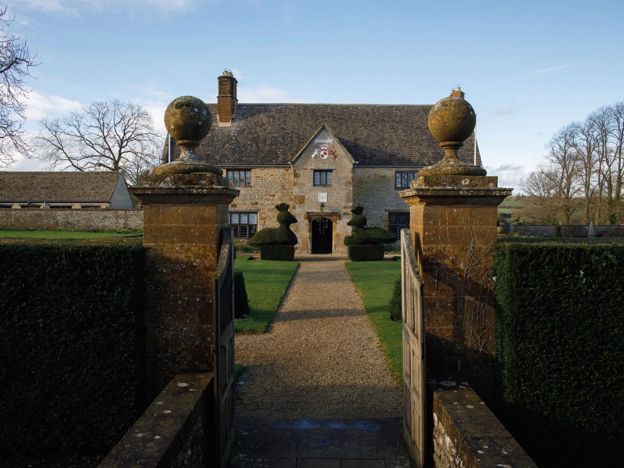
Sulgrave Manor
Historic houses and heritage · Sulgrave
The Tudor manor house built by George Washington's English ancestors, in Sulgrave north east of Banbury, and a museum of the Anglo-American link since 1921. Open Sundays to Tuesdays in season, walk-ins welcome. Closed for the winter until March 2027.
Family-friendly
Verified Nov 2026
Where to eat and drink in Woodford Halse
-
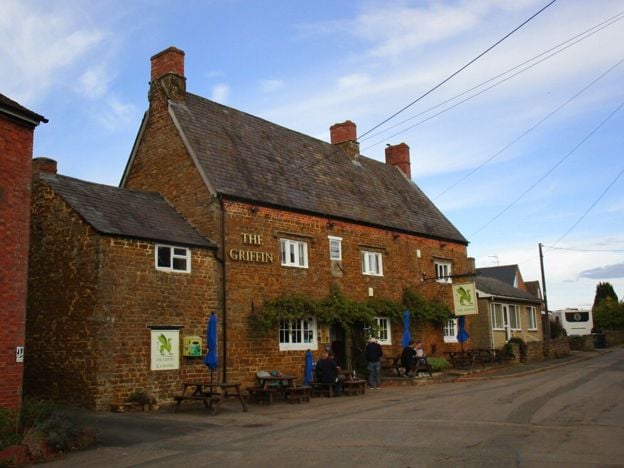
The Griffin Inn, Chipping Warden
Pubs
A Marston's village local at Chipping Warden, north-east of Banbury, with cask ales, a beer garden, a car park with accessible spaces, electric car charging and live sport.
Dog-friendly · EV charging
Verified Nov 2026
-
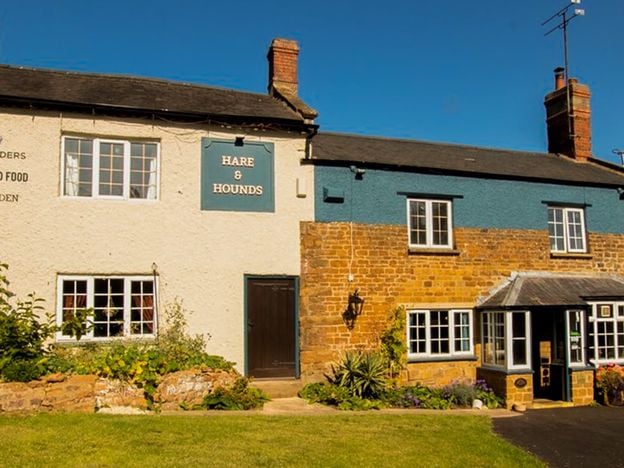
The Hare and Hounds, Wardington
Pubs
A Hook Norton pub on Edgcote Lane in Wardington, near Cropredy, with a large beer garden suited to small children and courtyard tables. Booking is advised for the Sunday roast. Camper vans stay free in the car park if you book in for a meal.
Family-friendly
Verified Nov 2026
-
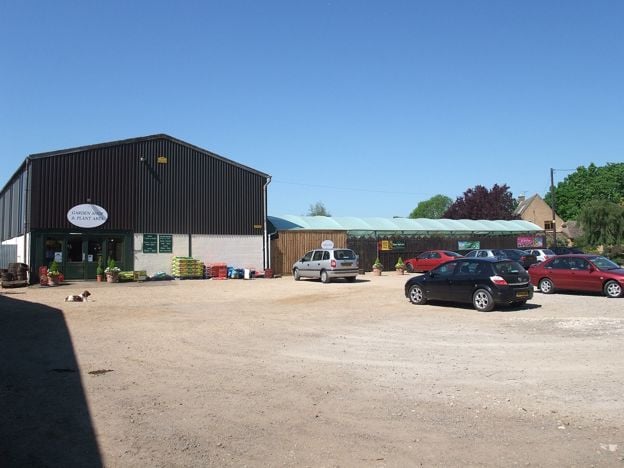
Greenhouse Cafe, Wardington
Cafes and tearooms
The café at Barn Farm Plants garden centre, Upper Wardington, near Banbury, serving homebaked cakes and freshly made food with indoor and outdoor seating, on the Jurassic Way and beside an antiques centre.
Family-friendly · Walker-friendly
Verified Nov 2026
Walks in and around Woodford Halse
-
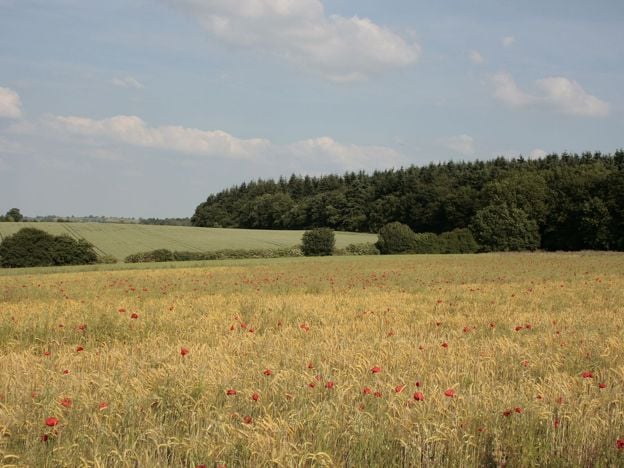
Badby Woods and Fawsley
Walk · Starts in Badby · 1 hr, 30 mins · Circular
A 2.9-mile (4.7km) circular walk from Fawsley across the old deer park to the edge of Badby Woods and up to Badby church, moderate and about an hour and a half, with about 120m of climbing. It follows the county council's Southern Circular and the Knightley Way.
Sights in and around Woodford Halse
-
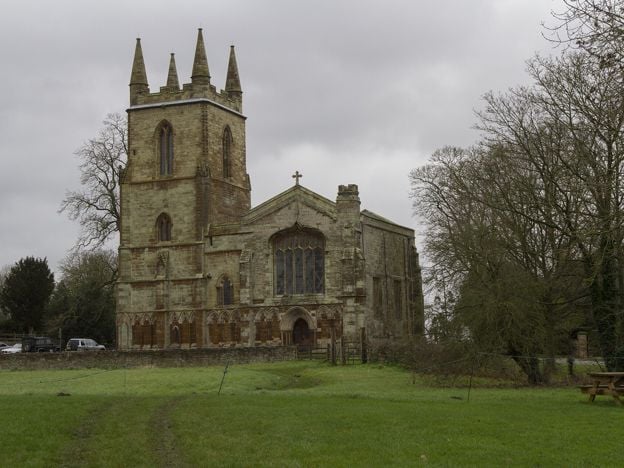
St Mary's Church, Canons Ashby
Sight · Church · Moreton Pinkney
All that stands of the church of an Augustinian priory at Canons Ashby: a Grade I fragment with a thirteenth-century west front, a fourteenth-century tower and the Dryden family's monuments. Part of the National Trust's Canons Ashby.
-
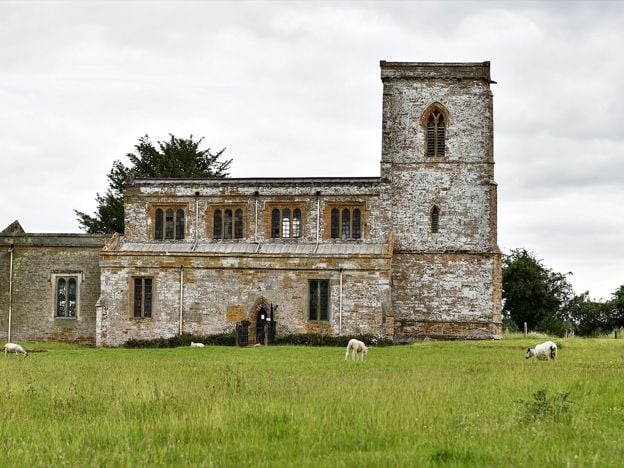
St Mary's Church, Fawsley
Sight · Church · Fawsley
A Grade I church standing alone in Fawsley's park, its village long gone, filled with Knightley tombs, brasses and box pews, with Washington arms in a window. Open daily, says the church, across a field and a ha-ha.
Getting to Woodford Halse
- By bus
- Stagecoach's 200, Banbury to Daventry, calls here roughly hourly Monday to Saturday from Banbury bus station, through Wardington, Chipping Warden and Byfield. We found no Sunday journeys.
- By car
- About 13 miles from Banbury by road, about 25 minutes on a clear run.
- By train
- No station since 1966. Take the train to Banbury, then the 200 bus.
- Parking
- No public car park that we could find. Park with care on the street.
- Access
- We have not checked access. The parish's walks cross fields and the Jurassic Way, and the paths in the Great Central Woodland are not described as surfaced.
Places near Woodford Halse
-
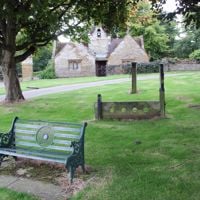 EydonA planned medieval village of two long ironstone streets on high ground north-east of Banbury, with a Norman font in its church, a Grade I Georgian hall next door, a pub, a farm shop and a mummers' play at Christmas.
-
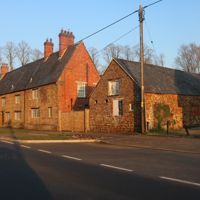 CharweltonA village on the A361 named after the River Cherwell, which rises nearby, with a fifteenth-century packhorse bridge beside the road and a Grade I church out where a medieval village was probably emptied for sheep, with brasses, an alabaster tomb and Eric Gill's lettering.
-
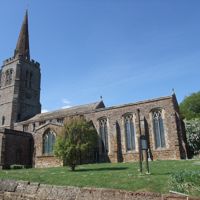 ByfieldA village of about 1,300 on the A361 between Banbury and Daventry, with a Grade I church, a 65-acre reservoir half a mile off and the hall where Sandy Denny played her last gig. A good stop on the way to Badby Woods, and the way to the Edgcote battlefield.
-
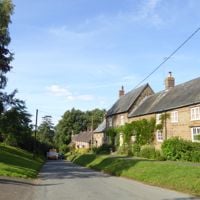 Preston CapesA small village on high ground south of Daventry, with a Norman castle mound and a medieval church. Small and with nowhere to eat, so see it on the way between Fawsley, Everdon and Canons Ashby.