Philip Halling, CC BY-SA 2.0, via Wikimedia Commons
Hornton
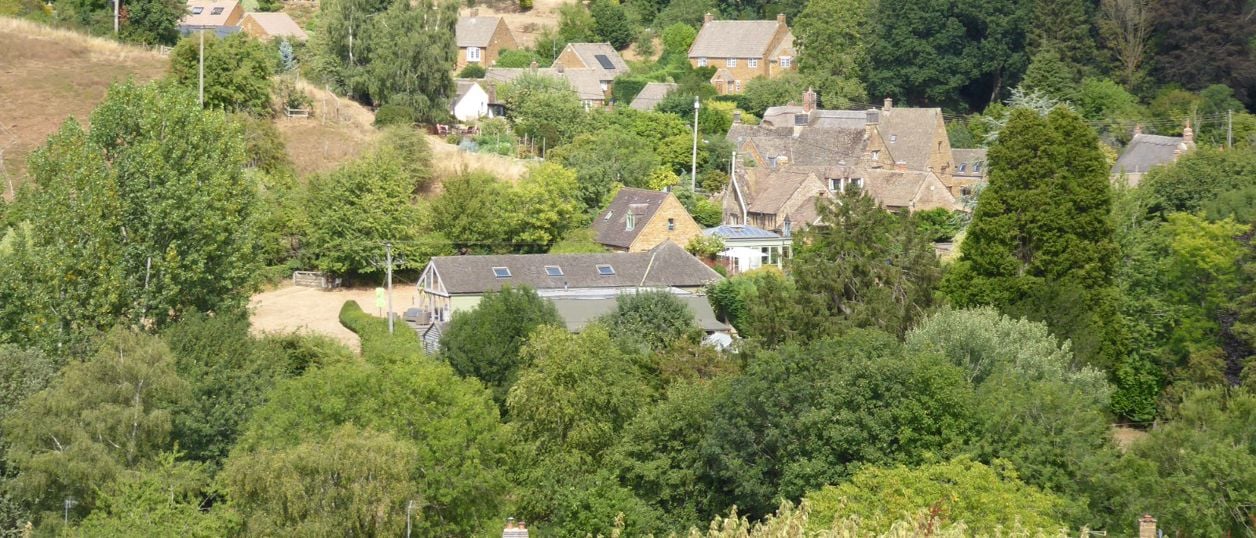
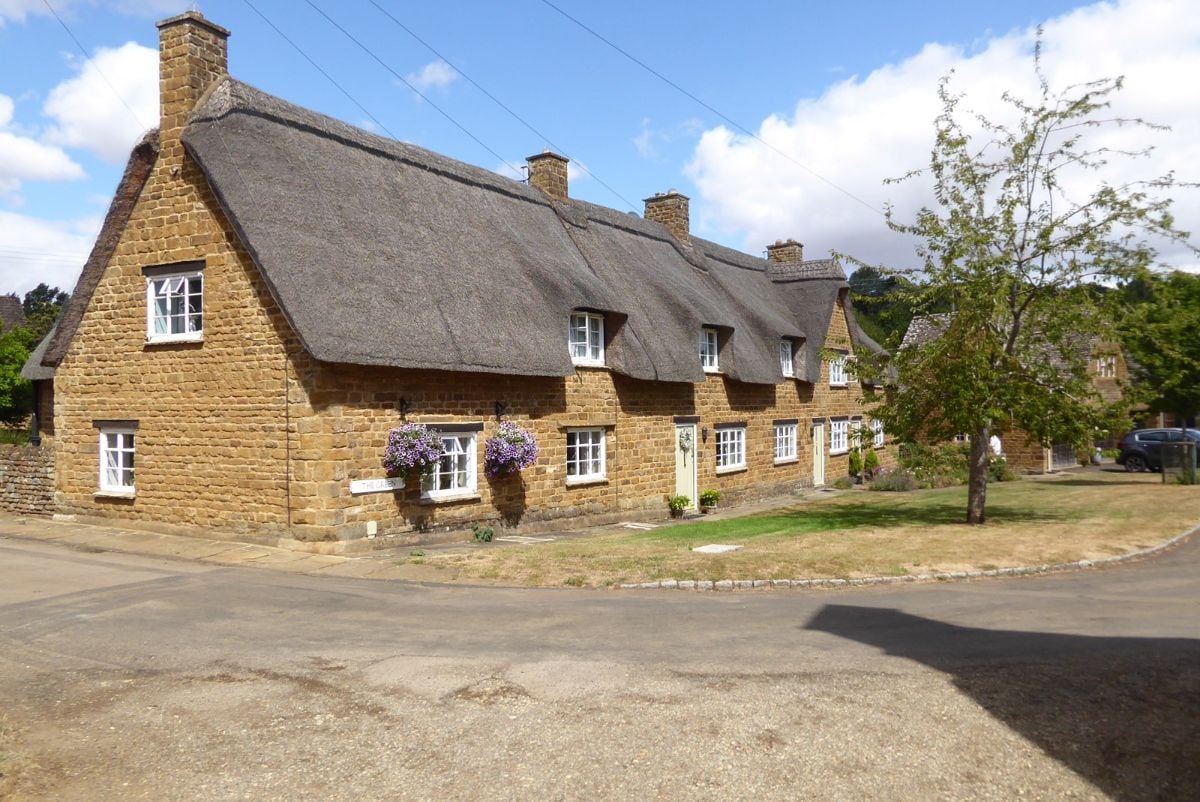
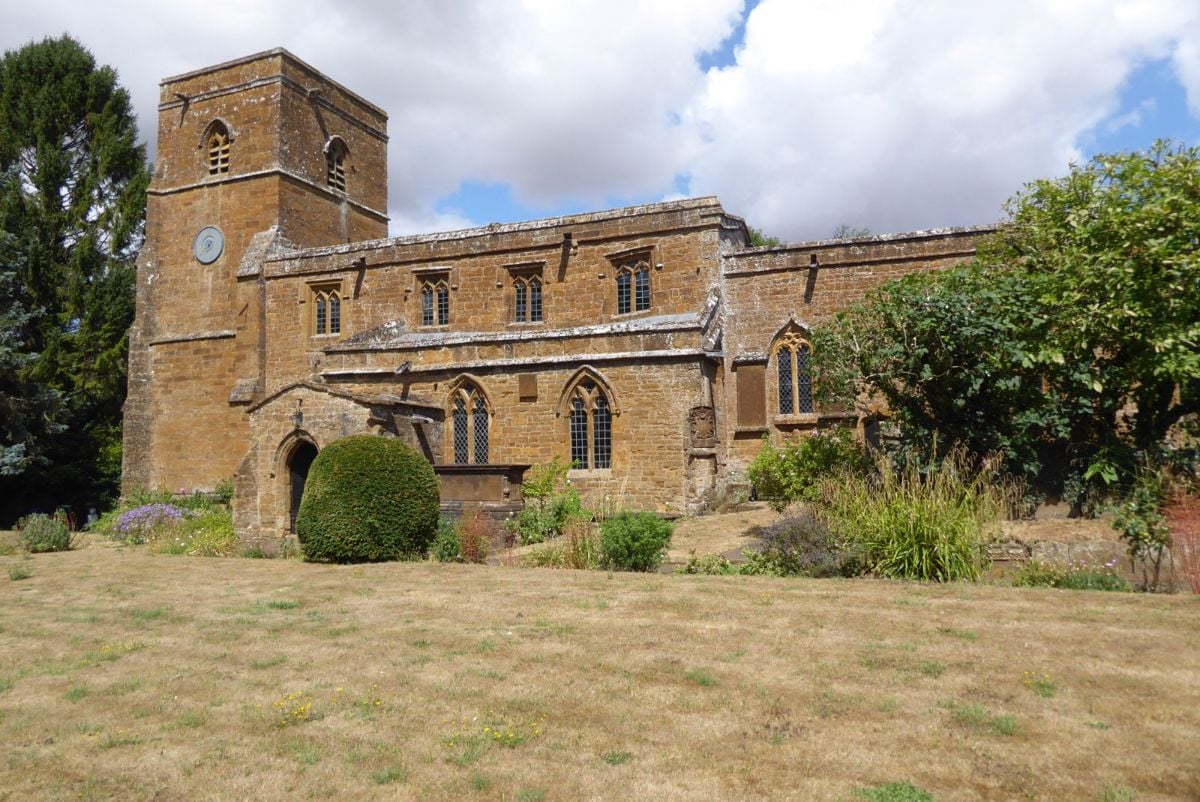
The ironstone village that gave Hornton stone its name, in a steep valley 6 miles north-west of Banbury. Thatch, a manor house dated 1607, a Grade I church with a painted Doom, and a thatched pub that keeps evening hours.
- Nearest station
- Banbury, about 6 miles, then a taxi. The village bus runs on Thursdays only
- Parking
- We found no public car park. Park with care in the village, which sits low in its valley with narrow lanes
- Dogs
- The Dun Cow says on its website that it is dog friendly.
About Hornton
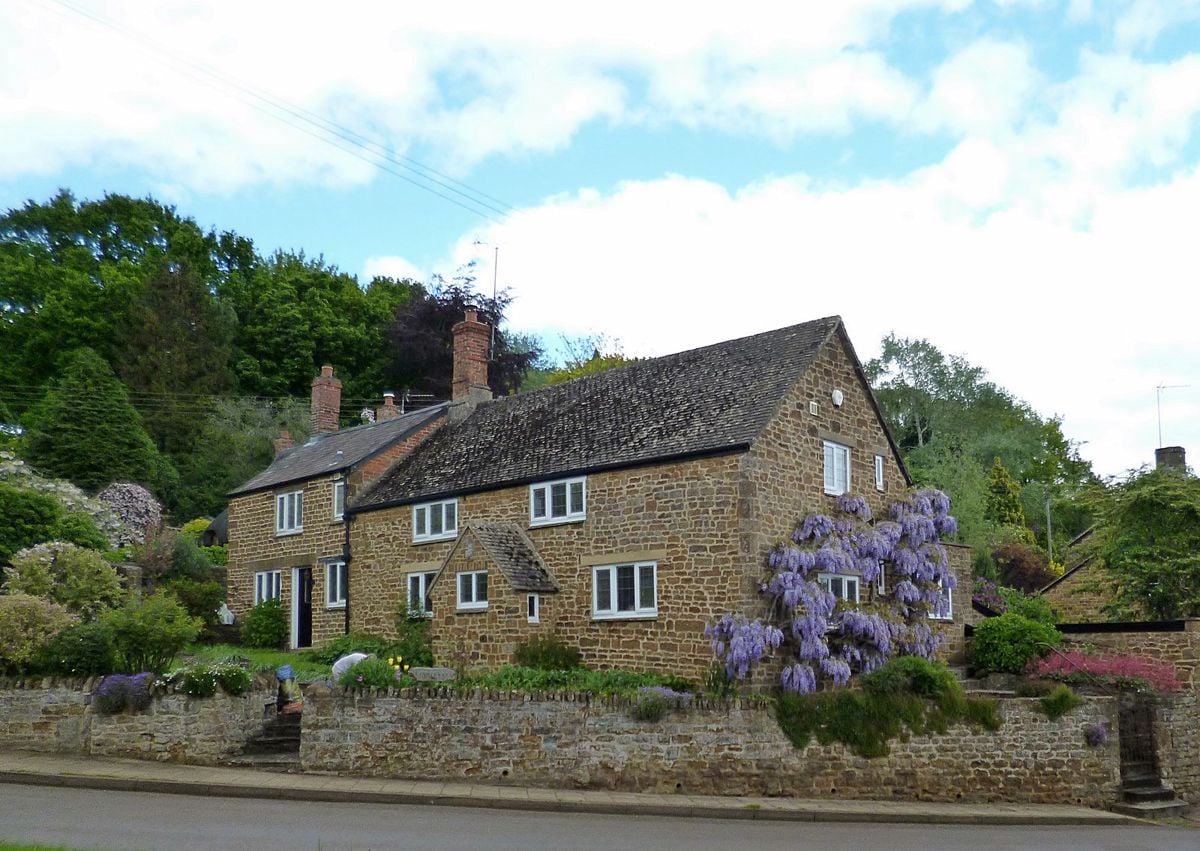
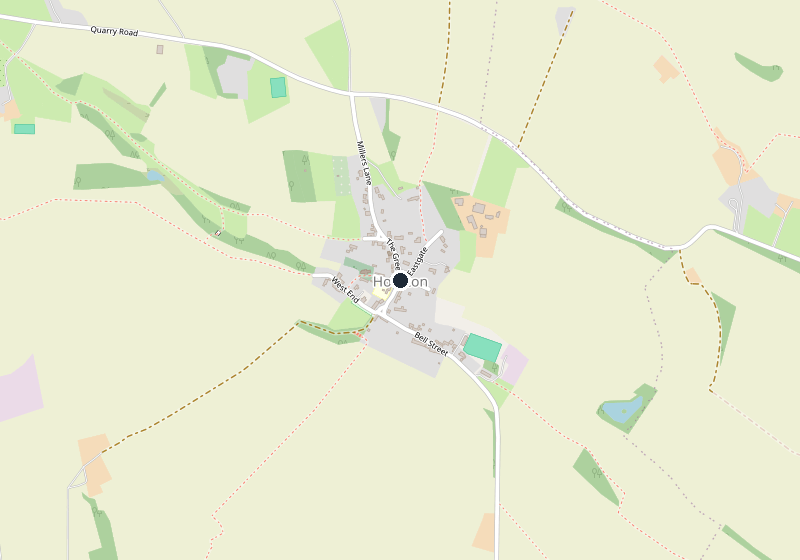
Hornton sits at the bottom of a steep, sheltered valley about 6 miles north-west of Banbury, between two small streams that run down to the Sor Brook. This is the village that gave Hornton stone its name, and it is built of little else: rubble for the cottages, dressed ashlar for the better houses, and thatch on many of them still. Come for an hour on foot.
What to see in Hornton
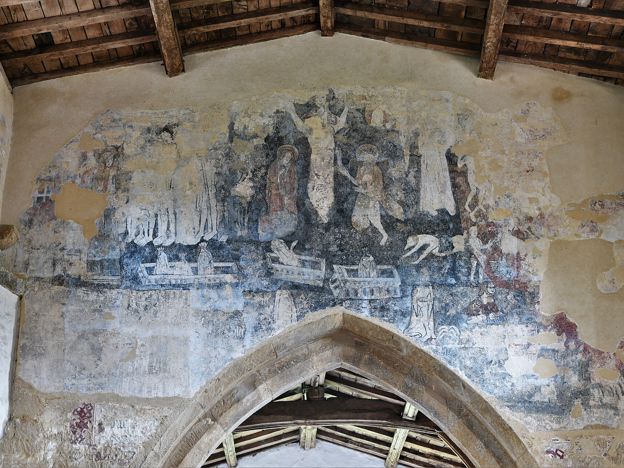
The church of St John the Baptist is listed Grade I and built of the local stone. The nave, the north aisle and its arcade, and the round font come from the late twelfth century, and the chancel was rebuilt in the thirteenth. The paintings are the thing to find: a Doom, the Last Judgement, over the chancel arch, and a St George over the pulpit. More painting in the south aisle is still under whitewash. The church was restored between 1919 and 1922. We could not find published opening hours.
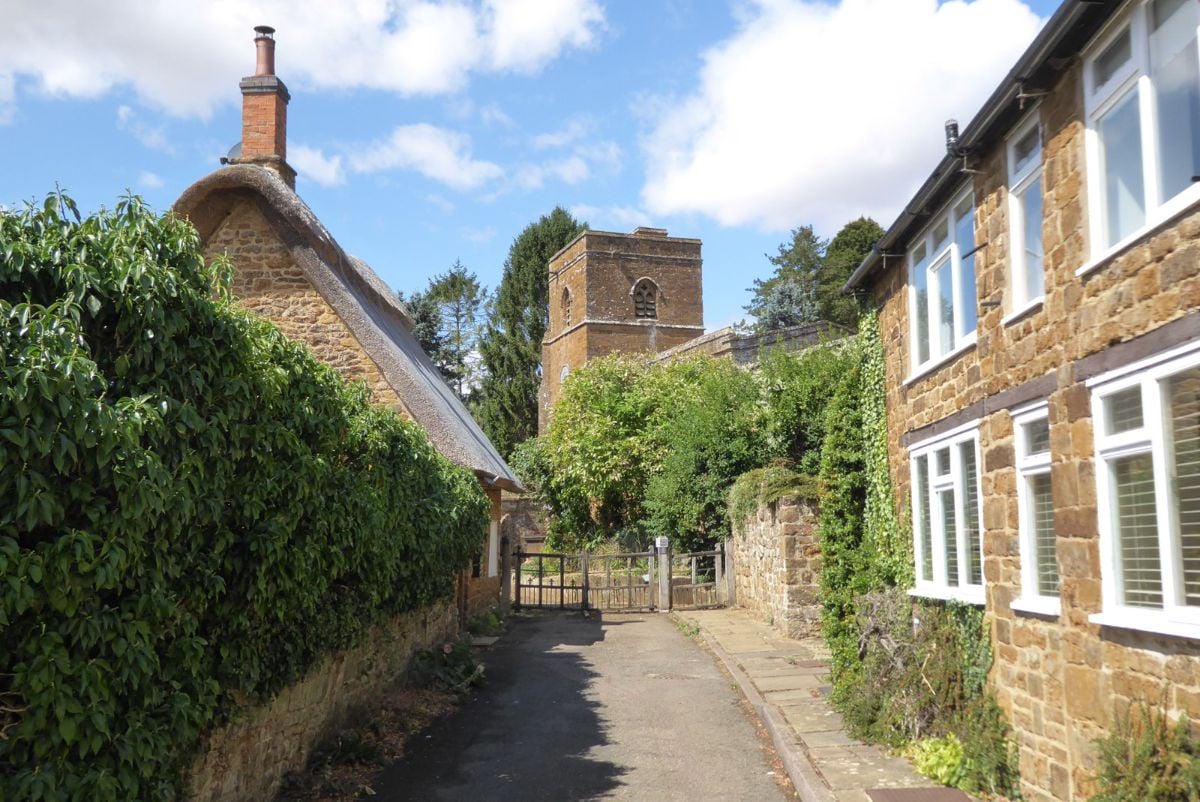
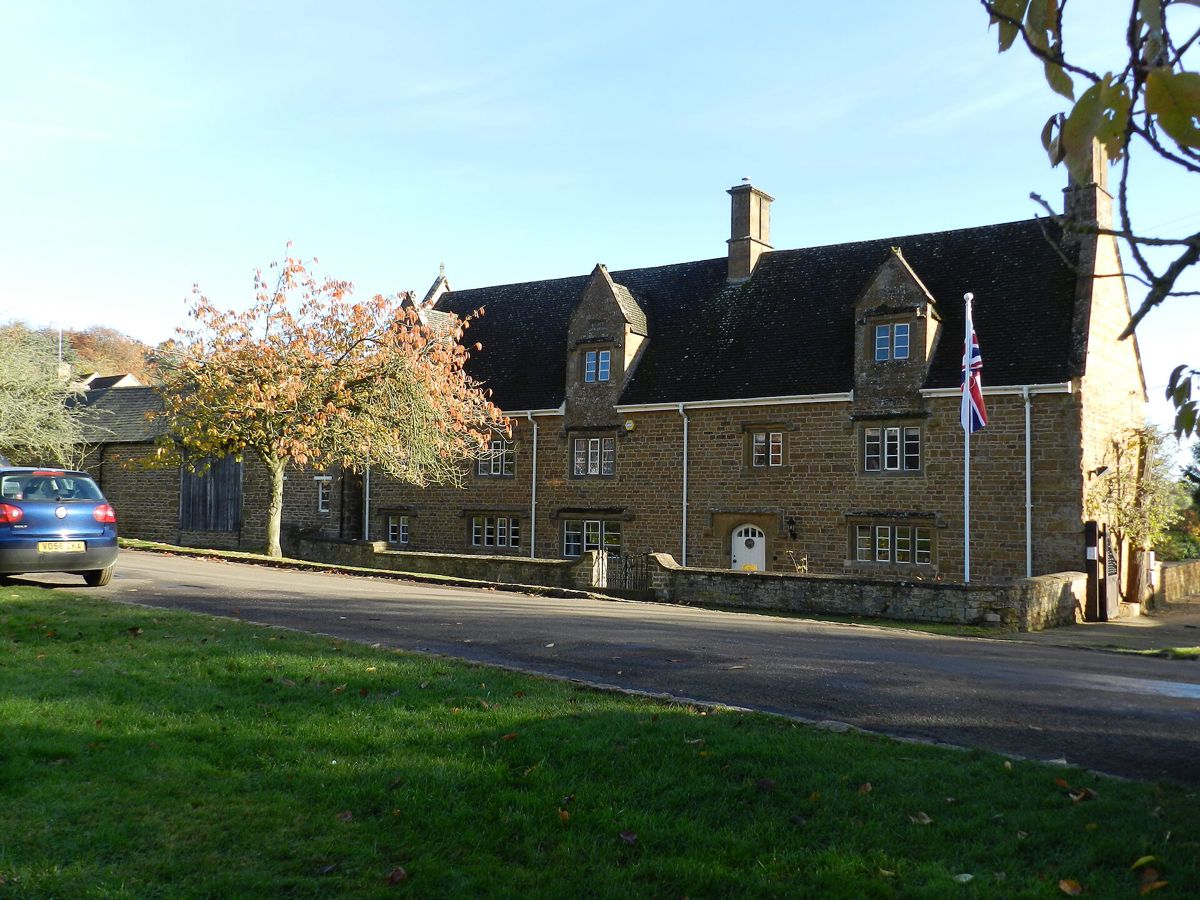
Around it, many sixteenth and seventeenth-century farmhouses survive. The manor house, now a farmhouse, carries the inscription 1607 and is built on the through-passage plan of the region. The Mount dates from the end of the seventeenth century, and Proffitt's House is listed Grade II*. They are private homes, so look from the lanes. Hornton is a conservation area, appraised by the council in April 2013.
The stone and the quarries
Quarrymen and masons appear in Hornton's records from 1609, and in 1851 the census counted 19 stonemasons and 5 quarrymen in the village. The quarries supplied much of the building stone of the Banbury and Edgehill districts. Carr's Pit, the last of the Hornton quarries worked for Hornton stone proper, closed in 1942. At the old quarry by the A422, spoil heaps still show the fresh blue-green stone inside and the weathered brown outside, and a 2020 survey found no work going on there. It is not an attraction and gives no right of access; our page on the Hornton quarries says what can be seen and from where.
An hour in Hornton
Start at the green, walk to the church for the Doom, then wander the lanes looking for date-stones. That is a morning's stop, not a day. Put it with Horley for its St Christopher, or with Upton House, under 2 miles west on the ridge, for the afternoon.
Walks from Hornton
We found no council or parish leaflet for a walk from Hornton, so we suggest no route. Footpaths climb out of the valley towards Horley and the ridge at Edgehill, and an OS Explorer map is the way to plan one. Expect steep ground both ways.
Food and drink
The Dun Cow on West End is a thatched house of the late seventeenth century, listed Grade II, and the county history finds it open by 1854 as a butcher's and beer shop together. Its own website gives Wednesday evenings from 5pm, Friday and Saturday from 3pm to 10.30pm and Sunday from 3pm to 8pm, closed on Monday, Tuesday and Thursday, with small plates on Friday and Saturday evenings from 6pm to 9pm. The freehold was on the market when we checked, so ring before you go. The Bell at Shenington, about 2 miles south-west, opens at lunchtime from Friday to Sunday.
The Banburyshire newsletter
Events, new places and the best of the season, about once a month. Unsubscribe at any time.
When to come
Any dry day, and a Wednesday evening or the weekend if you want the Dun Cow open. We found no regular village events we could confirm.
Last verified 11 November 2026 by our editors
Things to do in Hornton
Historic houses and heritage
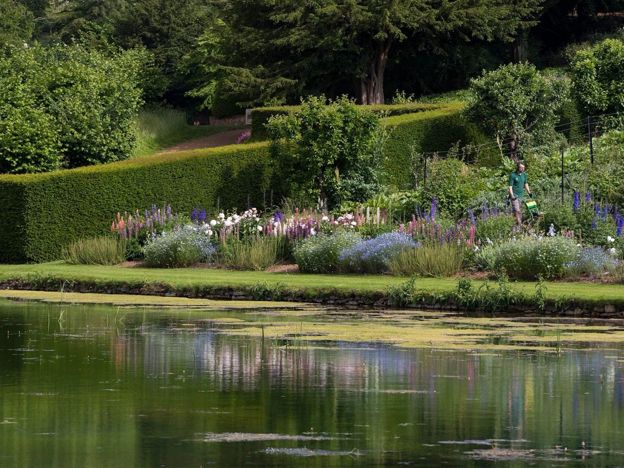
Upton House and Gardens
A National Trust house on the Edge Hill ridge, remodelled in the 1920s for the oil magnate Lord Bearsted to show his paintings by Bosch, El Greco, Stubbs and Hogarth, above terraced gardens that drop 30m to a Mirror Pool.
-
The National Herb Centre, Warmington
Parks and gardens
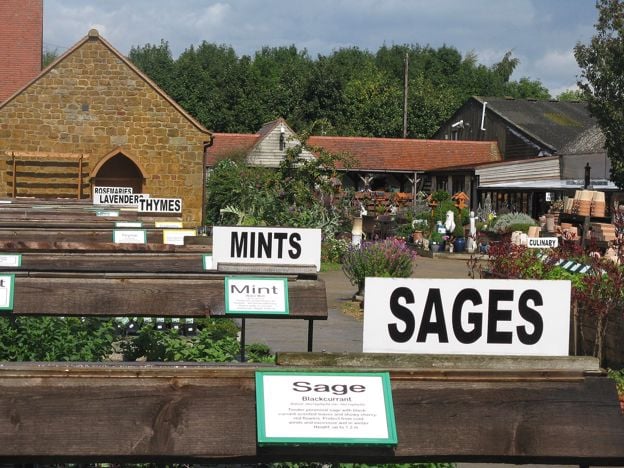
A plant centre at Warmington, near Banbury, growing culinary and medicinal herbs, fruit and native wildflowers, most of them on site in peat-free compost, with a café bistro, a play area and nature trails.
Verified Nov 2026
-
Farnborough Hall
Historic houses and heritage
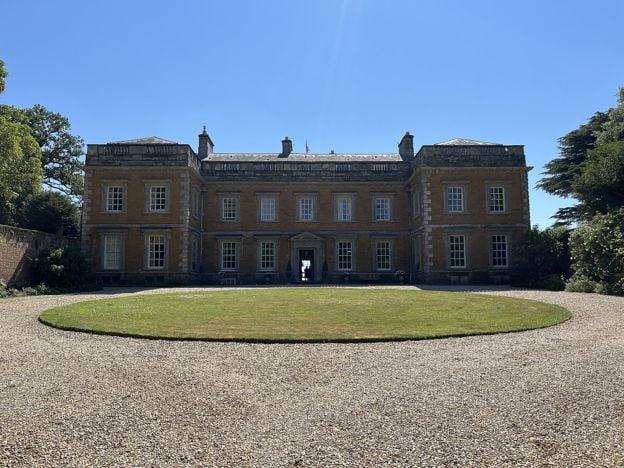
A Palladian house north of Banbury, still lived in by the Holbech family and run with the National Trust, with a raised terrace walk to an obelisk. A few rooms and the grounds open from April to September. Closed until 7 April 2027.
Walker-friendly
Verified Nov 2026
-
Burton Dassett Hills Country Park
Parks and gardens · Burton Dassett
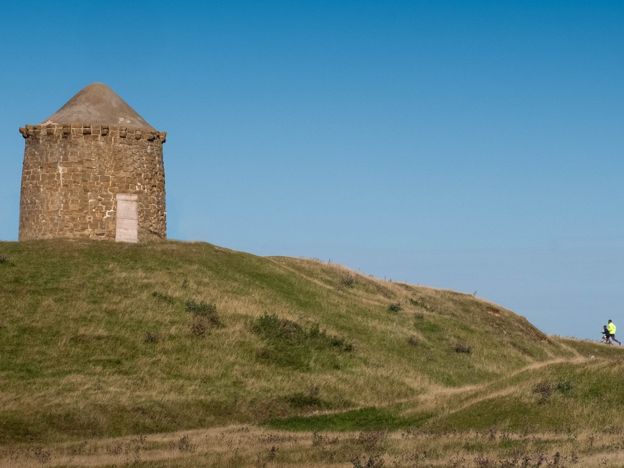
A hundred acres of open hilltop in south Warwickshire with wide views, old quarry workings and a beacon, plus the medieval church of All Saints. A country park since 1971. Car parking £3.50 a day.
Dog-friendly · Family-friendly · Walker-friendly
Verified Nov 2026
Where to eat and drink in Hornton
-
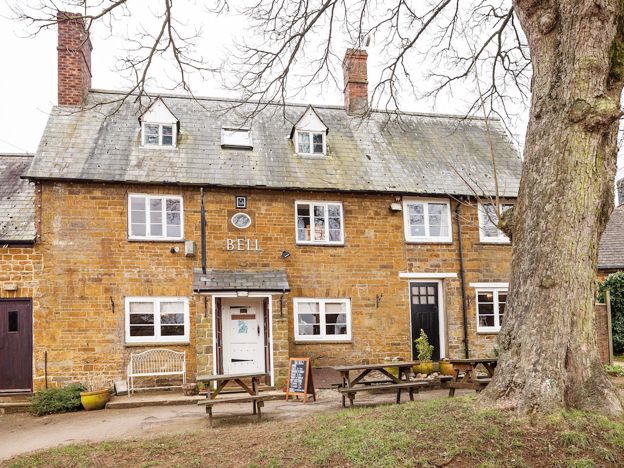
The Bell, Shenington
Pubs
An ironstone country pub on the village green at Shenington, opened in 1700, with a log fire, flagstones, a short chalkboard menu that changes with the seasons, and dogs and muddy boots welcome.
Dog-friendly · Family-friendly · Walker-friendly
Verified Nov 2026
-
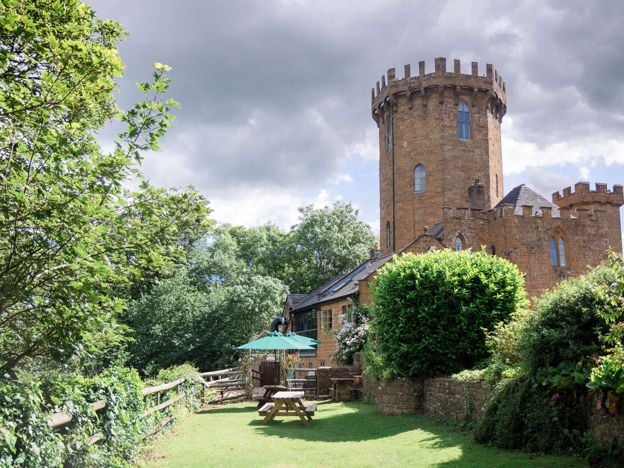
The Castle at Edgehill
Pubs · Edgehill and Radway
A pub and restaurant in the castellated 18th-century tower on top of Edgehill, above the 1642 battlefield, with Hook Norton ales, large gardens, five en-suite rooms and a gin school in the tower.
Family-friendly · Wedding venues
Verified Nov 2026
-
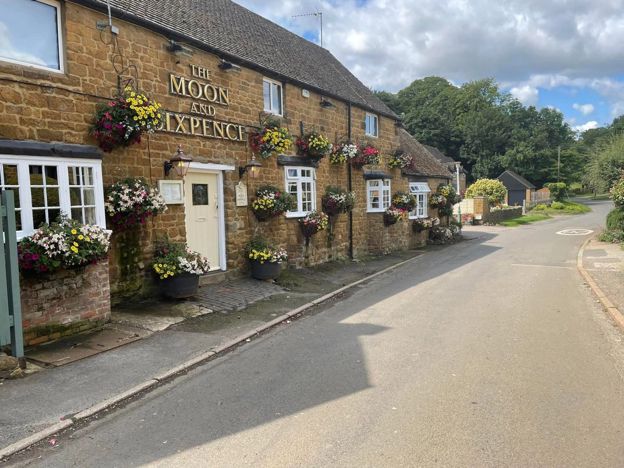
The Moon and Sixpence, Hanwell
Pubs · Hanwell
A refurbished dining pub on Main Street in Hanwell, about two miles north-west of Banbury, with an open kitchen run by chef Hylton Bradley, a set lunch and dinner menu, and a large car park.
Family-friendly · Walker-friendly
Verified Nov 2026
Walks in and around Hornton
-
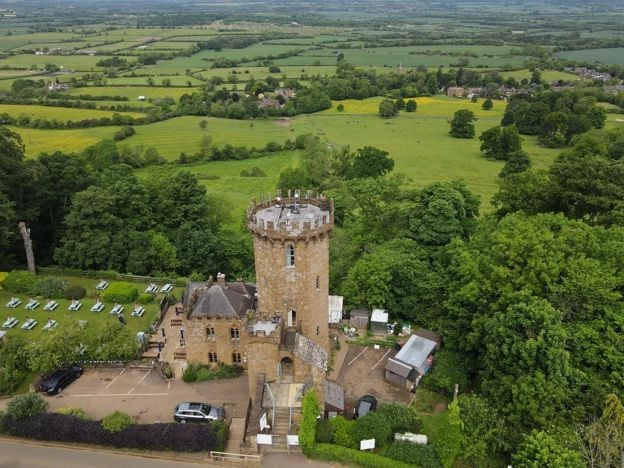
Edgehill Circular
Walk · Starts in Edgehill and Radway · 2 hrs, 30 mins · Circular
The Edgehill Circular is a 5.4-mile (8.6km) moderate circular walk from the Upton House car park, about two and a half hours with 220m of climbing. It follows the Edge Hill ridge to the Castle pub, returns through Ratley, and has six stiles and 500m on the A422.
-
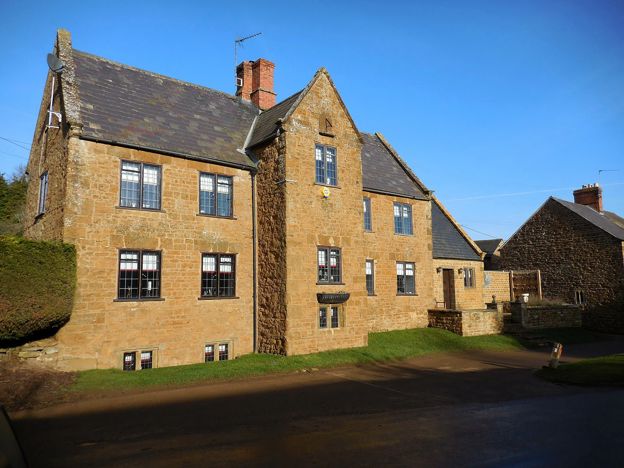
North Newington and Wroxton Circular
Walk · Starts in North Newington · 2 hrs · Circular
A 3.3-mile (5.3km) circular walk from Main Street, North Newington, taking about two hours of moderate walking. It follows field paths to the Sor Brook, climbs past the Wroxton Obelisk into Wroxton and returns over the fields.
-
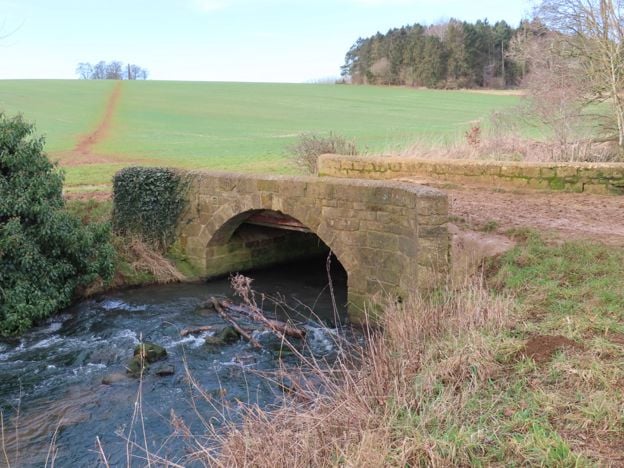
Broughton Road to Wroxton Obelisk Circular
Walk · Starts in Broughton · 2 hrs · Circular
A 4.5-mile (7.3km) circular walk from the car park on Broughton Road, about two hours of moderate walking on field paths. It crosses the Sor Brook, climbs to the Wroxton Obelisk and returns by the other bank. It does not go through Broughton or past the castle.
Sights in and around Hornton
-
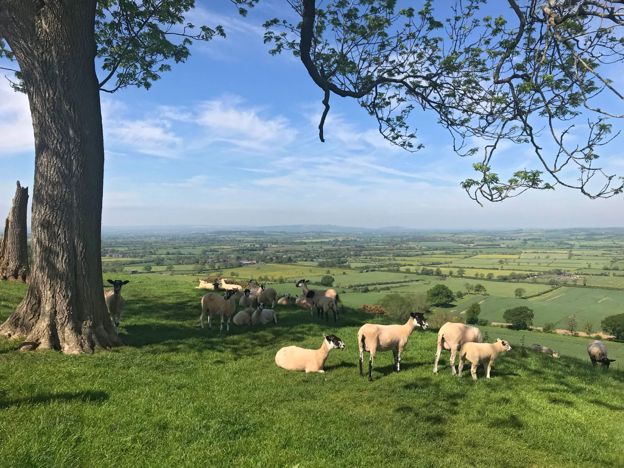
Edge Hill viewpoint
Sight · Viewpoint · Edgehill and Radway
The long view from the top of Edge Hill, north-west of Banbury, across the plain where the Battle of Edgehill was fought in 1642. There is no signed viewpoint: the ridge road, the footpaths and the garden of a 1740s sham castle are how you see it.
-
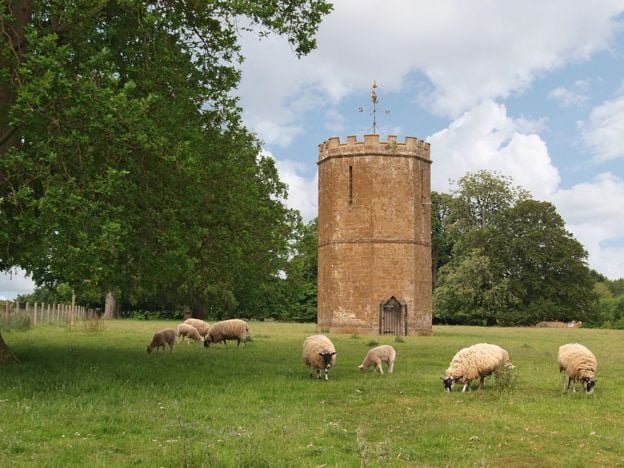
Wroxton Dovecote
Sight · Historic building · Wroxton
A Gothic dovecote of 1745 by Sanderson Miller in the park of Wroxton Abbey, west of Banbury, built both to house pigeons and to look like a small castle from the house. Ironstone, polygonal and Grade II*. In the Abbey's park, so seen from a distance.
-
Wroxton Abbey
Sight · Historic building · Wroxton
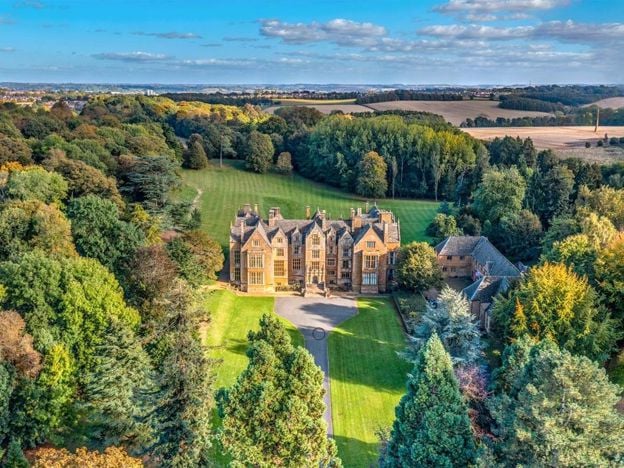
A Jacobean house of about 1618 west of Banbury, on the site of a medieval priory and long the home of the Norths. Grade I. It is a college and closed to visitors. It passed to an alumni-led group in 2025 to 2026, and a public footpath crosses the grounds.
Getting to Hornton
- By bus
- The 79, run by Oxfordshire County Council, leaves Hornton green for Banbury at 10am on Thursdays, back early afternoon. Some journeys run on request (November 2026).
- By train
- Banbury station is about 6 miles away. Take a taxi.
- By car
- About 6.5 miles from Banbury Cross, 18 minutes, by the A422 Stratford road and the lane north into the valley.
- Parking
- No public car park that we found. Park with care on the lanes.
- Access
- The village lies at the bottom of a steep valley and climbs the hillside, so most routes in and out are on a slope.
Places near Hornton
-
 HorleyA hilltop ironstone village about 4 miles north-west of Banbury, built mostly between 1580 and 1640, whose Grade I church holds a fifteenth-century St Christopher the county history counted among the largest in the country. Come for the church and an evening pint, not a day out.
-
 Shenington and AlkertonTwo ironstone villages facing each other across the Sor Brook, 6 miles west of Banbury. Shenington has a big green, the Bell and a gliding club on its wartime airfield; Alkerton has a small church with a carved cornice and a scholar rector Samuel Johnson remembered.
-
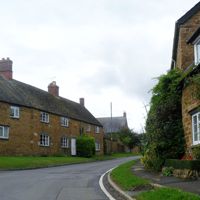 HanwellA small ironstone village about 3 miles north-west of Banbury, with a Grade I church full of carved stone figures and the brick tower of Hanwell Castle. The castle is private, so come for the church, a meal at the Moon & Sixpence or an observatory open day.
-
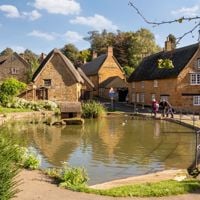 WroxtonA thatched ironstone village 3 miles west of Banbury, with a duck pond and a church tower by Sanderson Miller. Both its pubs have shut, and the Jacobean Abbey is closed to visitors, so bring a plan for lunch.