Things to do in Bicester
Bicester is a gateway more than a destination. The old town fills a morning, Bicester Village fills a day if you let it, and the best reasons to stay longer are an airfield full of classic cars and the villages to the west.
· 8 minute read
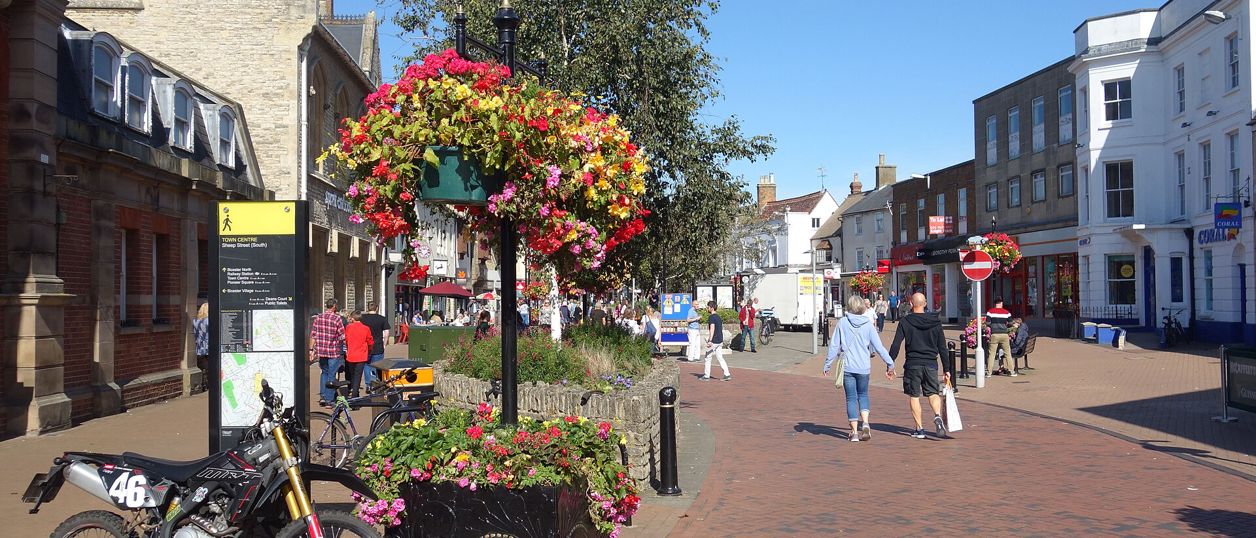
The best things to do in Bicester are the old town on foot, with St Edburg's Church, the Market Square and the Friday market on Sheep Street, then Garth Park and, if you came to shop, Bicester Village. Time a visit for one of the Scramble days at Bicester Heritage, the old RAF bomber station, and the town becomes worth a day of its own. Out of town, the Cold War airbase tours at Heyford Park and Rousham's garden are the two best reasons to drive west.
How we chose: this page comes from the councils', operators' and attractions' own websites and the Victoria County History, read in November 2026, and nothing on it was paid for. Nobody from the guide has yet visited for it. We have put things in the order we would do them, and we say where the honest answer is to go somewhere else. Opening times change, so each place's own page holds the detail and the date we checked it.
A morning in the old town, in order
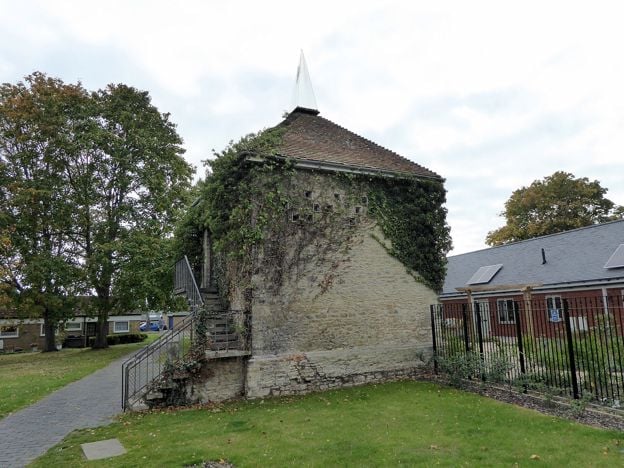
Start at Bicester Village station, which a walking planner puts 9 minutes from the Market Square, or at Bicester North, about 16. The Bicester Historic Town Trail joins up 25 buildings from the Bicester Local History Society's free leaflet in a loop of about 1.9 miles (3km), about an hour and a quarter with stops, and it can be started anywhere. It is mostly flat town streets. The houses on it are lived in, so look from the pavement.
If you are driving, parking in Bicester has the council car parks and their charges. Cattle Market is the long-stay one, at £1.60 for an hour or £7.50 for the day to 6pm on the council's tariff from July 2026, and Blue Badge holders park free in council bays. For trains and buses, see getting to Bicester.
St Edburg's Church
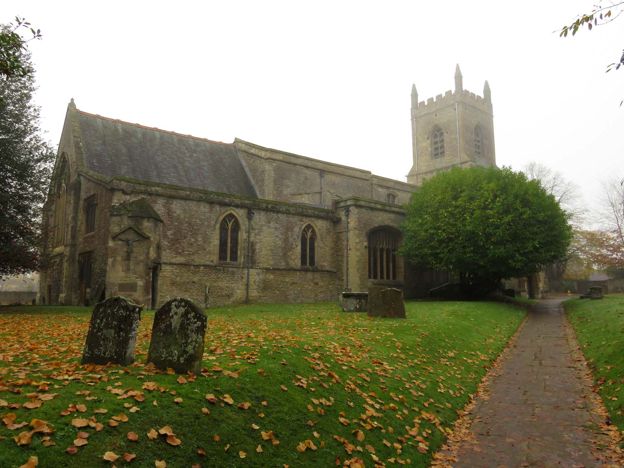
St Edburg's is the oldest building in Bicester and, Historic England's list says, its only Grade I one. It grew from a Norman church with a central tower, and the round-headed arches at the crossing may be eleventh century. Inside, look for the brasses of about 1500 to the early 1600s, the Georgian monuments by Scheemakers, Wilton and Westmacott, and a Morris & Co. window of 1866. In the churchyard a stone remembers the 64 people who died of cholera in 1832.
The church publishes no visiting hours that we could find, so if you want to see inside, check with the parish office first. Its A Church Near You page lists a ramp on request. The saint herself, and the marble shrine that left town at the Dissolution, have a story of their own.
The Market Square and the Friday market
Bicester has held a market since a grant of 1239. The general market was in the square and the sheep and cattle in Sheep Street, until the stock market moved off the street in 1910. Today Cherwell District Council lists the market on Sheep Street every Friday from 9am to 4.30pm, about 20 stalls run by the Bicester Market Association. Friday is the day to come.
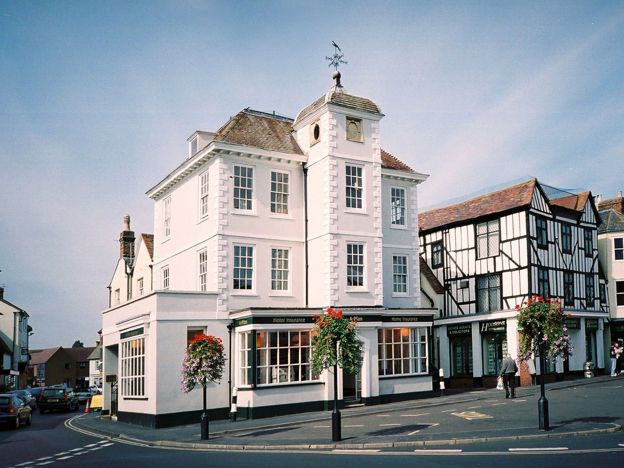
Round the square, number 47 is a merchant's house of 1698 with oval windows, a four-storey tower and a weathervane, and number 30 carries a datestone of 1751. On Sheep Street, the Penny Black at number 58 is a Wetherspoon pub in the town's first purpose-built post office, of 1914. Cherwell approved a £5.1 million redesign of the square in September 2025, with work hoped to start in summer 2026. We could not confirm it had begun, so check the council's notices before you rely on the square's short-stay car park.
Garth Park and Bure Park
Garth Park is a few minutes east of the square on Launton Road: about 9 acres of lawns and specimen trees round Garth House, a Victorian hunting lodge that the town bought in 1946 and now the town council's offices. It is free, with a café, a play area, a skate park and a bandstand, and the bell cast in Bicester in 1732 for the old Town Hall hangs at the park entrance. Parking at the park is limited, so walk from the town.
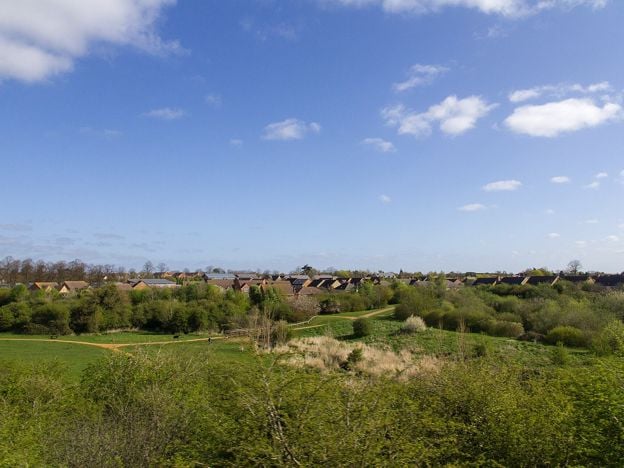
Bure Park, on the north side of town, is a local nature reserve of 8.4 hectares along the little River Bure, with meadow, young woodland and a pond that holds great crested newts. It is small and local rather than a day out. The council's West Health Route, a 5km loop on a painted blue line, ends through it.
Bicester Village
Bicester Village is the reason most visitors come: an open-air designer outlet with more than 150 boutiques on pedestrian streets, open since April 1995. When we checked in November 2026 it opened from 9am to 9pm Monday to Saturday and 10am to 7pm on Sundays, with longer hours over the last weekend of the month, and parking is free, with a Park and Ride at busier times. It has its own station, with trains from London Marylebone and Oxford. We leave the shops to others.
Coming from Banbury, the trains stop at Bicester North instead, and the shuttle bus takes about 10 minutes from there; Bicester Village from Banbury has the details. How Bicester Village happened tells how a wet field at the edge of a market town came to draw millions of visitors a year. If you have an hour to spare from the shops, St Edburg's is about a third of a mile north of the Village.
Bicester Heritage and the Scramble
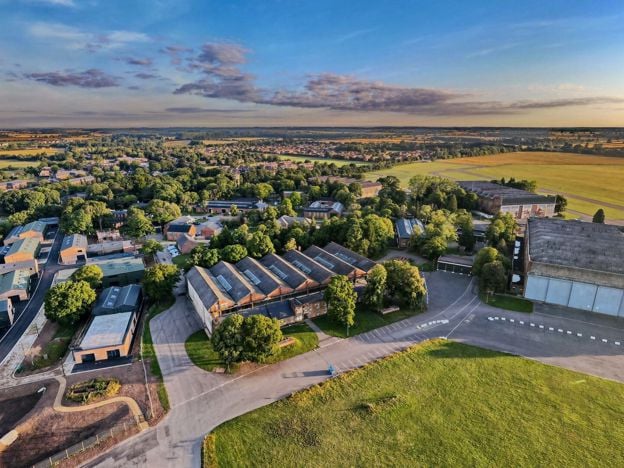
On the Buckingham Road, on the town's north-east edge, the technical site of RAF Bicester is now Bicester Heritage, run by Bicester Motion and full of firms that restore and sell historic cars. Historic England calls it the best preserved of the bomber bases built for the RAF's expansion from 1923. Its two Type A hangars of 1926 and two Type C hangars of 1937 are listed, and the grass flying field keeps its 1939 boundaries largely intact.
The main way in is the Scramble, the site's open day, held three times a year, in January, April and October, mostly on Sundays, with a two-day Super Scramble in the spring. The workshops and showrooms open, cars line the avenues, and there is a Heritage Trail round the buildings. Tickets are sold in advance only, per person rather than per car, and none are sold at the gate. On ordinary weekdays the site is for people who work there or have booked with one of its businesses, so do not drive up hoping to look round.
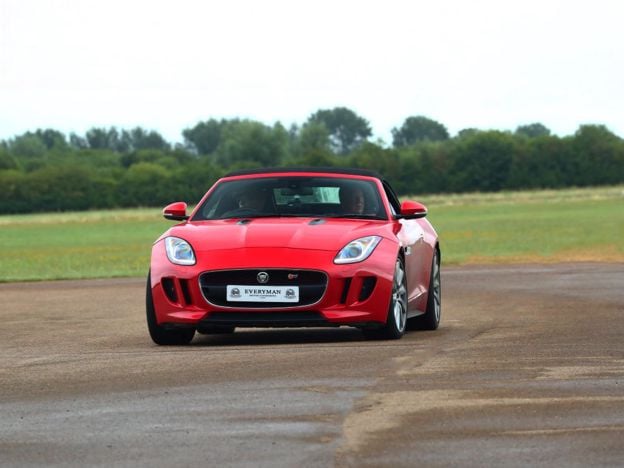
Two of those businesses take visitors who book. The Sky Wave gin distillery, in the North Tanker Sheds, runs 75-minute tours and tastings on Fridays and Saturdays, strictly for over-18s, and Everyman holds supercar driving days on the site's experience track on a few set dates a year, with spectators welcome.
The Banburyshire newsletter
Events, new places and the best of the season, about once a month. Unsubscribe at any time.
A wet afternoon in Bicester
Bicester has few indoor sights. The Vue cinema is in the Pioneer Centre on Bure Place, off Pioneer Square, the shopping centre that opened in 2013 beside Manorsfield Road; its listings showed films into late November 2026. St Edburg's is another dry stop, if you can find it open, and Noughts & Nibbles, a board game café by the Market Square, is a third. With children, there are the trampolines at AirHop, the climbing walls at Clip 'n Climb and the pool at Bicester Leisure Centre, and Bicester with children puts the day together.
The best things to do near Bicester
The best days out are west of the town, in the Cherwell valley, 10 to 15 minutes by car. Few have a useful bus, so a car makes this much easier.
The Cold War sites at Heyford Park, about five miles west, are the shelters, nuclear bomb store and command centre of RAF Upper Heyford, the American F-111 base until 1993. You can see them only on a pre-booked tour from the RAF Upper Heyford Heritage Centre, on most Sundays from March to November, at £25 a person in 2026. The centre's own exhibitions open on Wednesdays, Saturdays and Sundays.The airbase's story is told at length.
Rousham House and Garden, across Heyford Bridge from Lower Heyford, is William Kent's landscape garden of the late 1730s above the Cherwell, still much as he left it. Rousham's own site gives the garden open every day from 10am, last admission 4.30pm, at £10 paid on arrival, with no dogs, no children under 15 without permission and no tea room, so bring a picnic. Its page is undated, so check before you set out. Afterwards, Kizzies at Heyford Wharf is a café by the canal, which says it is open daily from 9am to 5pm; check before a winter visit.
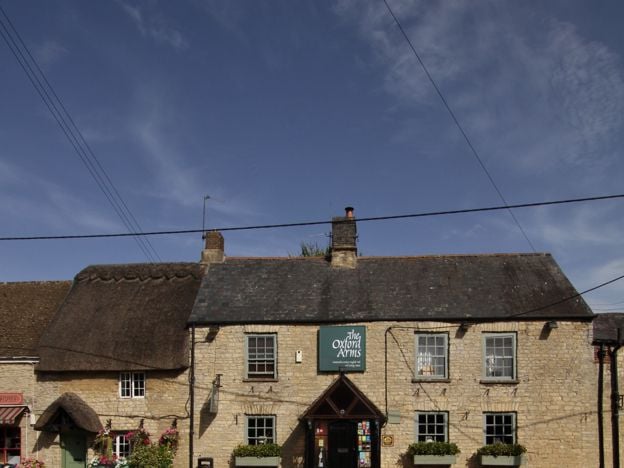
Kirtlington, about 5 miles south-west of Bicester, has St Mary's, with late medieval paintings of St George and St Christopher, a walk on the Oxfordshire Way and lunch at the Oxford Arms. Middleton Stoney, on the way, has a church of the mid-twelfth century and the mound of a castle King John ordered destroyed in 1216, both in the park. North-east of the town, Stratton Audley has a Grade I church with the marble tomb of Sir John Borlase, shown as a Roman.The villages between Banbury and Bicester compares them all, and walks near Bicester has the routes.
Bicester's stories
Much of what is interesting about Bicester is not on show. The history of Bicester runs from the priory and the market to the garden town. Bicester's ghosts are mostly Civil War ghosts, with one good story by M.R. James. Alchester, the Roman fortress and town south of Bicester, lies under fields, and the military railway served the army depot that still covers the clay south-east of the town. Elmsbrook, on the north-west edge, is the first phase of North West Bicester, the only one of the 2009 eco-towns still held to the government's standards for them.
When to come
Come on a Friday for the market, and on a Scramble day if you can. The town council's Christmas lights switch-on fills Sheep Street on a Saturday afternoon in late November, and the event page has this year's date. Bicester Village is busiest at weekends and in the run-up to Christmas, when the Park and Ride runs. For the Heyford tours, come on a Sunday between March and November.
What to skip
Do not go looking for Alchester expecting ruins: the Roman town is a scheduled monument under private farmland, with nothing standing above ground. Skip Bicester Heritage on an ordinary weekday unless you have booked with one of its businesses, and the army depot, which is military land. Elmsbrook is a housing estate, interesting from its public streets but not an attraction. And do not give the town a whole day on its own. Away from the old streets it is retail parks, new estates and road schemes, so an hour or two in the centre is enough, with the rest of the day in the villages or in Banbury, 12 to 19 minutes up the line from Bicester North.
Mentioned in this story
The places, sights and walks in this story, each with a page of its own: what it is, when to go and how to get there.
-
-
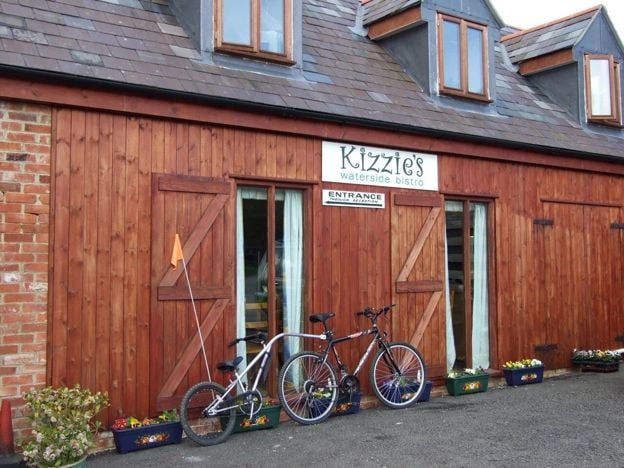
Kizzies Bistro, Lower Heyford
Cafes and tearooms · Upper and Lower Heyford
-
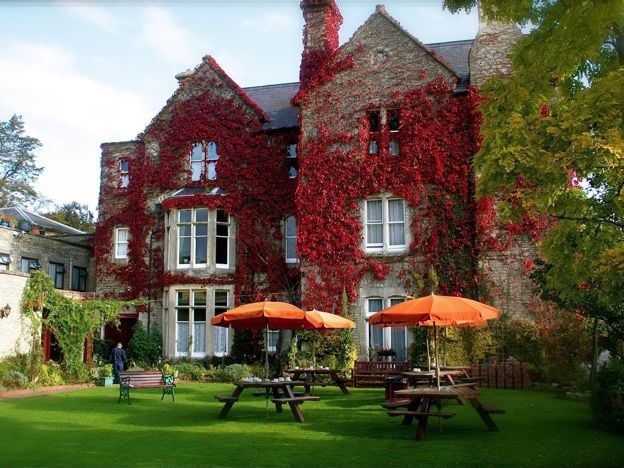
The Littlebury Hotel, Bicester
Hotel · Bicester
-
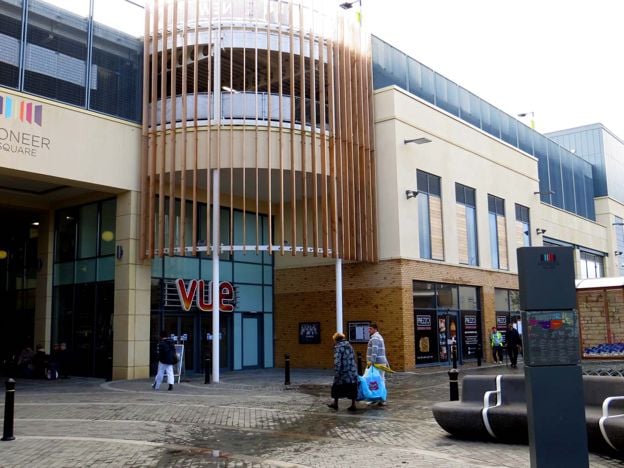
Vue Bicester
Family days out · Bicester
-
AirHop Bicester
Family days out · Bicester
-
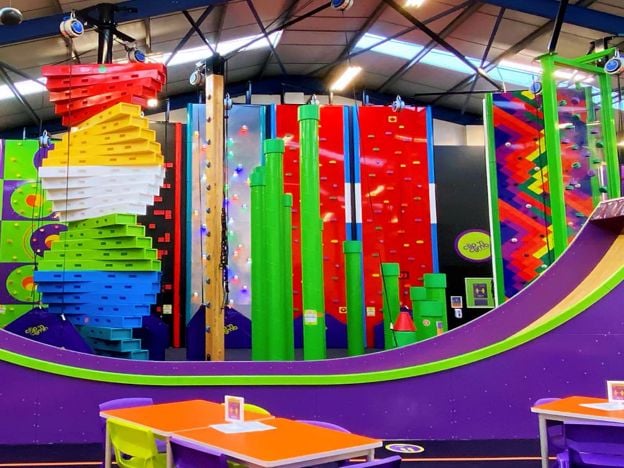
Clip 'n Climb Bicester
Family days out · Bicester
-
Sky Wave Gin Distillery, Bicester Motion
Tours and experiences · Bicester
-
Everyman Driving Experiences at Bicester Heritage
Tours and experiences · Bicester
-
St Edburg's Church, Bicester
Sight · Church · Bicester
-
Bicester Market Square
Sight · Historic building · Bicester
-
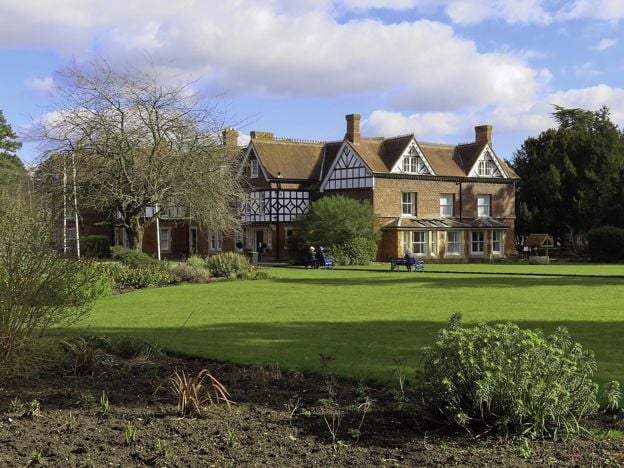
Garth Park, Bicester
Sight · Common or park · Bicester
-
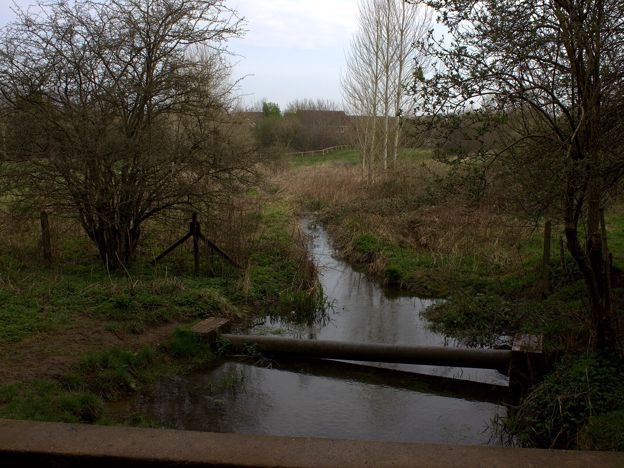
Bure Park Nature Reserve, Bicester
Sight · Nature reserve · Bicester
-
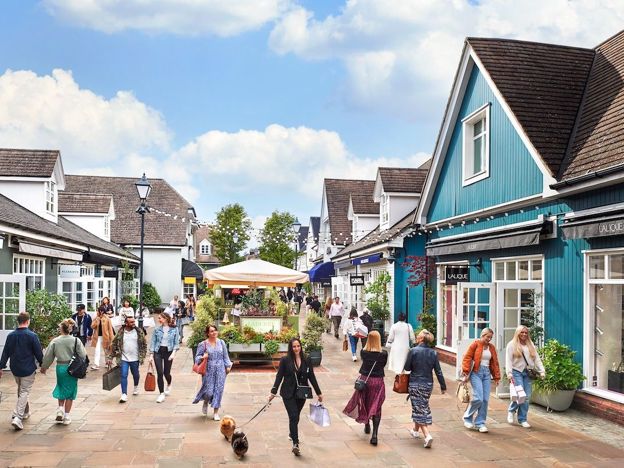
Bicester Village
Sight · Historic building · Bicester
-
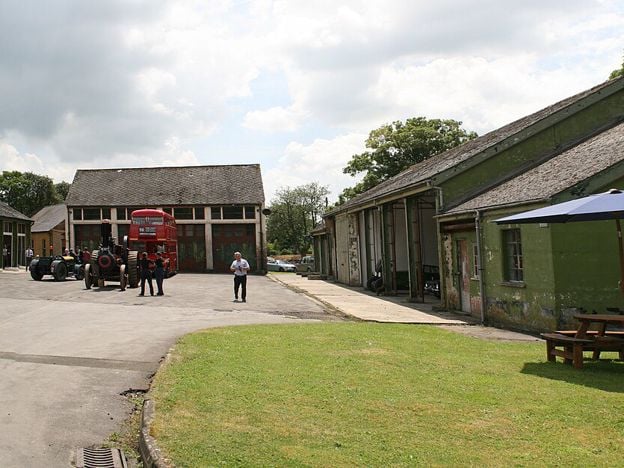
Bicester Heritage (RAF Bicester)
Sight · Historic building · Bicester
-
Bicester Historic Town Trail
Walk · Starts in Bicester · 1 hr, 15 mins · Circular
-
Bicester West Health Route and Bure Park
Walk · Starts in Bicester · 1 hr, 10 mins · Circular · Dog-friendly
Places to stay near Bicester
-
Travelodge Bicester
Hotel · Bicester
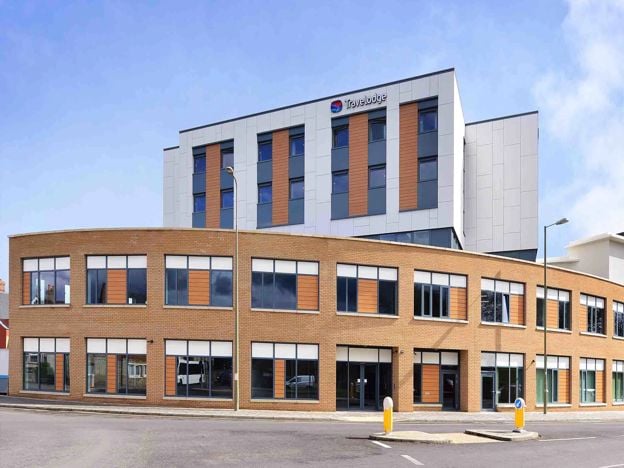
A budget chain hotel on Pioneer Square in the middle of Bicester, under half a mile from Bicester North station and within walking distance of Bicester Village, with family, accessible and pet-friendly rooms but no car park of its own.
Dog-friendly · Car-free
Verified Nov 2026
-
Premier Inn Bicester
Hotel · Bicester
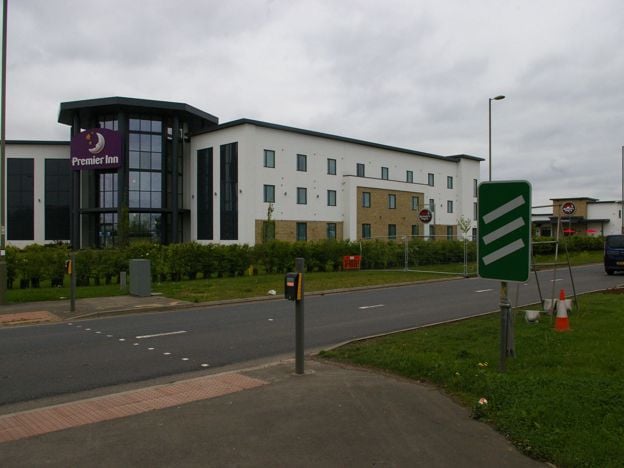
A Premier Inn on Oxford Road, on the A41 at the southern edge of Bicester, half a mile from Bicester Village by the chain's measure, with family, accessible and Premier Plus rooms, a restaurant and a paid car park.
Family-friendly
Verified Nov 2026
-
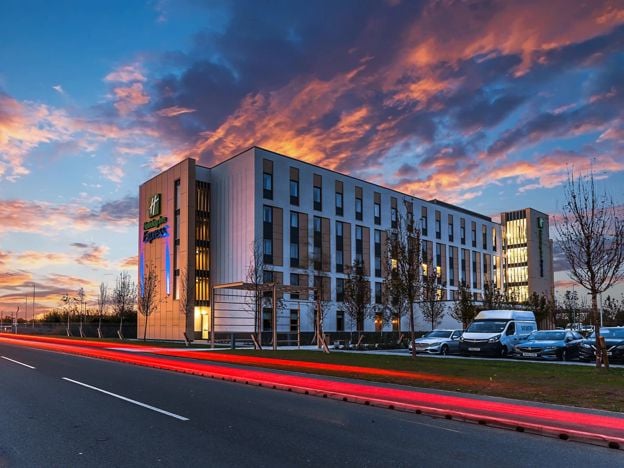
Holiday Inn Express Bicester
Hotel · Bicester
A Holiday Inn Express on Bicester Gateway Business Park at the southern edge of Bicester, near Bicester Village and the M40, with 149 rooms, breakfast in the rate, dinner every evening, pets welcome and electric-car chargers.
Dog-friendly · EV charging
Verified Nov 2026
Read next
-
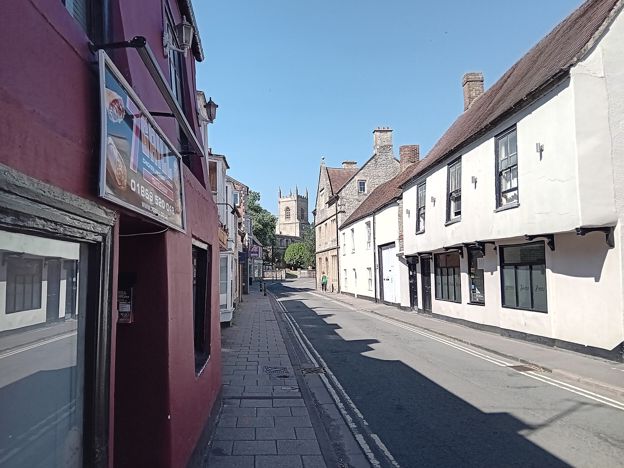
Bicester's history: from the priory and the market to the garden town
Story · History · 10 minute read
Bicester grew up by a ford over the Bure Brook, gained an Augustinian priory in the 1180s and a market in 1239 that still runs every Friday. It was a hunting town, then a garrison town, and since 2014 a garden town. The story from the record, and what of it you can still see.
-
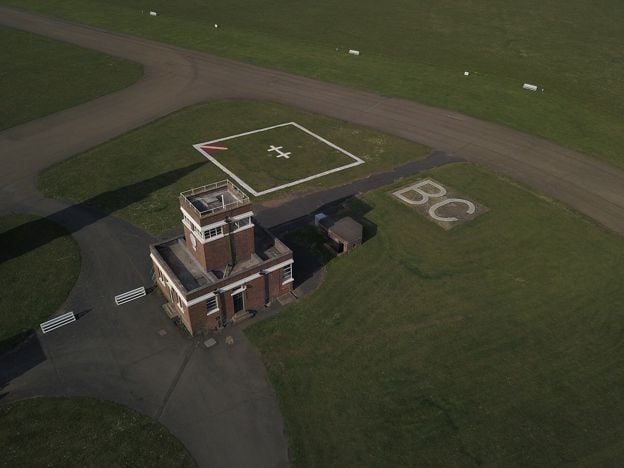
RAF Bicester: the bomber station that kept its 1920s shape
Story · History · 6 minute read
RAF Bicester opened in 1918, was rebuilt as a bomber station from 1925, trained bomber crews through the Second World War and ended as stores, gliders and an American hospital. Its hangars and bomb stores are now protected, and the site is Bicester Motion.
-
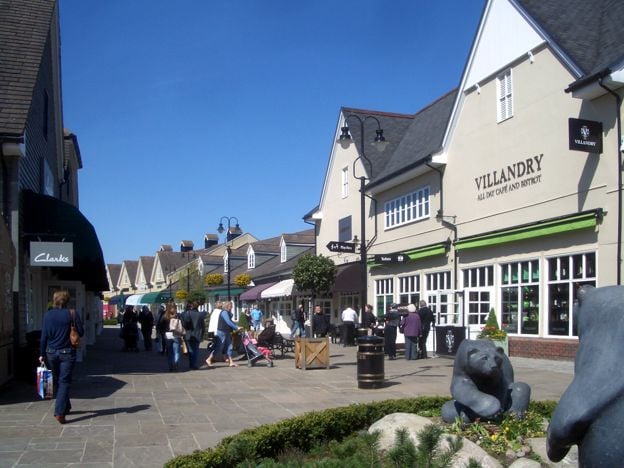
How Bicester Village happened: from a wet field to a station of its own
Story · History · 7 minute read
Bicester Village opened in April 1995 on a wet field at the edge of town with 13 boutiques and a café. Thirty years on it has over 150, a record 6.7 million visitors in 2024 and its own station. How an American developer's gamble worked and what it meant for the town.