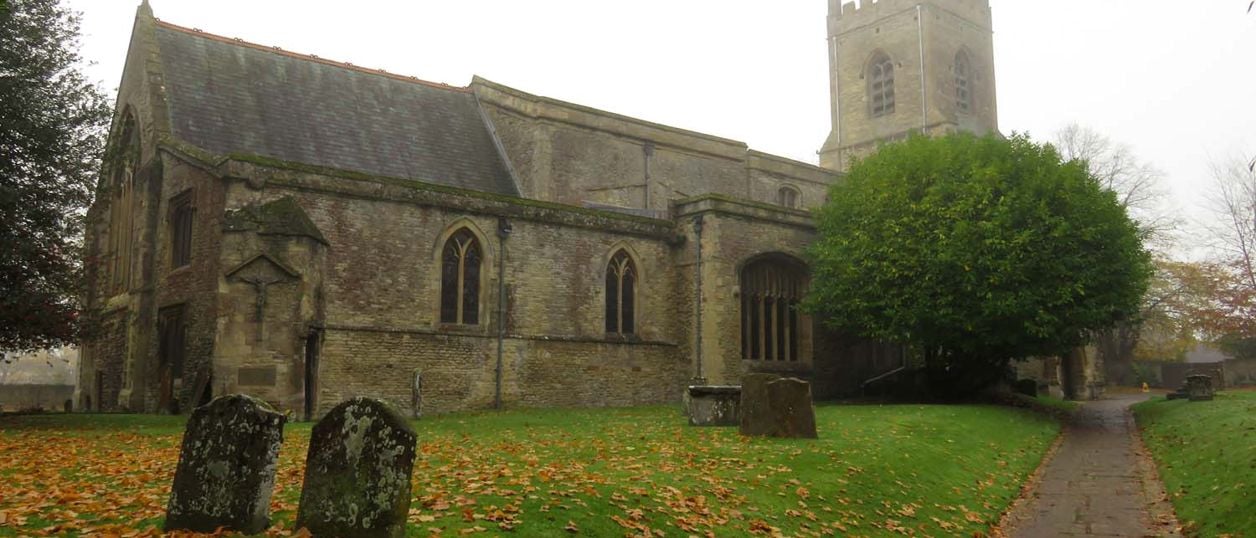
Steve Daniels, CC BY-SA 2.0, via Wikimedia Commons
St Edburg's Church, Bicester
Bicester's Grade I parish church, grown from a Norman church with a central tower into the big Perpendicular church of today. Inside are brasses from about 1500, Georgian monuments by Scheemakers, Wilton and Westmacott, and a Morris & Co. window of 1866.
Church
BicesterSt Edburg's is the parish church of Bicester, a few minutes' walk west of the Market Square. Historic England, which lists it Grade I, thinks its crossing arches are probably eleventh century; its west tower is fifteenth century. Inside are brasses from about 1500, a painted screen of 1882 and monuments to the Cokers of Bicester House and other leading families.
The story of St Edburg's
A church almost certainly stood here before the Norman Conquest, the Victoria County History says, though a tradition of a seventh-century foundation may be an exaggeration. The building you see grew out of a Romanesque church with a central tower, and three of that tower's arches and parts of its transepts survive. By the late twelfth century Bicester gave its name to a deanery of 33 churches.
Soon after 1182 Gilbert Basset gave the church to the house of Augustinian canons he had founded in the town. The priory appropriated it before 1226 and kept it until the Dissolution, paying a vicar to serve the parish. The priory itself has gone: its church, dedicated to the Virgin Mary and St Edburg, was pulled down in 1537, and the Purbeck marble shrine of St Edburg is now at Stanton Harcourt, west of Oxford. Our story of St Edburg tells what is known of her.
Every century added something. In the thirteenth the chancel was enlarged and the south aisle built. In the fourteenth came a north aisle and a north chapel, whose upper room later housed the vicars' grammar school; the chapel is now the vestry. In the fifteenth the central tower was taken down, the nave was given a clerestory and reroofed, and the 75-foot west tower went up.
Galleries and the 1862 restoration
The seventeenth century brought wainscoting and marble paving, and a west gallery was built in 1693, with private galleries after it. By the nineteenth century the county history describes the church as badly run down. C. N. Beazley, working with G. E. Street, restored it in 1862 and 1863 for £3,214, taking out the galleries and reseating the church. The chancel is almost all of that restoration, apart from an early fourteenth-century arch on its north side.
The churchyard holds the town's worst year: a memorial to the 64 people who died in the cholera epidemic of 1832.
What to look for
Start at the crossing, the oldest part, then work round the walls. Look for:
- The round-headed chancel arch and the tall plain transept arches, which Historic England thinks are probably eleventh century
- The south doorway, early thirteenth century with stiff-leaf capitals, and the arcade of the same date inside
- The tall nave roof on stone corbels carved with beasts' heads and grotesques, which the Oxfordshire Historic Churches Trust picks out
- A fifteenth-century traceried screen in the north transept, and the vestry screen signed by H. L. Busby in 1882, painted with flowers, birds and insects
- Nine brasses from about 1500 to the early 1600s, conserved and fixed back on the walls in recent years. One is to Roger Moore, who died in 1551, and his wife Agnes; Moore was granted the priory site after the Dissolution. The brass of a lady and a man is a replica, because the original figure of the man was stolen about 50 years ago
- Monuments to Sir Thomas Grantham, who died in 1718, by Delvaux and Scheemakers; to Sir Edward Turner, who died in 1766, by Joseph Wilton, now in the vestry; and a Coker family relief of about 1794 by Sir Richard Westmacott
- Glass by Morris & Co. of 1866 with panels by Burne-Jones and Philip Webb, a window of 1853 by O'Connor, and a fragment of medieval glass over the priest's door
- Outside, a lead rainwater head dated 1655 on the north face of the crossing and two plainer ones of 1704 on the north clerestory, and in the churchyard a sundial, a war memorial and chest tombs, each listed Grade II in its own right
Visiting St Edburg's
St Edburg's is a working church with services on Sundays and Wednesdays, and neither its own site nor its A Church Near You page publishes hours for visitors. Ring the parish office on 01869 323458 before you make a special trip; the office, in Old Place Yard, lists its hours as 9am to 3pm on Mondays, Tuesdays, Wednesdays and Fridays. The main entrance, on the north side, has a short ramp to an inner glass door and then a ramp down to the nave, and the church says it takes motorised wheelchairs. Its A Church Near You page lists toilets inside the church, including an accessible one, and a few parking spaces, with priority for less able visitors.
Getting there
The church is on Church Street, at the west side of the town centre. By our measurement on the map, Bicester Village station is about a third of a mile away and Bicester North about half a mile. For trains, buses and car parks, see getting to Bicester and parking in Bicester.
Nearby
The Market Square, with its houses of 1698 and 1751, is a few minutes east, and Garth Park beyond it has the bell of 1732 that was once the call bell of the old Town Hall and Shambles. Bicester Village is about a third of a mile south. Out of town, St Mary's Church, Kirtlington has the Dashwoods' chapel and late medieval wall paintings. For the town's longer story, read our history of Bicester.
Walks past St Edburg's Church, Bicester
-
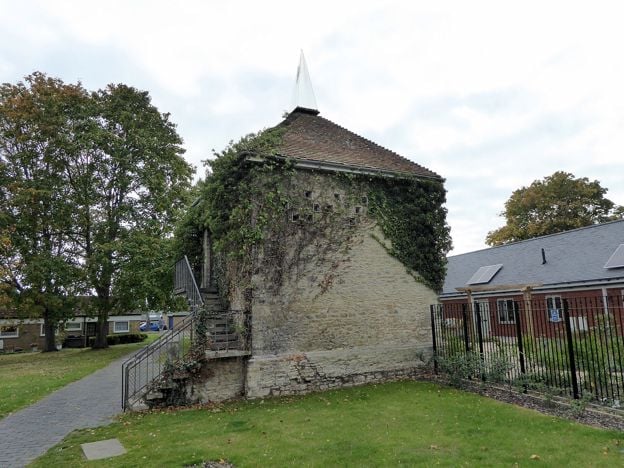
Bicester Historic Town Trail
Walk · Starts in Bicester · 1 hr, 15 mins · Circular
The Bicester Historic Town Trail is a 1.9-mile (3km) easy circular walk round the old town, about an hour and a quarter with stops. It links 25 buildings on the council's leaflet, from the priory's dovecote and St Edburg's church to Market Square, Sheep Street and Garth Park.
-
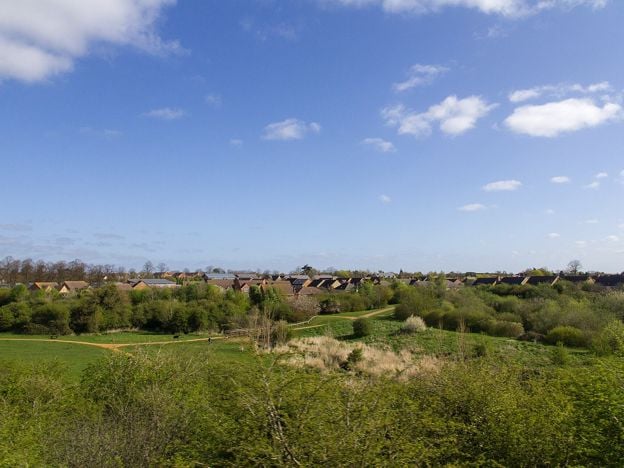
Bicester West Health Route and Bure Park
Walk · Starts in Bicester · 1 hr, 10 mins · Circular · Dog-friendly
The Bicester West Health Route is a 5K (3.1-mile) easy circular walk on a painted blue line through Bure Park and west Bicester, about 70 minutes. It is a town loop on pavements and paths, ending through a railway tunnel in Bure Park Nature Reserve.
Stay and eat near St Edburg's Church, Bicester
-
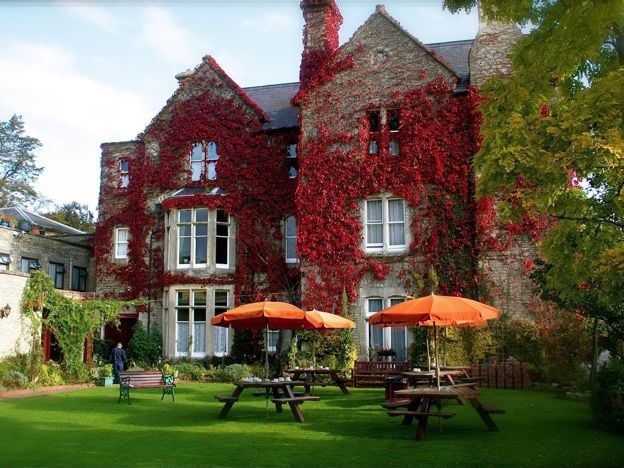
The Littlebury Hotel, Bicester
Hotel · Bicester
A family-run hotel on Kings End in Bicester since 1959, with 35 en-suite rooms, breakfast included, a lounge bar, gardens and a large car park, within walking distance of the town centre and Bicester Village.
Family-friendly · Wedding venues
Verified Nov 2026
-
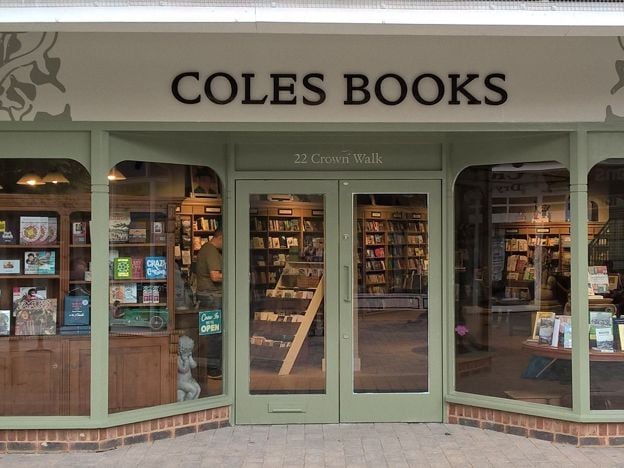
Coles Books, Bicester
Independent shops · Bicester
An independent bookshop at 22 Crown Walk in Bicester's Pioneer Square, in the town for more than 30 years, with signed editions, a Bicester and Oxfordshire shelf and a book club that brings authors to meet readers.
Rainy days
Verified Nov 2026
-
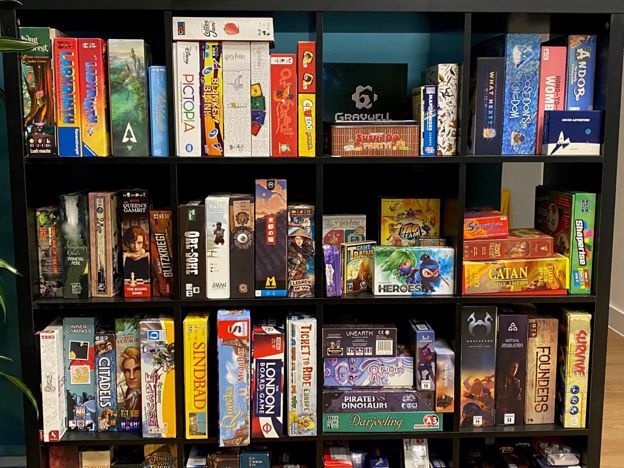
Noughts & Nibbles, Bicester
Cafes and tearooms · Bicester
An independent board game café in the old bank at the top of Sheep Street, Bicester, with hundreds of games, barista coffee, toasties and cakes, open Tuesday to Sunday; £2.50 an hour a head to play, under-5s free.
Family-friendly · Rainy days
Verified Nov 2026
Stories about St Edburg's Church, Bicester
-
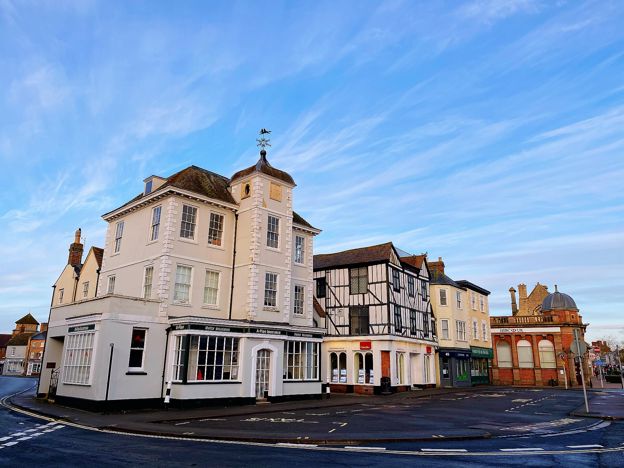
Bicester's ghosts: the White Lady, the Cavalier and M.R. James
Story · Strange Things · 5 minute read
Bicester's ghost stories: the White Lady who hid her household's valuables from the Roundheads, the Cavalier by the old Crock Well, monks by the priory site, a cunning man flown to Kirtlington by demons, and the Christmas ghost story M.R. James set in the Market Square.
-
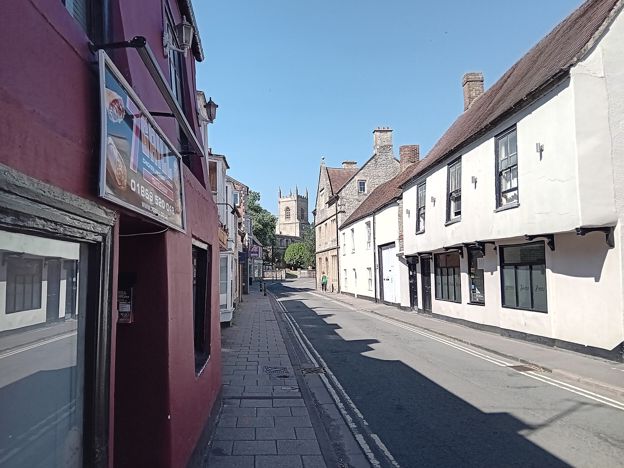
Bicester's history: from the priory and the market to the garden town
Story · History · 10 minute read
Bicester grew up by a ford over the Bure Brook, gained an Augustinian priory in the 1180s and a market in 1239 that still runs every Friday. It was a hunting town, then a garrison town, and since 2014 a garden town. The story from the record, and what of it you can still see.
-
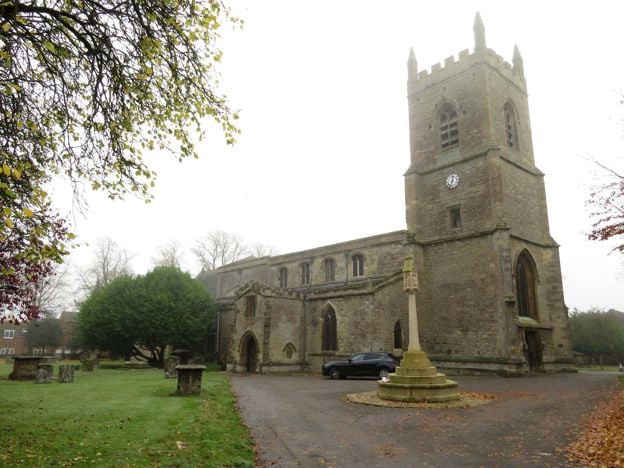
St Edburg of Bicester: the saint, the priory and the shrine that moved
Story · History · 5 minute read
Bicester's parish church and its lost priory were both dedicated to St Edburg, an Anglo-Saxon saint nobody can quite identify. Her marble shrine was carried off at the Dissolution and still stands in a church west of Oxford. What is known, what is guessed, and where to see it.
More sights to see
-
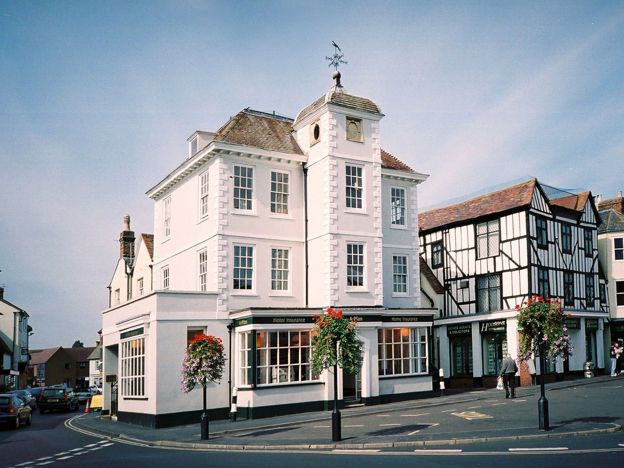
Bicester Market Square
Sight · Historic building · Bicester
The old market place at the centre of Bicester, where the town's market was granted in 1239, lined with listed houses such as No. 47 of 1698 with its oval-windowed tower. The Friday market is on Sheep Street beside it, and the square is due to be remade.
-
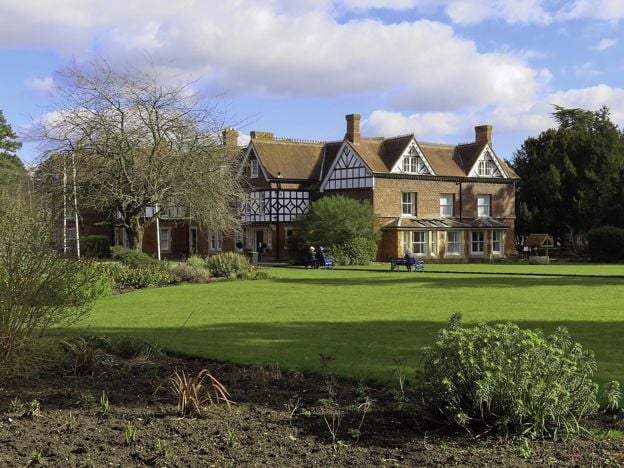
Garth Park, Bicester
Sight · Common or park · Bicester
Bicester's town park: about 9 acres of lawns, specimen trees and formal beds round Garth House, a Victorian hunting lodge given to the town in 1946. It has the 1732 bell of the old Town Hall, a bandstand, a café and play areas, a few minutes from Market Square.
-
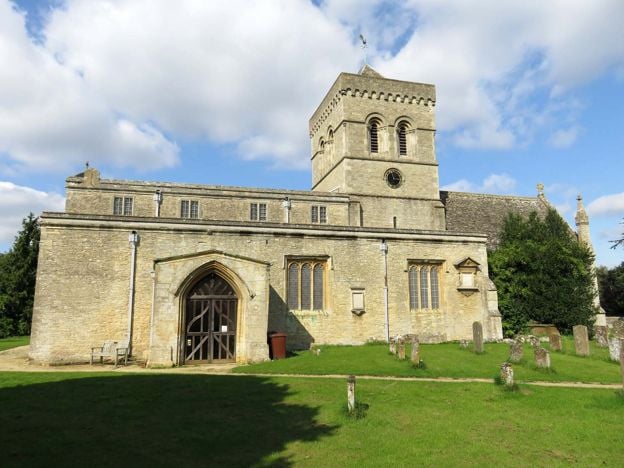
St Mary's Church, Kirtlington
Sight · Church · Kirtlington
Kirtlington's Grade II* church, with Norman arches under a Victorian tower that replaced one pulled down in 1770, late medieval paintings of St George and St Christopher, and the chapel of the Dashwoods of Kirtlington Park. Normally open in daylight.