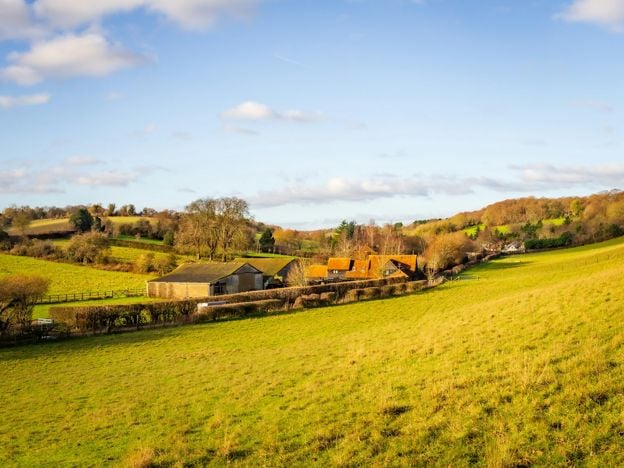
Steve Daniels, CC BY-SA 2.0, via Wikimedia Commons
Garth Park, Bicester
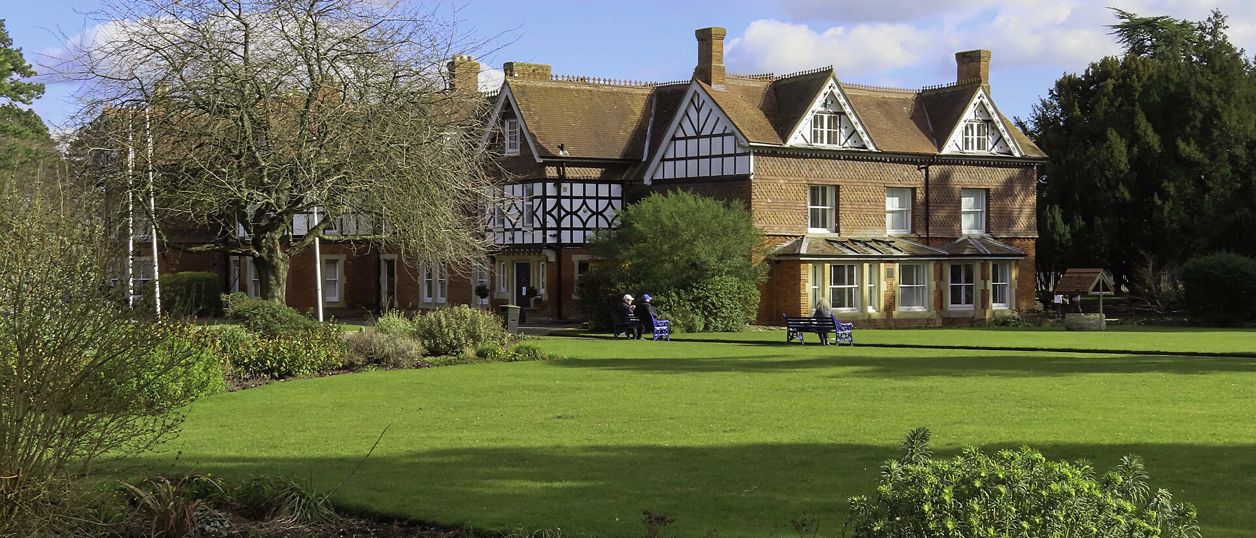
Bicester's town park: about 9 acres of lawns, specimen trees and formal beds round Garth House, a Victorian hunting lodge given to the town in 1946. It has the 1732 bell of the old Town Hall, a bandstand, a café and play areas, a few minutes from Market Square.
Common or park
BicesterGarth Park is the town park of Bicester: about 9 acres of lawns, specimen trees and formal beds round Garth House, a Victorian hunting lodge on Launton Road, a few minutes' walk east of the Market Square. The town has owned it since 1946, and it keeps the bell that once called the town to the old Town Hall and Shambles.
The story of the Garth
The house began in the 1840s as the Poplars, according to the Oxfordshire Gardens Trust and the town council. In the 1870s it was remodelled and enlarged as a hunting box. By 1876, Bicester Local History Society says, it belonged to Baron Adolf Deichmann, a London banker of German origin, who renamed it the Garth and kept horses there for coach driving. In 1891 the Keith-Falconer family, also keen followers of the Bicester Hunt, bought the house and 17 acres on both sides of Launton Road for £8,000.
In the Second World War the army requisitioned the house and grounds, and the Bicester Home Guard had its headquarters at the entrance lodge. After Mrs Williamina Keith-Falconer died, the estate was bought for £6,500 and handed to Bicester Urban District Council in May 1946, much of the money coming from local donors. The history society names Lord Bicester, the Hon. Arthur Child Villiers, Major Adrian Keith-Falconer and Major Philip Fleming, and a plaque on the left gate pier records the gift. The park opened to the public in the early 1950s, and in 1972 it passed to the new Bicester Town Council, which has its offices in the house.
Land was sold over the years, including Langford Farm in 1997 for the New Langford housing. The house had declined by the end of the century, with its top floor unusable. The council re-roofed it in 2012, and in 2014 a government grant paid for insulation and double glazing in part of it.
What to look for
Beyond the play areas and the café, start with Garth House itself, which Pevsner calls a rambling gabled mansion: brick below, fish-scale tile-hanging above, barge-boarded dormers, and a Jacobean-style oriel window. In front of it stands the bell cast by Edward Hemins at the Bicester foundry in 1732. The town council says it was the call bell of the old Town Hall and Shambles in the Market Square until they were demolished in 1826; the history society says it later went to the workhouse.
Among the specimen trees are a giant redwood, a cedar of Lebanon, a blue Atlas cedar, a tulip tree and a black mulberry. The bandstand is from the W. A. Baker foundry; the history society says it was first put up in a Barnsley suburb and was bought from scrap and restored by the town council.
Smaller things are easy to pass. A German telephone box was given by Bicester's twin town, Neunkirchen-Seelscheid, in May 1990. On the southern boundary is a small pet cemetery, where the Keith-Falconers buried their dogs and horses. A metal seat round a yew is for local people who served in the First World War, and a rowan is for a soldier killed in Afghanistan in 2010.
Visiting Garth Park
The park is free. The Oxfordshire Gardens Trust described it in 2022 as open to the public in daylight hours; check the town council's site for current times and closures. There is a café, with public toilets outside it (the café's own are for its customers), a play area the council counts at more than 45 pieces of equipment for children aged 2 to 14, a skate park opened in 2019, an outdoor gym, and a six-rink bowling green and a tennis court leased to local clubs. The café, Garth Park Kitchen, serves breakfast, lunch and Sunday roasts; check its own site for hours. The park has hosted concerts and events such as the Bicester Festival, and the county council's Bicester ceremony room, for civil weddings of up to 48 guests, is at the Garth.
Getting there
The main gates are on Launton Road, postcode OX26 6PS, with two smaller pedestrian gates on Launton Road and one from London Road through Garth Court. Parking on site is limited, so use a town car park: see parking in Bicester. Bicester Village station is on London Road, a short walk from the Garth Court gate, and getting to Bicester has the trains and buses.
Nearby
The Market Square is a few minutes west, and St Edburg's Church just beyond it. For wilder green space, Bure Park Nature Reserve is on the north side of town.
Walks past Garth Park, Bicester
-
Bicester Historic Town Trail
Walk · Starts in Bicester · 1 hr, 15 mins · Circular
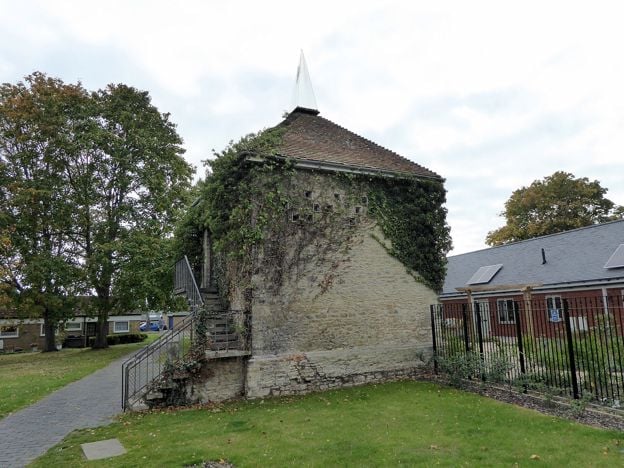
The Bicester Historic Town Trail is a 1.9-mile (3km) easy circular walk round the old town, about an hour and a quarter with stops. It links 25 buildings on the council's leaflet, from the priory's dovecote and St Edburg's church to Market Square, Sheep Street and Garth Park.
-
Bicester West Health Route and Bure Park
Walk · Starts in Bicester · 1 hr, 10 mins · Circular · Dog-friendly
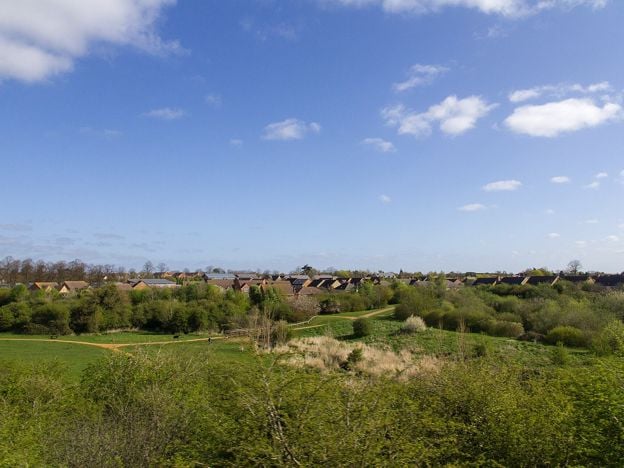
The Bicester West Health Route is a 5K (3.1-mile) easy circular walk on a painted blue line through Bure Park and west Bicester, about 70 minutes. It is a town loop on pavements and paths, ending through a railway tunnel in Bure Park Nature Reserve.
Stay and eat near Garth Park, Bicester
-
Noughts & Nibbles, Bicester
Cafes and tearooms · Bicester
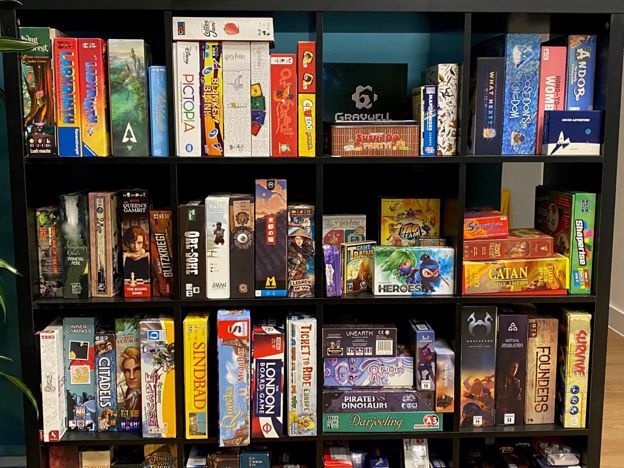
An independent board game café in the old bank at the top of Sheep Street, Bicester, with hundreds of games, barista coffee, toasties and cakes, open Tuesday to Sunday; £2.50 an hour a head to play, under-5s free.
Family-friendly · Rainy days
Verified Nov 2026
-
Bicester Green, Sheep Street
Independent shops · Bicester
A charity's shop on Sheep Street, Bicester, where volunteers repair, refurbish and make things from reclaimed wood, and sell them with a 30-day warranty, alongside a free monthly Repair Café and a Library of Things.
Rainy days
Verified Nov 2026
-
Coles Books, Bicester
Independent shops · Bicester
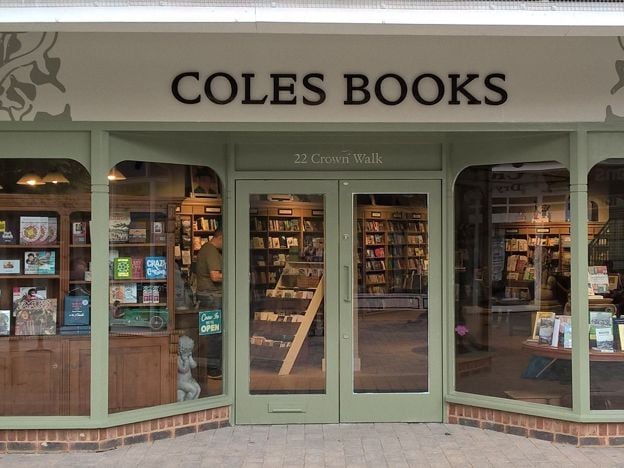
An independent bookshop at 22 Crown Walk in Bicester's Pioneer Square, in the town for more than 30 years, with signed editions, a Bicester and Oxfordshire shelf and a book club that brings authors to meet readers.
Rainy days
Verified Nov 2026
Stories about Garth Park, Bicester
-
Bicester with children: days out for families
Story · Guides · 6 minute read
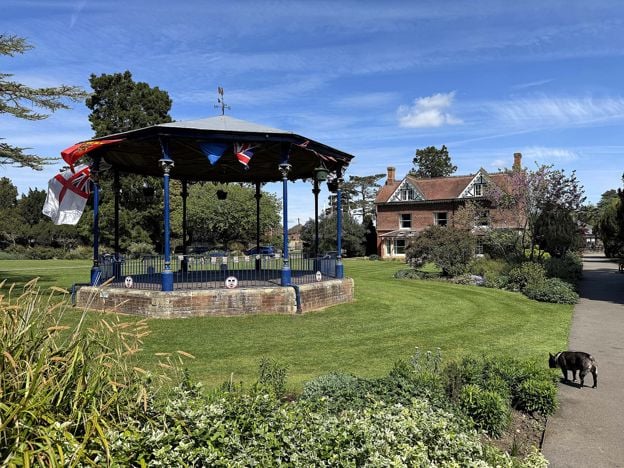
Bicester with children: the play area and skate park at Garth Park, newts at Bure Park, a climbing centre, a pool and a cinema in the town, Scramble days at Bicester Heritage, the Cold War airbase at Heyford Park and boats at Lower Heyford, with ages, prices and what to skip.
-
Bicester's history: from the priory and the market to the garden town
Story · History · 10 minute read
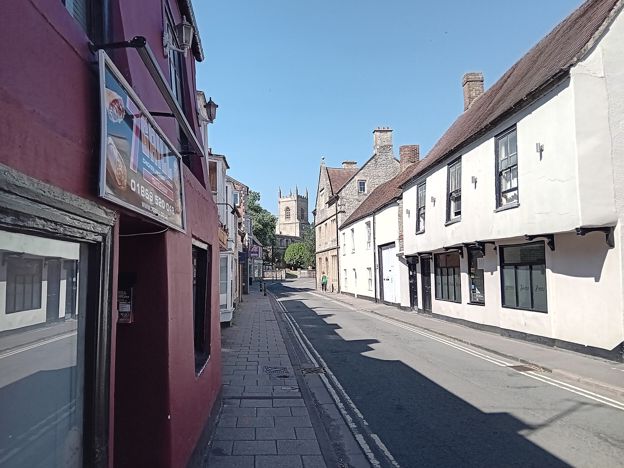
Bicester grew up by a ford over the Bure Brook, gained an Augustinian priory in the 1180s and a market in 1239 that still runs every Friday. It was a hunting town, then a garrison town, and since 2014 a garden town. The story from the record, and what of it you can still see.
-
Things to do in Bicester
Story · Guides · 8 minute read
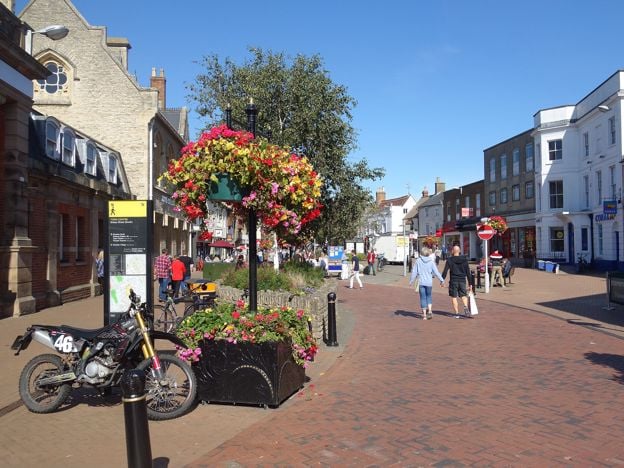
Things to do in Bicester: St Edburg's Church, the Market Square and the Friday market, the town trail and Garth Park, Bicester Village, the Scramble days at Bicester Heritage, then the Cold War tours at Heyford Park and Rousham's garden, with what to skip.
More sights to see
-
Bicester Market Square
Sight · Historic building · Bicester
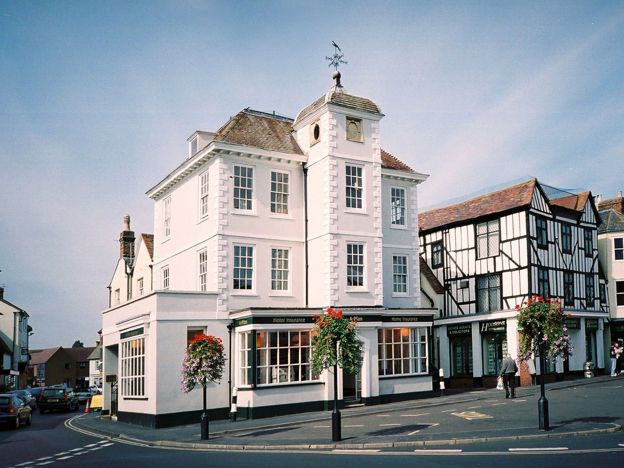
The old market place at the centre of Bicester, where the town's market was granted in 1239, lined with listed houses such as No. 47 of 1698 with its oval-windowed tower. The Friday market is on Sheep Street beside it, and the square is due to be remade.
-
St Edburg's Church, Bicester
Sight · Church · Bicester
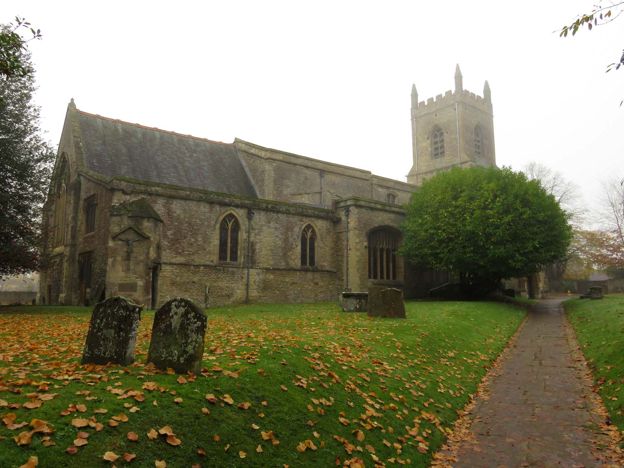
Bicester's Grade I parish church, grown from a Norman church with a central tower into the big Perpendicular church of today. Inside are brasses from about 1500, Georgian monuments by Scheemakers, Wilton and Westmacott, and a Morris & Co. window of 1866.
-
Bure Park Nature Reserve, Bicester
Sight · Nature reserve · Bicester
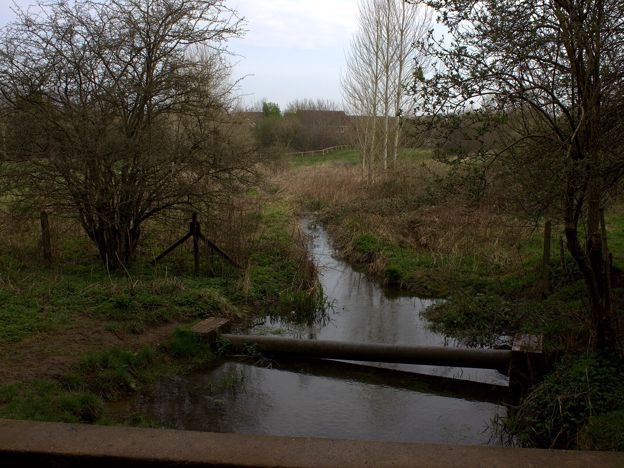
A local nature reserve of 8.4 hectares on the north side of Bicester: meadow, young woodland, hedges and scrub along the little River Bure, with a pond that holds great crested newts. Free, small and local, a ten-minute walk from the town centre.