Strange Banburyshire: ghosts, witches, lost horses and sham ruins
This corner of England is short of headless horsemen and long on things that are odder for being true. Here is the whole shelf, with the legend kept apart from the record.
· 6 minute read
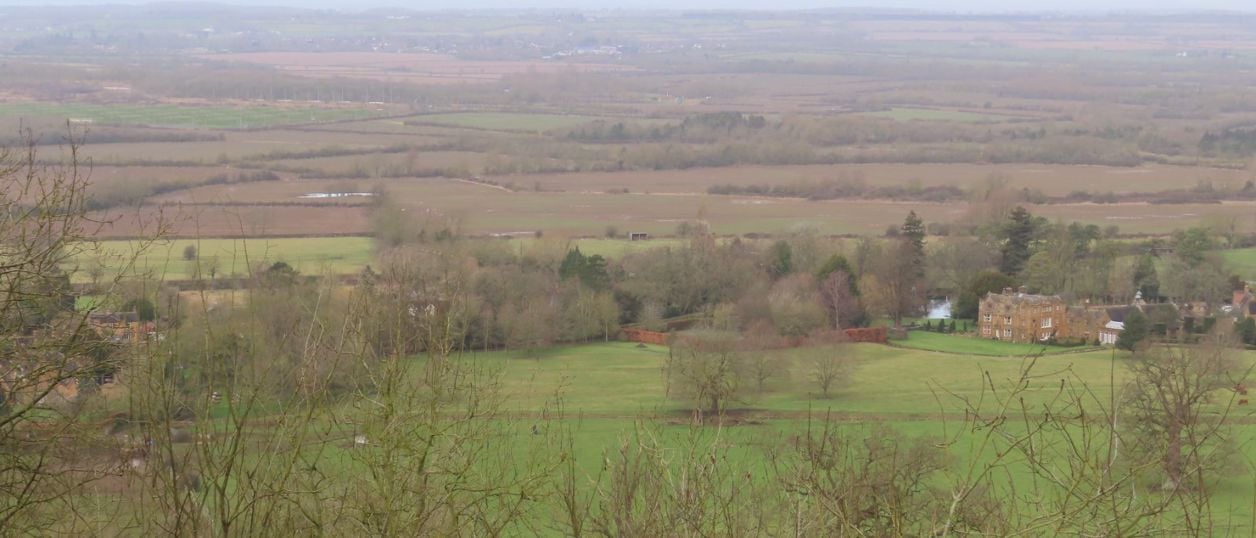
The country round Banbury is not famous for its ghosts. What it has instead is a run of stories where something real sits at the bottom: a pamphlet, a court case, a dig, a listing. This page gathers them, with a line on each and a link to the full story. Our rule is the same throughout. We tell a legend as a legend, say what the record shows, and leave out anything we cannot source.
Ghosts
The best ghost story in the region is also the best documented. In January 1643 a London pamphlet reported that the Battle of Edgehill was being fought again in the night sky, and that officers sent by the King had seen it. The pamphlet is real, and our story of the Edgehill ghosts sets out how far the rest can be traced. You see the battlefield itself from the ridge, as most of it is closed Ministry of Defence land.
In Banbury, Whately Hall tells of Father Bernard, a priest who, the story goes, died of fright in 1687 when a servant rang the alarm on a secret Catholic meeting as a joke. Ye Olde Reine Deer Inn is said to have a Cavalier. Our story of Banbury's ghosts tells both, and points out that 1687 was the year James II allowed Catholics to worship in public.
Witches and stones
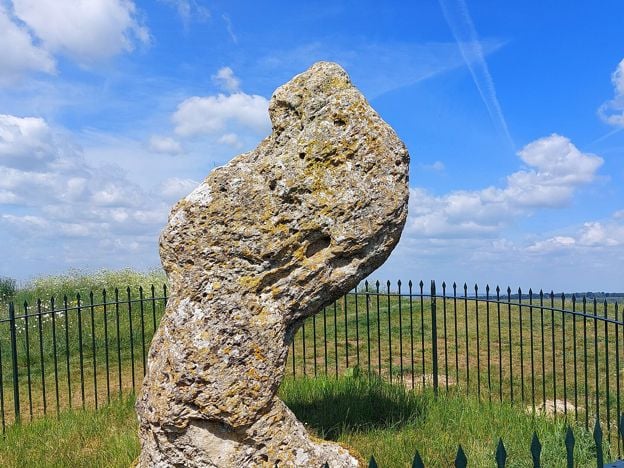
The Rollright Stones, on the ridge above Long Compton, come with the region's great legend: a king who would rule England if he could see Long Compton, and a witch who turned him and his army to stone. Our Rollright story follows the tale from Camden to the archaeologist Arthur Evans, who wrote it down from local people in 1895, with the stones that go down to drink at midnight and the elder that bleeds when it is cut.
The belief in witches was not harmless. In 1875 an 80-year-old woman of Long Compton, Ann Tennant, was killed with a pitchfork by a man who believed the parish was full of witches. That part is on record, and the story tells it.
Lost figures and three-day saints
Below Edge Hill, on the slope above Tysoe, a great horse was once cut into the hillside and scoured each year in the eighteenth century. It named the Vale of the Red Horse, was lost around 1800, and was found again by survey and excavation in the 1960s, dug deep and packed with red stone. The story of the Red Horse separates the record from the legend that the Earl of Warwick cut it.
At Kings Sutton, under the spire Pevsner called the finest in a county of spires, the parish keeps the tradition of St Rumbold, an infant who is said to have declared himself a Christian three times at birth and died at three days old. The same parish had a fashionable spa at Astrop. The Kings Sutton story has the saint, the spa and the church.
Tunnels and caves
Banbury is full of tunnels that nobody can find. Whately Hall's tunnels are said to run to the church, the Cross and even Broughton Castle, about two and a half miles away. At the castle itself, tradition tells of a council chamber where the King's opponents could talk without being overheard, though the castle's own history does not mention it. On the Broughton Road, the rough pasture called Giant's Cave is said by legend to hide a tunnel to the castle. Cherwell's walk leaflet describes it as old pasture full of hills and hollows.
Ruins built as ruins
The eighteenth century liked its oddities purpose-built. Drayton Arch is a Gothic ruin put up as a ruin about 1750 for the Wroxton estate, and the listing attributes it to Sanderson Miller. Miller also gave Wroxton a battlemented Gothic dovecote in 1745, made to look like a small castle. In the village church a single memorial commemorates all three wives of one Lord Guilford, and the Catholic church on the Stratford Road is thatched. Our Wroxton story has these, and the prime minister who lost America buried among them.
The Warriner Windmill at Bloxham Grove is odd without any ghost at all: a small post mill built in 1865 as a memorial to all windmills.
The Banburyshire newsletter
Events, new places and the best of the season, about once a month. Unsubscribe at any time.
Odd history
Some of the strangest things here are simply history. In 1600 Banbury's aldermen pulled down their own crosses, and within twenty years the town was such a byword for zeal that a satirist had a Banbury puritan hang his cat on Monday for killing a mouse on Sunday, as our story of Banbury's puritans tells. The Fine Lady rides through the middle of the town, and nobody has ever shown who she was, while the rhyme she comes from first sent a child to buy cakes, not to see a lady. Aunt Sally, the Oxfordshire pub game, began as a Victorian fairground shy with an uncomfortable history.
The twentieth century added its own. During the Second World War the aluminium works on the Southam Road hid under camouflage paint and had a plywood decoy factory built as a target, as our Alcan story tells. At Upper Heyford the Cold War left a nuclear weapons store with a trigger store disguised as an office block, now a scheduled monument, which the Upper Heyford story describes.
What we leave out
We leave out any tale we cannot source. There are no drowned bells here and no headless riders, because we have found no date, name or document behind any. If you know of one that has them, the correction link at the foot of the page reaches the editor.
Mentioned in this story
The places, sights and walks in this story, each with a page of its own: what it is, when to go and how to get there.
-
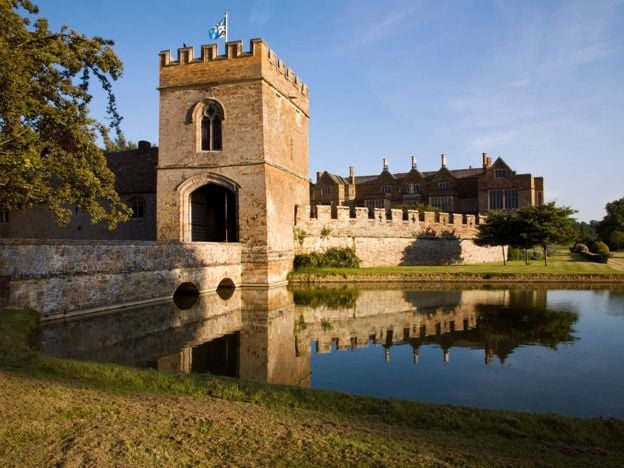
Broughton Castle
Historic houses and heritage · Broughton
-
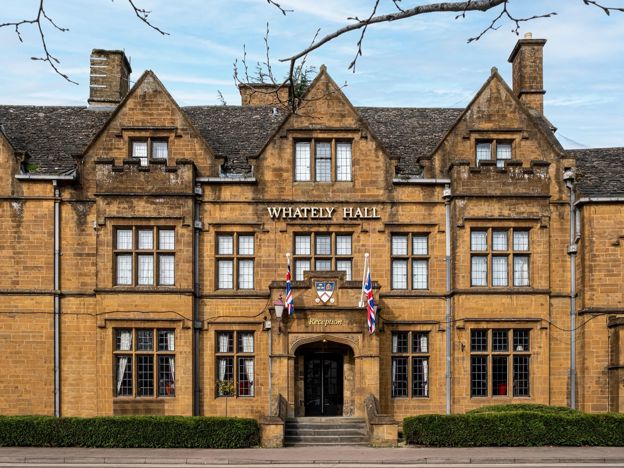
Whately Hall Hotel, Banbury
Hotel · Banbury
-
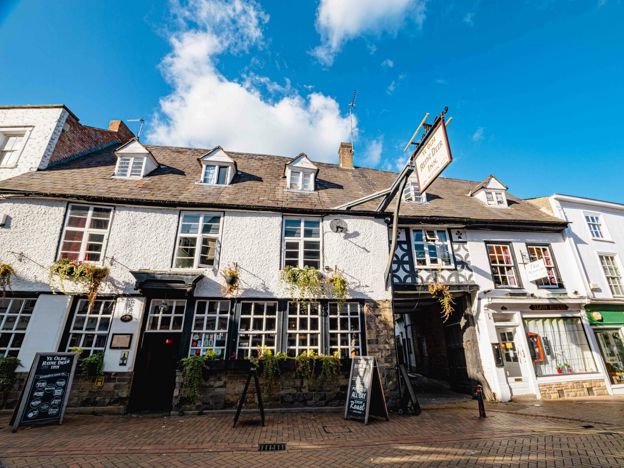
Ye Olde Reine Deer Inn, Banbury
Pubs · Banbury
-
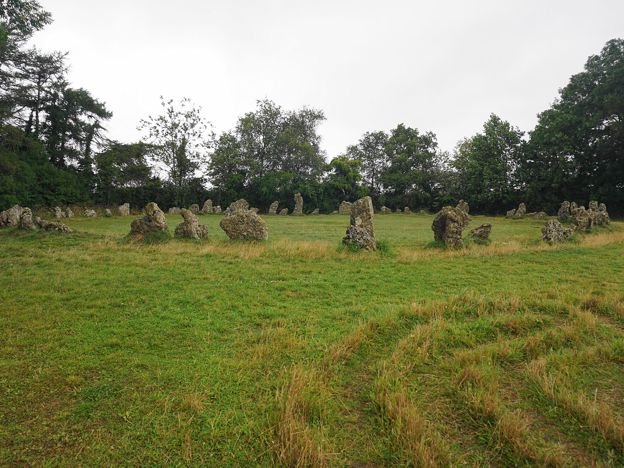
Rollright Stones
Sight · Hill fort or barrow
-
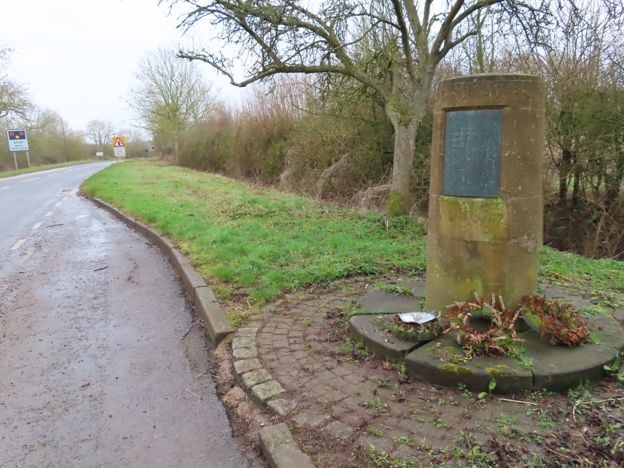
Edgehill battlefield
Sight · Monument · Edgehill and Radway
-
Giant's Cave, Banbury
Sight · Common or park · Banbury
-
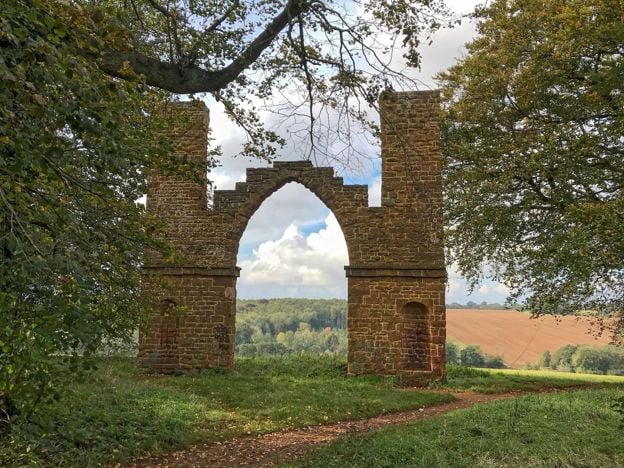
Drayton Arch
Sight · Historic building
-
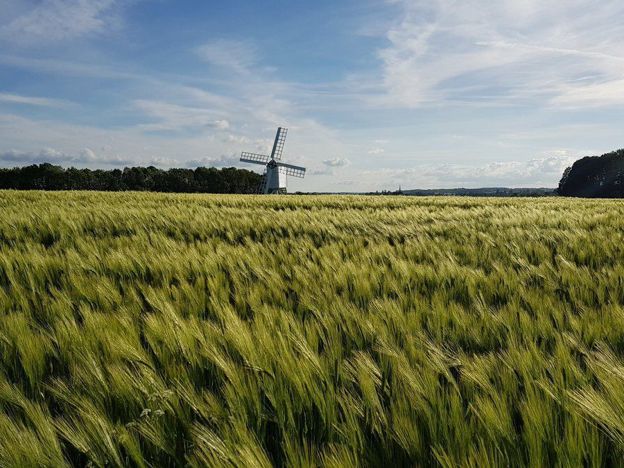
Warriner Windmill, Bloxham Grove
Sight · Historic building · Bloxham
-
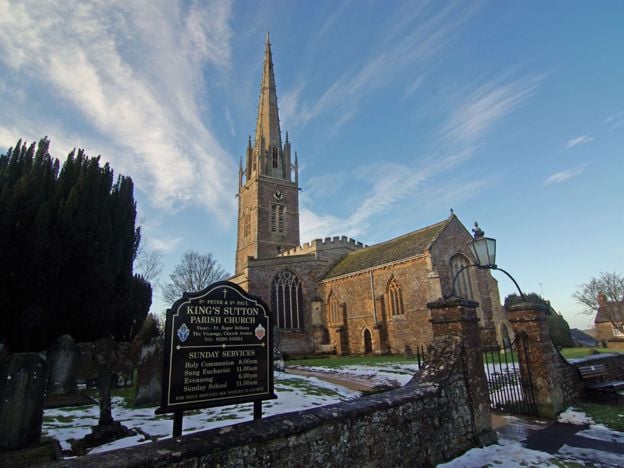
St Peter and St Paul's Church, Kings Sutton
Sight · Church · Kings Sutton
Places to stay near Banbury
-
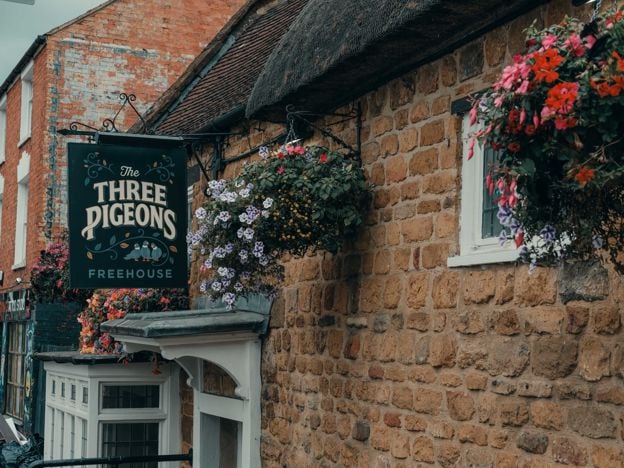
The Three Pigeons, Banbury
Pubs · Banbury
A Grade II listed 17th-century inn, partly thatched, on Southam Road, Banbury, with real ales and ciders, a courtyard, Smash Cow street food from Thursday to Saturday and three en-suite rooms.
Dog-friendly · Car-free
Verified Nov 2026
-
Banbury Cross Bed and Breakfast
B&B · Banbury
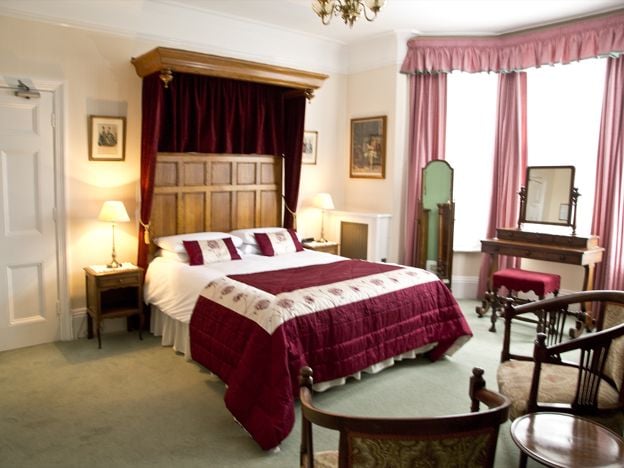
A family-run Victorian B&B on Broughton Road, Banbury, with seven bedrooms, about 370m from Banbury Cross, with free off-road parking, cooked breakfasts and rates from £77. No under-18s.
Car-free
Verified Nov 2026
-
The Wroxton Hotel
Hotel · Wroxton
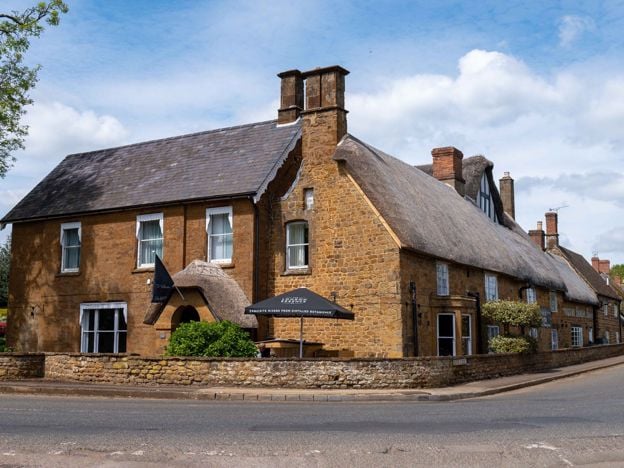
A 32-room hotel made from three adjoining stone cottages, partly dating from 1649, on the edge of thatched Wroxton, a few minutes' drive from junction 11 of the M40, with free parking and its own tea room.
Dog-friendly · Wedding venues
Verified Nov 2026
Read next
-
The Rollright witch and the King Stone: the legend, and who told it
Story · Strange Things · 6 minute read
A king who would rule England if he could see Long Compton, a witch who turned him and his army to stone, and stones that go down to drink at midnight. The Rollright legend was written down from local people in the 1890s, and Long Compton's belief in witches was no joke.
-
The Edgehill ghosts: the battle that was fought again in the sky
Story · Strange Things · 6 minute read
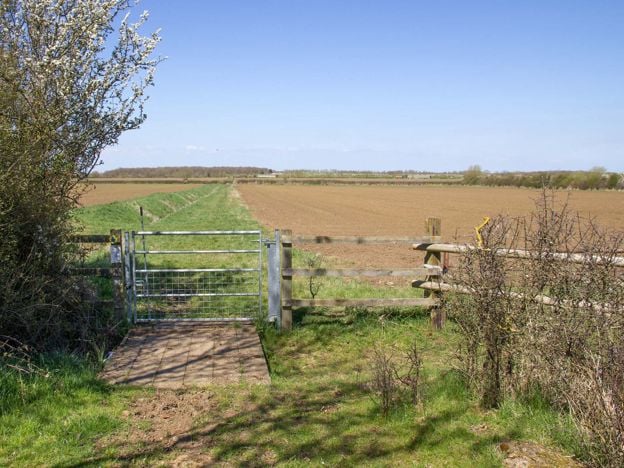
In January 1643 a London pamphlet said the Battle of Edgehill was being fought again in the night sky, and that officers sent by the King had seen it. The pamphlet is real. We cannot trace the claim that a royal commission's report survives as a state record.
-
Banbury's ghosts: Father Bernard, the Cavalier and the tunnels
Story · Strange Things · 5 minute read
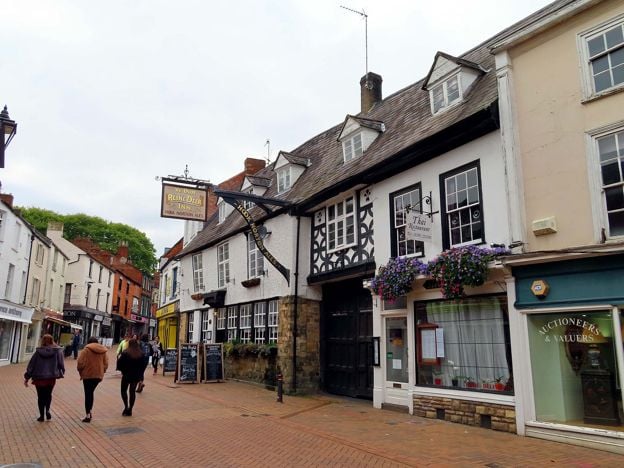
Banbury's best ghost lives in a hotel by the Cross: a priest said to have died of fright in 1687 when a servant rang the alarm as a joke. There is a Cavalier at the Reine Deer and tunnels under everything. What the stories say, how they differ, and what the record shows.