The Edgehill ghosts: the battle that was fought again in the sky
Two months after the first great battle of the Civil War, shepherds said they heard it start again overhead. Here is what the pamphlet says, and where the story has grown since.
· 6 minute read
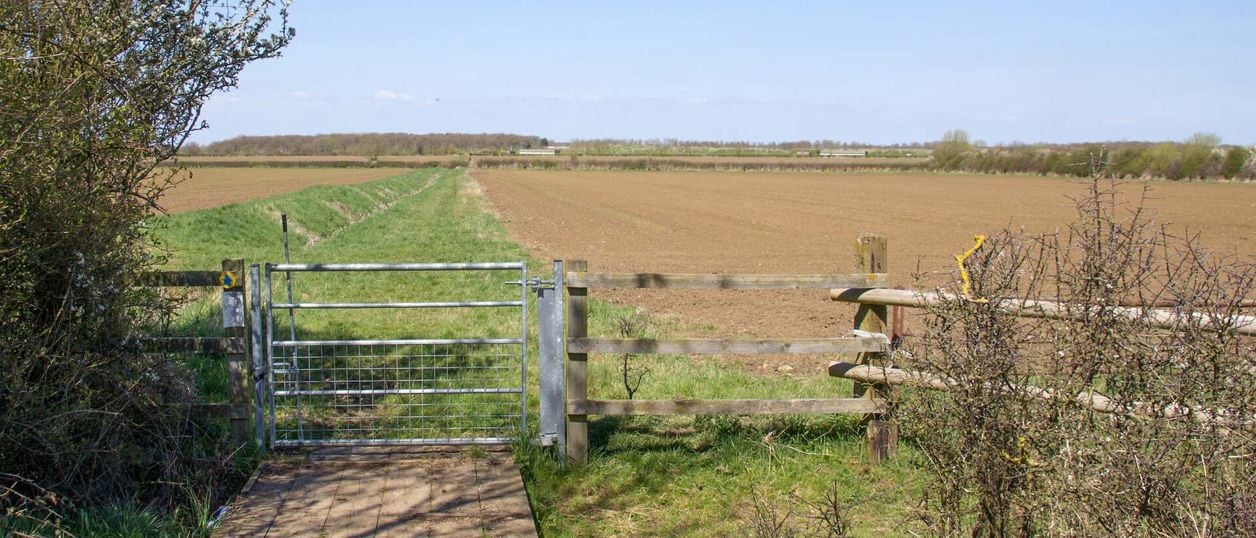
The Edgehill ghosts come from print: chiefly a pamphlet published in London in January 1643, which says the Battle of Edgehill was seen and heard being fought again in the sky over Christmas 1642, and that officers sent by Charles I saw it too. You will often read that this is the only haunting recorded on the official state record. We can trace the pamphlet. We cannot trace the record.
The battle
The battle itself is firm ground. On Sunday 23 October 1642 the armies of Charles I and the Earl of Essex fought in the open fields between Radway and Kineton in Warwickshire, the first major action of the Civil War in England. Estimates of the armies run from about 12,000 men each (the Battlefields Trust) to about 14,000 (Warwickshire's Historic Environment Record), and no one counted the dead reliably.Glenn Foard's account for the Battlefields Trust (opens in a new tab) tells how the Royalist cavalry swept the Parliamentarian horse from the field and then chased them to Kineton, while the infantry fought on until the light failed.
Sir Edmund Verney, who carried the King's standard, was killed, and the standard was taken and then recovered. Both armies drew off the next day, and the full story of the war here has what happened next.
What the pamphlet says
The source is _A Great Wonder in Heaven_ (opens in a new tab), printed in London for Thomas Jackson and dated 23 January. It gives the year as 1642 in the old style, when the year turned in March. Its title puts Edge Hill in Northamptonshire, which is the first sign that the writer was not local.
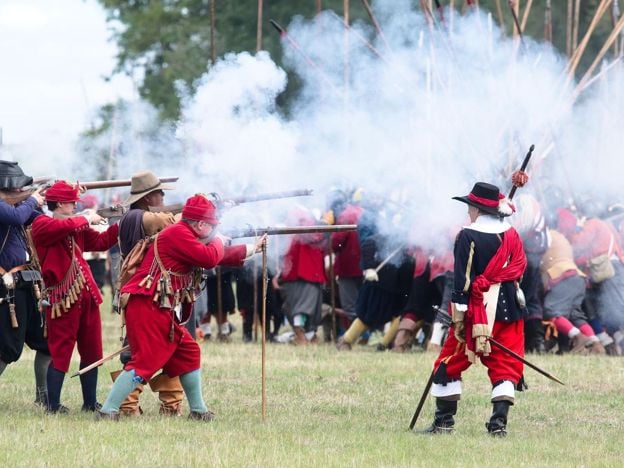
It says that on a Saturday in Christmas time, between midnight and one in the morning, shepherds, countrymen and travellers near Kineton heard distant drums and the cries of dying men. As they turned to go, the noise came nearer and two armies appeared overhead, with drums, colours, muskets and cannon, one under the King's colours and one under Parliament's. They fought until two or three in the morning. Then, in the pamphlet's words, the King's army 'withdrew, or rather appeared to fly', and Parliament's stayed in the field before all of it vanished.
The witnesses went straight to Kineton and woke William Wood, a justice of the peace, who fetched his neighbour, the minister Samuel Marshall (the pamphlet spells it Martial). They swore to what they had seen. The next night, Christmas Day, Wood and Marshall went out with the witnesses and some local gentlemen, and within half an hour it all appeared again.
Then 'The next night they appeared not, nor all that week'. The following Saturday and Sunday it came back, and again the weekend after, until Wood and others moved out of their houses.
The King's officers
This is the part that made the story famous. Word reached the King at Oxford, the pamphlet says, and he sent Colonel Lewis Kirke, Captain Dudley, Captain Wainman and three other gentlemen. They heard Marshall's account, stayed until the next Saturday and saw it themselves. On the Sunday they recognised faces among the phantoms, including Sir Edmund Verney and others known to have died, and swore to it before the King.
A second pamphlet, The New Yeares Wonder, printed for Robert Ellit, followed within days. The authors' own view of what it meant is that it was a sign of God's anger: 'What this does portend, God only knoweth', the first one ends, praying for peace between King and Parliament.
The official record that is not there
Here is where we part from most accounts, including what this page said until now. It is often stated that the Public Record Office recognises the Edgehill ghosts, as the only phantoms ever so honoured. Historic UK says so, for one. None of the versions we have read cites a document, a catalogue reference or a date.
The pamphlet itself describes six men sent by the King who gave sworn evidence, and it never calls them a royal commission. No report by them has turned up in anything we have read, and a contributor to Our Warwickshire's article (opens in a new tab) says that nothing of the kind is held at Kew. That is one comment and not an archive search, so we say only this: the story rests on printed pamphlets, and until someone produces the report, 'officially recorded' should be dropped.
It is worth reading a pamphlet like this for what it was. It was printed in London, Parliament's capital, in a season when the sides were fighting a war of print as well as of arms, and in its vision the King's men run. In the real battle, Foard argues, the King gained the advantage, keeping the road to London open while Essex fell back to Warwick. That does not prove anyone invented it. People in 1643 took signs in the sky seriously, and a story that frightened Kineton could still sell in London.
How the story grew
Several details came later and sit on top of the pamphlet. Verney is one. The pamphlet has him among the faces. Later tellings add that his hand was cut off to get the standard from him, which is a separate legend. The tidy ending, that the sightings stopped once the villagers buried bodies left on the field, is not in the pamphlet as we have read it, and sits awkwardly with Foard's narrative, in which Essex's men rested at Kineton while the dead were buried straight after the battle.
The Banburyshire newsletter
Events, new places and the best of the season, about once a month. Unsubscribe at any time.
What you can see today
You cannot walk the core of the battlefield. Foard called it the largest site on the English battlefields register in 2005, but an ammunition depot built in the 1940s and rebuilt in the 1990s, now the Ministry of Defence's Kineton site, lies across the middle of it. The monument beside Graveyard Coppice, near what is thought to be a mass grave, is inside the depot's compound, so do not plan on reaching it. Foard records how much that building work destroyed.
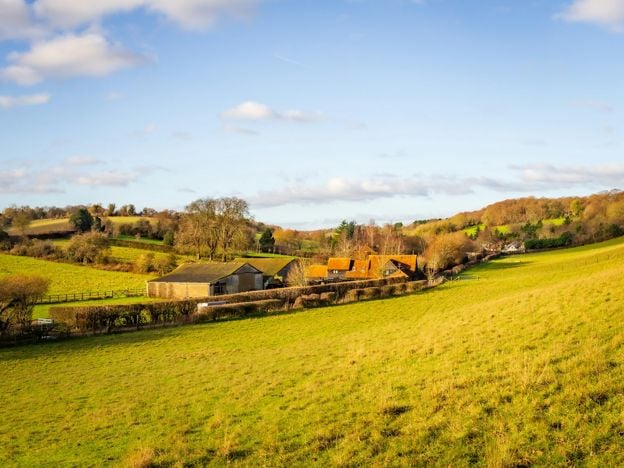
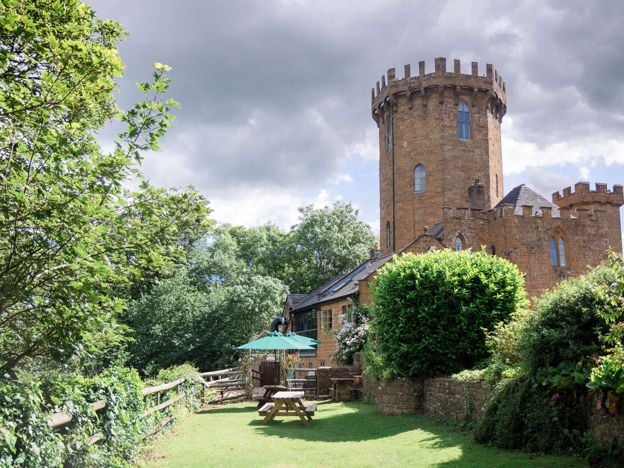
The view is the thing to come for. From the top of Edge Hill the fields fall away to Radway and the plain beyond, and you can read the ground from above. The tower of the Castle Inn on the ridge, a sham castle in ironstone that Sanderson Miller designed for himself around 1746 to 1747, is where Foard took his own view of the field. It was built about a hundred years after the battle, so it is a folly and not a witness. Our page on the Edgehill battlefield and the Edgehill guide have the practical details, and Upton House is close by on the same ridge. If you want the shape of the fighting more than the ghosts, go on to the Civil War story.
Places to stay near Edgehill and Radway
-
The Castle at Edgehill
Pubs · Edgehill and Radway
A pub and restaurant in the castellated 18th-century tower on top of Edgehill, above the 1642 battlefield, with Hook Norton ales, large gardens, five en-suite rooms and a gin school in the tower.
Family-friendly · Wedding venues
Verified Nov 2026
-
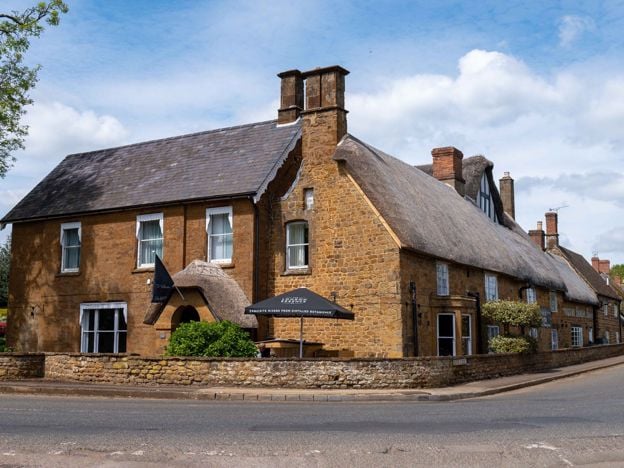
The Wroxton Hotel
Hotel · Wroxton
A 32-room hotel made from three adjoining stone cottages, partly dating from 1649, on the edge of thatched Wroxton, a few minutes' drive from junction 11 of the M40, with free parking and its own tea room.
Dog-friendly · Wedding venues
Verified Nov 2026
Read next
-
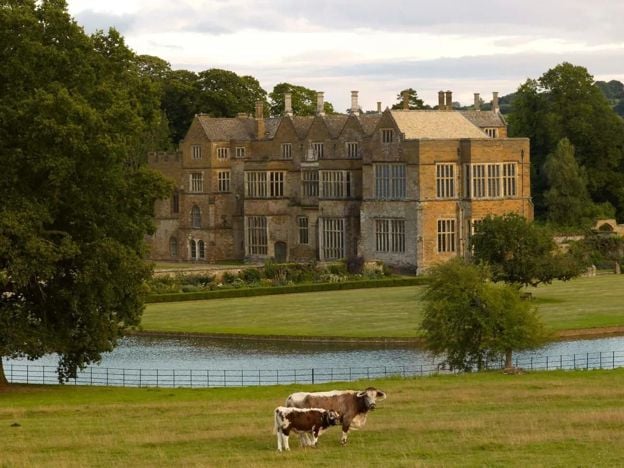
The Civil War in Banburyshire: Edgehill, Cropredy and Banbury's sieges
Story · History · 7 minute read
Banburyshire saw the Civil War's first great battle at Edgehill in 1642, a Royalist win at Cropredy Bridge in 1644 and two sieges of Banbury Castle. By 1648 the castle had been pulled down. Banbury lost hundreds of its people, and this is how it happened.
-
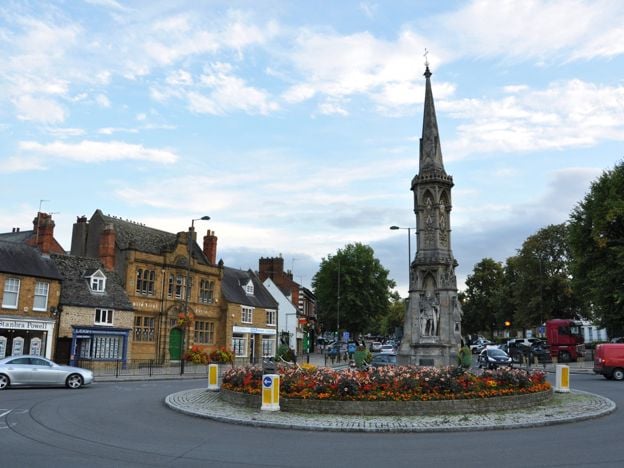
Banbury Cross: the lost crosses and the fine lady
Story · History · 7 minute read
The Banbury Cross of the rhyme is gone. Banbury's own aldermen had the High Cross pulled down on 26 July 1600. The cross you can see dates from 1859 and stands somewhere else, and nobody has ever shown who the fine lady was.
-
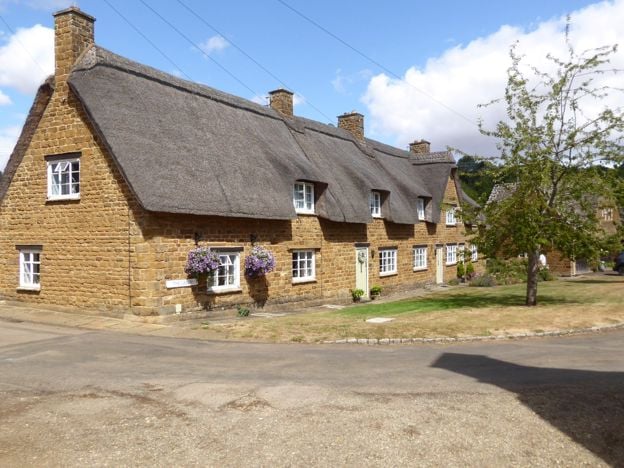
Hornton stone and the ironstone villages: why Banburyshire is brown
Story · History · 5 minute read
Hornton stone is the rusty ironstone that colours the villages around Banbury. It is a band of Jurassic rock no more than about 10m thick, quarried at Hornton and on Edge Hill for centuries. Henry Moore carved it, and steelworks ate it until 1967.