Wroxton Abbey and Lord North: the prime minister who lost America
Lord North is the Banbury man most Americans have heard of, though not kindly. His family's house at Wroxton is a puzzle of its own, and so is almost everything around it.
· 5 minute read
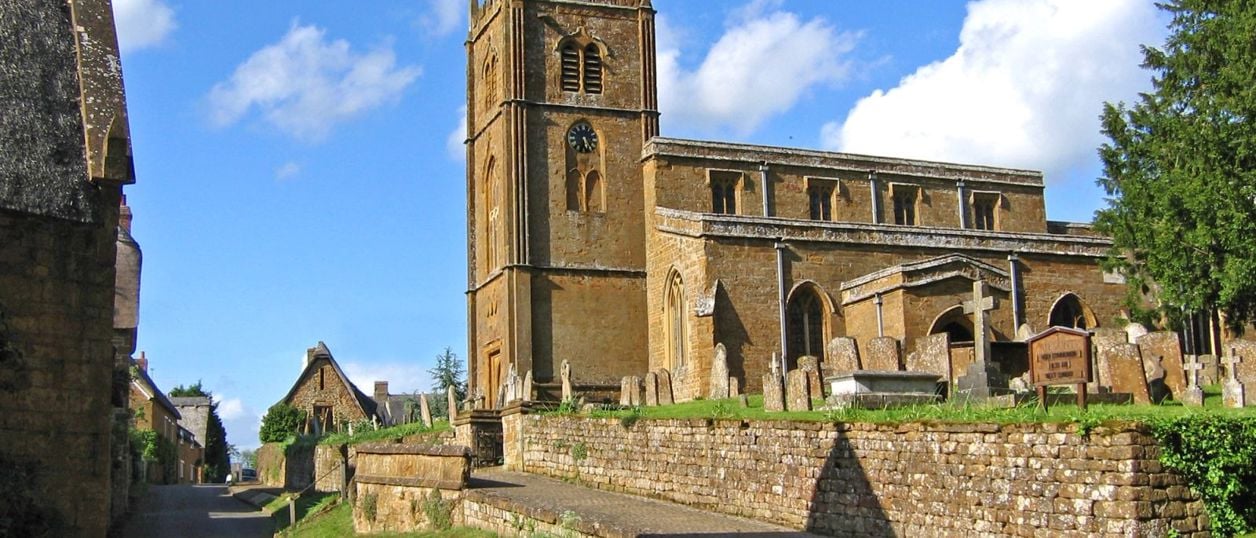
Wroxton Abbey, just west of Banbury, is a Jacobean house with a misleading name, a strange ownership and a famous tenant. It is closed to visitors, as our Wroxton Abbey page explains, but the village round it holds most of the story, and some of it is odd enough to be worth the trip.
An abbey that was never one
Start with the name. There was never an abbey at Wroxton. The Victoria County History (opens in a new tab) records a priory of Augustinian canons, founded about 1217 by Michael Belet, the rector, who gave it his own manor house. It surrendered to the Crown in 1536, and a lease of that year ordered most of its buildings destroyed. Parts survive in the cellars, a thirteenth-century arched recess and a fourteenth-century doorway.
In 1537 Thomas Pope, a royal official, was granted the manors. He then founded Trinity College, Oxford, and in 1554 gave them to it. The county history describes his arrangements as irregular, because he is said to have settled the property on his brother the day after handing it over. The practical result was that the people who lived at Wroxton for the next 400 years never owned it. They held it on lease from a college.
The house
The priory itself was destroyed by fire in the reign of James I, the parish history says. Sir William Pope, later Earl of Downe, built the present house in the 1610s, at a reputed cost of £6,000, and the chapel doors carry the date 1618. When the Pope line failed in 1668 the estate went to Frances Pope, the wife of the lawyer Francis North, later Lord Guilford. In 1681 he bought out the other two shares in the leases, and the Norths stayed until 1932.
Lord North
The best known of them is Frederick, Lord North. The Dictionary of National Biography (opens in a new tab) records that he was elected for the family's borough of Banbury in April 1754, and the county history counts 13 elections. He became First Lord of the Treasury in January 1770, which made him prime minister in all but the modern name, and he held the post through the American war.
He did not want to. After the British surrender at Saratoga in October 1777 he asked again and again to resign, and George III kept refusing. He finally announced his resignation in the Commons on 20 March 1782. Banbury's member had presided over the loss of the American colonies, and the canal he had helped through Parliament in 1775 was, by comparison, a happier legacy, as our story of the canal tells.
His end was sad. His sight began to fail early in 1787, and he soon became totally blind. He succeeded as Earl of Guilford in August 1790 and died at his London house on 5 August 1792. He was buried on 14 August in the family vault in All Saints Church, Wroxton. Edmund Burke, who opposed him, called him a man 'of infinite wit and pleasantry'.
The church: a prime minister and three wives
All Saints, at the end of the village lane, holds the family. The county history notes a wall slab to Lord North carved by John Flaxman in 1800. The grand canopied tomb of Sir William Pope, who died in 1631, and his wife Anne stands in the chancel.
The oddest monument is to Lord North's father. The parish's own history (opens in a new tab) describes a single memorial shared by all three wives of Francis, Lord Guilford, carved by Joseph Wilton in 1783. The church tower is odd too: Sanderson Miller designed it from 1748, and the county history records that its stone octagon blew down soon after it was built, much to the satisfaction of Horace Walpole.
Follies in the park
The Norths filled their park with eye-catchers. Francis, Lord Guilford, laid out the gardens between 1733 and 1748, and Sanderson Miller added a Gothic rotunda on a mound in 1750. The Wroxton Dovecote of 1745 is a pigeon house built to look like a small castle. The Wroxton Obelisk marks a visit by Frederick, Prince of Wales, for the Banbury races of 1739, and Drayton Arch, across the fields, is a ruin built to be a ruin.
An earlier North, Roger, brother of the Lord Keeper, built himself a laboratory at Wroxton, the county history adds, which is not what anyone expects to find in a Jacobean country house.
The Banburyshire newsletter
Events, new places and the best of the season, about once a month. Unsubscribe at any time.
A thatched church and a borrowed name
The last surprise is in Silver Street. The Catholic church of St Thomas of Canterbury was built in 1887 by Colonel North, on land leased from Trinity College, as a simple corrugated iron building. Its thatched roof and present look date largely from a remodelling in 1948, according to the Catholic bishops' survey of churches, Taking Stock. The colonel was not born a North. He was born J. S. Doyle and took the name when he married Baroness Susan North in 1841. He also built the south wing of the Abbey in 1858 and 1859. Catholic services were held first in the chapel at the house, then in a room in the North Arms, before the church opened.
The end of the Norths
Money ran out in the end. In 1932 the family gave the lease back to Trinity College, and the contents were sold at auction in 1933. The college sold the house and grounds in 1963 to Fairleigh Dickinson University, which opened a college there for American students in 1965. In October 2025 the university agreed to hand the college to a group led by its alumni, who took it over in May 2026, as our page on Wroxton Abbey sets out, and a public footpath crosses the grounds. For somewhere to stay in the village, there is The Wroxton, the old Wroxton House Hotel, and Banbury is close by.
Mentioned in this story
The places, sights and walks in this story, each with a page of its own: what it is, when to go and how to get there.
-
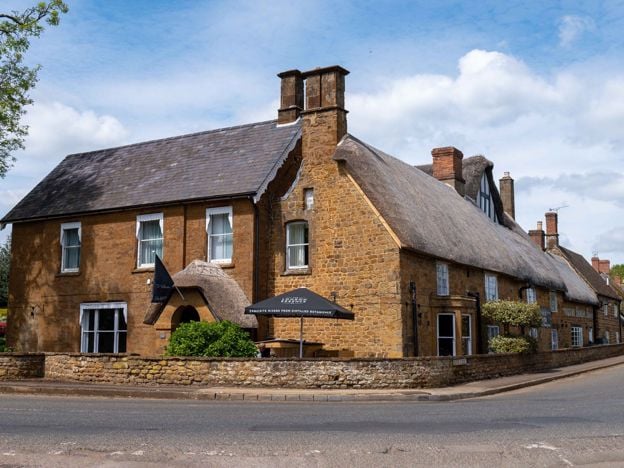
The Wroxton Hotel
Hotel · Wroxton
-
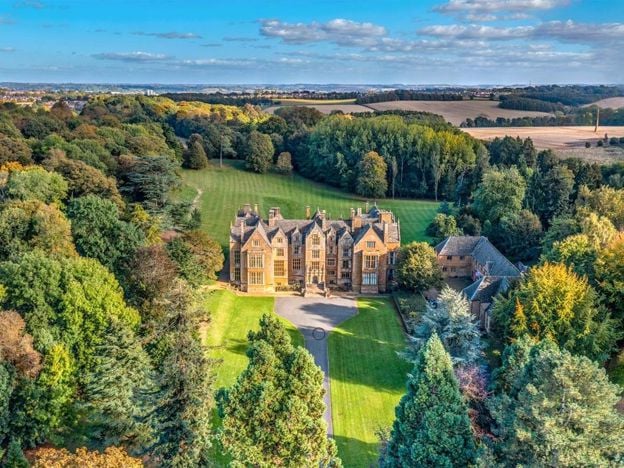
Wroxton Abbey
Sight · Historic building · Wroxton
-
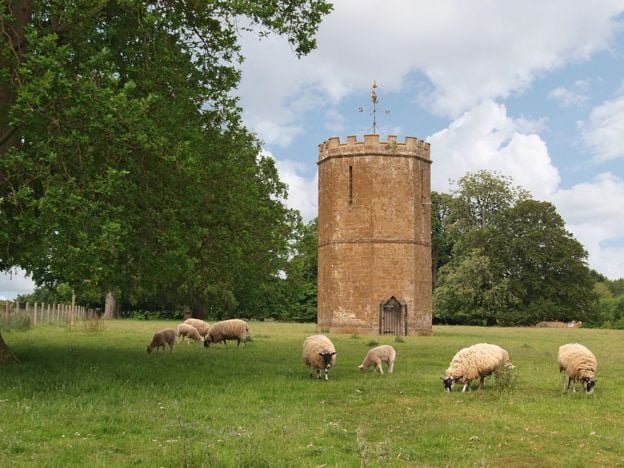
Wroxton Dovecote
Sight · Historic building · Wroxton
-
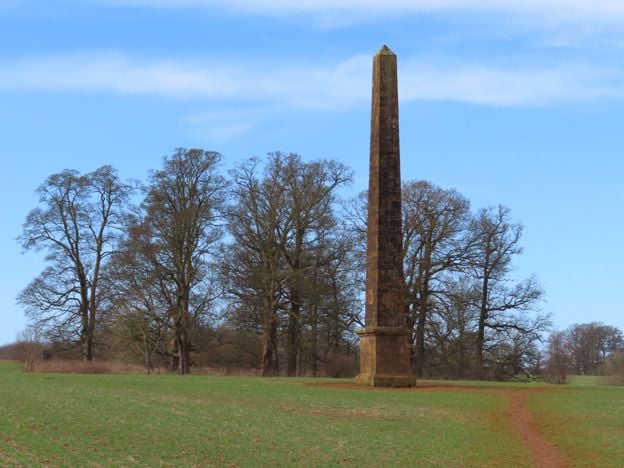
Wroxton Obelisk
Sight · Monument · Wroxton
-
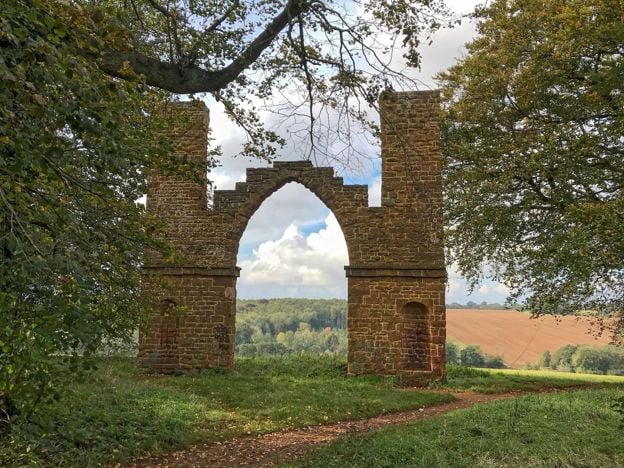
Drayton Arch
Sight · Historic building
Places to stay near Wroxton
-
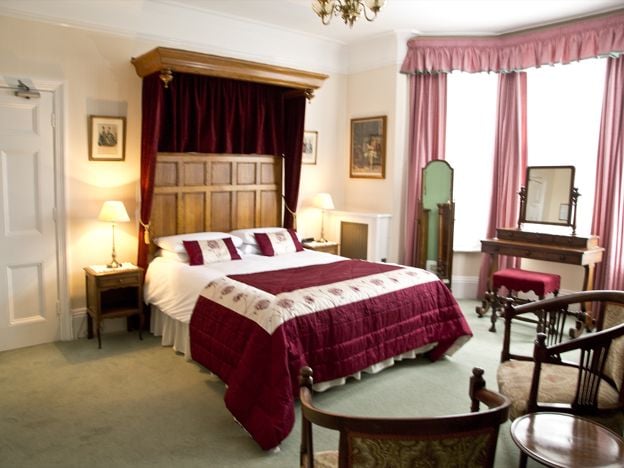
Banbury Cross Bed and Breakfast
B&B · Banbury
A family-run Victorian B&B on Broughton Road, Banbury, with seven bedrooms, about 370m from Banbury Cross, with free off-road parking, cooked breakfasts and rates from £77. No under-18s.
Car-free
Verified Nov 2026
-
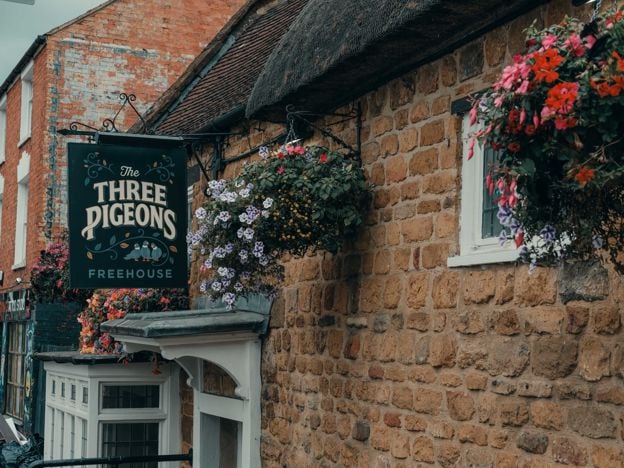
The Three Pigeons, Banbury
Pubs · Banbury
A Grade II listed 17th-century inn, partly thatched, on Southam Road, Banbury, with real ales and ciders, a courtyard, Smash Cow street food from Thursday to Saturday and three en-suite rooms.
Dog-friendly · Car-free
Verified Nov 2026
-
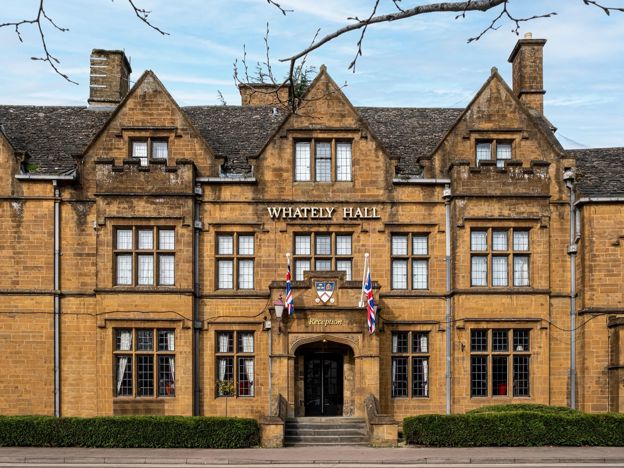
Whately Hall Hotel, Banbury
Hotel · Banbury
A Grade II listed 17th-century inn, now a 71-room hotel on Horse Fair in the middle of Banbury, with gardens, an oak-panelled restaurant and six EV chargers.
Dog-friendly · Family-friendly · Wedding venues
Verified Nov 2026
Read next
-
How the Oxford Canal came to Banbury, and stopped there for 12 years
Story · History · 7 minute read
The Oxford Canal was planned in a Banbury inn in 1768, and the first coal boats reached the town on 30 March 1778. Then the money ran out, and Banbury was the end of the line for almost 12 years. How it happened, who paid, and what is left to see.
-
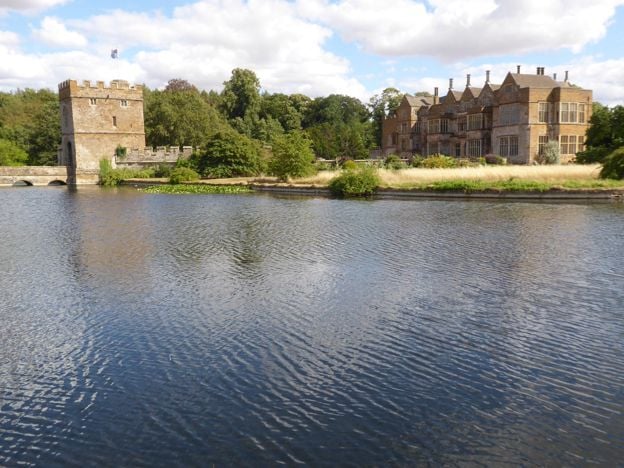
The Fiennes family of Broughton Castle: one moated house since 1448
Story · History · 8 minute read
The Fiennes family has held Broughton Castle, near Banbury, since a marriage in 1448. In that time one lord was killed by Cade's rebels, one at Barnet, one plotted against Charles I in the house, and later ones sold the contents and sold the swans. The family still lives there.
-
Strange Banburyshire: ghosts, witches, lost horses and sham ruins
Story · Strange Things · 6 minute read
The odd corners of the country round Banbury: a ghost battle in the sky over Edgehill, a witch who turned a king to stone at Rollright, a lost red horse, a three-day saint, a priest said to have died of fright, and ruins built to look ruined. Each one told with what is on record.