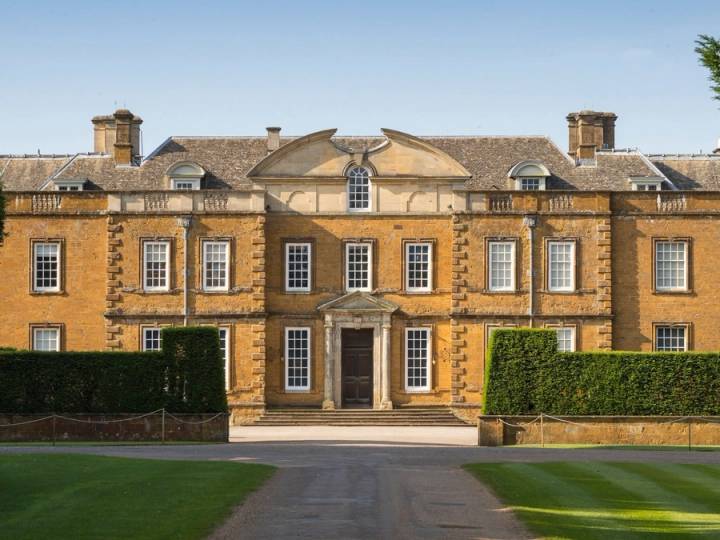

Upton House and Gardens is a place of fascinating duality, presenting a sober, classical exterior that belies the dramatic 1930s transformation within. Located on the Warwickshire–Oxfordshire border near Banbury, this National Trust property is not merely a country house, it is a monument to an extraordinary moment in British social and art history. While its origins are Carolean, its defining era belongs to Walter Samuel, the 2nd Viscount Bearsted, and his wife, Dorothy, who reshaped the estate into a "made-to-measure" home for their world-class art collection and their vibrant social life during the interwar years.
The Carolean foundation and the architecture of symmetry
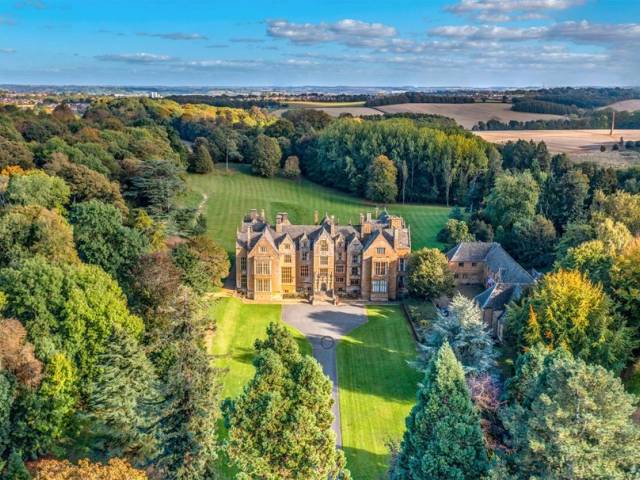
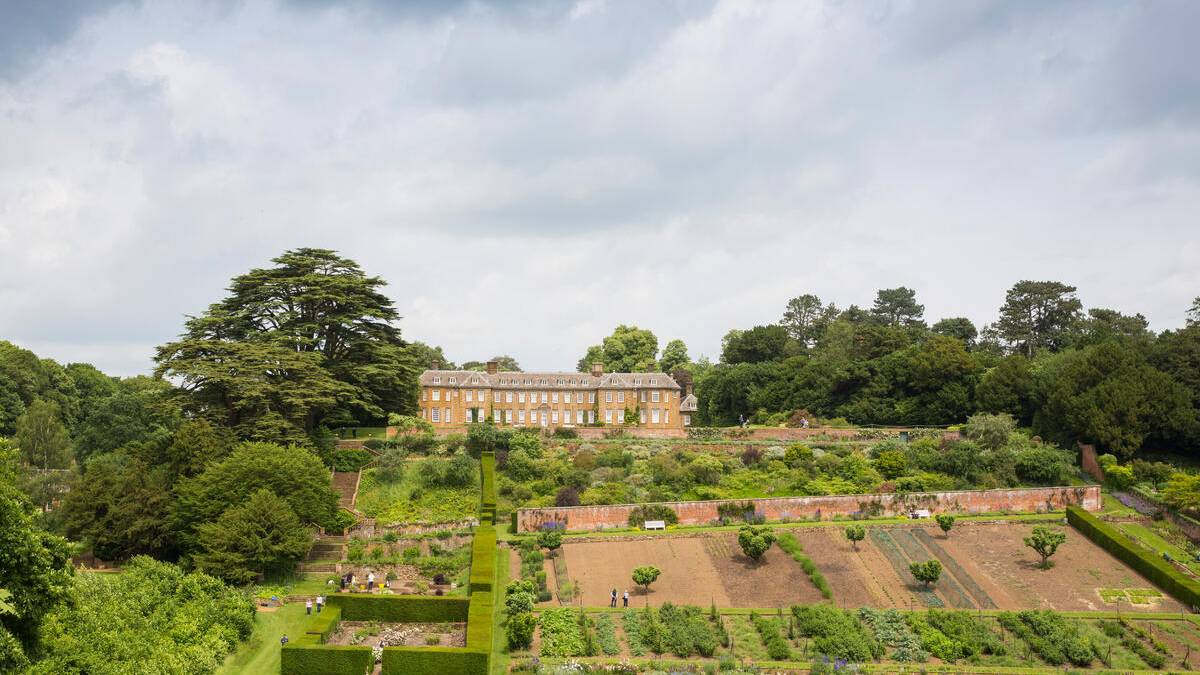
The architectural history of Upton House begins in the late 17th century, likely built around 1695 for Sir Rushout Cullen. Constructed from the warm, local Hornton ironstone, the house presents a long, symmetrical facade that is quintessential Carolean (Late Stuart) in style. The west front, with its segmentally pedimented doorcase and rhythmic window placement, establishes a sense of classical order. The house was designed to sit harmoniously within its landscape, reflecting the new architectural philosophies of the era that moved away from defensive fortified structures toward elegant, expansive country seats.
This facade, however, is a mask of preservation. When Lord Bearsted purchased Upton in 1927, he engaged the architect Percy Morley Horder to almost entirely replace the interior framework. Horder’s mandate was to create a modern, luxurious interior while rigorously maintaining the historic external symmetry. This tension defines the building, where 1930s Art Deco bathrooms coexist just steps away from rooms designed to look centuries older.
The Bearsted transformation the 1930s made-to-measure home
The 1930s conversion of Upton House is the key to its modern identity. Lord Bearsted was the son of the founder of the Shell Transport and Trading Company, and he used his considerable fortune to indulge his passion as a connoisseur. The Bearsteds didn't just want a country house, they needed a curated exhibition space. The 1930s redesign created a "made-to-measure" environment where specific spaces were engineered to house the collection. This is most visible in the stunning Art Deco bathroom, a symphony of contrasting black and red Vitrolite tiling that stands as a bold statement of interwar luxury.
This modernization was functional as well as aesthetic. The house was fitted with innovative hidden central heating, integrated into the walls to prevent radiators from disrupting the lines of the antique furniture and paintings. This meticulous planning created a home that felt both historically grounded and completely technologically advanced for its time.
A collection of international significance
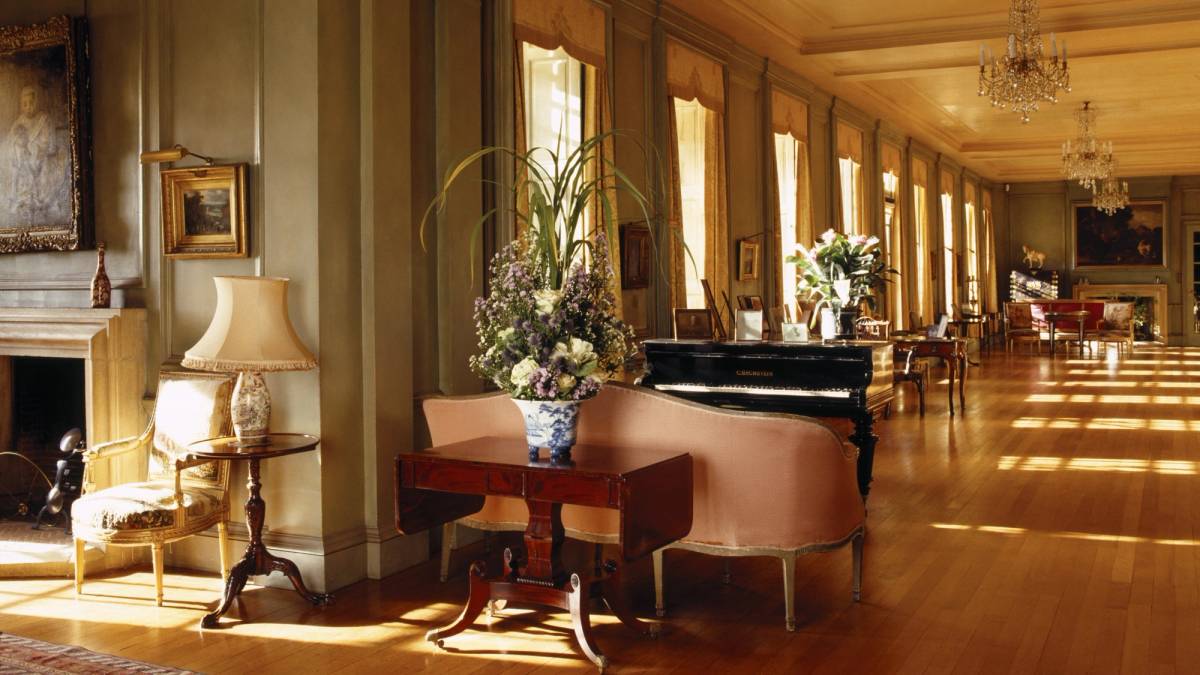
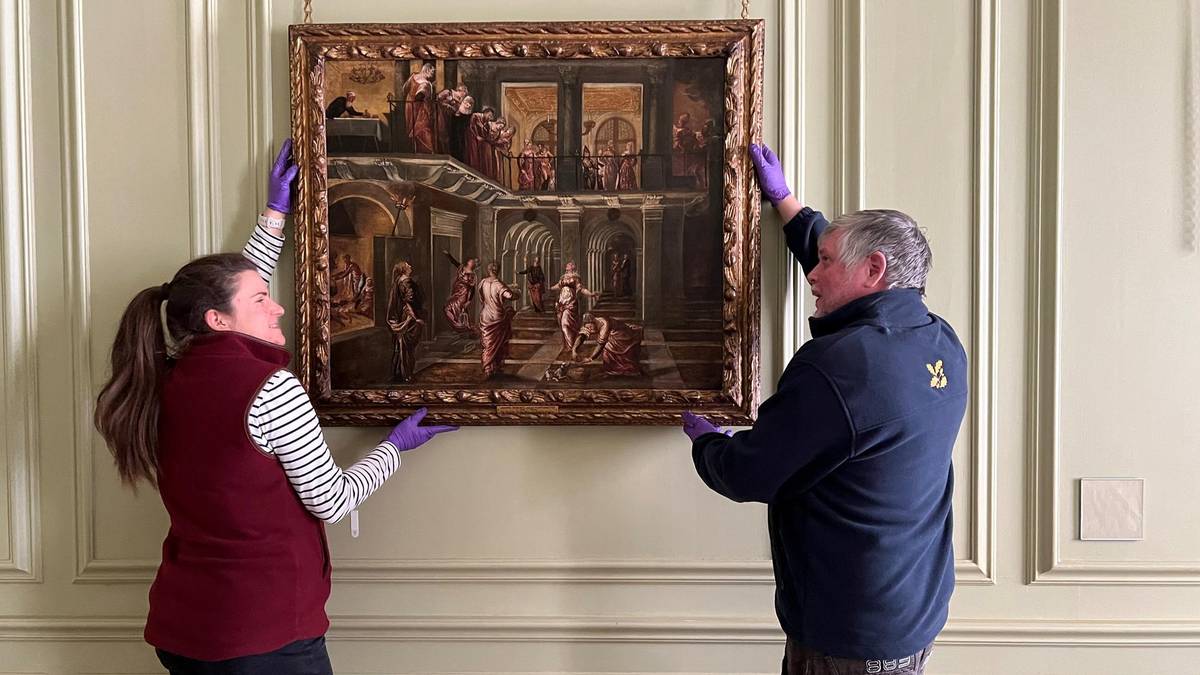
The art collection at Upton House is one of the most significant in the National Trust’s care, assembled with a focusing eye on the 15th through 18th centuries. The Long Gallery, designed specifically for display, houses an astonishing array of masterpieces. Visitors can move seamlessly from the serene religious iconography of Sano di Pietro’s Sesto to the raw narrative power of Hieronymus Bosch’s Adoration of the Magi. The collection includes works by El Greco, Rembrandt, and Canaletto, alongside iconic English portraits by George Stubbs and Sir Joshua Reynolds.
This gallery is not just a repository; it is a space designed for contemplation. The strategic placement of windows and internal lighting was all managed to maximize the viewing experience of the collection, reinforcing the house’s primary function as an exhibition space.
The Long Gallery a purpose-built space
The centerpiece of this display is the Long Gallery itself. It was the architectural solution to housing the majority of Lord Bearsted’s paintings. Extending the full depth of the house, the room’s proportions and soft lighting were all engineered to display the intricate details of the Dutch Golden Age masters and the broader collection. It represents a 1930s interpretation of the traditional Elizabethan long gallery, repurposed with modern curatorial standards.
The Gardens of contrast formal symmetry to the bog garden
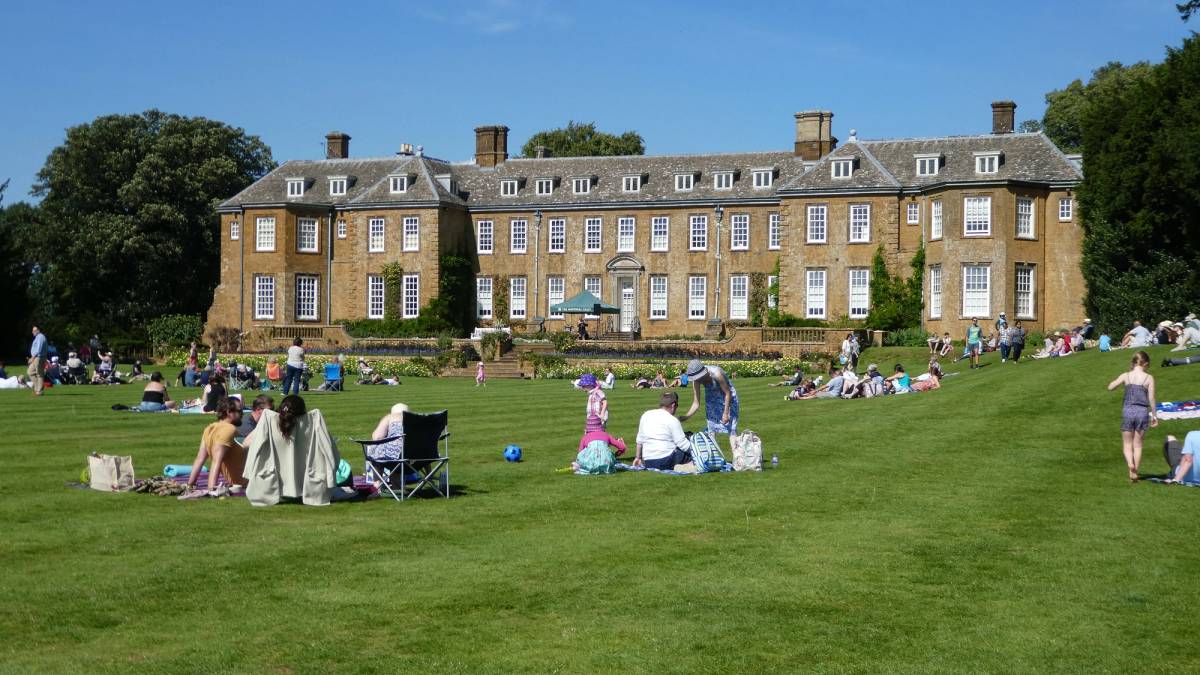
The gardens at Upton are a dramatic landscape of contrasts, falling away from the house in a series of terraces and steep slopes. As with the house, they reflect the 2nd Lord Bearsted's vision, executed by Kitty Lloyd Jones, one of the leading female garden designers of the 1930s.
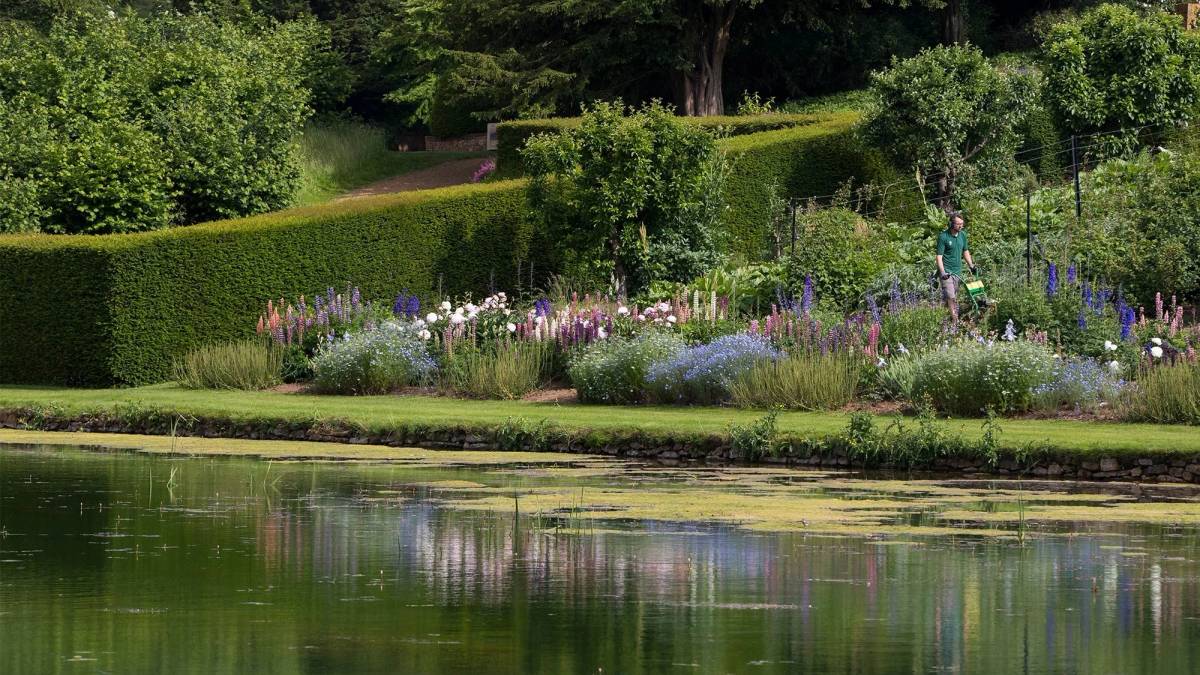
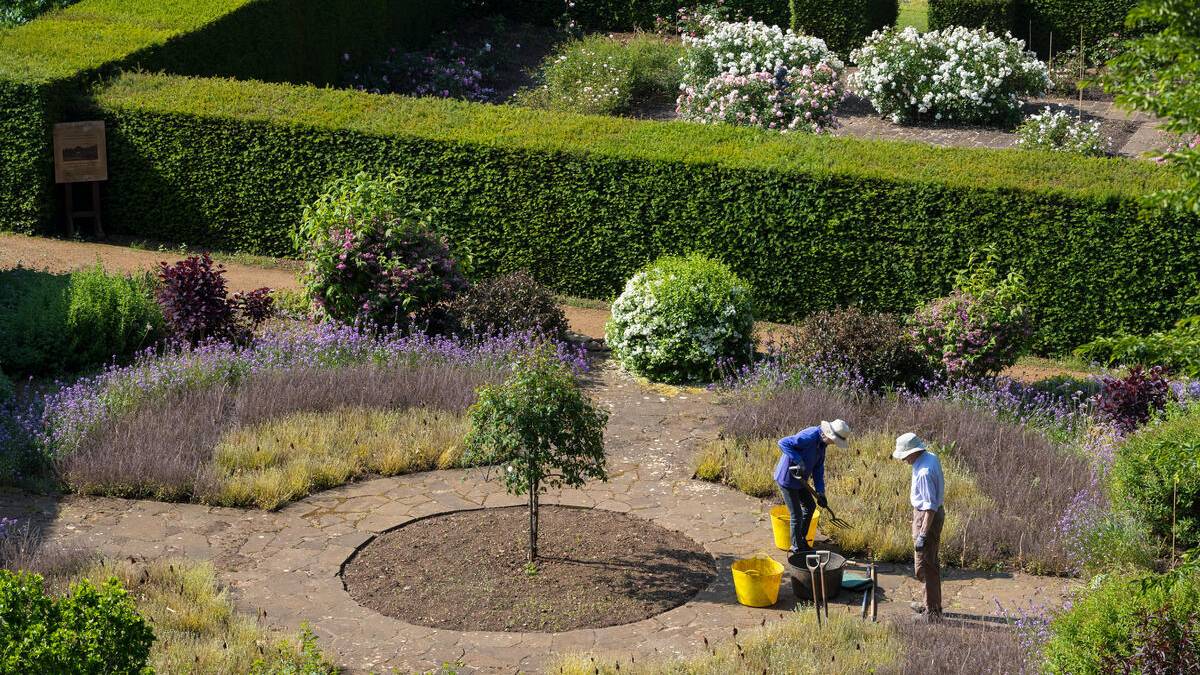
Immediately behind the south front, the Upper Terrace offers a formal continuation of the house's architecture, featuring long, symmetrical borders of herbaceous perennials that explode with color in the summer. These are structured by architectural clipped hedges that mirror the linear order of the facade.
The dramatic kitchen garden descent
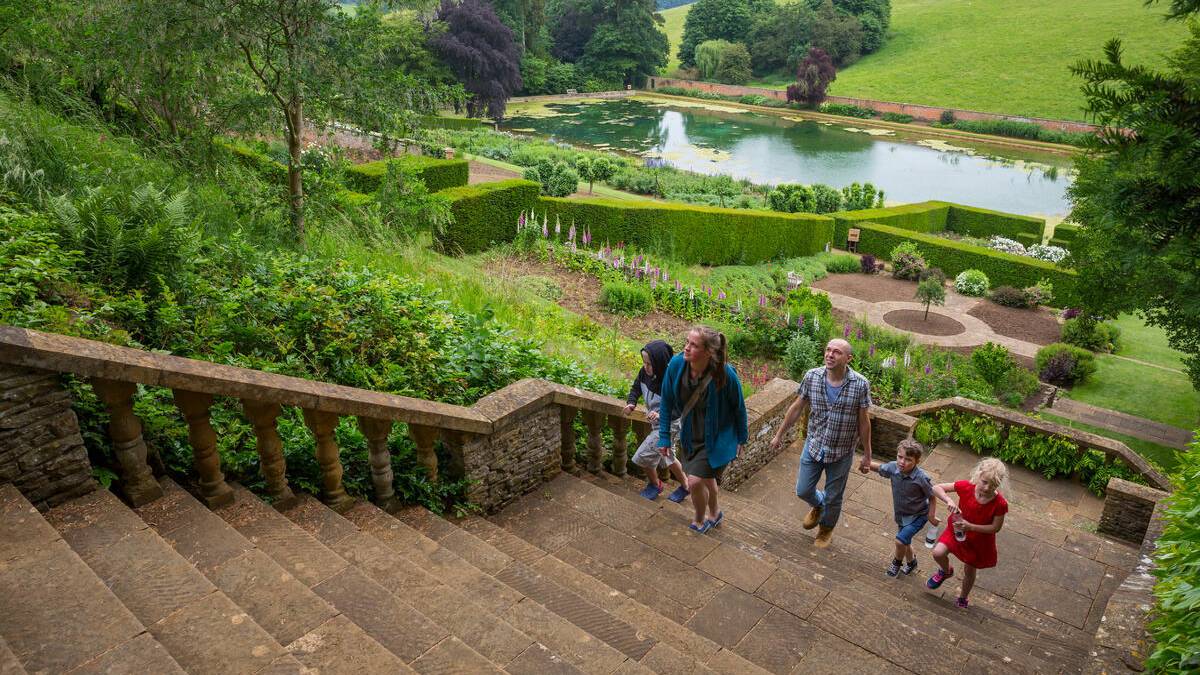
The true drama of the garden, however, lies in its steep descent. Beyond the formal terrace, the ground drops sharply toward the kitchen garden and the lake below. This transition is managed by a stunning series of grassy banks and complex retaining walls. The Kitchen Garden itself, once a purely functional space, has been integrated into the aesthetic design. Lined with trained fruit trees and geometric vegetable plots, it is a celebrated example of a working, ornamental walled garden.
This garden space is designed to be functional year-round, utilizing cold frames and traditional forcing methods that reflect the self-sufficiency of the interwar country estate.
The tranquil water gardens
At the lowest point of the descent lies the Wild Garden and the Bog Garden, which utilizes a natural spring. This area offers a complete contrast to the formal upper terraces. Here, the landscape is softer, focused on water-loving plants like gunnera, hostas, and irises. The Wild Garden features specimen trees and naturalized plantings, providing a space of quiet, romantic contemplation that feels entirely separate from the house above.
Banking for Britain Upton House during World War II
The onset of World War II added another layer to Upton’s multifaceted history. With the evacuation of London beginning, Lord Bearsted, a director of M. Samuel & Co. (the merchant bank founded by his family), relocated the entire operations of the bank to Upton House. The grand state rooms and galleries were repurposed as functional offices.
During this period, the priceless art collection was carefully crated and moved to the safety of a Welsh slate mine, while the house became a hive of administrative activity. Upton, a place built on the accumulation of fortune, became the wartime engine for preserving it. This unique chapter is preserved in the interpretation today, where wartime artifacts are seamlessly integrated into the historical narrative of the house.
The porcelain collection a masterclass in Chelsea and Meissen
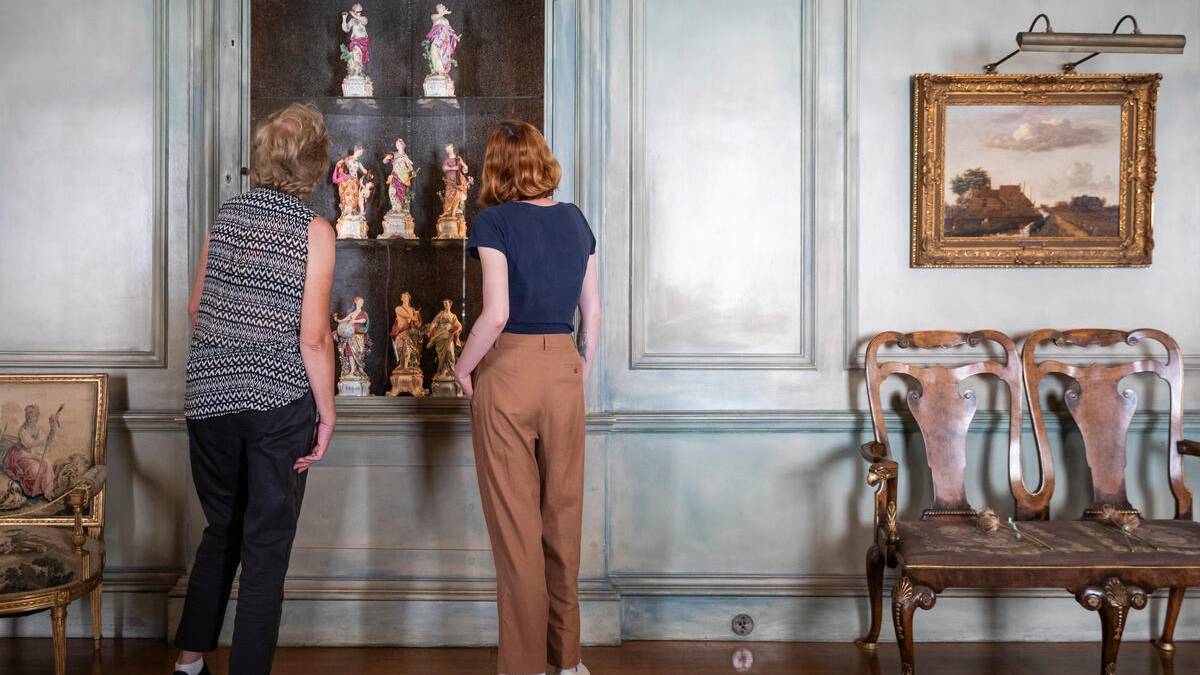
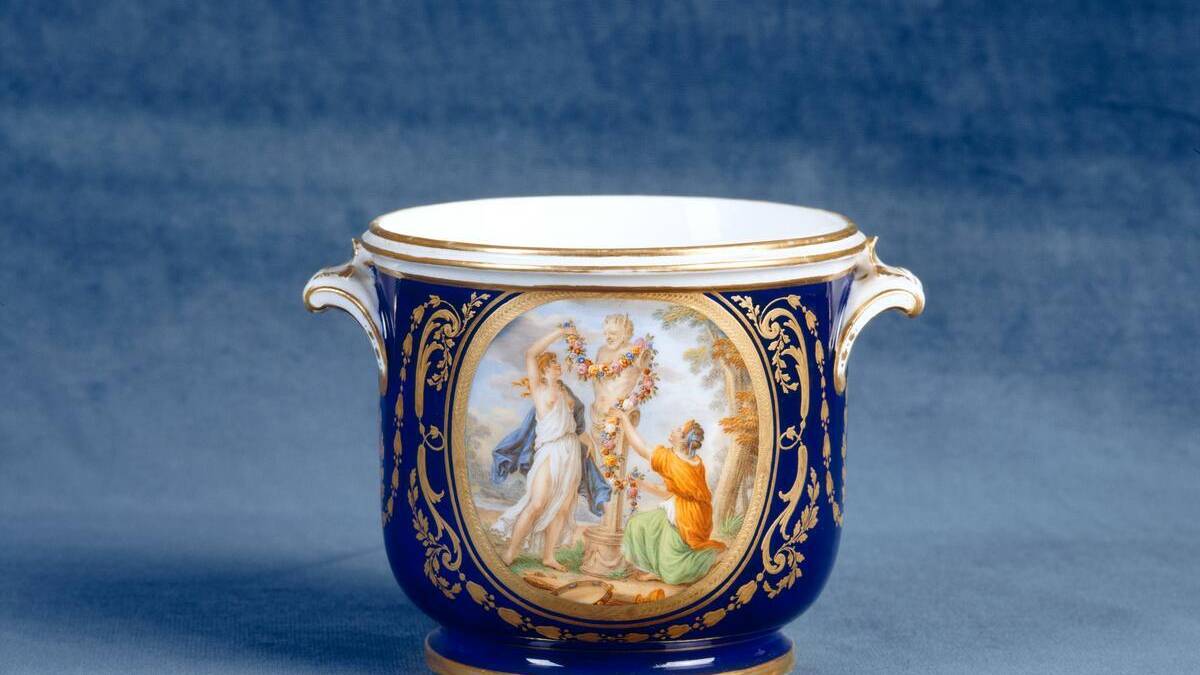
In addition to the paintings, Upton House is also home to a stellar collection of European porcelain, particularly strong in 18th-century Chelsea and Meissen figures. Lord Bearsted’s passion for detail is visible in these pieces, which are displayed in purpose-built cabinets that highlight their intricate modeling and rich, enamel coloring. This collection offers a delicate counterbalance to the dramatic scale of the oil paintings in the Long Gallery.
Legacy and the National Trust stewardship
Today, Upton House and Gardens stand as one of the National Trust's most layered properties. It is a site of architectural, artistic, and social historical significance. Whether you are drawn by the precision of the 17th-century facade, the surprising luxury of the 1930s interiors, the significance of the Bosch triptych, or the steep descent of the kitchen garden, Upton offers an expansive and immersive encounter with the changing definitions of the English country house.
The stewardship of the National Trust ensures that the careful preservation of both the Carolean exterior and the interwar Bearsted legacy continues, allowing visitors to walk through a house that is, as the Bearsteds intended, a perfect container for their unique life and collection.