Eat and drink
The Roebuck Inn, Drayton
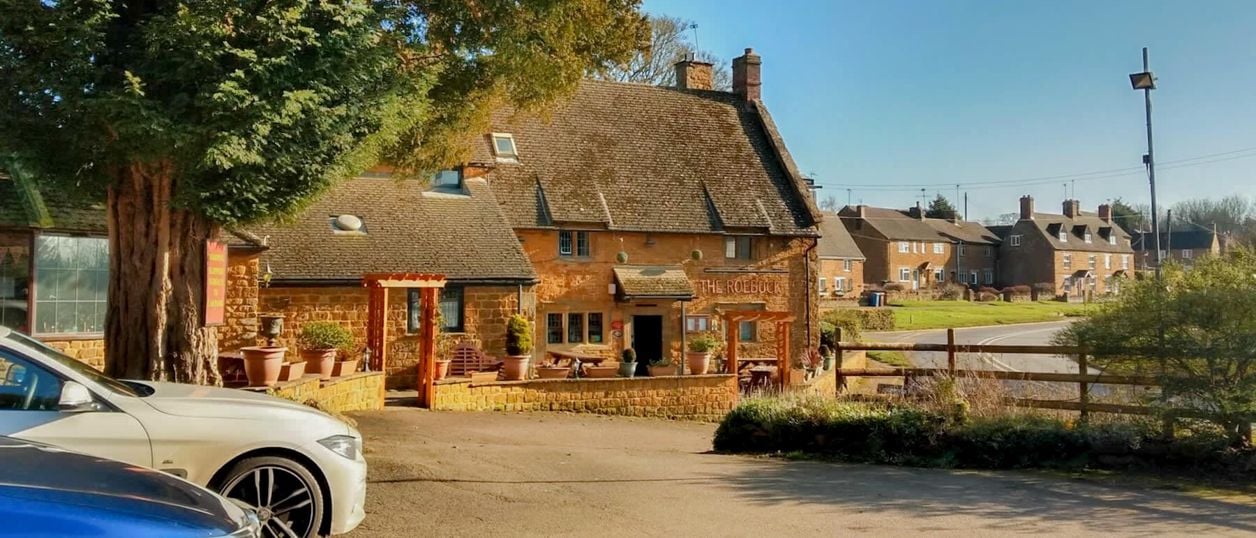
A Hook Norton pub in a late 17th-century listed building on the A422 at Drayton, just outside Banbury, with a south-facing courtyard, a modern British menu, a car park and dogs welcome.
Dog-friendly
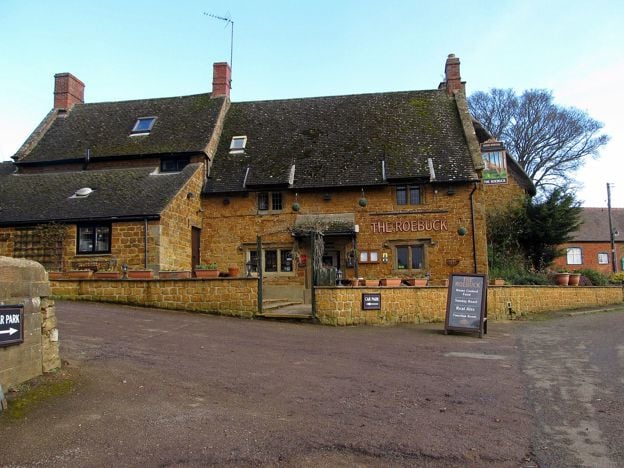
Easy to reach from Banbury and on the road to Wroxton and Upton, with its own car park and a courtyard that takes the sun. It is a good stop for a Sunday lunch or a dog-friendly meal. It is closed on Mondays and Tuesdays and opens only at 4pm on Wednesdays and Thursdays, so plan around that. When we checked, Hook Norton was advertising the tenancy, so ring before you go.
- Good: A Grade II listed inn of the late 17th century
- Good: South-facing courtyard at the front
- Good: Dogs welcome: say when you book and a table will be set aside
- Good: Own car park, on the A422 from Banbury
- Worth knowing: Closed Monday and Tuesday; opens at 4pm Wednesday and Thursday; Sunday closes at 6pm
- Worth knowing: Hook Norton was advertising the tenancy in November 2026: ring first
About
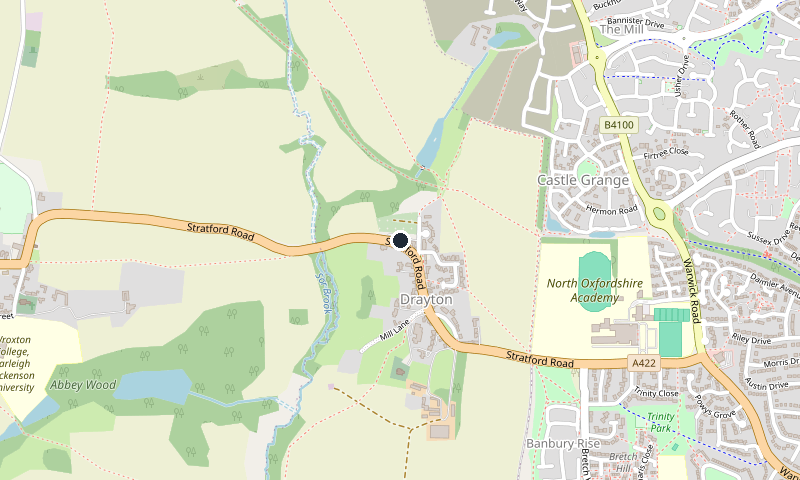
The Roebuck stands on the A422 Stratford Road at Drayton, a little outside Banbury and half a mile on from Wroxton if you are coming the other way. Historic England lists the building at Grade II and dates it to the late 17th century; the pub gives 1602 and says it was once called The Buck. An innkeeper of the Roebuck was licensed in 1782. It is a Hook Norton Brewery pub, and when we checked in November 2026 the brewery was advertising its tenancy, so ring before you make a trip.
The pub calls its menu modern British and all fresh, and posts the main menu and a Christmas 2026 menu as pictures on its site. Undated social posts on its site mention steak frites on Thursdays from 5pm and Sunday lunch from noon. The bar has Hook Norton ales.
The south-facing courtyard at the front has tables for eating outside, and there is a function room for hire. Dogs are welcome: tell the pub when you book and a table will be held for you. Coming from Banbury, leave on the Warwick Road and turn left at the lights by the Barley Mow onto the A422; the pub and its car park are on the right after a bend.
It works as a meal before or after Upton House, further along the same road.
Opening hours and season
| Monday | Closed |
|---|---|
| Tuesday | Closed |
| Wednesday | 16:00 to 22:00 |
| Thursday | 16:00 to 22:00 |
| Friday | 12:00 to 23:00 |
| Saturday | 12:00 to 23:00 |
| Sunday | 12:00 to 18:00 |
Closed Monday and Tuesday. The pub publishes no separate kitchen hours.
The details
- Food
- Modern British
- Serving
- Lunch · Dinner · Sunday lunch
- Features
- Garden or terrace · Real ale · Restaurant · Bar · Parking · Dogs inside · Events and meetings
- History
- Late 17th century, by the Historic England list; the pub says 1602
- Parking
- Car park at the pub; the entrance is on the A422.
Photos
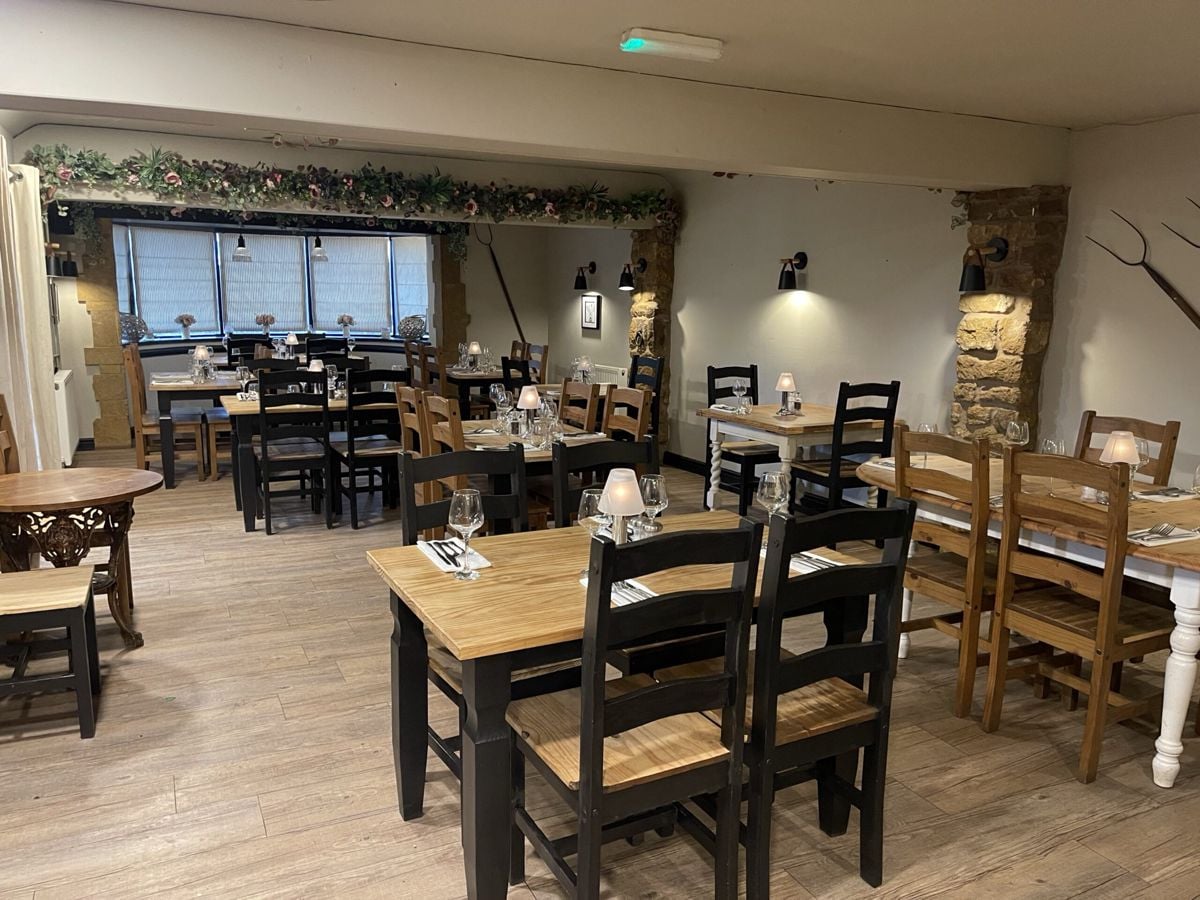
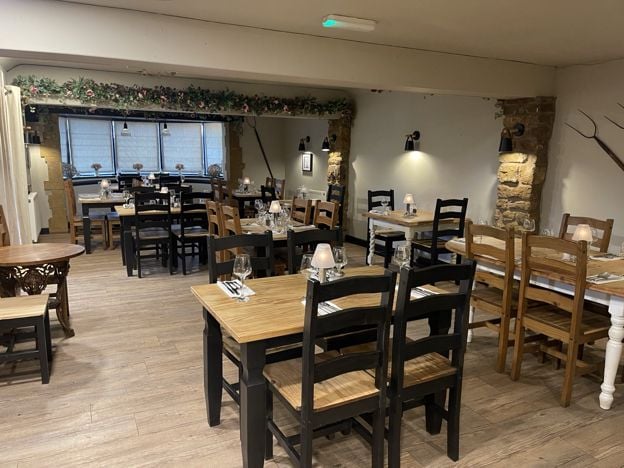
The dining room 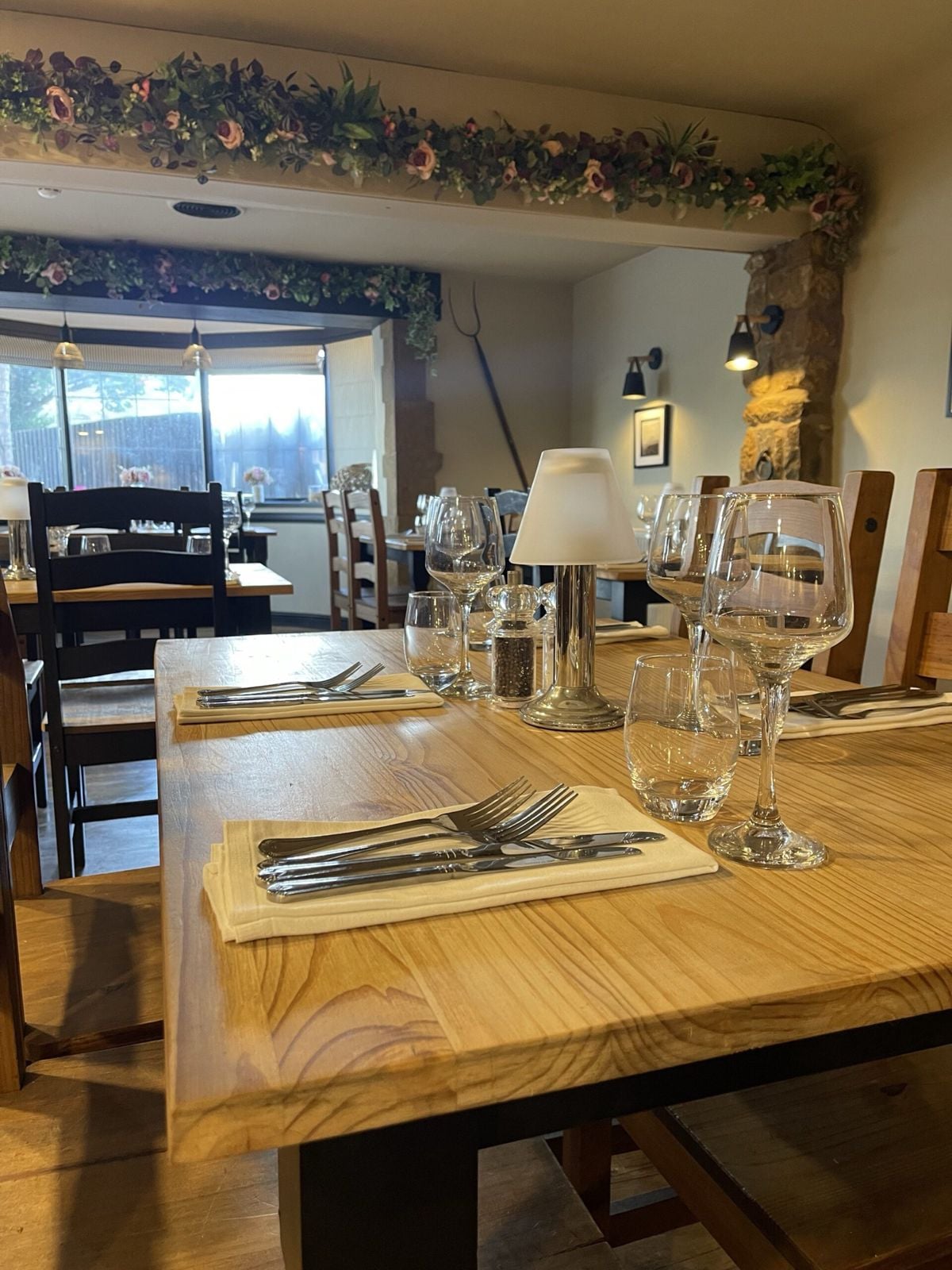
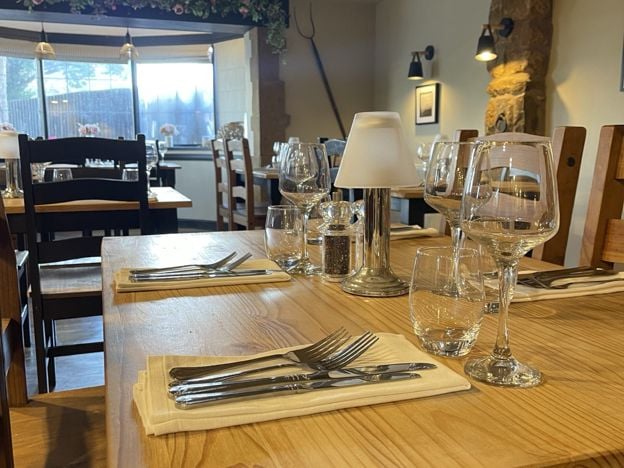
A table by the window 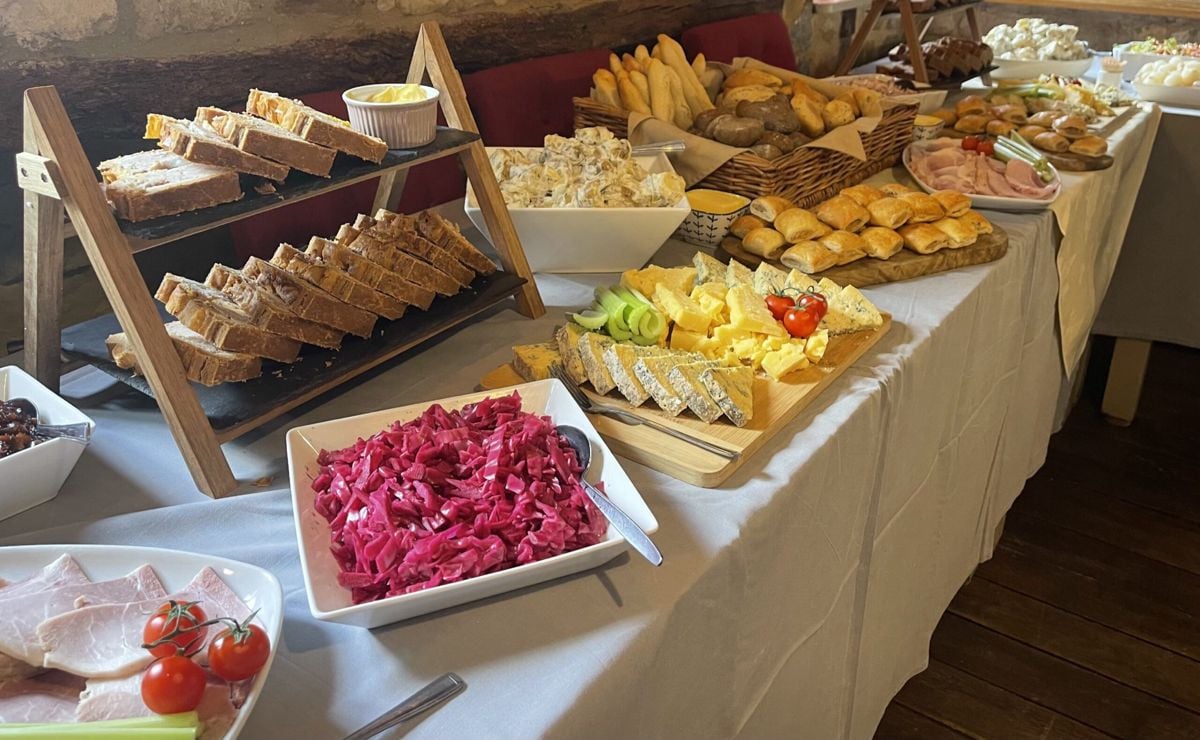
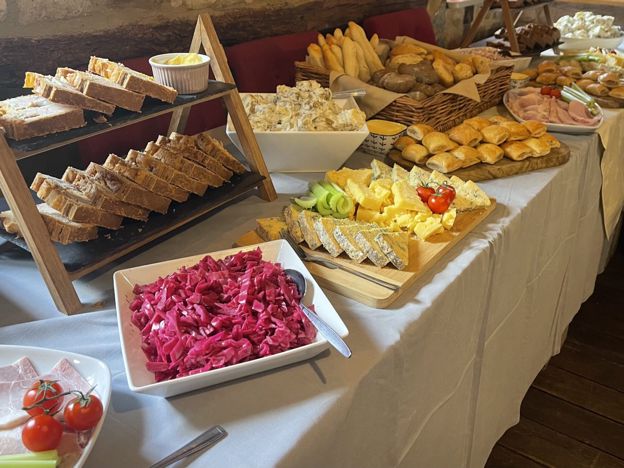
A party buffet 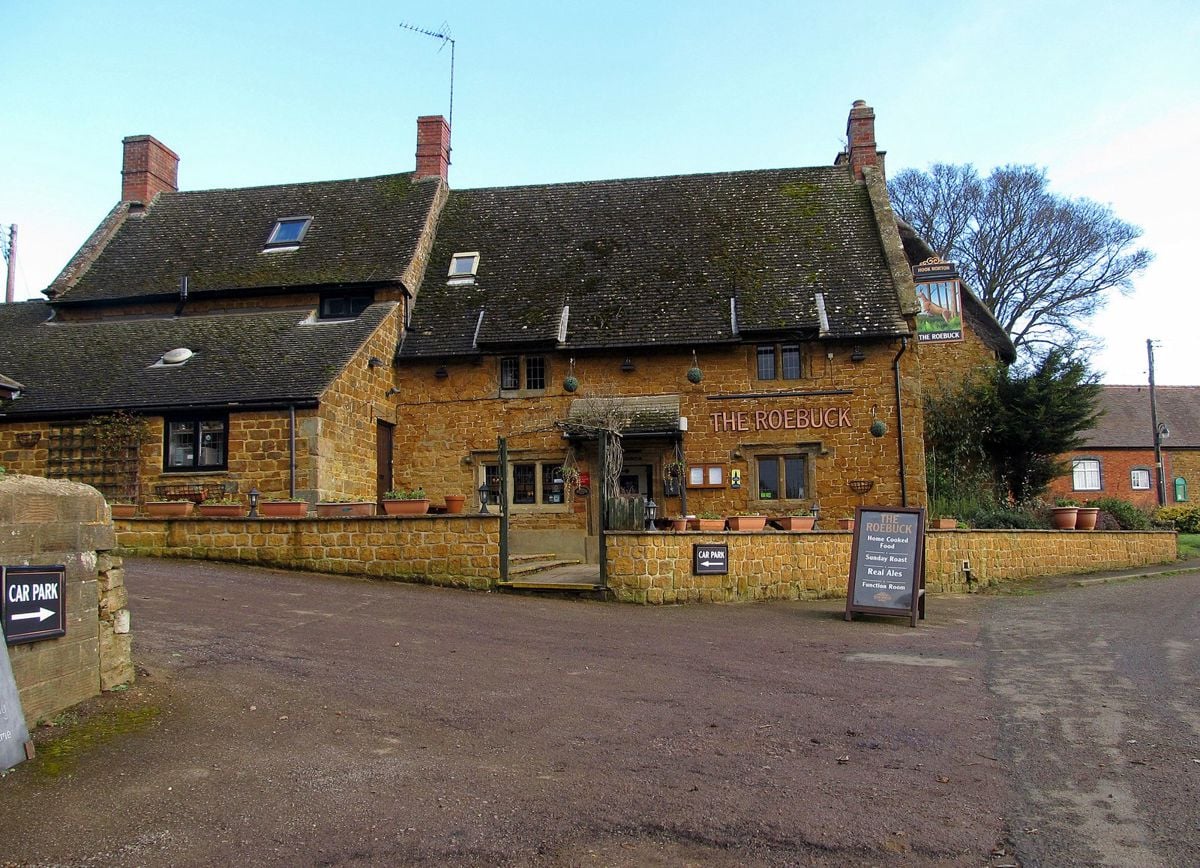
The Roebuck in 2015 Photo: Ian Rob, CC BY-SA 2.0, via Wikimedia Commons
Location
Places to stay nearby
-
The Wroxton Hotel
Hotel · Wroxton
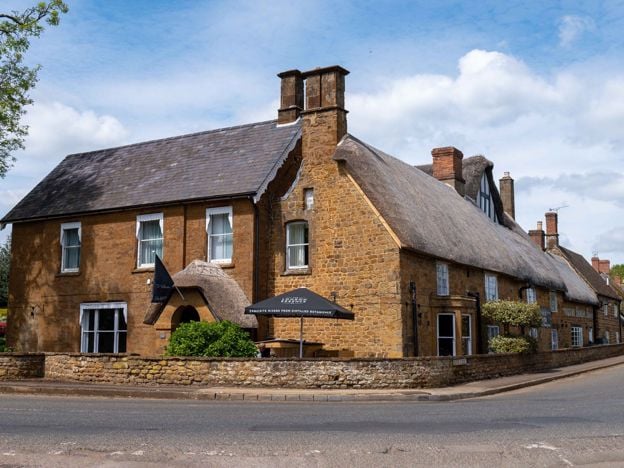
A 32-room hotel made from three adjoining stone cottages, partly dating from 1649, on the edge of thatched Wroxton, a few minutes' drive from junction 11 of the M40, with free parking and its own tea room.
Dog-friendly · Wedding venues
Verified Nov 2026
-
Banbury Cross Bed and Breakfast
B&B · Banbury
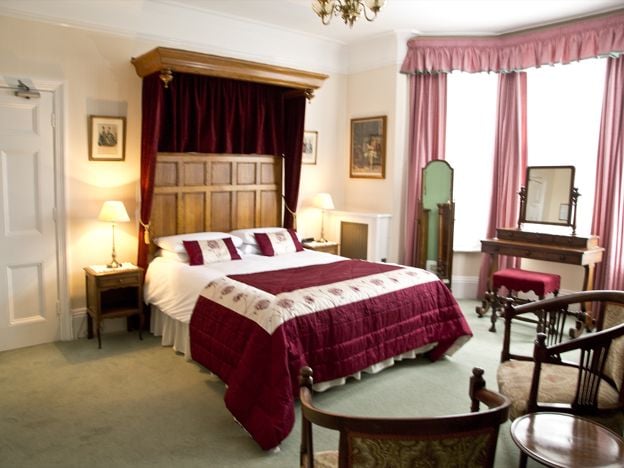
A family-run Victorian B&B on Broughton Road, Banbury, with seven bedrooms, about 370m from Banbury Cross, with free off-road parking, cooked breakfasts and rates from £77. No under-18s.
Car-free
Verified Nov 2026
-
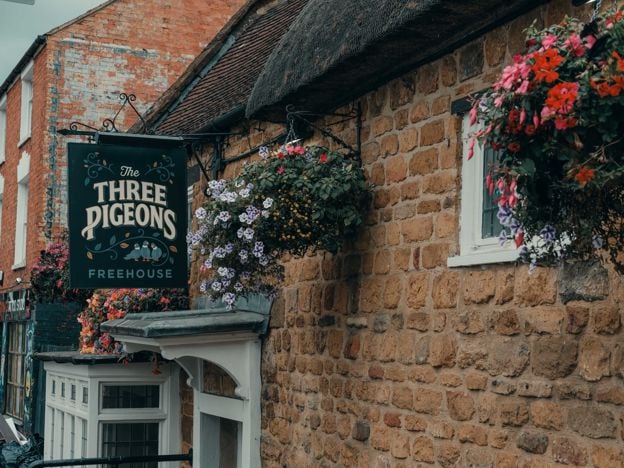
The Three Pigeons, Banbury
Pubs · Banbury
A Grade II listed 17th-century inn, partly thatched, on Southam Road, Banbury, with real ales and ciders, a courtyard, Smash Cow street food from Thursday to Saturday and three en-suite rooms.
Dog-friendly · Car-free
Verified Nov 2026
Nearby walks, places and things to do
- The Wroxton Hotel 1.1 km away
- The Moon and Sixpence, Hanwell 2.0 km away
- Banbury Cross Bed and Breakfast 2.7 km away
- The Three Pigeons, Banbury 2.8 km away
Sights nearby
-
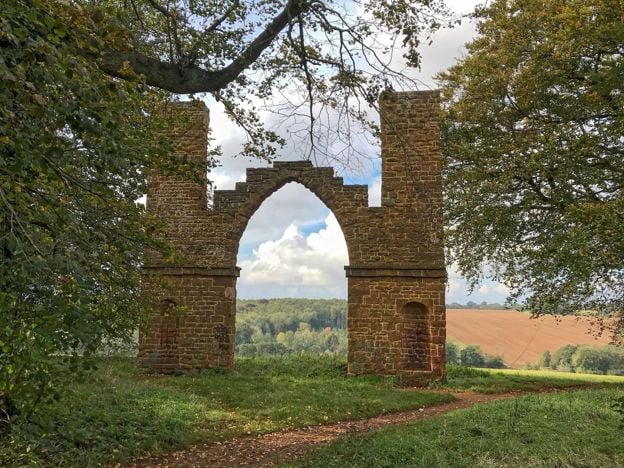
Drayton Arch
Sight · Historic building
A ruined Gothic arch between two thin turrets, built about 1750 as a sham ruin to Sanderson Miller's design for the Wroxton Abbey estate. Grade II*, in fields near Drayton, and reached by a public footpath from Wroxton.
-
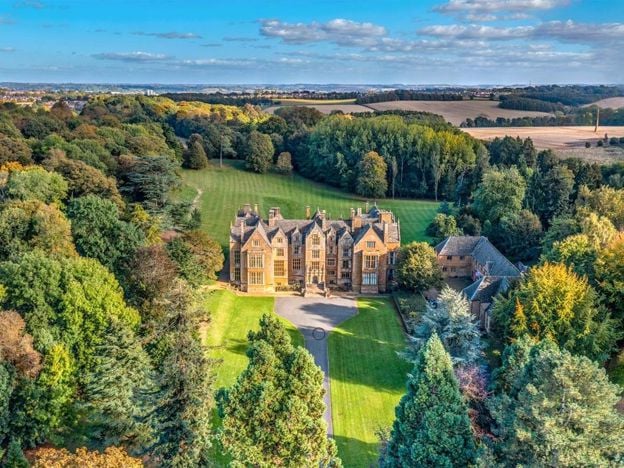
Wroxton Abbey
Sight · Historic building · Wroxton
A Jacobean house of about 1618 west of Banbury, on the site of a medieval priory and long the home of the Norths. Grade I. It is a college and closed to visitors. It passed to an alumni-led group in 2025 to 2026, and a public footpath crosses the grounds.
-
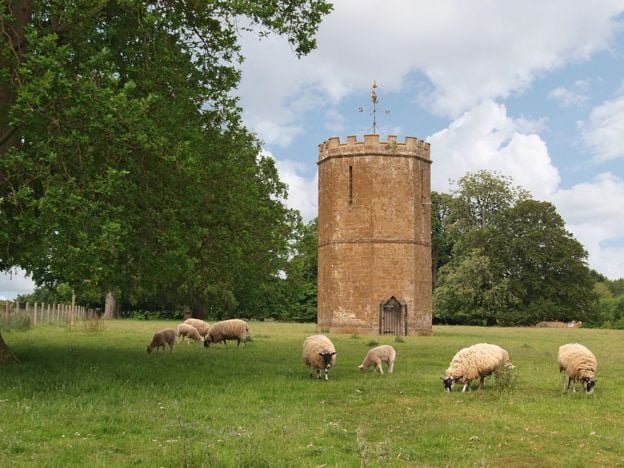
Wroxton Dovecote
Sight · Historic building · Wroxton
A Gothic dovecote of 1745 by Sanderson Miller in the park of Wroxton Abbey, west of Banbury, built both to house pigeons and to look like a small castle from the house. Ironstone, polygonal and Grade II*. In the Abbey's park, so seen from a distance.
-
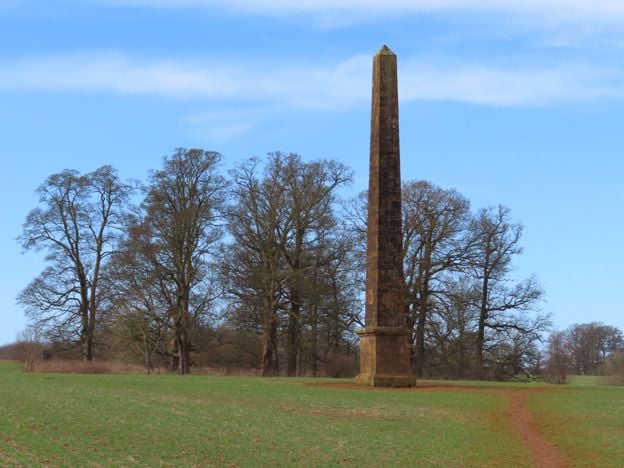
Wroxton Obelisk
Sight · Monument · Wroxton
A tall ironstone obelisk in the fields south-east of Wroxton Abbey, west of Banbury, marking a visit by Frederick, Prince of Wales, in 1739. Part of the eighteenth-century landscape, and Grade II*. On farmland, beside a public footpath.