Philip Halling, CC BY-SA 2.0, via Wikimedia Commons
Wroxton Obelisk
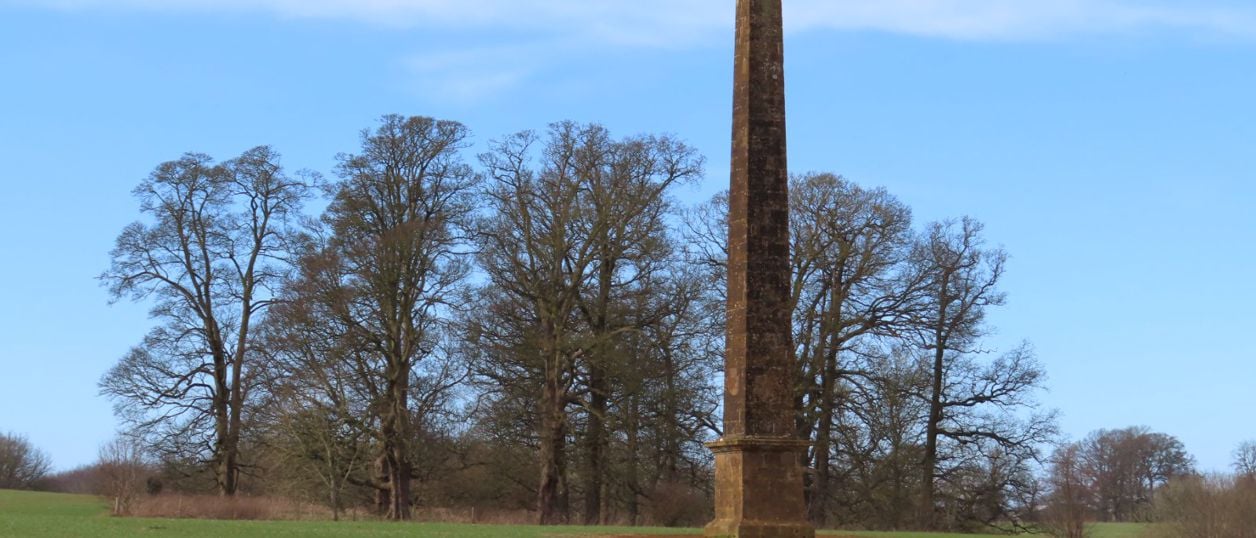
A tall ironstone obelisk in the fields south-east of Wroxton Abbey, west of Banbury, marking a visit by Frederick, Prince of Wales, in 1739. Part of the eighteenth-century landscape, and Grade II*. On farmland, beside a public footpath.
Monument
WroxtonThe Wroxton Obelisk is a tall, slender column of ironstone on a square base, standing in open farmland about 400m south-east of Wroxton Abbey, near Wroxton and west of Banbury. It marks a royal visit of 1739 and belongs to the Abbey's eighteenth-century landscape. Historic England lists it Grade II*.
The story of the obelisk
Frederick, Prince of Wales, came to the area in 1739 for the Banbury races, and an inscription on the obelisk records the visit, according to Historic England. The estate belonged to the Norths, and Francis North, later Earl of Guilford, was then making his pleasure grounds at the Abbey.
When it went up is less certain. The village history says it was erected on the visit, in 1739. Historic England dates it to about 1750, and says it was probably designed by Sanderson Miller as part of the landscaping, the 'probably' being the listing's own word. Both can be partly true if the monument followed the event, but no source we read settles it.
It was built to be passed. In the eighteenth and nineteenth centuries the main approach to the Abbey from Banbury crossed the south park from the east, going by Drayton Arch and then the obelisk, so a visitor met a sham ruin and a royal compliment before the house. Today the obelisk stands alone in farmland.
What to look for
The inscription is the detail to find, though you may not be able to read it from the path. The other thing to see is the setting: the summary of the park's register entry says it has panoramic views of the park and parts of the pleasure grounds. The main photograph shows how alone it stands, in the middle of a ploughed field.
Visiting
This is a monument in a working field and not a site with any access of its own. Oxfordshire County Council's rights of way map (February 2026) shows a public footpath past it, linking the Abbey's park with the Sor Brook below. The council calls its map indicative, so check the line on an OS map, stay on the path and leave crops alone. Treat it as a stop on a walk and not a trip of its own. Dogs are not permitted in the Abbey grounds, according to the village website, so plan accordingly.
Getting there
Start in Wroxton, on the A422. There is no public car park in the village, so park with care. Stagecoach's 76 and 76A from Banbury stop on the A422 at The Firs and Horley Turn: when we checked, five buses ran out from Banbury and four back from Monday to Saturday, and none on Sundays (November 2026). From the village the footpath crosses the Abbey's park to the obelisk, and our page on the Abbey sets out what is and is not confirmed about the grounds.
Nearby
Drayton Arch and the Wroxton Dovecote belong to the same landscape. The Roebuck Inn at Drayton and The Wroxton Hotel are the places to eat.
Walks past Wroxton Obelisk
-
Broughton Road to Wroxton Obelisk Circular
Walk · Starts in Broughton · 2 hrs · Circular
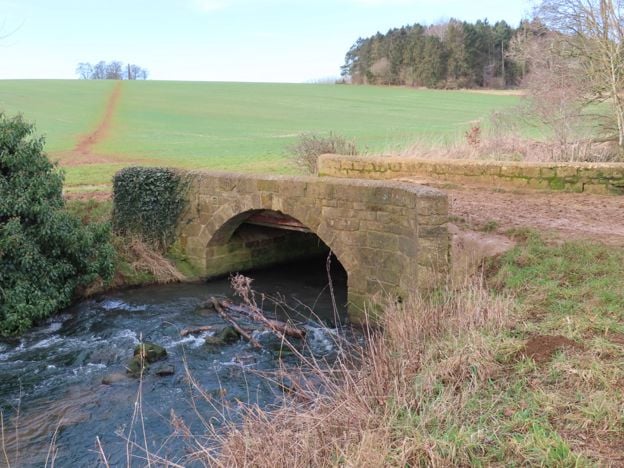
A 4.5-mile (7.3km) circular walk from the car park on Broughton Road, about two hours of moderate walking on field paths. It crosses the Sor Brook, climbs to the Wroxton Obelisk and returns by the other bank. It does not go through Broughton or past the castle.
-
North Newington and Wroxton Circular
Walk · Starts in North Newington · 2 hrs · Circular
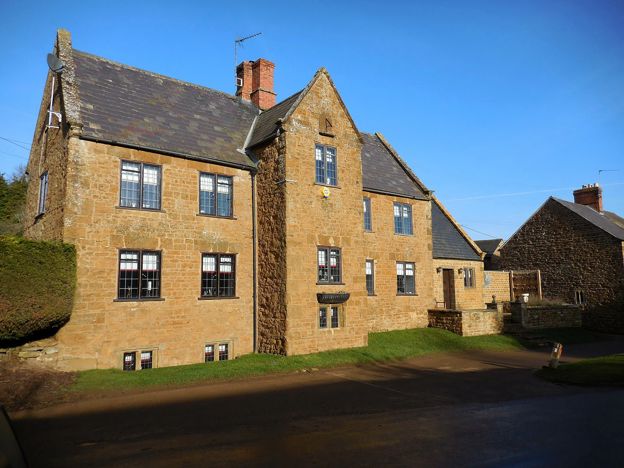
A 3.3-mile (5.3km) circular walk from Main Street, North Newington, taking about two hours of moderate walking. It follows field paths to the Sor Brook, climbs past the Wroxton Obelisk into Wroxton and returns over the fields.
Stay and eat near Wroxton Obelisk
-
The Roebuck Inn, Drayton
Pubs
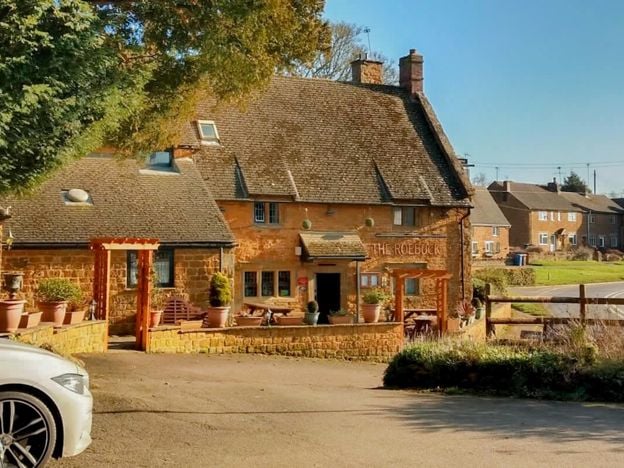
A Hook Norton pub in a late 17th-century listed building on the A422 at Drayton, just outside Banbury, with a south-facing courtyard, a modern British menu, a car park and dogs welcome.
Dog-friendly
Verified Nov 2026
-
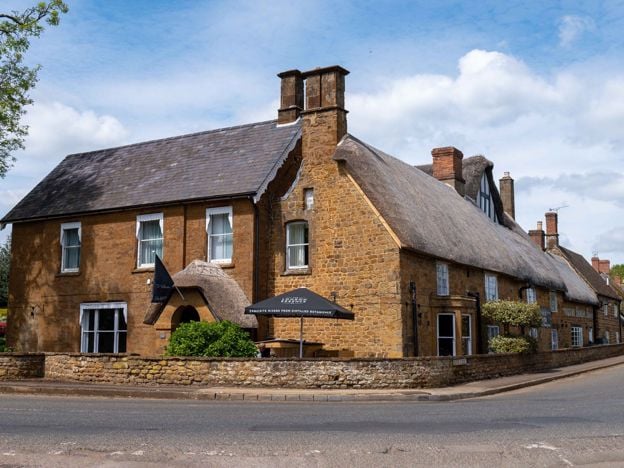
The Wroxton Hotel
Hotel · Wroxton
A 32-room hotel made from three adjoining stone cottages, partly dating from 1649, on the edge of thatched Wroxton, a few minutes' drive from junction 11 of the M40, with free parking and its own tea room.
Dog-friendly · Wedding venues
Verified Nov 2026
-
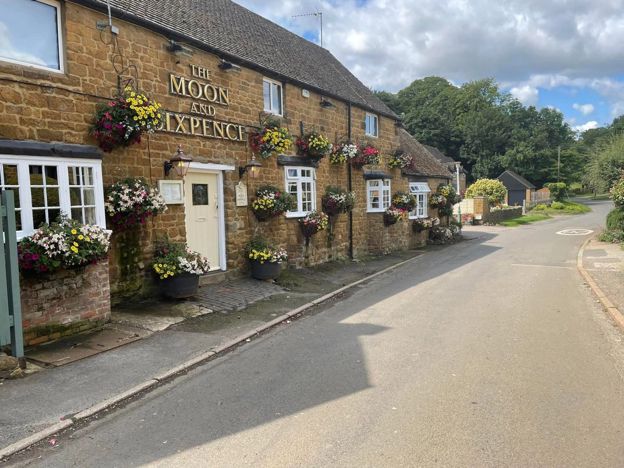
The Moon and Sixpence, Hanwell
Pubs · Hanwell
A refurbished dining pub on Main Street in Hanwell, about two miles north-west of Banbury, with an open kitchen run by chef Hylton Bradley, a set lunch and dinner menu, and a large car park.
Family-friendly · Walker-friendly
Verified Nov 2026
Stories about Wroxton Obelisk
-
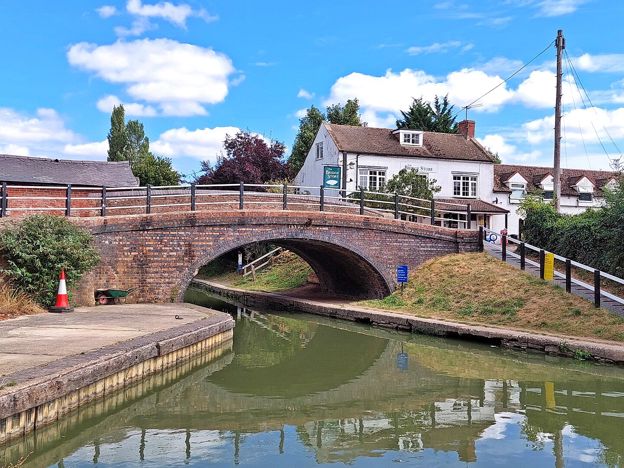
Walks near Banbury
Story · Guides · 8 minute read
Walks near Banbury: the towpath to Cropredy, the Ironstone Heritage Walk from the station, short circles round Wroxton and Adderbury, the Edgehill ridge, Badby's bluebell wood and the parish walks at Great Tew, Hook Norton and Kings Sutton, with distances, stiles and parking.
-
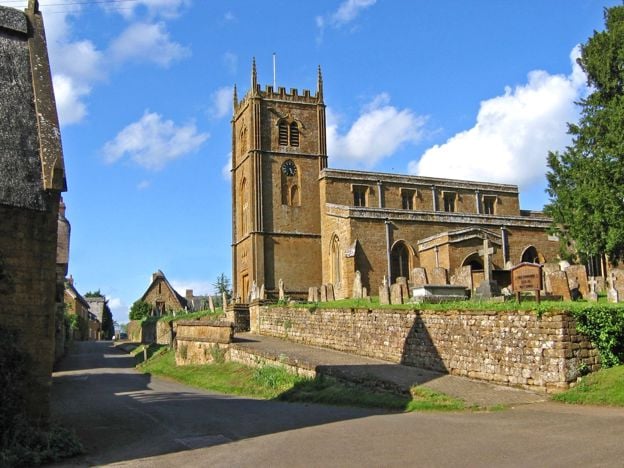
Wroxton Abbey and Lord North: the prime minister who lost America
Story · Strange Things · 5 minute read
Wroxton Abbey was never an abbey, its owners only ever leased it, and the prime minister who lost America lies blind and buried in the village church. Add a Gothic dovecote, a monument to three wives and a thatched Catholic church built by a man who changed his name.
More sights to see
-
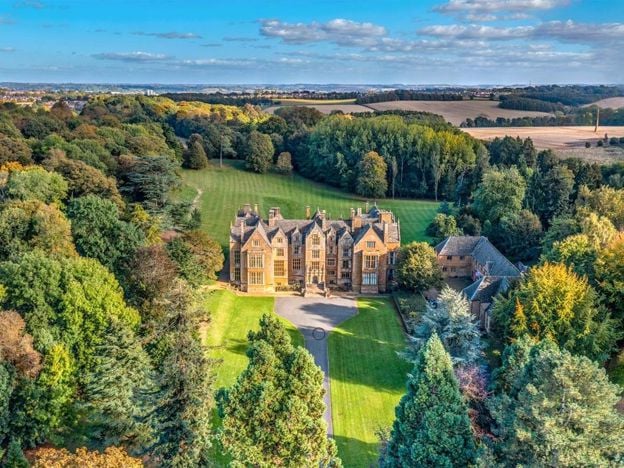
Wroxton Abbey
Sight · Historic building · Wroxton
A Jacobean house of about 1618 west of Banbury, on the site of a medieval priory and long the home of the Norths. Grade I. It is a college and closed to visitors. It passed to an alumni-led group in 2025 to 2026, and a public footpath crosses the grounds.
-
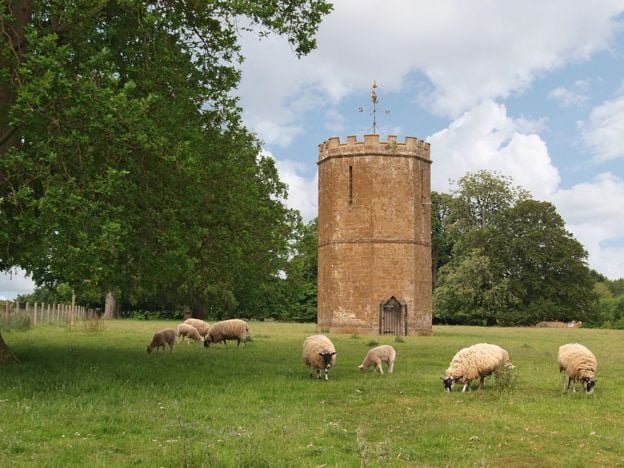
Wroxton Dovecote
Sight · Historic building · Wroxton
A Gothic dovecote of 1745 by Sanderson Miller in the park of Wroxton Abbey, west of Banbury, built both to house pigeons and to look like a small castle from the house. Ironstone, polygonal and Grade II*. In the Abbey's park, so seen from a distance.
-
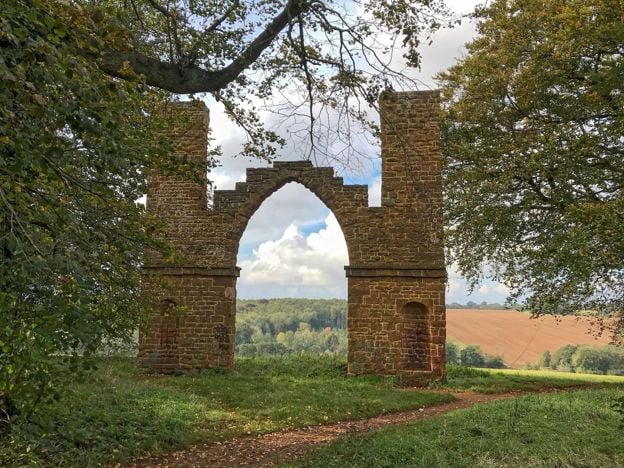
Drayton Arch
Sight · Historic building
A ruined Gothic arch between two thin turrets, built about 1750 as a sham ruin to Sanderson Miller's design for the Wroxton Abbey estate. Grade II*, in fields near Drayton, and reached by a public footpath from Wroxton.