The Fiennes family of Broughton Castle: one moated house since 1448
Few English families have kept one house as long, and fewer have nearly lost it so often. The Fiennes story runs through a rebellion, a civil war, a twelve-day sale and a 1950s roof.
· 8 minute read
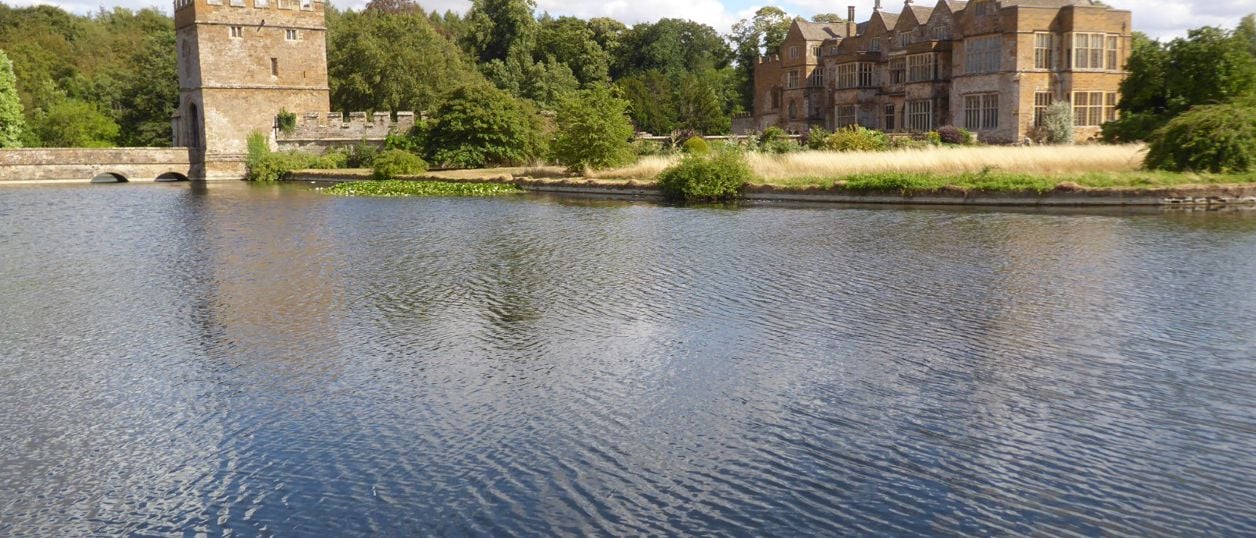
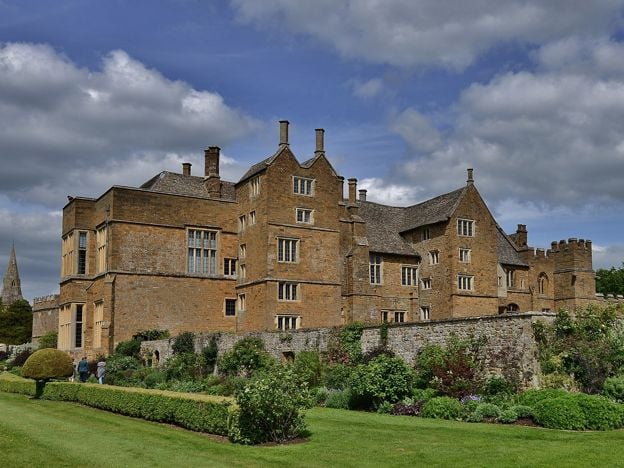
Broughton Castle, about two and a half miles south-west of Banbury, has belonged to the same family since 1448. The Fiennes family, Lords Saye and Sele, came to it by marriage and have lived there, on and off, ever since. In that time the house has been a medieval manor, an Elizabethan mansion, a meeting place for the King's opponents, a Royalist prize and close to a ruin. This is the family's story as the records tell it, and where the records thin out.
Before the Fiennes
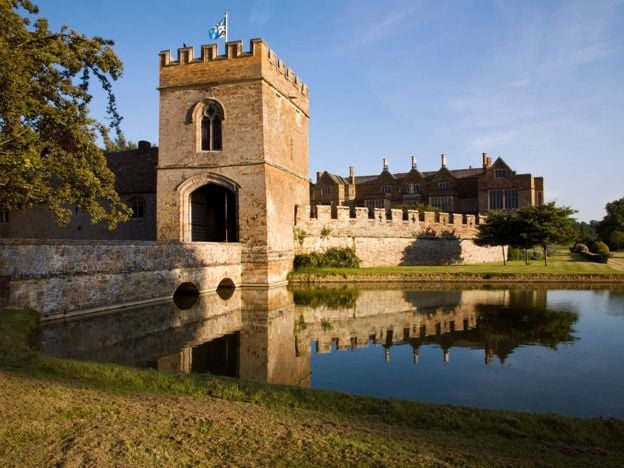
The house is older than the family. The castle's own history (opens in a new tab) says Sir John de Broughton built a moated manor house about 1300, where three streams meet, and the Victoria County History (opens in a new tab) agrees that he probably began it. In 1377 it was bought by William of Wykeham, Bishop of Winchester and Chancellor of England, and it passed to his great-nephew Sir Thomas Wykeham. In 1406 Sir Thomas had a licence to crenellate, and the battlemented wall he added round the gatehouse is why a manor house came to be called a castle.
In 1448 William Wykeham and his wife settled Broughton on their daughter Margaret and her husband, Sir William Fiennes. That marriage is the start of everything that follows.
Two lords killed, in 1450 and 1471
The Fiennes title was barely made before it cost a life. Sir William's father, James Fiennes, the first Lord Saye and Sele, was Henry VI's treasurer, and he was killed by Jack Cade's rebels in London in July 1450. Shakespeare put him on stage in Henry VI, Part 2, pleading for his life with the rebels. Sir William succeeded him that year, and the county history records that he was himself killed on the Yorkist side at Barnet in 1471.
The family survived both deaths. Margaret died in 1477, and her heir, Richard Fiennes, was a minor.
The Elizabethan house
Most of what a visitor sees inside is the work of another Richard Fiennes in the 1550s. The castle dates his great rebuilding to 1554: he raised the roof to put two floors above the medieval great hall, added two staircases and built a west wing on the old kitchen's foundations. The county history notes a chimney shaft dated 1554. His son, also Richard, carried on inside, and the date 1599 is on the plaster ceiling of the Great Parlour.
The viscount and the King's opponents
The best-known Fiennes is William, who was made Viscount Saye and Sele in 1624 and died at Broughton in 1662. He spent most of his life opposing the Crown. In 1622 he was confined to Broughton and four miles round it. In 1626, the History of Parliament records (opens in a new tab), he led Banbury's resistance to the Forced Loan, and in the 1630s he inspired the town's refusal of Ship Money.
In Charles I's reign the house became a meeting place for the King's opponents. The county history names the visitors: John Hampden, John Pym, St John, the Earls of Bedford, Essex and Warwick, Lord Holland and Saye's own son Nathaniel. Saye also gathered noblemen there to plan emigration to America, a scheme that led to the settlement at Saybrook in Connecticut.
Visitors' guides add that they met in a small upstairs room so placed that nobody could overhear, the room with no ears. The castle's history page does not mention it, so take it as the house's tradition rather than its record.
The Civil War
When war came, Saye raised a regiment, garrisoned the house and fought at Edgehill. It was not enough to keep Broughton. After the battle, in October 1642, the Royalists besieged the castle, took it and occupied it, and the date 1655 on the gatehouse records the repairs that followed. Our Civil War story has the wider campaign, including Saye's son John Fiennes besieging Banbury Castle in 1644.
His son Nathaniel, who sat for Banbury from 1640, had a harder war. His military career ended in a court martial, and he narrowly escaped the death penalty. He was later thrown out at Pride's Purge and came back under the Protectorate.
Saye outlived it all. He is buried with his wife Elizabeth, who died in 1648, under a marble table tomb in the chancel of St Mary's Church, next to the castle.
Celia Fiennes, and the decline
Saye's granddaughter Celia Fiennes became the family's best-known writer. Riding round England in the late seventeenth century, she called Broughton 'an ancient Seate of ye Lord viscount Say and Seale', and the castle notes that in the late 1690s she found her brother's house in a state of decay. She is also one of the people put forward as the fine lady of the nursery rhyme, without any evidence, as our story of the cross explains.
The line grew complicated. When James Fiennes died in 1674 the barony went into abeyance between his two daughters, and in 1715 it came to Cecil Twisleton, whose family held it after her. The real damage was done in the early nineteenth century. William Thomas, the 15th Lord, lived extravagantly in the Prince Regent's circle, and the family moved to Belvedere at Erith in Kent. In 1819 a visitor found the rooms 'daily dilapidating from misuse'. In 1837 most of the contents went in a twelve-day sale, and the last lot, the castle says, was the swans on the moat.
The Banburyshire newsletter
Events, new places and the best of the season, about once a month. Unsubscribe at any time.
How the house was saved
The family came back in 1848. In the 1860s Frederick, the 16th Lord, made vital repairs with the architect George Gilbert Scott. His successor John preferred racehorses, and in 1886 let the house to the Gordon-Lennox family, who improved the gardens. When their lease ended in 1912 the Fiennes returned for good, though money for upkeep stayed short. A grant paid for a new stone-tiled roof in 1956, and from 1983 to 1994 Nathaniel, the 21st Lord, led a long restoration of the stonework with English Heritage's help.
Nathaniel Fiennes died in January 2024 at the age of 103, according to the Banbury Guardian's obituary. His elder son, Martin, inherits the title and the castle, the Telegraph's obituary said.
Visiting Broughton
Broughton Castle opens on Wednesday and Sunday afternoons and bank holiday Mondays through the summer, with a tea room on open days. Check the castle's listing for the current dates and prices before you go. The park is a short walk from Broughton village, and the church with Saye's tomb is beside the house. If the family's puritan side interests you most, read Banbury's puritans first.
Places to stay near Broughton
-
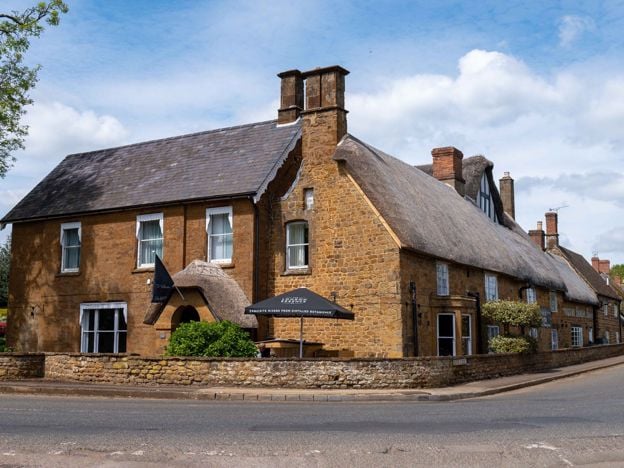
The Wroxton Hotel
Hotel · Wroxton
A 32-room hotel made from three adjoining stone cottages, partly dating from 1649, on the edge of thatched Wroxton, a few minutes' drive from junction 11 of the M40, with free parking and its own tea room.
Dog-friendly · Wedding venues
Verified Nov 2026
-
Banbury Cross Bed and Breakfast
B&B · Banbury
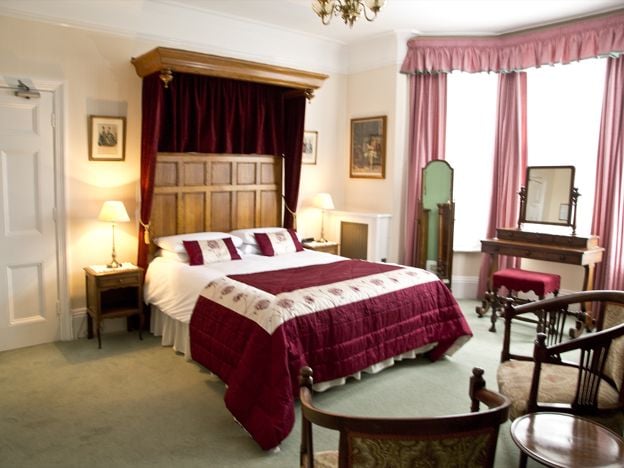
A family-run Victorian B&B on Broughton Road, Banbury, with seven bedrooms, about 370m from Banbury Cross, with free off-road parking, cooked breakfasts and rates from £77. No under-18s.
Car-free
Verified Nov 2026
-
Whately Hall Hotel, Banbury
Hotel · Banbury
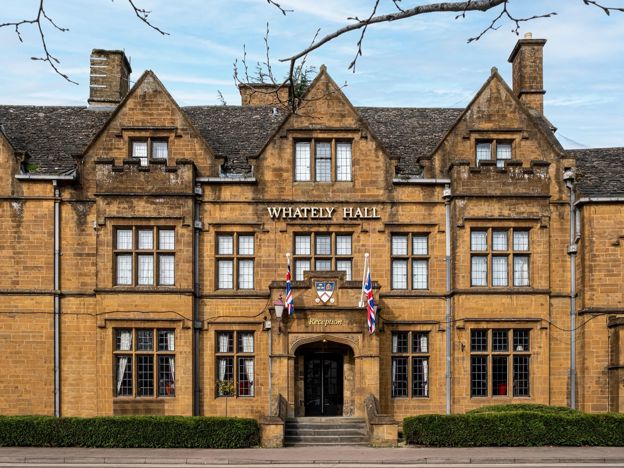
A Grade II listed 17th-century inn, now a 71-room hotel on Horse Fair in the middle of Banbury, with gardens, an oak-panelled restaurant and six EV chargers.
Dog-friendly · Family-friendly · Wedding venues
Verified Nov 2026
Read next
-
Banbury's puritans: the 'Banbury man', the roaring boy and the zealots
Story · History · 7 minute read
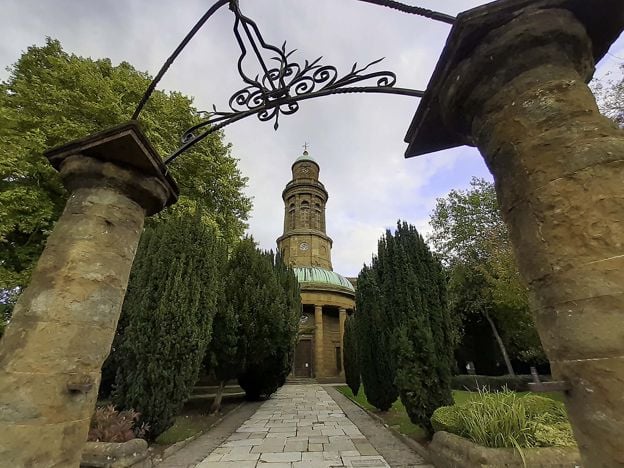
By 1614 'a Banbury man' meant a puritan, and writers mocked the town's zeal. Its people pulled down their crosses, a vicar preached twice every Sunday and was called the roaring boy, and the Quakers came next. What the record shows, and what was a joke.
-
The Civil War in Banburyshire: Edgehill, Cropredy and Banbury's sieges
Story · History · 7 minute read
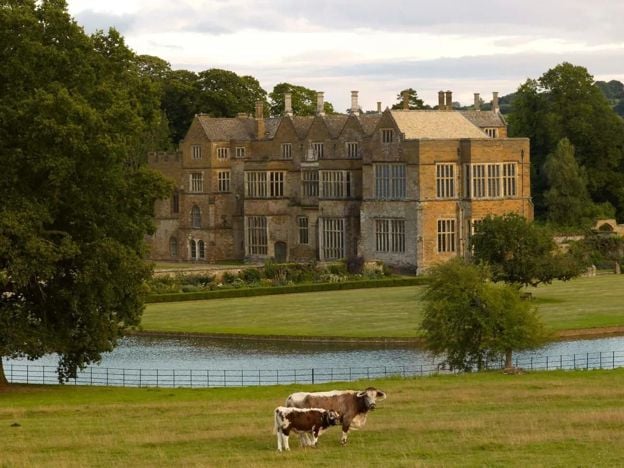
Banburyshire saw the Civil War's first great battle at Edgehill in 1642, a Royalist win at Cropredy Bridge in 1644 and two sieges of Banbury Castle. By 1648 the castle had been pulled down. Banbury lost hundreds of its people, and this is how it happened.
-
Castles and historic houses near Banbury: which to pick
Story · Guides · 12 minute read
Broughton Castle, Upton House, Sulgrave Manor, Canons Ashby, Farnborough Hall, Compton Verney, Chastleton, Stowe and Charlecote Park: which suits whom, which days combine them, what opens in winter, and which to skip.