Is Banbury in the Cotswolds?
No. Banbury lies about 5 miles outside the Cotswolds National Landscape, on a different stone. The line surprises people, though: Chipping Norton and Upton House are inside it, and Great Tew and Hook Norton are not.
· 9 minute read
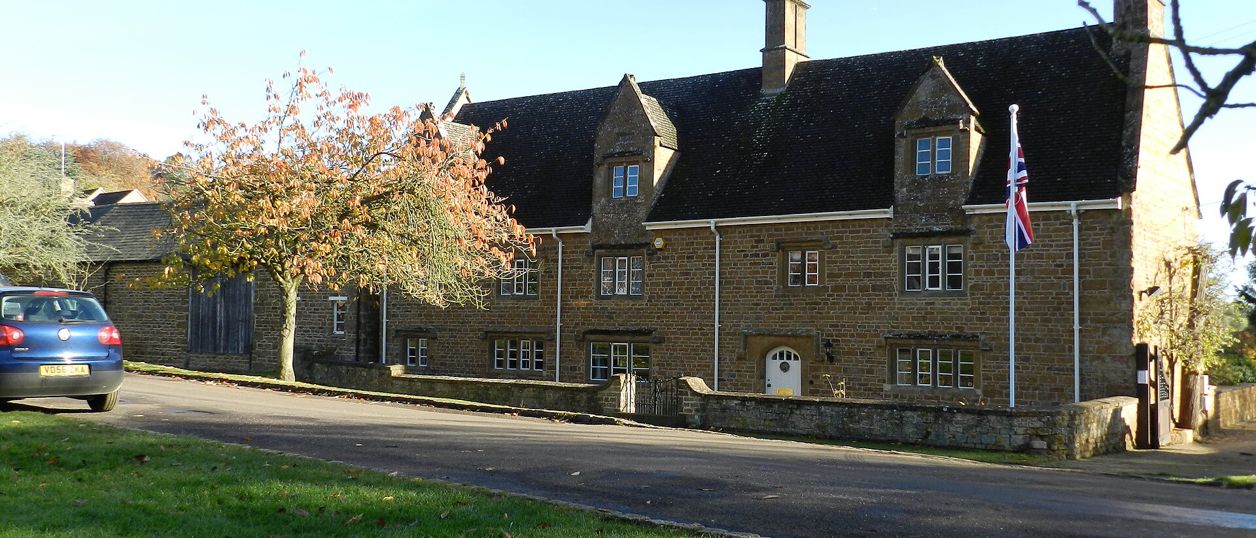
No, Banbury is not in the Cotswolds. The town lies about 5 miles (8km) outside the Cotswolds National Landscape at its nearest point, which is north-west of the town near Warmington, and it is built of brown Marlstone rather than the pale Cotswold limestone. It is, however, a practical place to reach the Cotswolds from: Chipping Norton, the nearest town inside the line, is about 13 miles by road.
We tested this rather than repeating it. Natural England publishes the boundary as open data, and on 4 November 2026 we checked the postcode of each place below against it, with the centre of each postcode as the point. A postcode is a small area and not an exact spot, so we give a margin only where a place is well clear of the line, and say so where it is close. If you are buying a house or making a planning case, check the address on the official map.
Three ways to ask the question
There are three tests for "in the Cotswolds": the protected landscape, the stone and the council. Banbury fails all three. The landscape boundary is the one that counts, since it is the only line drawn in law. The stone tells you what a place looks like. The council test catches people out, because one of the councils has Cotswold in its name.
On the council test, Cotswold District Council covers the middle of the hills from Cirencester, and it has nothing to do with Banbury. Banbury is in Cherwell district, Chipping Norton and Great Tew are in West Oxfordshire, Upton House and Edgehill are in Stratford-on-Avon district and Warwickshire, and Sulgrave and Kings Sutton are in West Northamptonshire. Four councils meet within 15 miles of the Cross, which is part of why people get lost.
Where is the Cotswolds boundary near Banbury?
The boundary of the Cotswolds National Landscape runs west of Banbury, from Chipping Norton north past the Rollright Stones and Brailes, then north-east along the Edge Hill ridge to Warmington. It wraps around the west and north-west of the town without touching it, so the land between Banbury and that line is ironstone country and not protected as Cotswolds.
The Cotswolds National Landscape (opens in a new tab) is the legal meaning of "the Cotswolds". It has been an Area of Outstanding Natural Beauty since 1966, and it covers about 790 square miles from Bath up through Gloucestershire and Oxfordshire to Warwickshire and Worcestershire, across 15 local authorities. The word is also used loosely, by people selling things and by people describing a look, and most of the confusion comes from there. Our sister site's guide to where the Cotswolds are covers the whole of it.
Banbury's own council does not place the town inside. Cherwell District Council describes only a small area of National Landscape in the north-west of the district. Most of the district, the town with it, lies outside.
Which villages near Banbury are in the Cotswolds?
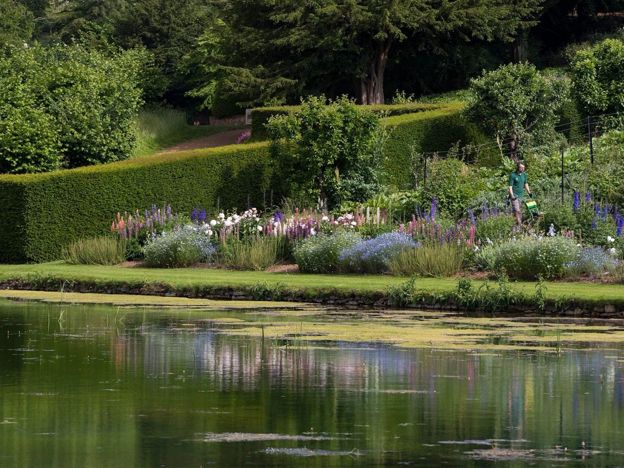
Chipping Norton, Long Compton, the Rollright Stones, Whichford, Brailes, Upton House, Ratley and the Castle at Edgehill are inside the National Landscape. Hook Norton, Great Tew, Wroxton, Broughton, Bloxham, Adderbury, Deddington, Cropredy and Sulgrave are outside, whatever their websites may suggest.
These places tested as inside the line:
- Chipping Norton, by only a few hundred metres at the Market Place
- The Rollright Stones, Long Compton and Whichford, by a mile or more, and Lower Brailes by over half a mile
- Upton House (by about 400m), Ratley and the tower at Edgehill (by under a mile)
These tested as outside it:
- Hook Norton, Swerford, Sibford Gower, Shenington and Hornton, by about 1 to 2 miles
- Great Tew and Soho Farmhouse, by over 3 miles
- Wroxton, Broughton and Burton Dassett, by between 1 and 4 miles
- Banbury, Bloxham, Adderbury, Deddington, Cropredy, Kings Sutton, Aynho and Sulgrave, by 3 miles or more
Radway, Tysoe, Epwell and Warmington sit so close to the line that a postcode cannot settle them, so we make no claim about those four.
The surprise: Great Tew and Hook Norton
Great Tew is the village people most often assume is in the Cotswolds, and it is outside the National Landscape by more than 3 miles. Hook Norton is outside by about a mile. The Victoria County History's overview of the Chipping Norton area makes the same point further south: most of that country is inside the line, but Enstone and Kiddington, on its north-east side, are not.
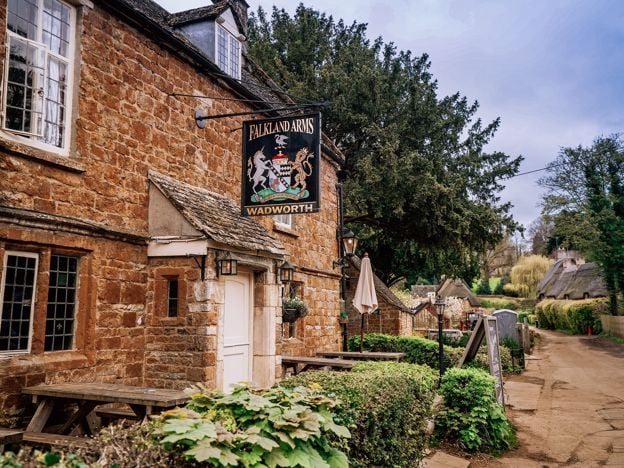
Neither village is pretending. The Falkland Arms in Great Tew describes itself as a Cotswolds pub, and the Sun Inn says it is on the edge of the Cotswolds. In the ordinary sense of the word they are close enough, and the Sun Inn's wording is the accurate one. Our guide treats both villages as Banburyshire, because their stone and their road lead this way.
The stone inside Great Tew's own parish shows why the question is hard. The Victoria County History puts the south of the parish on Great Oolite limestone, the Cotswolds' own rock, and the north on ironstone, which is what the cottages are built from. Hook Norton lies on the same kind of change, and some of its older buildings have bands of ironstone and pale limestone in one wall. These are edge places in fact as well as in name.
The other surprise runs the opposite way. Upton House and the tower at Edgehill sit about 8 miles from Banbury Cross by road, and most people think of them as Warwickshire, or as Civil War country, without knowing that a long arm of the National Landscape runs up the ridge to include them. If your idea of the Cotswolds is limestone and sheep, the Edge is not it, and the law says otherwise.
Why Banbury looks different: the stone
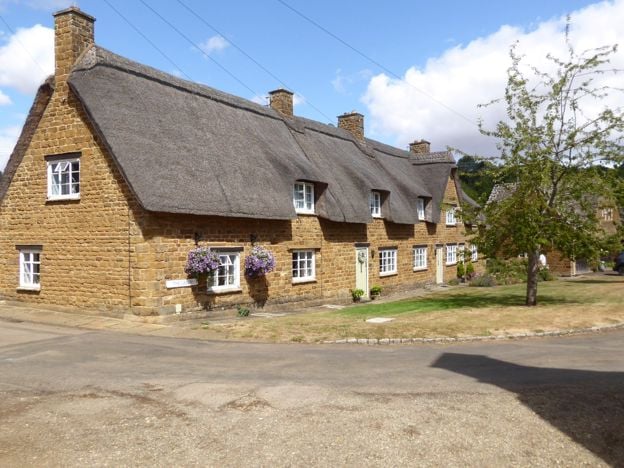
Banbury and the villages round it are built of Marlstone, also called Hornton stone or Banbury Ironstone, which is an iron-rich limestone that weathers to a golden orange-brown. Cotswold towns are built of paler oolitic limestone from higher, younger beds. Compare a wall in Bloxham with one in Burford and the difference is the first thing you notice.
Oxfordshire County Council's paper on building stones calls Marlstone the oldest building stone in the county, and it names Great Tew, Deddington, Adderbury and Bloxham among the villages built from it, with Broughton Castle among the great houses. The British Geological Survey classes the Marlstone Rock Formation as Lower Jurassic, and one of its reference sections is at Stanley's Quarry on Edge Hill. The Cotswold limestones, including the Chipping Norton Limestone and Taynton stone, belong to the Middle Jurassic.
So the geology does not stop neatly at the boundary. Ratley and the Edge are ironstone inside the National Landscape, and Great Tew's marlstone is outside it. The Victoria County History notes that parish builders around Chastleton, Kingham and Enstone combined light limestone with darker marlstone for effect. The change of stone happens across a belt of country, and around Hook Norton you can see the two in one village. Our story of Hornton stone and the ironstone villages goes further into it.
Is Banbury a good base for the Cotswolds?
Banbury works as a base for the northern and eastern Cotswolds if you have a car and want a town with trains, hotels and shops. Moreton-in-Marsh is about 40 minutes by road, Stow-on-the-Wold about 45 and Chipping Campden about 45. Bourton-on-the-Water, Burford and Broadway are nearer an hour, and the southern Cotswolds are too far for a day.
These are our rounded-up times from the centre of Banbury, off peak. Without a car it is a different answer. Banbury's trains run to Oxford, Birmingham and London, and none goes to the Cotswold Line towns without a change via Oxford. Stagecoach's 488 bus serves Bloxham, Hook Norton and Chipping Norton, and the buses guide has what we could confirm. If you want the Cotswolds on foot from your door, stay on the Cotswolds. Our sister site's guides to Chipping Campden, Moreton-in-Marsh, Stow-on-the-Wold and Burford cover those towns.
The Banburyshire newsletter
Events, new places and the best of the season, about once a month. Unsubscribe at any time.
If you came for the Cotswolds, where should you go from Banbury?
The nearest Cotswolds to Banbury is Chipping Norton, about 13 miles by road, with the Rollright Stones just beyond it. For the view, drive up to the Edge at Upton House or the tower at Edgehill, about 15 minutes away and inside the National Landscape, with the plain of the 1642 battle below you.
For a full day of honey-coloured villages, drive on to Chipping Campden or Stow, which our sister site covers. Try the day trips from Banbury guide for the order and the timing, and leave out the southern Cotswolds, since Castle Combe and Tetbury are a long way from here.
If what you liked in the photographs was old stone and thatch, you may not need to leave. Wroxton, Great Tew, Adderbury and Deddington have them without the coach parks, and our guide to villages near Banbury sets out the choice. Expect ironstone, darker than the limestone on the postcards.
Why people think Banbury is in the Cotswolds
People think Banbury is in the Cotswolds because it is the rail and motorway gateway to them, because some tourist sites mention them in the same breath, and because the villages between look much alike to anyone passing through. Businesses within reach also have every reason to use the word, and hardly anyone checks a map.
Banbury's station and junction 11 of the M40 are how many people arrive in this part of England, so hotels and travel pages list the town with Cotswold day trips, as Visit South East England does. Thatch and old stone are enough for most photographs, and the name sells. We do not blame anyone for that, but a visitor booking a week in Banbury for a walk from the door to Bourton-on-the-Water would be disappointed, so we would rather say it plainly.
Does it matter?
It matters to three kinds of people: anyone buying a house, because National Landscape status affects planning, anyone choosing a holiday base for walking limestone villages, and anyone checking a claim on a listing. Cherwell's Executive endorsed the National Landscape's current management plan on 6 January 2026, so the boundary carries weight in the district's own decisions. For a day out, the line matters less than the road. Both sides of it have pubs and stone worth the drive.
Banbury has never needed the name. It is a market town with its own country around it, called Banburyshire in local history though never on any official map, and the stone and the canal are what set it apart. Its Marlstone and its market belong to a different story from the wool towns further west. Our sister site tells the Cotswold story, and this site tells the one on this side of the line.
Mentioned in this story
The places, sights and walks in this story, each with a page of its own: what it is, when to go and how to get there.
-
Upton House and Gardens
Historic houses and heritage
-
The Falkland Arms, Great Tew
Pubs · Great Tew
-
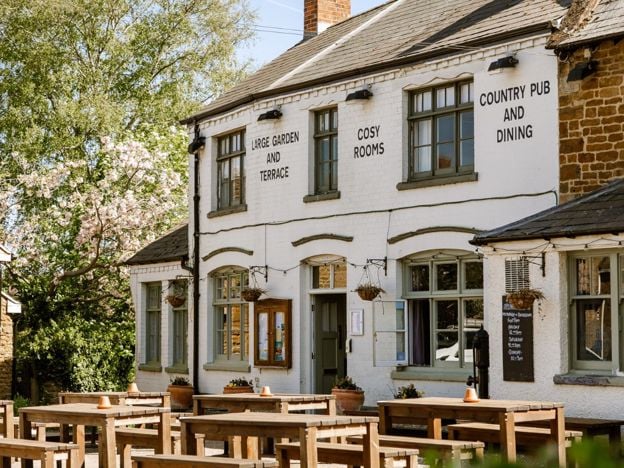
The Sun Inn, Hook Norton
Pubs · Hook Norton
-
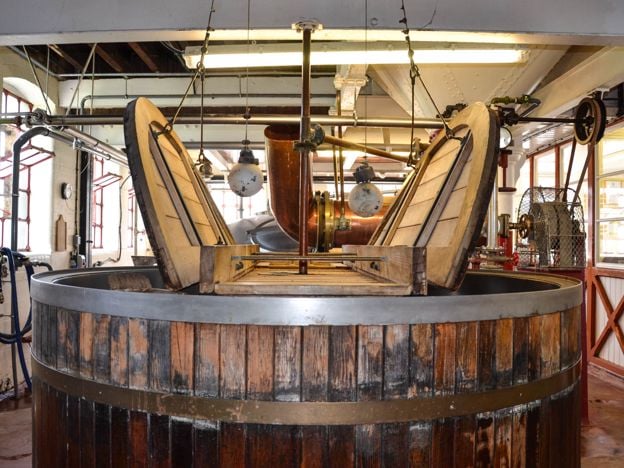
Hook Norton Brewery
Tours and experiences · Hook Norton
-
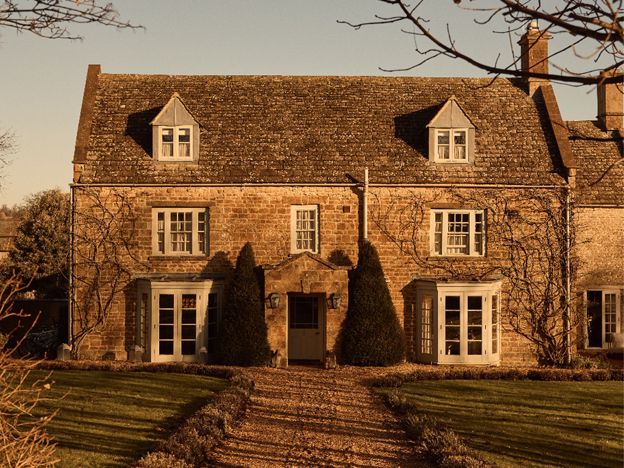
Soho Farmhouse
Hotel · Great Tew
-
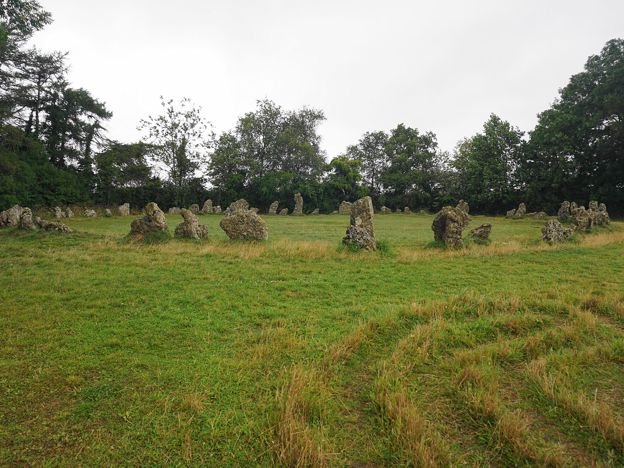
Rollright Stones
Sight · Hill fort or barrow
-
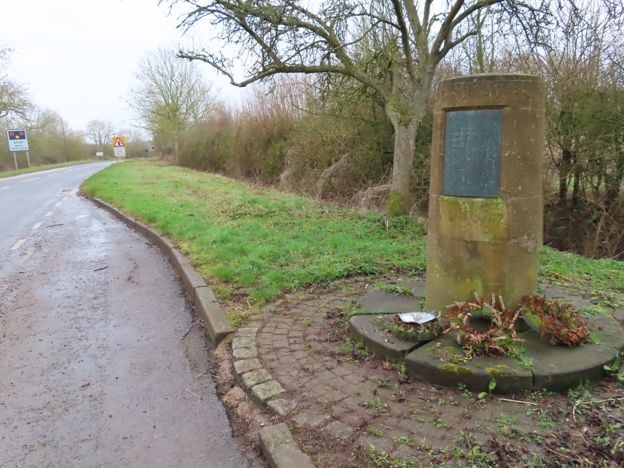
Edgehill battlefield
Sight · Monument · Edgehill and Radway
Places to stay near Banbury
-
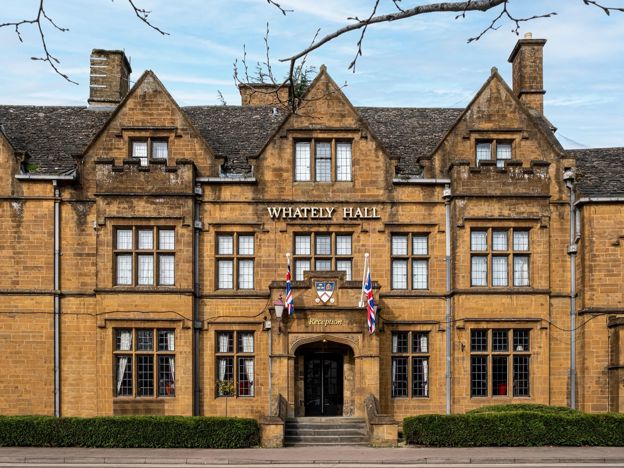
Whately Hall Hotel, Banbury
Hotel · Banbury
A Grade II listed 17th-century inn, now a 71-room hotel on Horse Fair in the middle of Banbury, with gardens, an oak-panelled restaurant and six EV chargers.
Dog-friendly · Family-friendly · Wedding venues
Verified Nov 2026
-
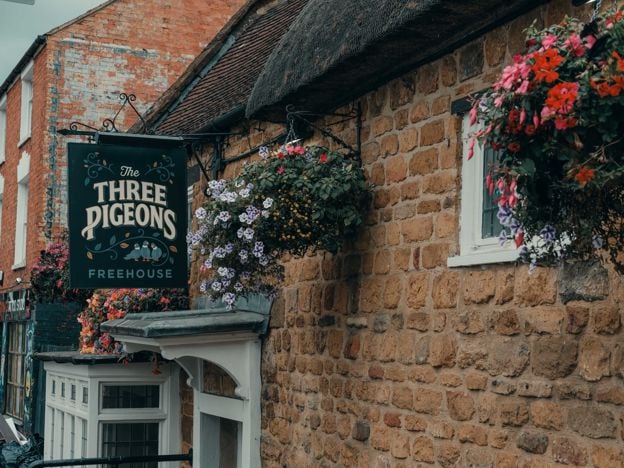
The Three Pigeons, Banbury
Pubs · Banbury
A Grade II listed 17th-century inn, partly thatched, on Southam Road, Banbury, with real ales and ciders, a courtyard, Smash Cow street food from Thursday to Saturday and three en-suite rooms.
Dog-friendly · Car-free
Verified Nov 2026
-
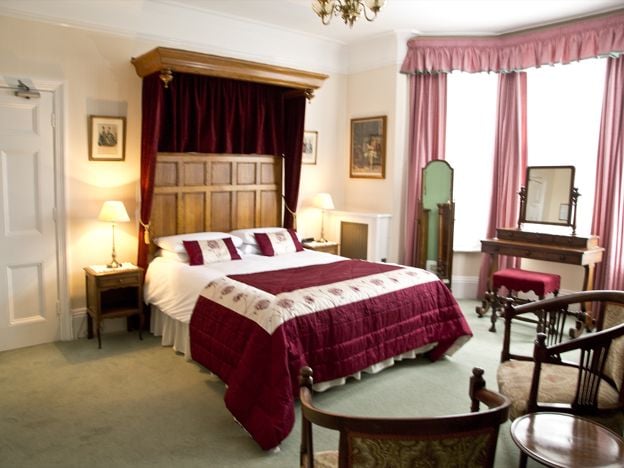
Banbury Cross Bed and Breakfast
B&B · Banbury
A family-run Victorian B&B on Broughton Road, Banbury, with seven bedrooms, about 370m from Banbury Cross, with free off-road parking, cooked breakfasts and rates from £77. No under-18s.
Car-free
Verified Nov 2026
Read next
-
Hornton stone and the ironstone villages: why Banburyshire is brown
Story · History · 5 minute read
Hornton stone is the rusty ironstone that colours the villages around Banbury. It is a band of Jurassic rock no more than about 10m thick, quarried at Hornton and on Edge Hill for centuries. Henry Moore carved it, and steelworks ate it until 1967.
-
Villages near Banbury: the prettiest, and the best to live in
Story · Guides · 14 minute read
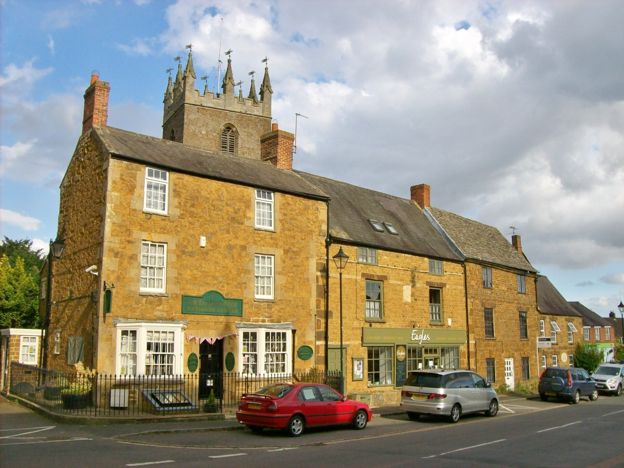
The villages near Banbury, group by group: ironstone, canal, the Edge, the Cherwell valley, the North Oxfordshire Cotswolds and South Northamptonshire. The prettiest are Great Tew and Wroxton. The best to live in are bigger, and they are not the same villages.
-
Day trips from Banbury
Story · Guides · 11 minute read
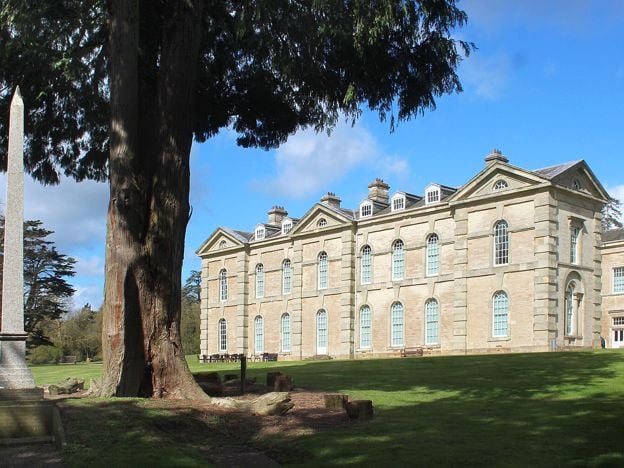
The best day trips from Banbury: Oxford by train in under half an hour, Warwick Castle, Stratford-upon-Avon, Blenheim Palace, Bicester Village, Silverstone and the Cotswolds, with how to get there, what it costs and which are not worth doing by car.