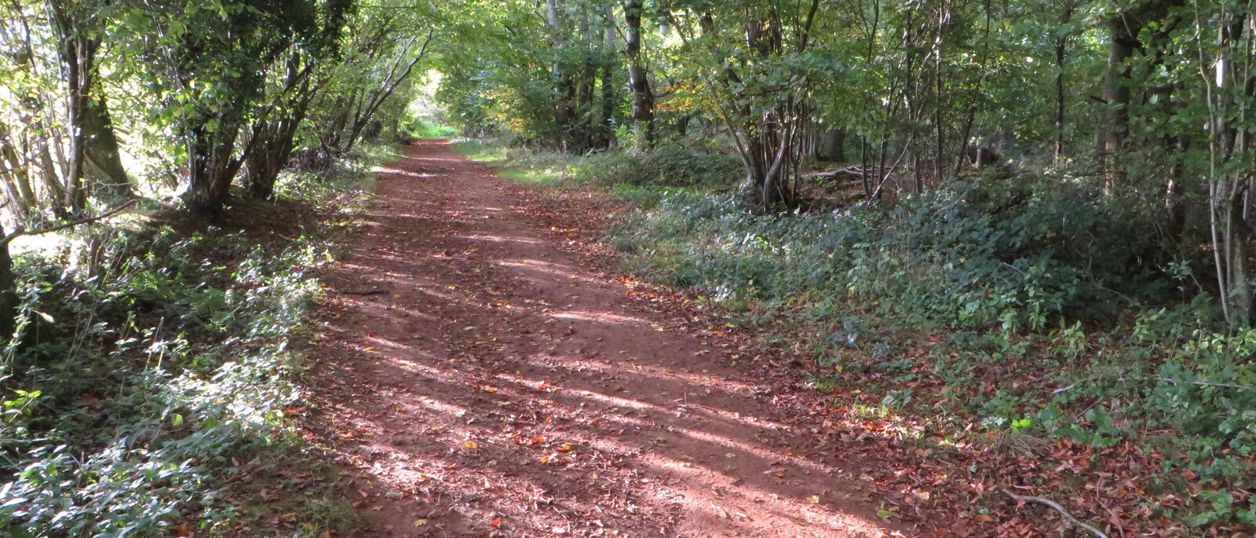
Philip Jeffrey, CC BY-SA 2.0, via Wikimedia Commons
Whichford Wood
An oak and hazel wood in a steep valley south of Whichford, a Site of Special Scientific Interest for its wet flushes and rare plants, with bluebells in May. The Macmillan Way and public bridleways run through it; other paths are private.
Wood
WhichfordWhichford Wood fills a steep-sided valley south of Whichford, on the Warwickshire edge of the Cotswolds. It is mostly oak over hazel coppice, with ash, field maple and alder along the springs, and Natural England has protected it as a Site of Special Scientific Interest since 1973. The Macmillan Way runs through it, and in May it is a bluebell wood.
The story of Whichford Wood
Natural England's citation describes about 45 hectares of woodland on damp, lime-rich soils over Lower Lias clay and Middle Lias ironstone. It was first notified in 1973 and again in 1985 under the Wildlife and Countryside Act. The citation explains why: the variety of woodland types in a small valley, a ground flora it calls particularly rich in the wet flushes and hollows along the drainage lines, and coppicing, which in some parts gave stands of hazel at different ages.
The wood is in private hands. The Sibford Walkers' report of 2013 notes that the group walked its non-public paths by the landowner's permission.
What to look for
The citation sorts the wood into types, and you can see them change as you walk:
- Oak standards over hazel coppice, with plenty of ash, across most of the wood
- Ash and field maple on the damper soils, and ash with wych elm on the eastern slopes, where most of the elms were lost to Dutch elm disease
- Alder along the spring lines, with soft rush, opposite-leaved golden-saxifrage and water horsetail
- Early-purple orchid, stinking iris and sanicle in the ground flora, among bramble, dog's mercury and wood false-brome
Two plants make it important in the county. The citation calls it the only recent Warwickshire site for alternate-leaved golden-saxifrage, and the large bellflower grows here too. It is also a locally important site for fungi, so autumn is worth a visit as well as spring.
The bluebells are the draw in May. The Sibford Walkers' report of 27 May 2013 called them wonderful, with white stitchwort and red campion among them.
Visiting Whichford Wood
OpenStreetMap shows the Macmillan Way and the Cross Cotswold Pathway passing through the wood, along with public bridleways and a public footpath. Keep to those: other paths are private, and this is a protected site. The citation's wet hollows, ditches and streams mean mud for much of the year, so wear boots.
Getting there
Whichford is on minor roads east of Long Compton and the A3400. We found no car park for the wood, so park considerately in the village and pick up the Macmillan Way or the bridleways from the map.
Nearby
In Whichford, the Norman Knight is the pub, and the Straw Kitchen is the café at Whichford Pottery, open Wednesday to Saturday outside its winter break. The Rollright Stones are a short drive south. For another bluebell wood, try Badby Woods in Northamptonshire.
Stay and eat near Whichford Wood
-
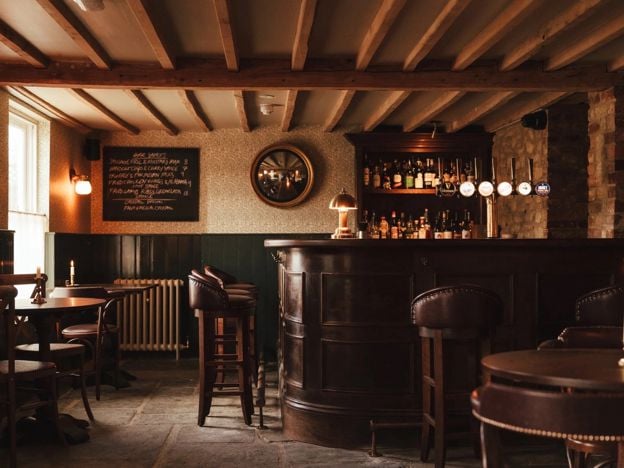
The Norman Knight, Whichford
Pubs
A pub with rooms in a restored former bakery at Whichford, serving seasonal British food and well-kept ales, with four rooms, five cabins, supper clubs, live music on Saturdays and a monthly car rally in summer.
Verified Nov 2026
-
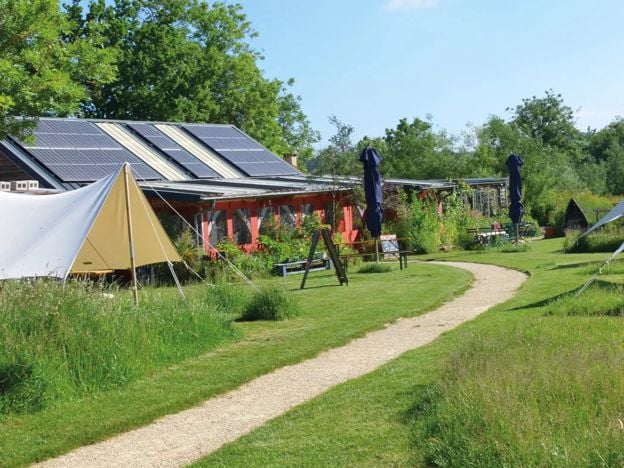
The Straw Kitchen, Whichford
Cafes and tearooms
The café at Whichford Pottery, open from Wednesday to Saturday, with a seasonal menu that changes weekly: brunches, soups, ramen, curries, salads and homemade cakes. It closes for a long winter break.
Verified Nov 2026
-

The Still House Café, Stourton
Cafes and tearooms
The café at the Cotswolds Distillery in Stourton, open every day with food until 3.30pm, using coffee from UE Roasters and meat from Barry the Butcher. Dogs on leads are welcome, and tables cannot be booked.
Dog-friendly
Verified Nov 2026
More sights to see
-
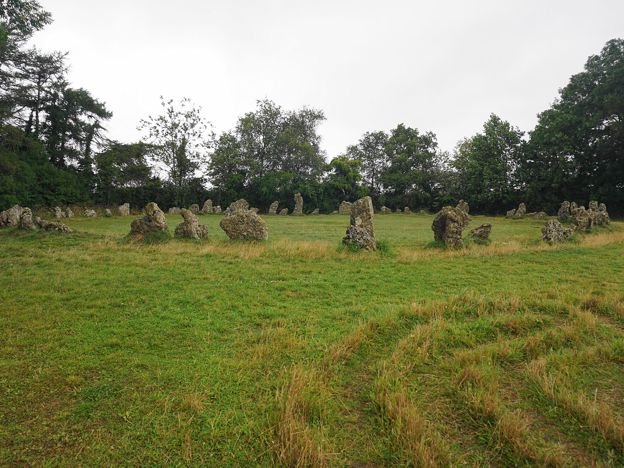
Rollright Stones
Sight · Hill fort or barrow
Three prehistoric monuments on the Oxfordshire and Warwickshire border, built over more than 2,000 years: the Whispering Knights, the King's Men circle and the King Stone, with a legend of a king and a witch to go with them. Open daily; adults £2.
-
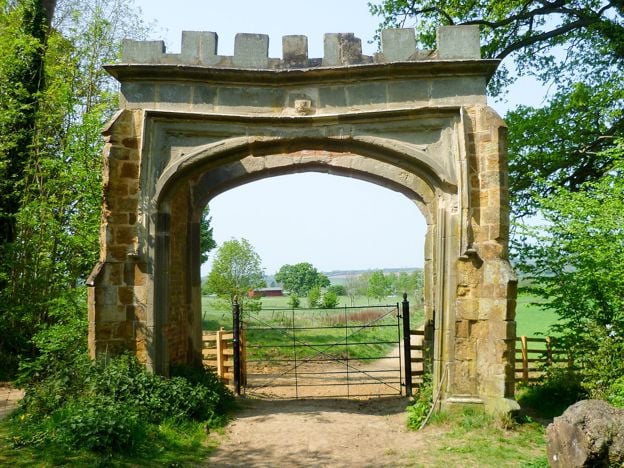
Badby Woods
Sight · Wood · Badby
An ancient bluebell wood at Badby, Northamptonshire, on the Fawsley estate: woodland for over 700 years, a deer park from 1246 and now an SSSI. Free and private, on permissive paths. Bluebells usually peak from late April into early May, and parking is for about 12 cars.
-
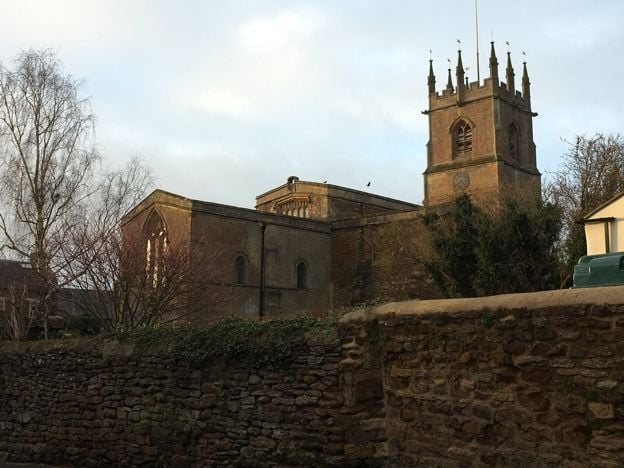
St Peter's Church, Hook Norton
Sight · Church · Hook Norton
Hook Norton's Grade I church, with a Norman font carved with Adam and Eve and signs of the zodiac, a Romanesque chancel and medieval wall paintings. In the middle of the village, open every day, says the benefice.