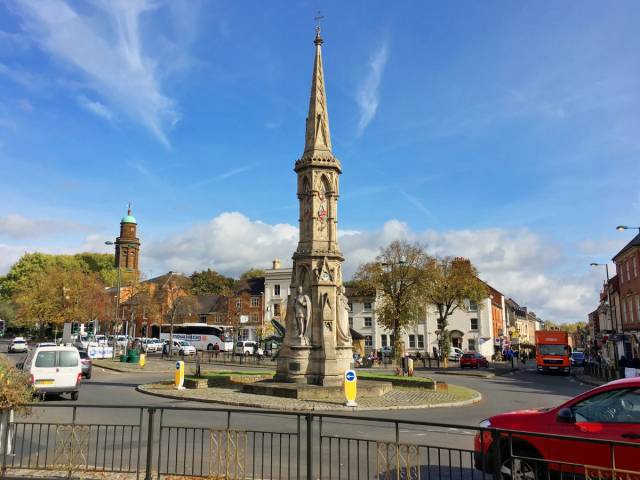
The history of the North Oxfordshire borderlands is a narrative of strategic importance, architectural innovation, and social resilience. Positioned as a vital crossroads between the Midlands and the South, the area known as Banburyshire has been shaped by the tactical manoeuvres of the English Civil War, and the industrial ambitions of the Victorian era. Our historical archives aim to provide a detailed and authoritative account of these eras, moving beyond simple dates to explore the structural and cultural provenance of our landscape.
The Roman and Saxon foundations of the Ironstone Downs
Long before the current village boundaries were established, the region served as a significant hub for Roman transport and agricultural production. The proximity to the Fosse Way and the development of villa estates across the ironstone plateau established a pattern of settlement that persisted for centuries. As the Saxon era emerged, the region transitioned into a network of "hundreds" and parishes, with the early development of Banbury as a religious and administrative centre. These guides explore the archaeological evidence of these early settlers, from the layout of ancient trackways to the site of original Saxon river crossings.
Conflict and character during the English Civil War
The mid-17th century represents one of the most turbulent and defining periods in the history of the district. Due to its location on the primary route between the Royalist capital at Oxford and the Parliamentarian strongholds of the north, the area became a perpetual battlefield. We examine the detailed history of the Battle of Edge Hill and the subsequent sieges that shaped the local architecture. This section provides a deep dive into the lives of notable figures like the Earl of Rochester and the impact of the conflict on the ironstone villages, many of which still bear the physical marks of 17th-century fortifications.
The industrial revolution and the Oxford Canal
The arrival of the Oxford Canal in the late 18th century transformed the economic potential of the region, linking the North Oxfordshire countryside to the global markets of the British Empire. Our historical analysis focuses on the engineering feats required to navigate the local topography, including the construction of the flight of locks at Claydon and the establishment of Tooley’s Boatyard. This period of industrial growth introduced new materials and wealth to the area, resulting in the expansion of the market towns and the refinement of the Victorian high streets that remain visible today.
Social evolution and the preservation of regional memory
Understanding the history of the region also requires an exploration of the domestic and social lives of its inhabitants. From the high-status management of estates like Upton House and Adderbury House to the daily routines of the agricultural workers in the Sor Brook valley, we document the social hierarchy that defined the district. Our guides delve into the history of local markets, local folklore, and the preservation of oral traditions that keep the spirit of the historic parishes alive. By documenting these layers of experience, we ensure that the complex heritage of Banburyshire is preserved as a living resource for future generations.