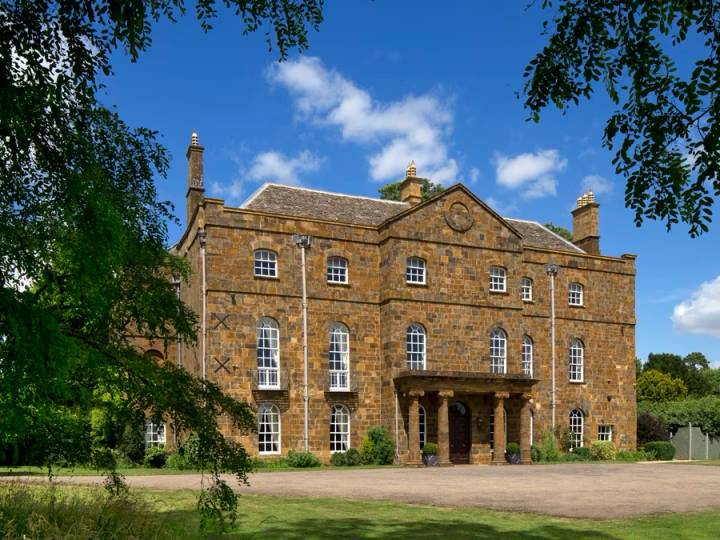

Adderbury House stands as one of the most historically layered manor houses in North Oxfordshire. This grand residence, constructed from the region’s signature golden ironstone, has been the seat of poets, dukes, and courtiers. For centuries, it served as the social and political heart of Adderbury, anchoring the village’s identity within the broader narrative of British aristocratic life.
The Restoration court and the Earl of Rochester
The house is perhaps most famous for its association with John Wilmot, the 2nd Earl of Rochester, who resided here in the 17th century. Rochester was a notorious poet, a celebrated wit, and a close, albeit often troublesome, confidant of King Charles II. Under his tenure, Adderbury House became a rural outpost for the sophisticated and frequently scandalous culture of the Restoration court.
Rochester’s presence in the village brought a level of national attention to this corner of "Banburyshire" that it had never seen before. It is said that some of his most acerbic and brilliant verses were composed within these walls, inspired by the contrast between the quiet Oxfordshire countryside and the frantic pace of the London court. His residence established the house as a site of intellectual and cultural significance, a reputation that would be expanded upon by subsequent owners.
The Palladian transformation by the Duke of Argyll
In the early 18th century, the estate underwent a massive architectural shift when it was acquired by the 2nd Duke of Argyll. A prominent military leader and statesman, the Duke sought to transform the existing Tudor and Stuart structure into a grand Palladian mansion befitting his status. He employed celebrated architects and landscapers of the day to reimagine the house and its surroundings.
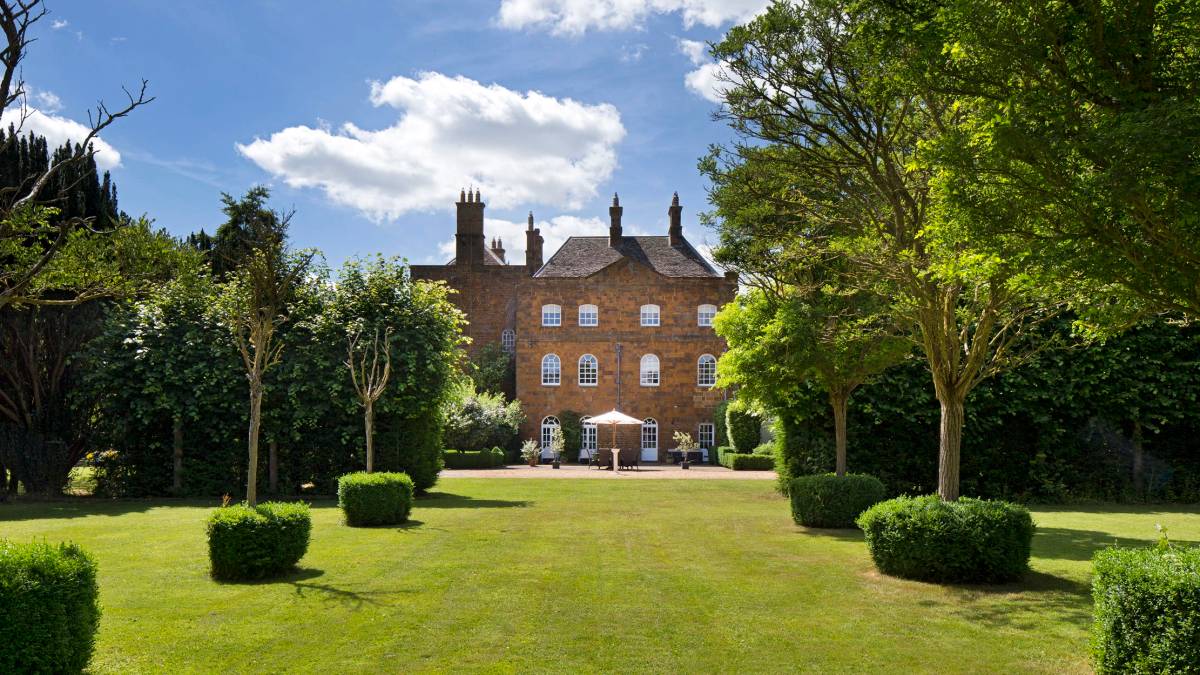
During this period, the house was significantly expanded, and the grounds were reshaped to reflect the contemporary fashion for sweeping, romantic parklands. The Duke’s vision turned Adderbury House into a statement of Enlightenment order and classical beauty. Much of the architectural scale seen today, including the rhythmic window placements and formal elevations, dates back to this ambitious era of Georgian reconstruction.
Architectural evolution and adaptation
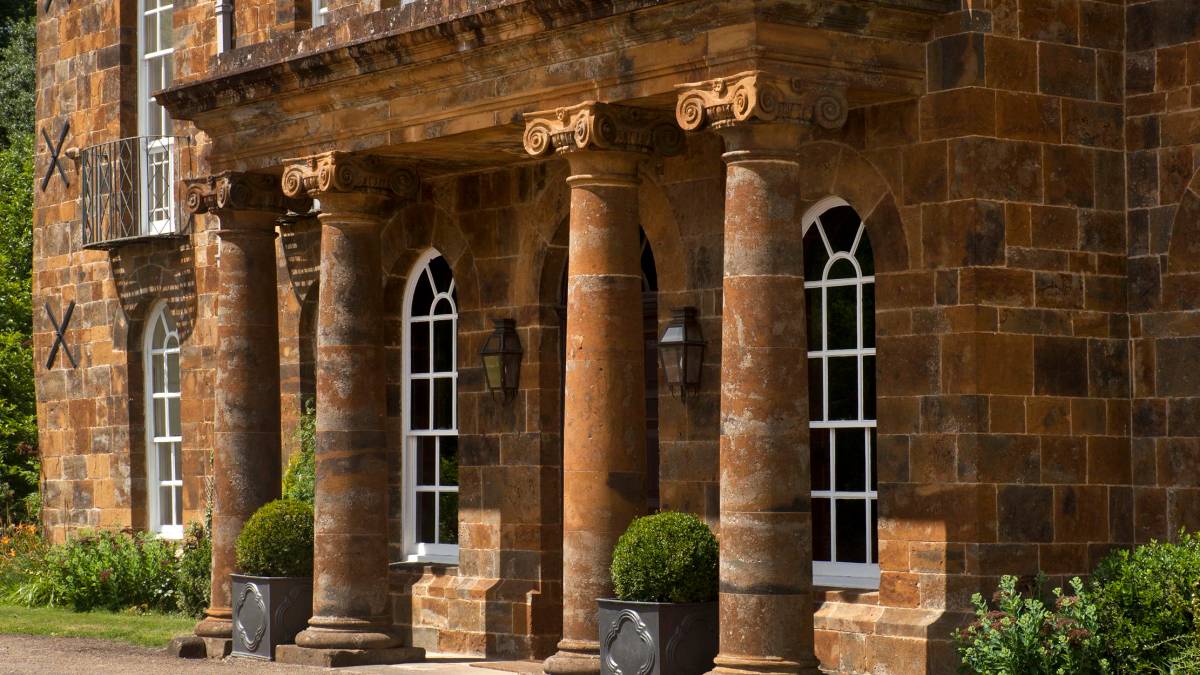
The building is a fascinating composite of different eras. While the 18th-century renovations encased or replaced much of the earlier Tudor fabric, the house retains a sense of immense grand scale that is rare for a village-centre manor. The use of local ironstone ensures that, despite its palatial proportions, the house remains harmoniously integrated with the vernacular architecture of Adderbury.
Over the centuries, the house has adapted to the changing needs of the nation. It has functioned as a military hospital during periods of conflict and was later divided into high-status private residences. Each of these phases has left its mark on the building, creating a structure that is a living archive of North Oxfordshire's social and architectural hierarchy.
The surrounding parklands and Adderbury Lakes
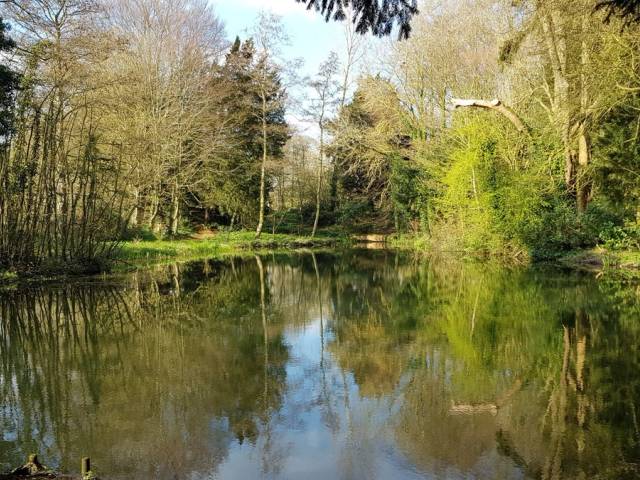
The influence of Adderbury House extends far beyond its perimeter walls. The estate’s original landscaped gardens once covered a vast area, designed to provide the Duke of Argyll with a curated view of "unspoilt" nature. The ornamental lakes, which are now a cherished local nature reserve, were originally engineered as part of this 18th-century vision.
For modern visitors and residents, the surviving parkland and the arrangement of nearby estate cottages provide a clear picture of the historical manor infrastructure. The lakes remain a vital habitat for local wildlife and a peaceful destination for walkers, serving as a lasting legacy of the Duke’s horticultural ambitions.
A landmark of regional significance
Today, Adderbury House remains a dominant feature of the village landscape. It serves as a visual reminder of a time when Adderbury was the social centre for some of the most powerful families in the country. For those exploring the village, the house offers a unique insight into the transition from the rakish wit of the Restoration to the formal elegance of the Georgian age. It stands as a testament to the enduring allure of the Oxfordshire countryside for Britain’s political and cultural elite.