Edgehill, England’s Only ‘Officially’ Haunted Battlefield
In the winter of 1642, the villagers of Radway witnessed a supernatural phenomenon so terrifying it required a Royal Commission. Explore the deep history of Edge Hill, where the ghosts of the English Civil War were once recorded as a matter of state record.
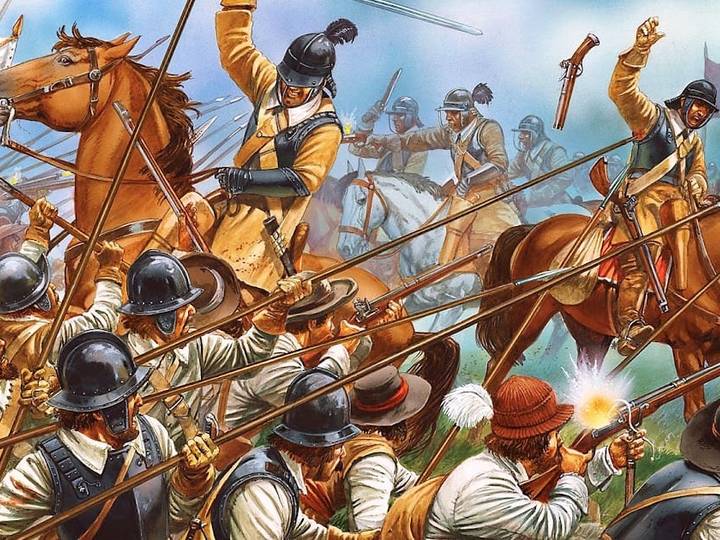
The Bloody Opening of the English Civil War
On 23 October 1642, the escalating tensions between King Charles I and his Parliament finally erupted into large-scale violence. Edge Hill, situated on the border of Warwickshire and Oxfordshire, served as the backdrop for this brutal introduction to the English Civil War. Approximately 30,000 soldiers met in the valley between the villages of Kineton and Radway.
The conflict was the result of a bitter power struggle over the divine right of kings, taxation, and religious tensions. By the time the sun set on Edge Hill, over 1,000 men lay dead with thousands more wounded in the cold October air. The battle was famously inconclusive, leaving both the Royalist Cavaliers and the Parliamentarian Roundheads unable to claim a strategic victory. It set the stage for years of bloody conflict that would eventually tear the nation apart.
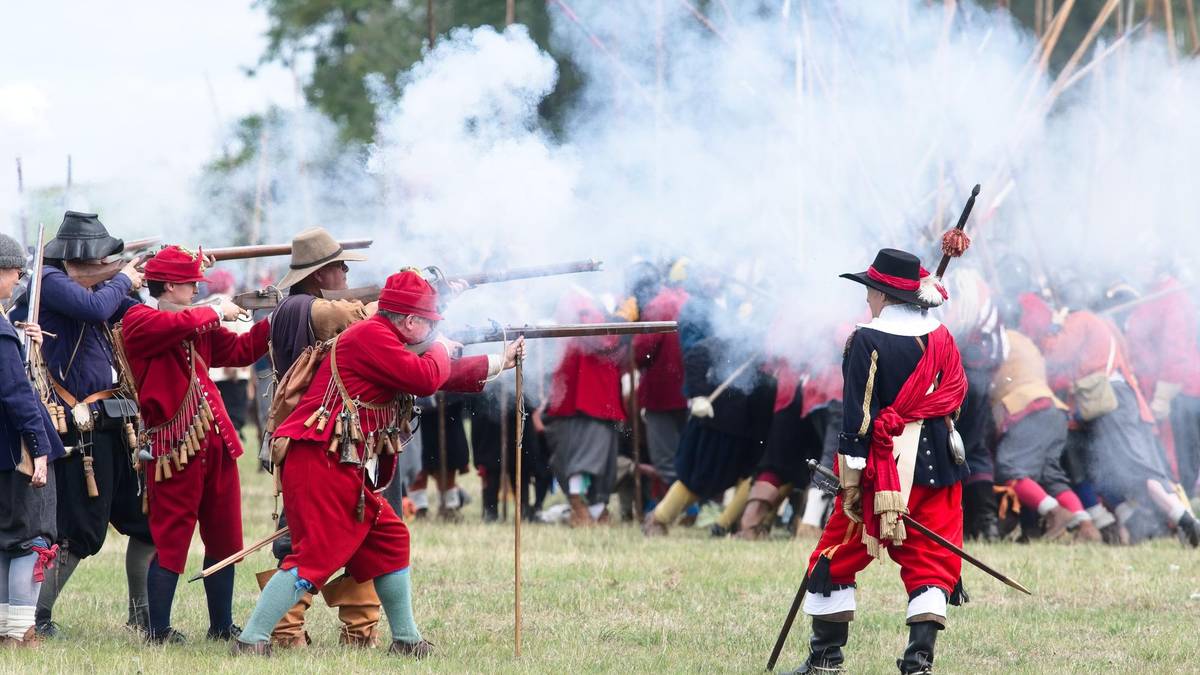
The Christmas Apparitions and the Royal Commission
The story of the Edge Hill ghosts is not merely a piece of modern folklore. It is a historical event documented in the months following the battle. Around Christmas of 1642, local shepherds and villagers began reporting incredible sights in the night sky. They claimed to see phantom soldiers, hear the distinct thunder of drumming, and witness the discharge of ghostly cannons re-enacting the struggle.
These reports reached King Charles I while he was in residence at Oxford. Initially sceptical, the King dispatched a formal commission of trusted officers, including Colonel Kirk, to investigate the "prodigies" reported by the locals. To their astonishment, the commissioners themselves witnessed the spectral re-enactment over several nights.
In their official report, they identified specific individuals amongst the ghosts, including Sir Edmund Verney, the King’s standard-bearer who had been killed in the fray. This remains a unique moment in British history where a haunting was officially verified and recorded as a matter of state record. In an effort to lay the spirits to rest, many of the corpses were eventually given a Christian burial in mass graves.
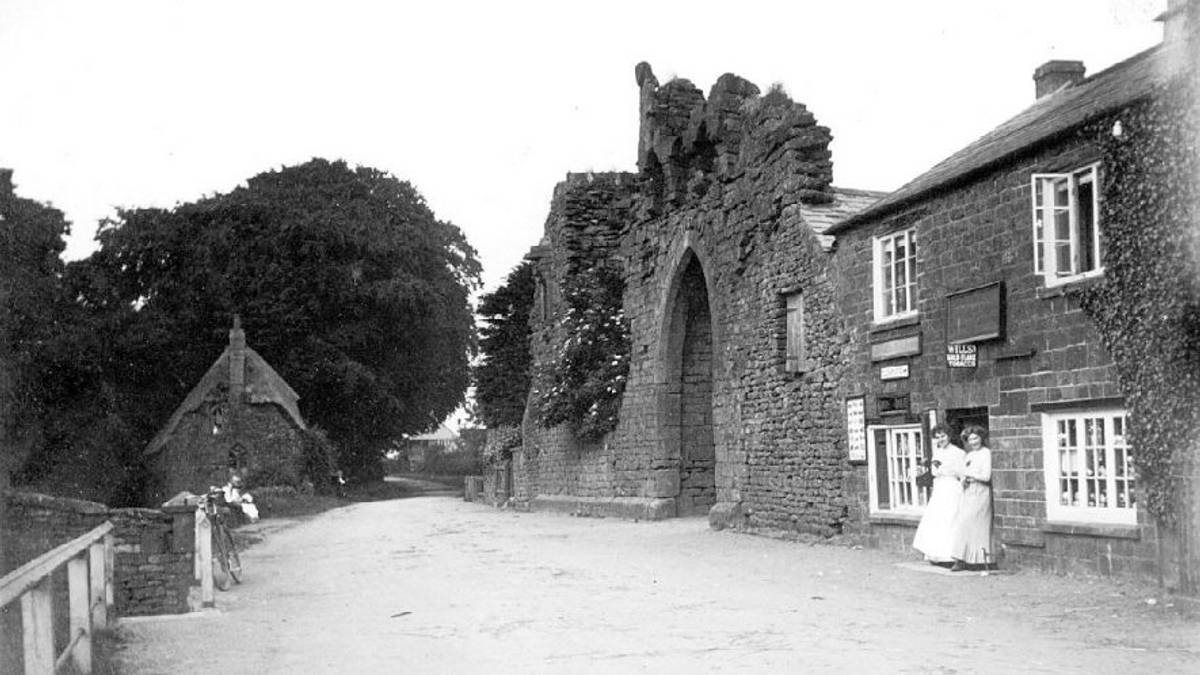
The Red Road and the Mass Graves
Local history adds a grim layer to the geography of the area. A stretch of path known as "Red Road" marks the route where the Parliamentarian army marched from Warwick to meet the Royalists. It is said to have earned its name because the ensuing clash turned the ground into a literal bloodbath.
While many of the fallen were interred in churchyards at Kineton and Radway, many others remain in mass graves on the battlefield itself. One such grave is located on land currently managed by the Ministry of Defence. Because this area is still used for modern military purposes, including ammunition storage, it remains largely inaccessible to the public. However, a memorial stands near the battle site to honour those whose names were lost to history in the mud of the valley.
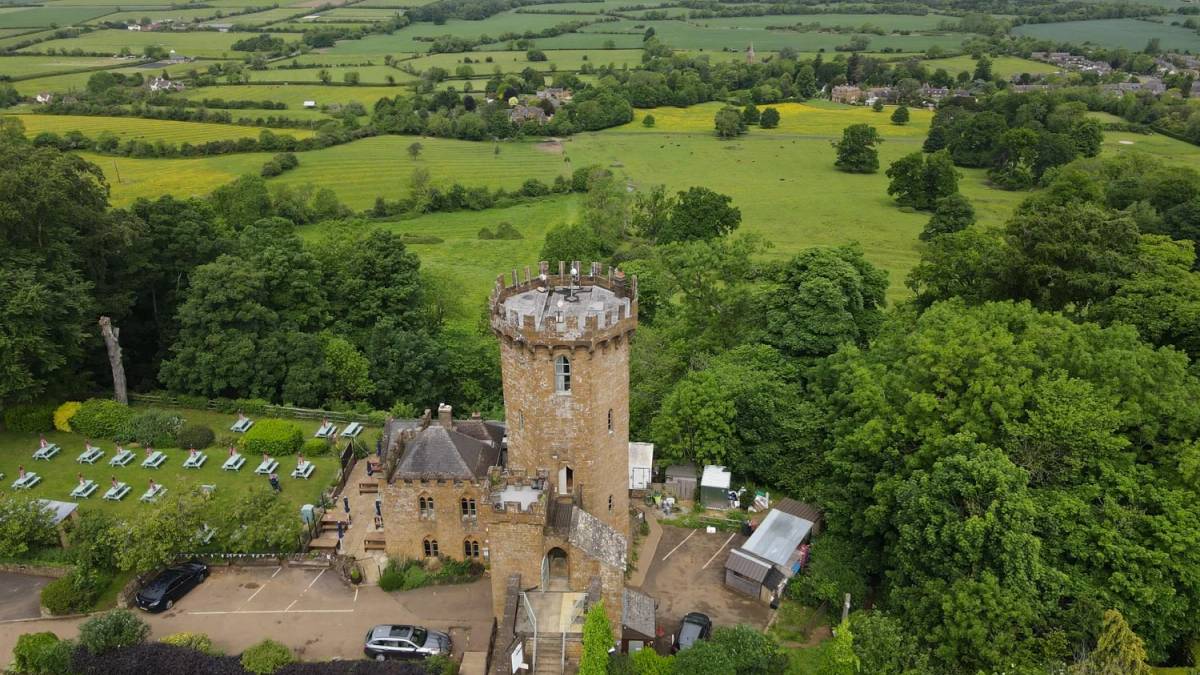
The Radway Tower: A Monument to the King
Visitors to the site today are often struck by the sight of the "Castle" perched on the very edge of the hill. While its gothic battlements and rugged stonework suggest a medieval origin, the structure was actually built exactly 100 years after the battle.
Now known as the Radway Tower or the Edgehill Country Pub, it was commissioned in 1742 by the local landowner and pioneer of the Gothic Revival, Sanderson Miller. He chose the site with precision. The tower was built as a "folly" to mark the exact spot where King Charles I is said to have stood as he raised the Royal Standard to signal the start of the conflict. From this height, the King would have had a clear view of the thousands of men clashing in the fields below.
The Legacy of the Site
Edge Hill remains one of the most atmospheric locations in the Banburyshire region. The combination of its steep, wooded slopes and the quiet, expansive fields below creates a sense of stillness that belies its violent past. Locals still whisper that on certain nights, particularly around the anniversary of the battle, the sounds of 17th-century warfare still echo across the escarpment.
Whether you believe in the phantom armies or simply the weight of historical memory, Edge Hill stands as a silent witness to a pivotal moment in British history.
Areas to explore
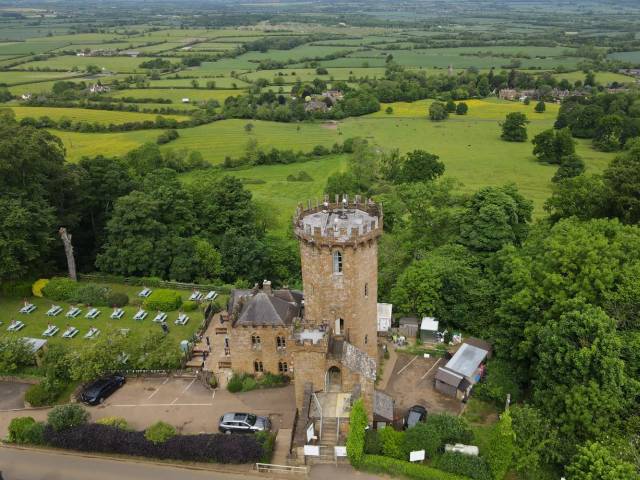
Sitting 700 feet above the Warwickshire plain, Edgehill offers a unique blend of Georgian architectural ambition and the somber echoes of the English Civil War.
More from Discover
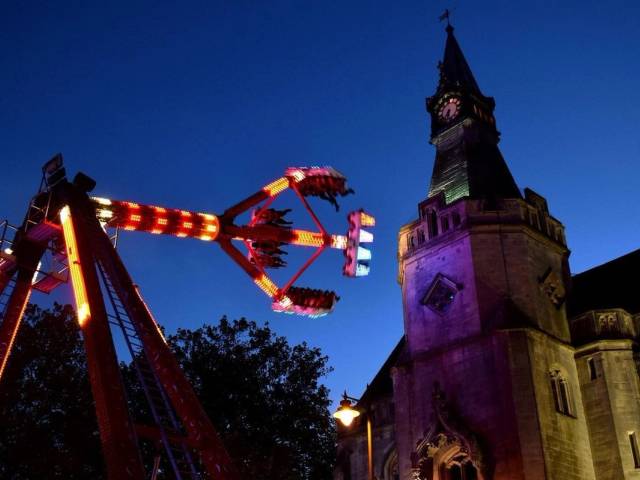
The History and Culture of Banbury Michaelmas Fair
Step back in time to discover the "Mop" traditions of Banbury. From medieval hiring fairs and the "hiring shilling" to the modern-day Golden Key ceremony, explore the deep-rooted culture of the Michaelmas Fair.
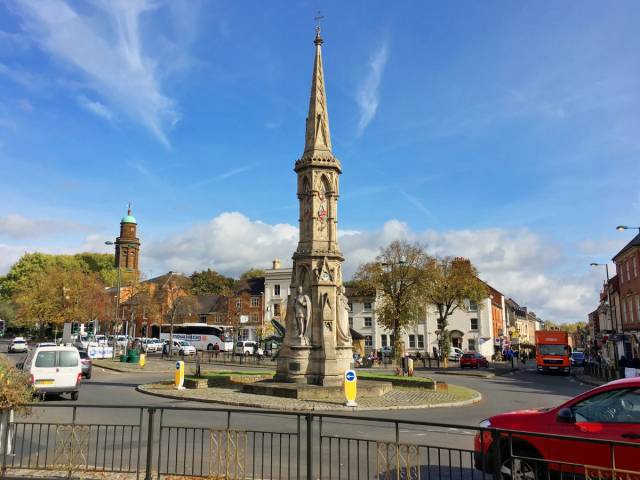
The Fascinating History of Banbury’s Four Crosses
Discover the true story behind the nursery rhyme. From the mysterious 'Fine Lady' on her white horse to the 1600s religious riot that levelled the town’s original monuments, Banbury Cross is more than just a landmark and it’s a tale of royal weddings, lost history, and Puritan rebellion.
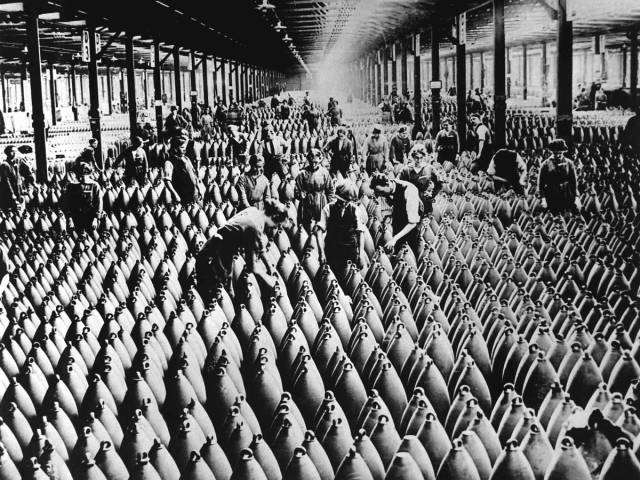
Banbury’s WWI Munitions Factory
Hidden beneath the fields of Grimsbury lies the skeletal remains of National Filling Factory No. 9, a site once so vital to the war effort that it became a target for the Luftwaffe. From the dangerous production of mustard gas to the story of the "Canary Babies" born with chemically tinted skin, this forgotten landmark tells a powerful story of Banbury’s frontline contribution to the World Wars.