The Fascinating History of Banbury’s Four Crosses
Discover the true story behind the nursery rhyme. From the mysterious 'Fine Lady' on her white horse to the 1600s religious riot that levelled the town’s original monuments, Banbury Cross is more than just a landmark and it’s a tale of royal weddings, lost history, and Puritan rebellion.
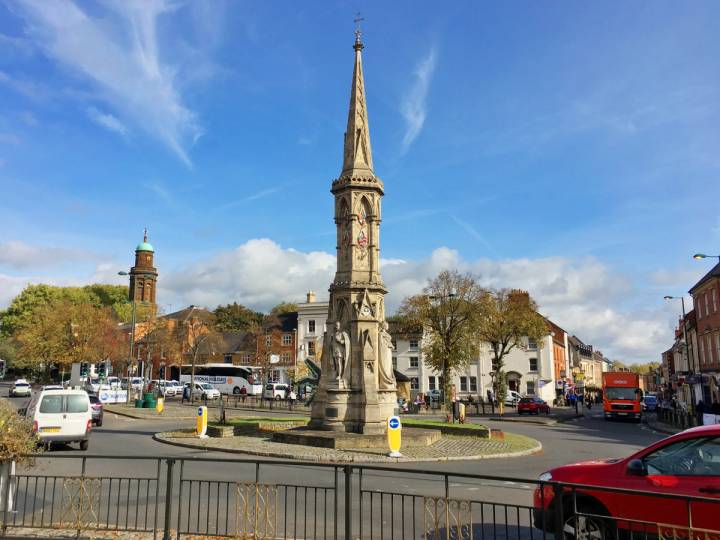
Banbury is recognized globally for the classic nursery rhyme Ride a Cock Horse, but the history behind the town’s famous landmark is far more complex than a simple childhood song. While a grand monument stands at the heart of the town today, it is actually the successor to several "lost" crosses that once defined Banbury’s landscape.
The Original Banbury Cross: A Center of Worship and Trade
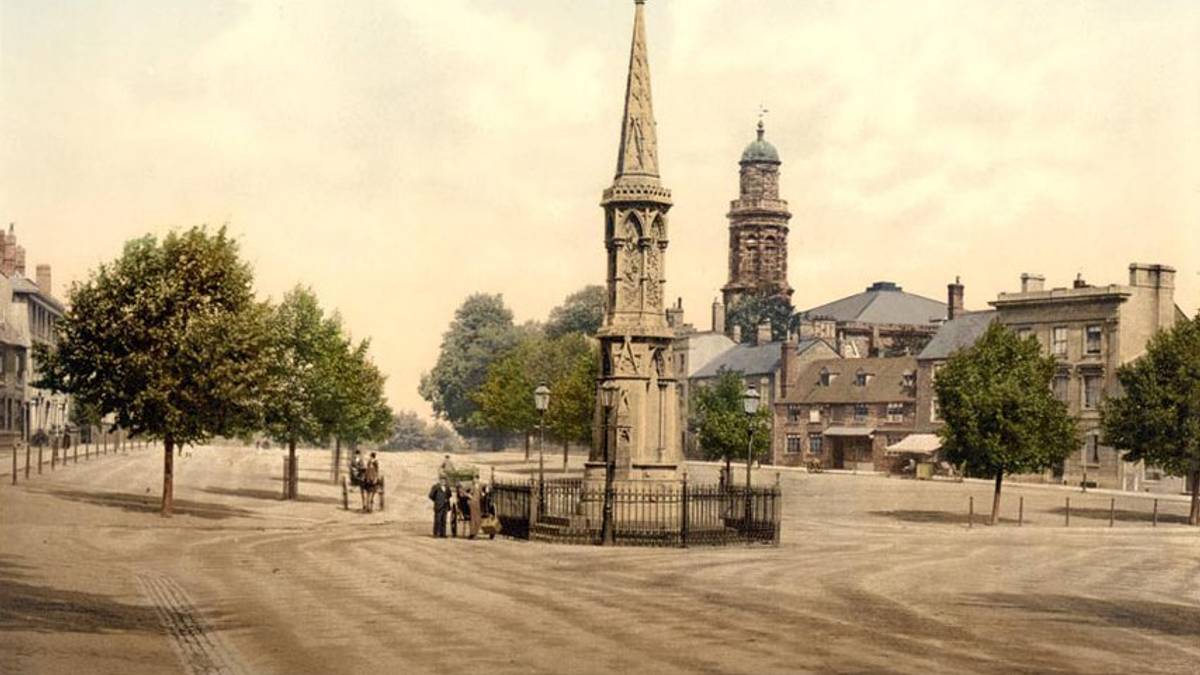
The "Banbury Cross" referenced in the original nursery rhyme was likely the High Cross (also known as the Market Cross). First mentioned in 1478, this 20-foot stone edifice stood in the Market Square outside the Corn Exchange.
Unlike the decorative monument we see today, the High Cross was a functional hub for public life. It featured a single stone column atop a flight of eight steps, serving as a primary site for public preaching and community gatherings.
The Mystery of the "Fine Lady" upon a White Horse
The world-famous rhyme has evolved over centuries, but its most common version remains:
Ride a cock horse to Banbury Cross, To see a fine lady upon a white horse; With rings on her fingers and bells on her toes, She shall have music wherever she goes.
Who was this mysterious "fine lady"? Historians have several compelling theories:
- Lady Godiva: Some believe it refers to the Countess of Mercia, famous for her legendary ride through nearby Coventry.
- Queen Elizabeth I: Others suggest the lady was the Queen herself, visiting the cross after its erection. The "bells on her toes" may reference a Plantagenet-era fashion of attaching small bells to the tips of shoes.
- Celia Fiennes: A local candidate is the sister of the 3rd Viscount Saye and Sele of nearby Broughton Castle, a noted traveler of the era.
1600: The Year the Crosses Fell
The High Cross met a violent end in July 1600. During a time of religious upheaval, local Puritans viewed the cross as a "pagan" idol. Led by two masons and a crowd of 40 partisans, the monument was hacked to pieces.
As it fell, a future bailiff named Henry Shewell famously shouted, "God be thanked, Dagon the deluder of the people is fallen down!" This referred to Dagon, a deity mentioned in the Bible whose statue collapsed before the Ark of the Covenant. Despite the Puritan claims of paganism, the cross was actually adorned with Christian imagery, including figures of Christ and the Madonna.
The Bread Cross and the White Cross
The High Cross wasn't the only casualty of the year 1600. Two other significant structures were destroyed during the same period:
- The Bread Cross: Located at the corner of High Street and Butchers Row, this was a large stone structure with a slate roof. It provided shelter for butchers and bakers and served as a site for distributing bread to the poor every Good Friday.
- The White Cross: Situated at the western boundary of the old town (now West Bar Street), this cross was first recorded in 1554. Very little is known about its appearance before it was pulled down.
The Modern Landmark: A Victorian Tribute
The Banbury Cross that visitors admire today was erected in 1859. Standing 52 feet high, it was built to commemorate the marriage of Queen Victoria’s eldest daughter, Princess Victoria.
The monument is rich with symbolism:
- Royal Statues: Figures of Queen Victoria, Edward VII, and George V were added in 1914.
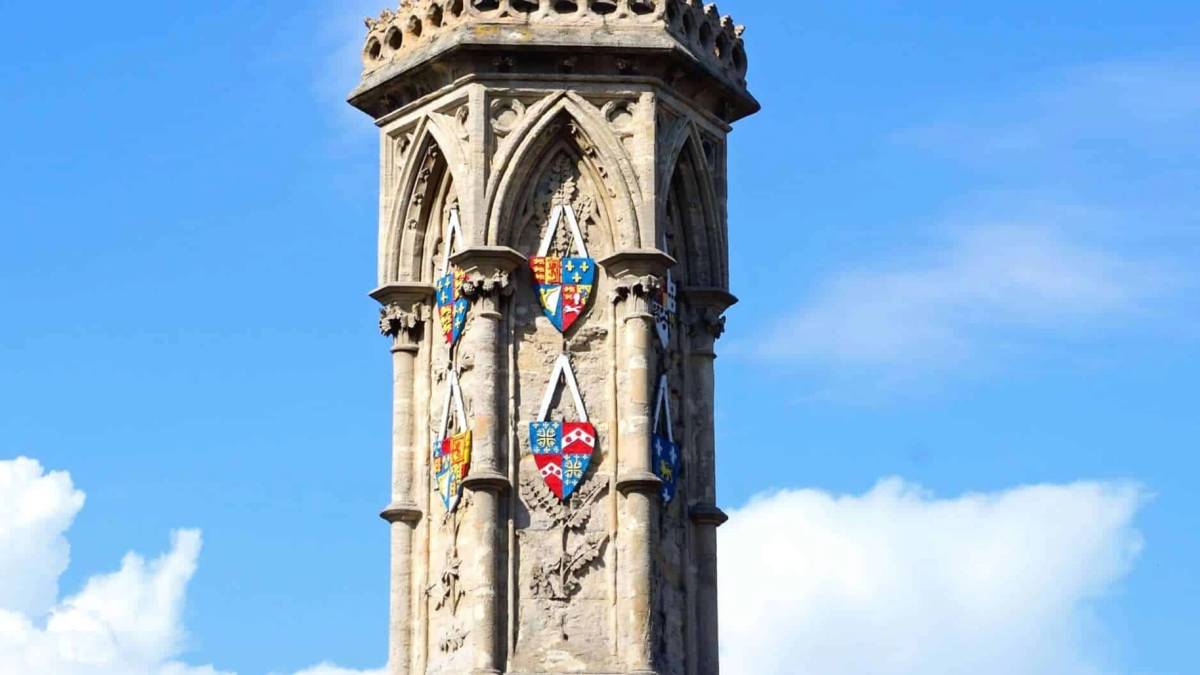
- Heraldry: The structure features the town’s coat of arms and its motto: Dominus nobis sol et scutum ("The Lord is our Sun and Shield").
- Local History: The upper section displays the coats of arms of prominent figures tied to Banbury’s long and storied past.
Places to visit
Banbury Cross
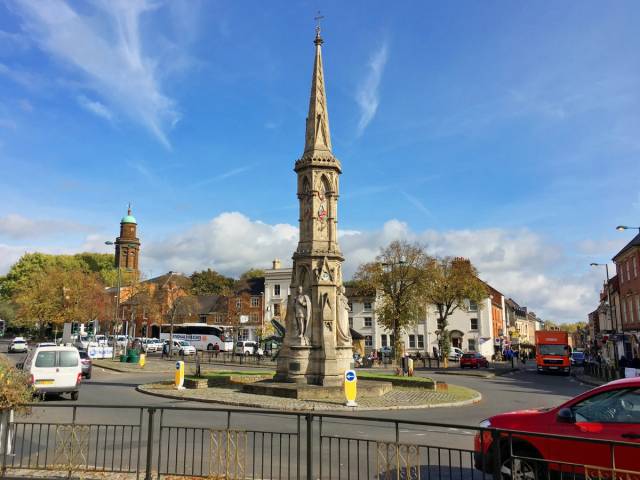
Iconic monument at the heart of Banbury, immortalized in nursery rhyme.
Areas to explore
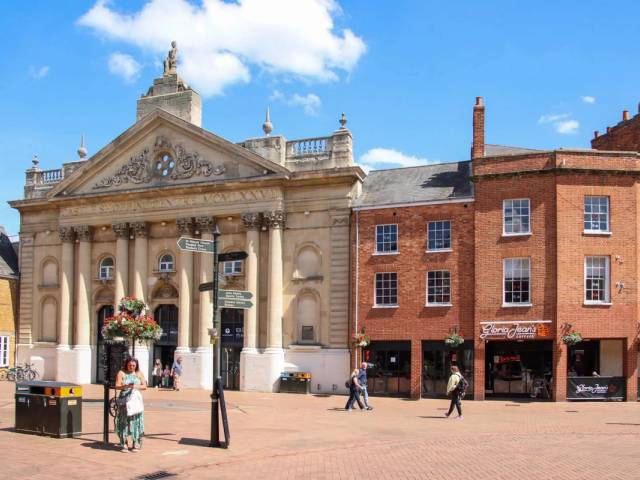
Historic market town in Oxfordshire, known for its cross and vibrant community.
More from Discover
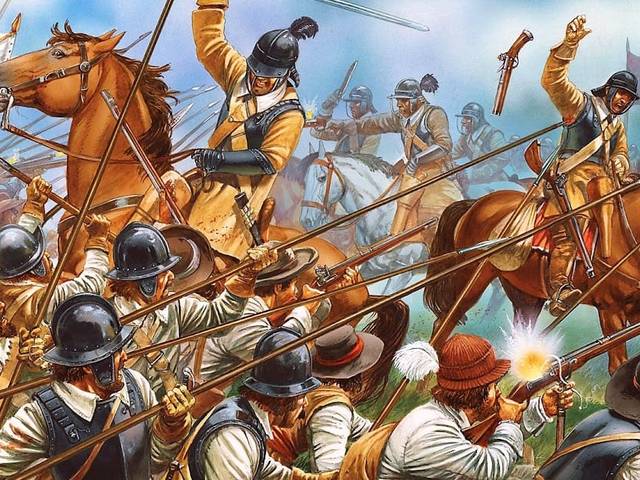
Edgehill, England’s Only ‘Officially’ Haunted Battlefield
In the winter of 1642, the villagers of Radway witnessed a supernatural phenomenon so terrifying it required a Royal Commission. Explore the deep history of Edge Hill, where the ghosts of the English Civil War were once recorded as a matter of state record.
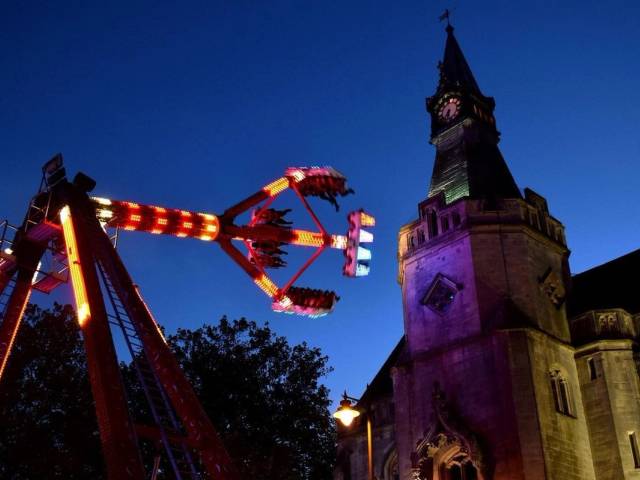
The History and Culture of Banbury Michaelmas Fair
Step back in time to discover the "Mop" traditions of Banbury. From medieval hiring fairs and the "hiring shilling" to the modern-day Golden Key ceremony, explore the deep-rooted culture of the Michaelmas Fair.

Banbury’s WWI Munitions Factory
Hidden beneath the fields of Grimsbury lies the skeletal remains of National Filling Factory No. 9, a site once so vital to the war effort that it became a target for the Luftwaffe. From the dangerous production of mustard gas to the story of the "Canary Babies" born with chemically tinted skin, this forgotten landmark tells a powerful story of Banbury’s frontline contribution to the World Wars.