The History and Culture of Banbury Michaelmas Fair
Step back in time to discover the "Mop" traditions of Banbury. From medieval hiring fairs and the "hiring shilling" to the modern-day Golden Key ceremony, explore the deep-rooted culture of the Michaelmas Fair.
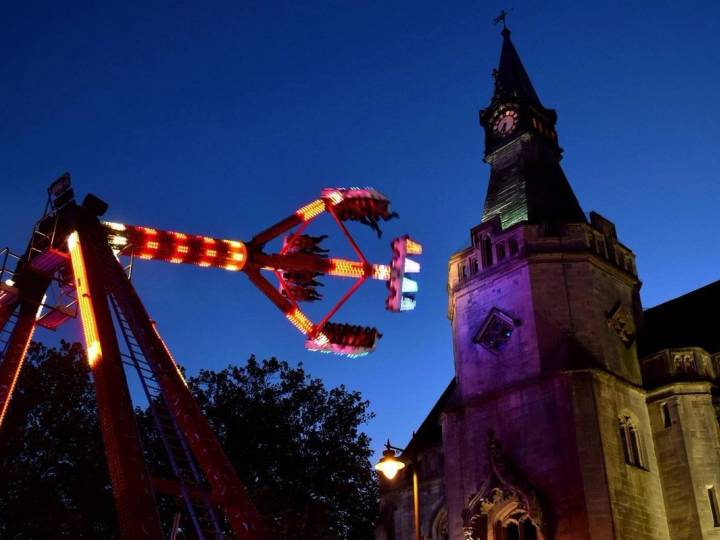
For over 600 years, the arrival of the Michaelmas Fair in mid-October has signalled the start of autumn for Banbury. While today it is a whirlwind of modern engineering and loud music, its roots lie in a far more practical medieval tradition.
How 14th Century Hiring Fairs Became Today’s Carnival
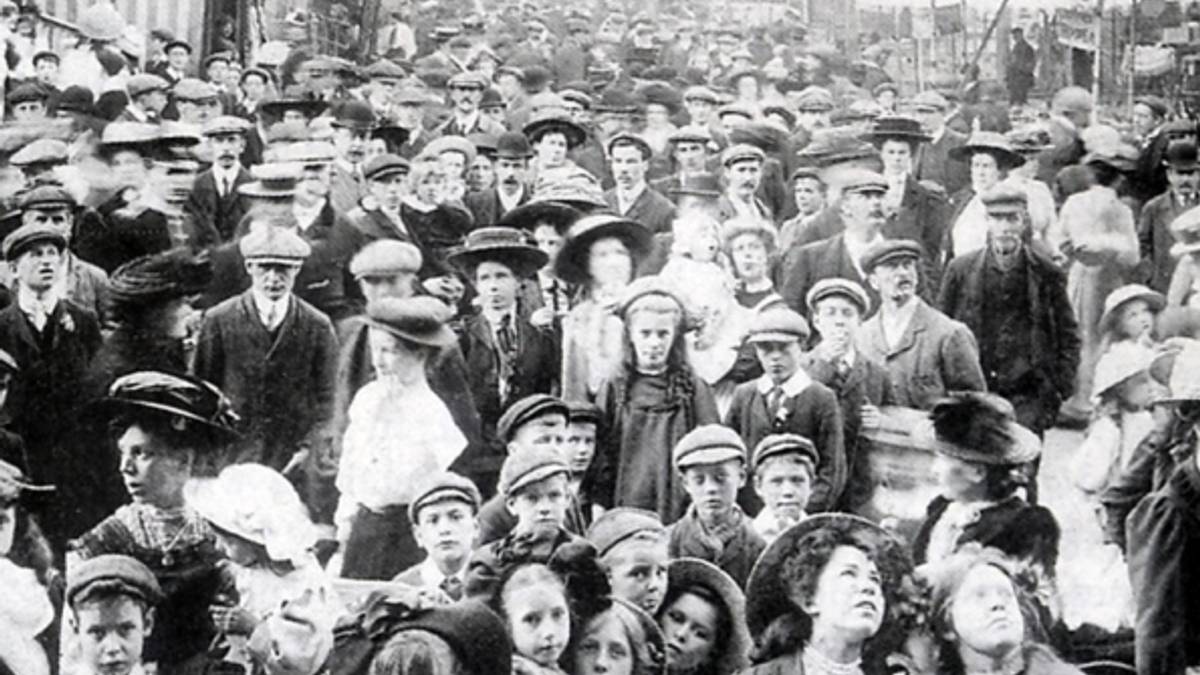
Long before the advent of online job boards, the Banbury Michaelmas Fair was a "Hiring Fair" or "Mop Fair." Dating back to the 14th century following the Black Death, these fairs were essential for the local economy.
Agricultural workers, domestic servants, and craftsmen would flock to the town centre from across the region to find work for the coming year (traditionally running from October to October).
The Symbols of the Trade
The "culture" of the fair was visible in the clothing of those seeking work. To help prospective employers identify their skills, labourers would carry or wear the tools of their trade:
- Shepherds carried a crook or a tuft of wool.
- Dairymaids brought a milking stool or pail.
- Housemaids carried a small mop which became the origin of the term "Mop Fair."
Once a worker was hired, they were given a "hiring shilling" (or fasten-penny) to seal the contract. To celebrate their new employment, they would pin bright ribbons to their lapels and head into the fair to spend their shilling on ale, games, and entertainment.
A Royal Charter and the 'Old Michaelmas' Mystery
The fair’s timing isn't accidental. It is held by royal charter, traditionally opening on the first Wednesday after "Old Michaelmas Day" (October 10th).
Why "Old" Michaelmas? When Britain switched to the Gregorian calendar in 1752, eleven days were "lost." The people of Banbury, however, stuck to their traditions, moving the fair to match the original seasonal date. This history is still honoured today during the opening ceremony, where the Golden Key is handed from the Wilson family to the Town Mayor.
The Wilson Family, the Custodians of the Fair
The culture of the Banbury Fair is inextricably linked to the Wilson family, one of Britain's oldest and most prestigious fairground dynasties. For generations, the Wilsons have organised the event, bringing a sense of continuity that is rare in modern entertainment.
If you look closely at the "Galloping Horses" (the vintage carousel), you’ll see the ornate, hand-painted lettering that bears the family name. The Wilsons are part of the Showmen’s Guild, a tight-knit community with its own distinct language and customs, often referred to as "Showland" culture.
The Evolution of the Thrill
The fair has survived two World Wars, economic shifts, and the transition from steam to electricity. In the 19th century, "pleasure" began to overtake "business." The fair was famous for its:
- Menageries: Wombwell’s Traveling Menagerie was a frequent visitor, bringing lions and exotic animals to the streets of Banbury.
- Boxing Booths: Where local men would test their mettle against traveling professionals.
- Peep Shows & Freak Shows: Early forms of "visual thrills" that have since evolved into the immersive "Fun Houses" and "Mirror Mazes" of today.
The Fair Today: A Town Transformed
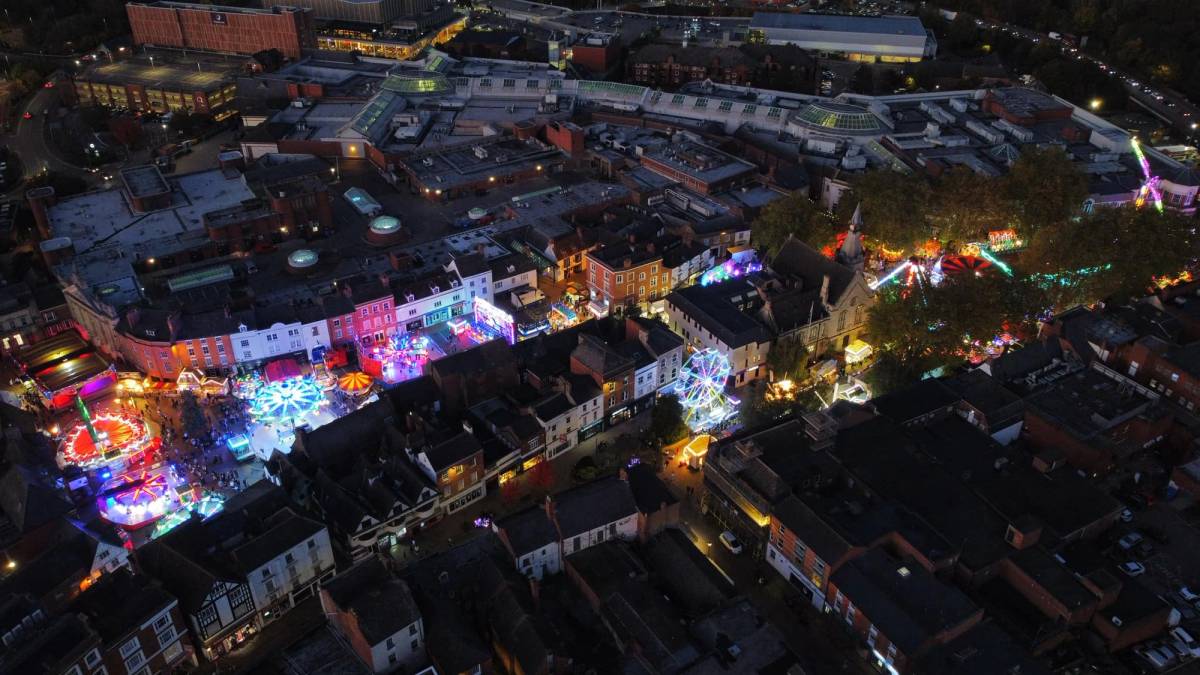
While the fair was once confined to Market Place and Bridge Street, it has historically sprawled across the town, occupying sites throughout the town centre. Today, it remains one of the largest street fairs in the UK, transforming the historic town centre into a three-day (and recently four-day) carnival.
From the traditional "Hook-a-Duck" and Coconut Shies to the hair-raising "Mission Space" and "The King," the fair bridges the gap between Banbury’s medieval past and its vibrant present.
Watch: Banbury Fair in the 1960s
To see how much (and how little) has changed, take a look at this archival footage captured by the late Frank Wells. It shows the incredible logistical feat of erecting the fair in the 1960s—a time when steam and diesel still ruled the roost.
Areas to explore
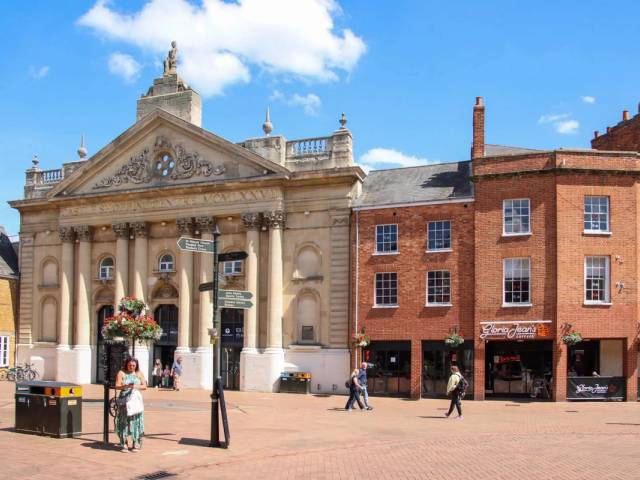
Historic market town in Oxfordshire, known for its cross and vibrant community.
More from Discover
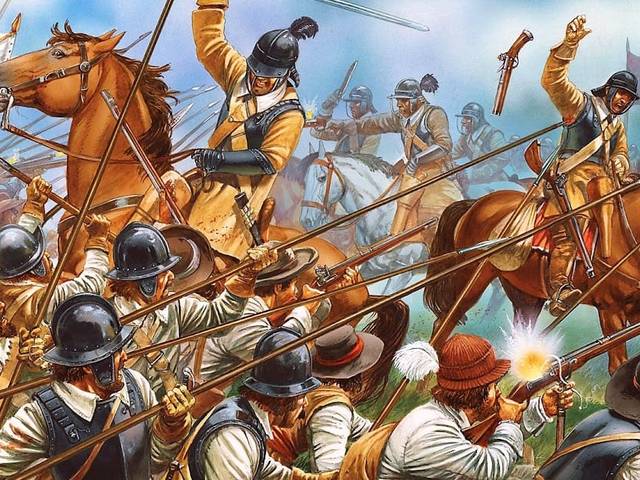
Edgehill, England’s Only ‘Officially’ Haunted Battlefield
In the winter of 1642, the villagers of Radway witnessed a supernatural phenomenon so terrifying it required a Royal Commission. Explore the deep history of Edge Hill, where the ghosts of the English Civil War were once recorded as a matter of state record.
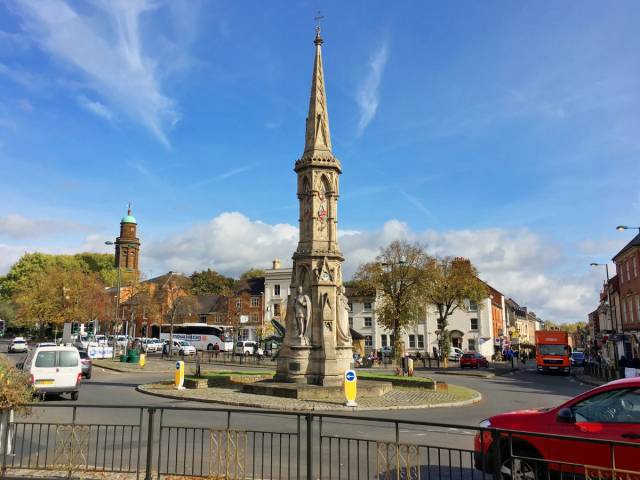
The Fascinating History of Banbury’s Four Crosses
Discover the true story behind the nursery rhyme. From the mysterious 'Fine Lady' on her white horse to the 1600s religious riot that levelled the town’s original monuments, Banbury Cross is more than just a landmark and it’s a tale of royal weddings, lost history, and Puritan rebellion.
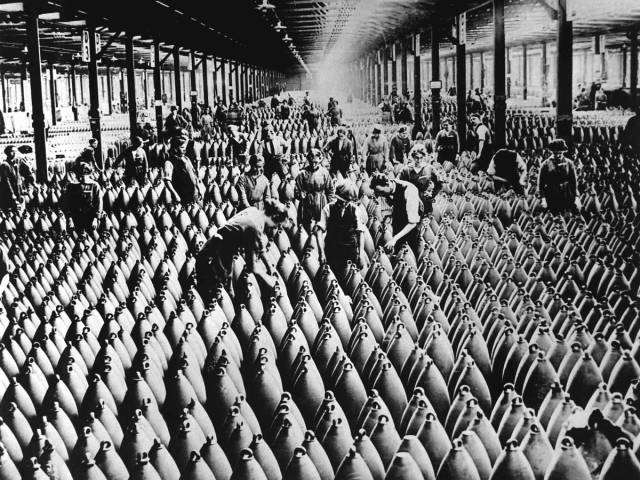
Banbury’s WWI Munitions Factory
Hidden beneath the fields of Grimsbury lies the skeletal remains of National Filling Factory No. 9, a site once so vital to the war effort that it became a target for the Luftwaffe. From the dangerous production of mustard gas to the story of the "Canary Babies" born with chemically tinted skin, this forgotten landmark tells a powerful story of Banbury’s frontline contribution to the World Wars.