
A Jacobean Masterpiece on Ancient Foundations
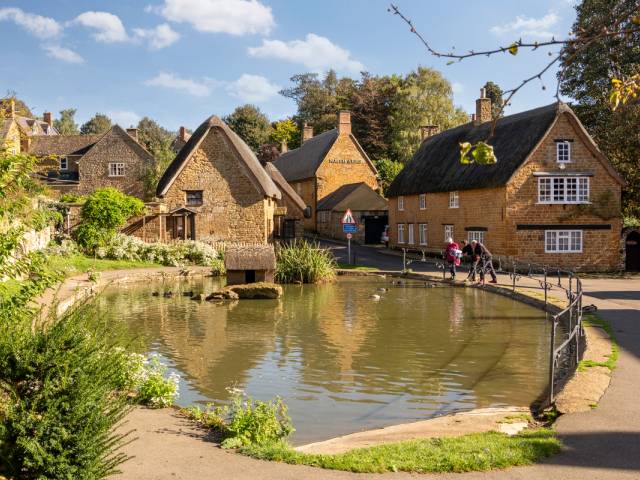
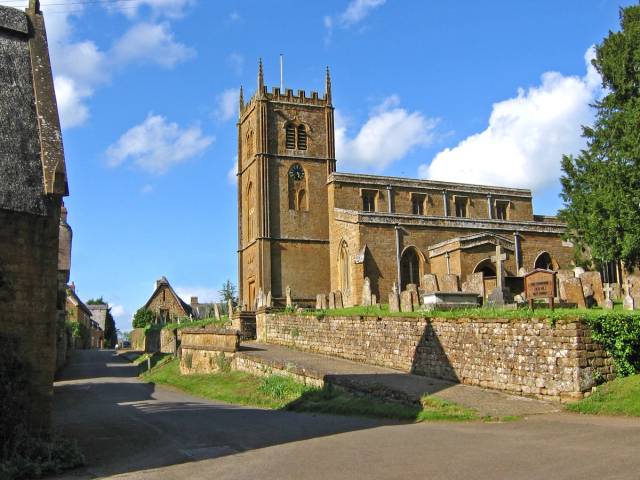
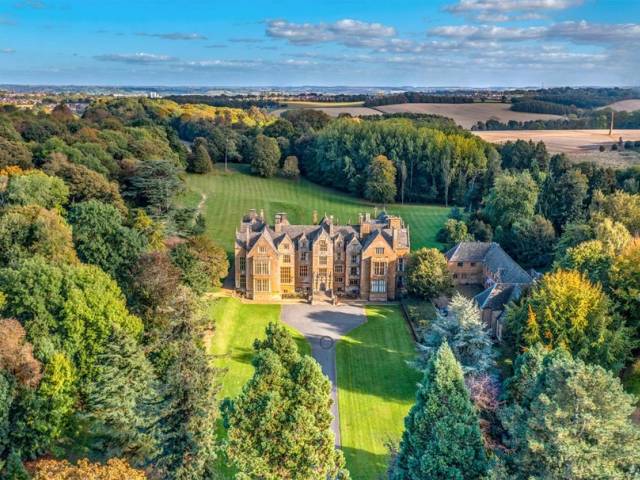
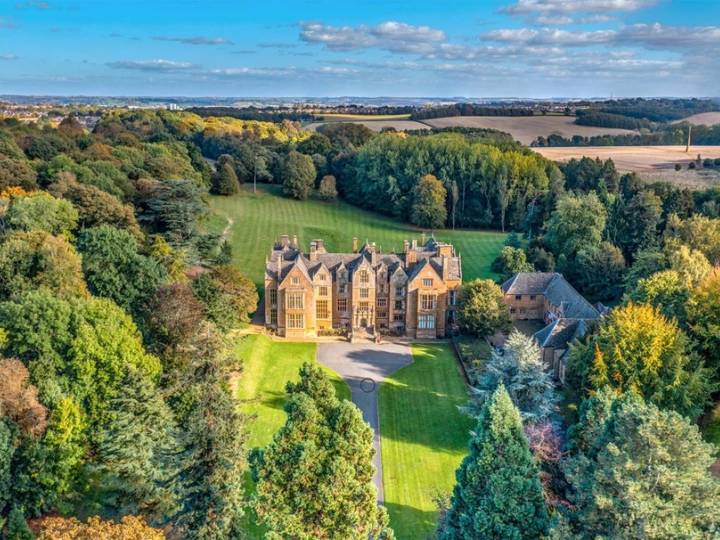
Wroxton Abbey stands as one of the most architecturally significant and historically layered estates in the region, located just west of Banbury. While the current structure is a premier example of Jacobean architecture, its foundations date back to the 13th century when it was established as an Augustinian priory. Following the Dissolution of the Monasteries, the site was transformed into a grand private residence, eventually becoming the ancestral seat of the North family, including Frederick, Lord North, who served as Prime Minister during the American War of Independence. The house is constructed from the signature local ironstone, which gives the sprawling facade a warm, golden glow that harmonises perfectly with the surrounding landscape. Its intricate gables, large mullioned windows, and decorative stone carvings represent the height of 17th century status and architectural ambition.
The interior of the Abbey is a testament to the wealth and cultural influence of its former inhabitants, featuring grand halls, ornate plasterwork ceilings, and a vast collection of historical portraits and furniture. Since the mid 20th century, the estate has served as the British campus for Fairleigh Dickinson University, ensuring that the historic fabric of the building is meticulously maintained and remains a vibrant centre for international education. This transition from a private power house to a place of learning has preserved the character of the rooms, allowing the history of the North family and their royal visitors to remain a tangible part of the atmosphere. The Abbey is not merely a static monument but a living institution that continues to bridge the gap between the heritage of North Oxfordshire and a global academic community.
The Historic Gardens and Parkland
The grounds surrounding Wroxton Abbey are as significant as the house itself, representing a rare survival of mid 18th century landscape design. The gardens were largely shaped by the renowned local architect and landscaper Sanderson Miller, who worked closely with the North family to create a "picturesque" environment that was celebrated across the country. The landscape features a series of cascading ponds, a large serpentine lake, and a hidden waterfall that provides a tranquil soundtrack to the wooded walks. These water features were designed to surprise and delight guests as they navigated the estate, offering a curated version of nature that was highly fashionable during the Georgian era. The meticulously kept lawns and formal parterres near the house provide a structured contrast to the more rugged and romantic character of the outer parkland.
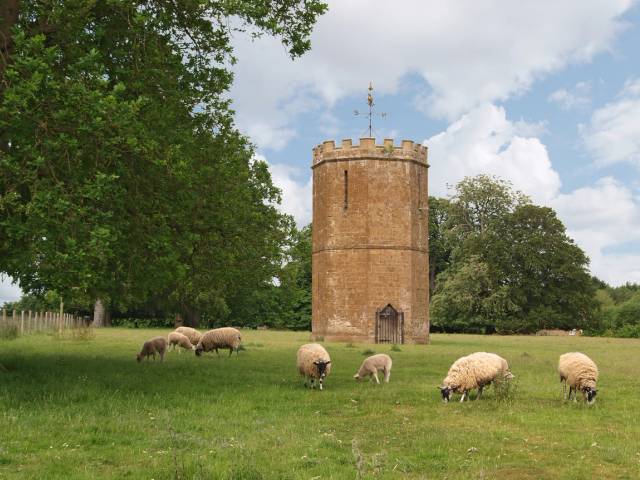
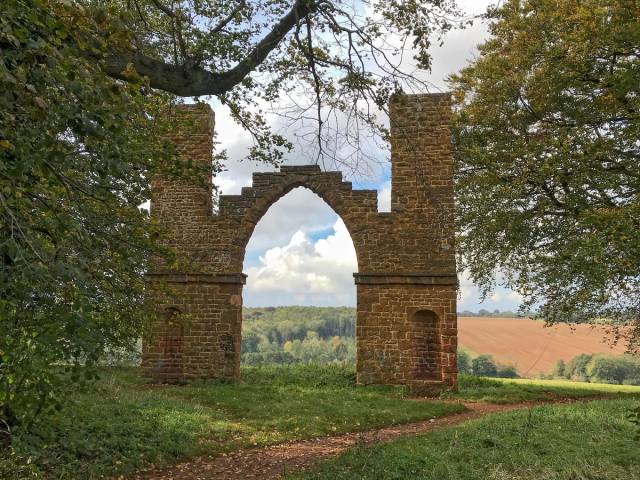
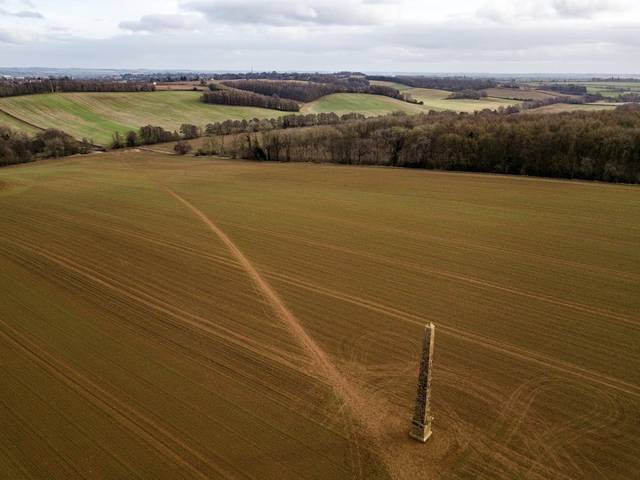
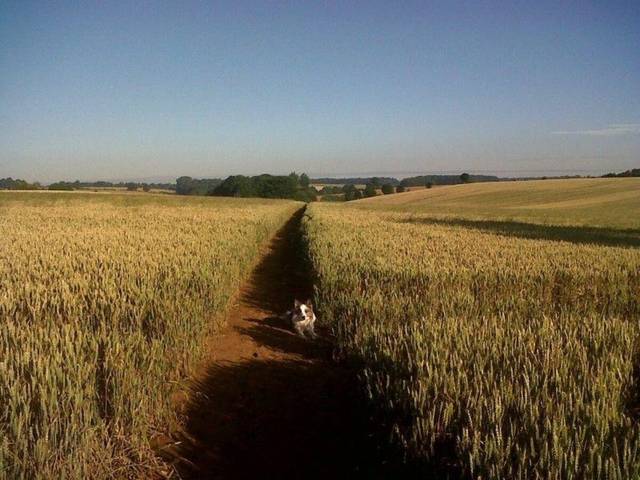
Scattered throughout the estate are the various follies and monuments that acted as "eyecatchers" for the Abbey’s residents, including the nearby Drayton Arch and the Wroxton Obelisk. These structures were placed with mathematical precision to draw the eye toward the horizon, creating a sense of infinite scale and historical depth. Today, the parkland remains a favoured destination for those who appreciate the intersection of horticultural history and natural beauty, with public footpaths offering access to the wider estate. The presence of rare trees and established wildlife habitats ensures that the grounds are a haven for biodiversity as much as they are a landmark of garden design. Whether you are exploring the formal terraces or walking the long trails toward the village, Wroxton Abbey provides a world class example of the English country house tradition.