
A Jacobean Functional Masterpiece
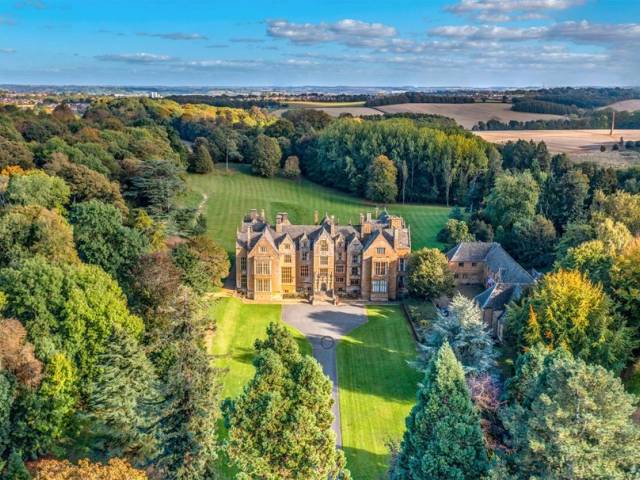
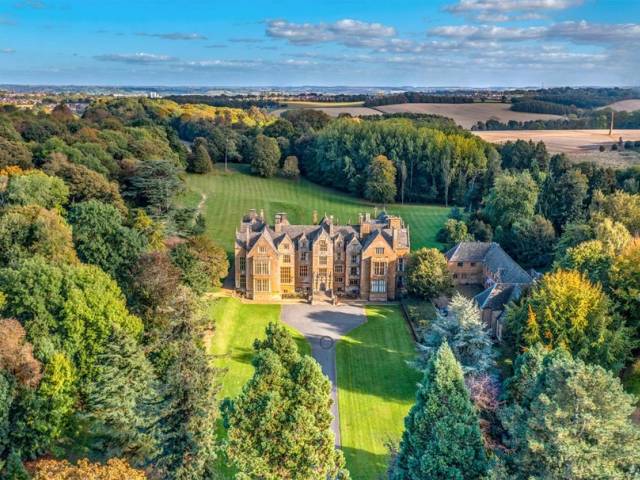
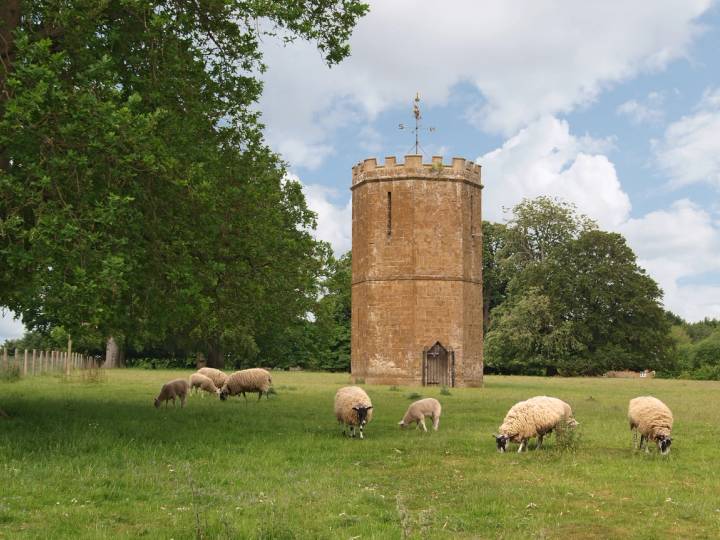
The Wroxton Dovecote stands as one of the most distinctive and well preserved examples of specialised estate architecture in North Oxfordshire. Situated on the edge of the Wroxton Abbey parkland, this Grade II listed structure is an essential component of the regional heritage. It dates back to the early 17th century, likely commissioned during the same period of Jacobean ambition that saw the extensive reconstruction of the main Abbey house.
Historical provenance and the North family
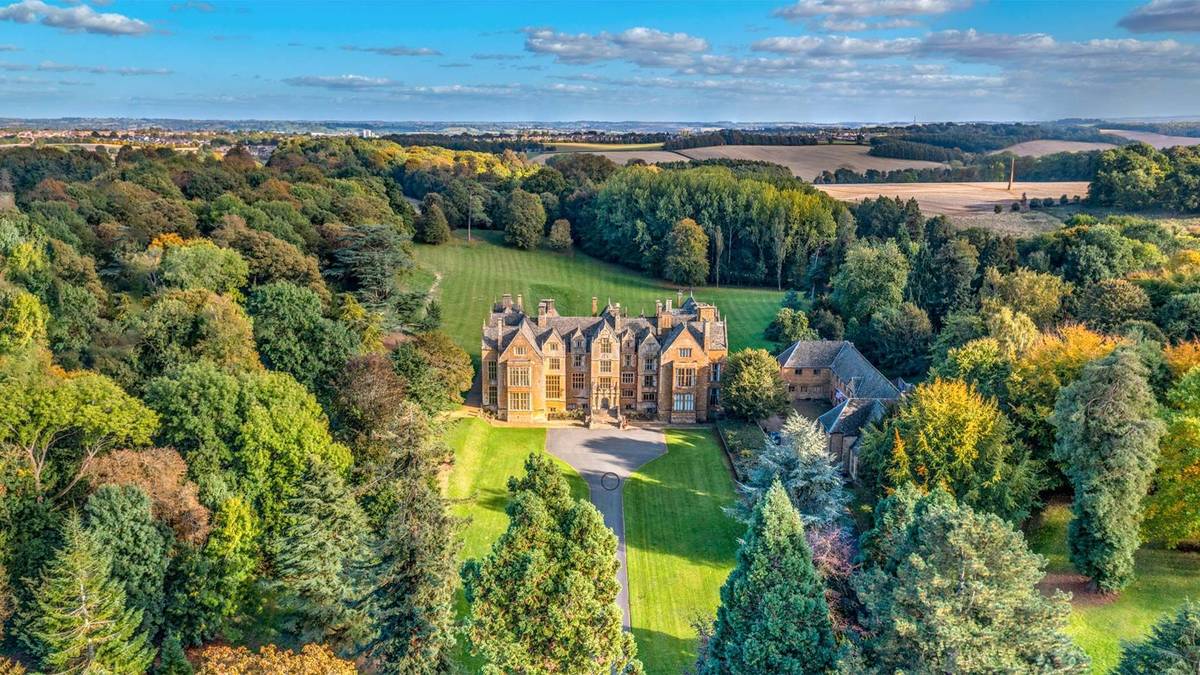
The history of the dovecote is inextricably linked to the North family, who held the Earldom of Guilford and resided at Wroxton Abbey for nearly three centuries. The structure was not a mere afterthought but a high status addition to the manorial infrastructure. During the 1600s, the right to own a dovecote was a strictly regulated manorial privilege. Only the lord of the manor was permitted to keep these birds, making the building a visible symbol of local authority and land ownership.
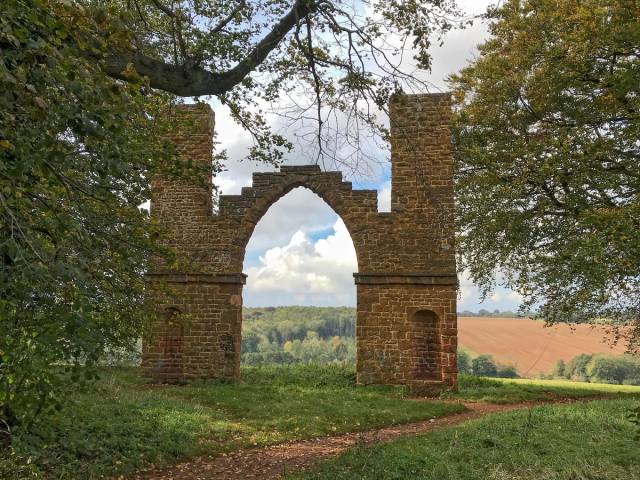
While many dovecotes from the Jacobean era were later replaced by more ornamental "follies" in the 18th century, the Wroxton example retained its robust, early 17th century character. It serves as a physical record of the transition between the late Tudor practicalities and the emerging architectural symmetries of the Stuart period.
Architecture and traditional craftsmanship
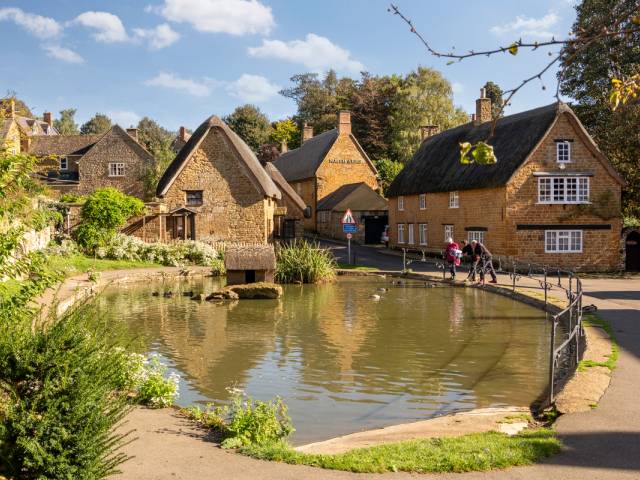
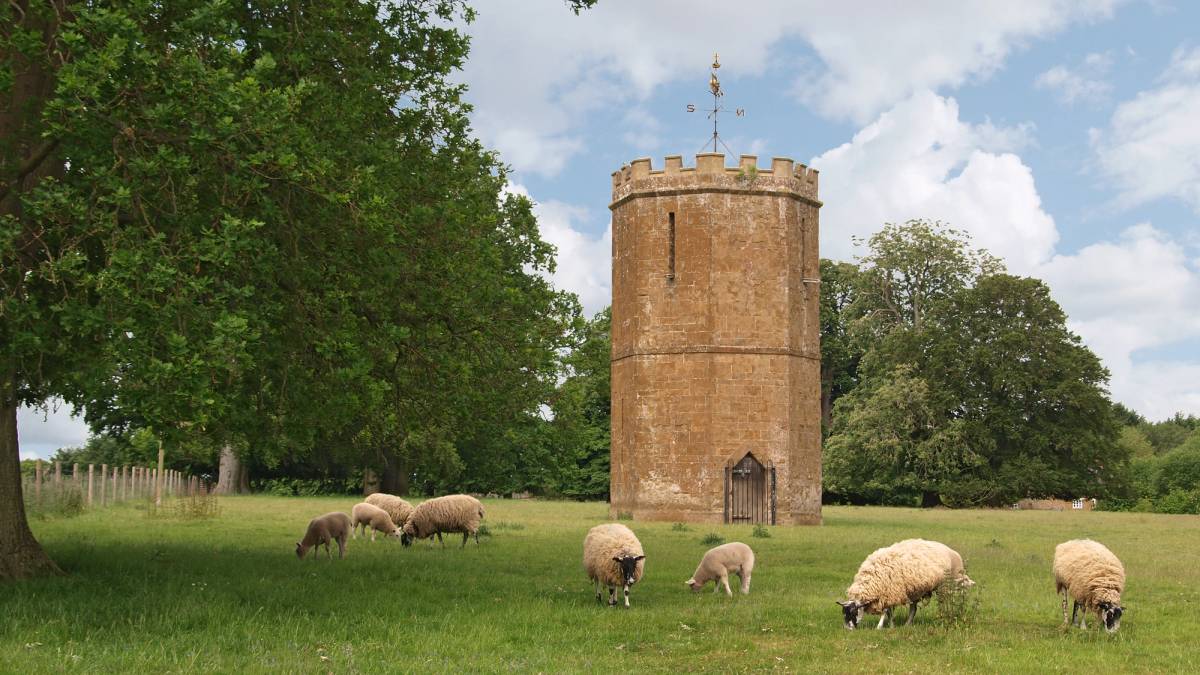
Constructed from the signature local ironstone, the building is notable for its elegant octagonal design. The use of this ferruginous limestone, quarried from the nearby Edgehill ridge, ensures the dovecote blends seamlessly with the vernacular architecture of the village.
The craftsmanship reflects the wealth the North family applied to every corner of their estate. The exterior stonework is robust, featuring simple mouldings and a heavy plank door that has survived for centuries. While today the dovecote serves as a picturesque landmark for those walking the local heritage trails, its original purpose was strictly functional. In an era before modern refrigeration, it provided a consistent source of fresh meat and eggs for the Abbey inhabitants throughout the winter months.
Interior engineering and agricultural management
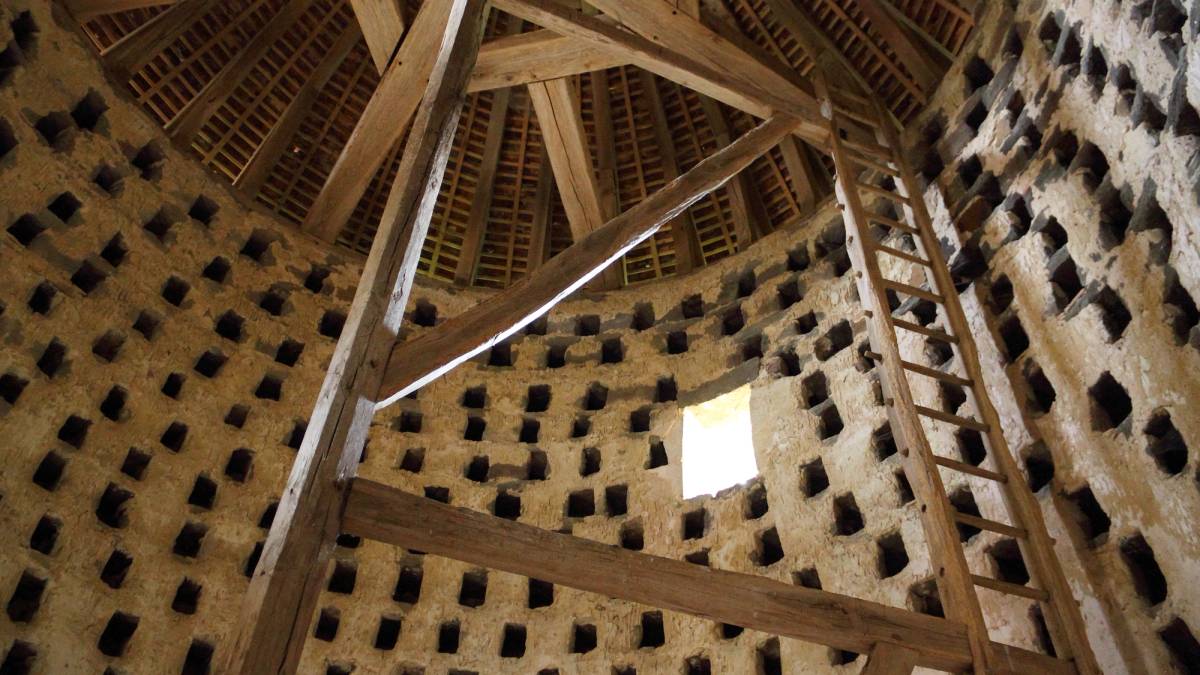
Inside, the walls are lined with hundreds of individual nesting boxes or "pigeon holes," meticulously carved directly into the thick ironstone masonry. This interior engineering demonstrates the sophisticated agricultural management required to sustain a grand country house during the 1600s. The thermal mass of the ironstone helped regulate the internal temperature, protecting the livestock from the extremes of the Oxfordshire climate.
Pigeons were also valued for their secondary products. Their feathers were used for bedding, and their droppings, known as "pigeon dung," were a highly prized, nitrogen rich fertiliser for the Abbey’s formal gardens and orchards. This created a closed loop system of self sufficiency that was the hallmark of a successful landed estate.
Preservation and local legacy
The Wroxton Dovecote remains a rare survival of a building type that was once common on large estates but often fell into ruin as farming practices evolved. By the 19th century, the advent of new agricultural methods and improved food transport made the maintenance of large pigeon colonies obsolete.
Its preservation offers a unique window into the daily operations and self sufficiency of a 17th century manor. Under the care of the National Trust, the dovecote continues to stand as a testament to the intersection of Jacobean utility and the architectural identity of the Banbury region. For those exploring the Wroxton Abbey parkland, it remains a vital link to the historic social and economic hierarchy of North Oxfordshire.