
A Gothic Masterpiece by Sanderson Miller
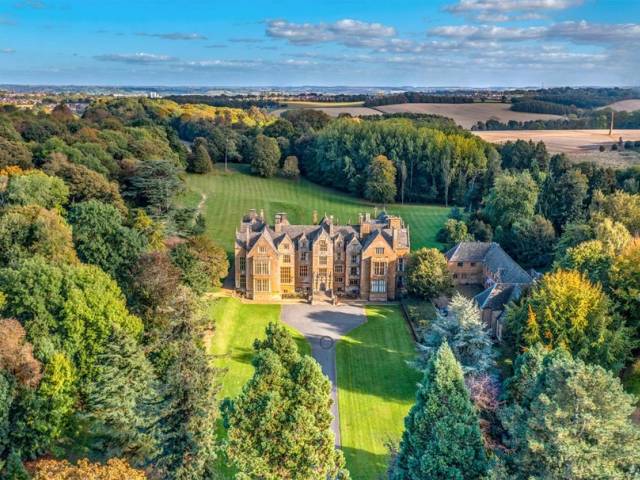
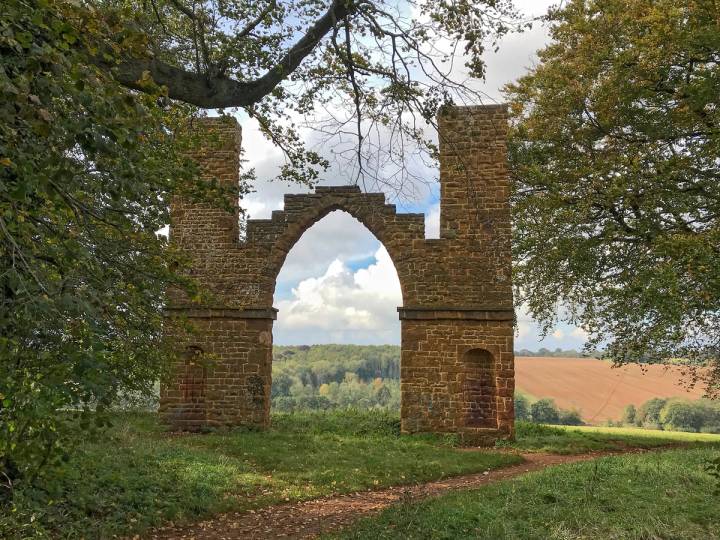
Drayton Arch stands as one of the most intriguing and visually arresting historical monuments on the outskirts of Banbury. Located just off the Stratford Road, this Grade II* listed structure is a premier example of an 18th century folly, or "eyecatcher," designed specifically to enhance the landscape of a grand country estate. It was created around 1750 by the celebrated gentleman architect Sanderson Miller, who was a pioneer of the Gothic Revival style and a local figure of significant architectural influence. Miller’s work was intended to provide a dramatic focal point for the views from Wroxton Abbey, the ancestral home of the North family. The arch serves no practical defensive purpose but was built to evoke the romance and mystery of a ruined medieval fortress, perfectly capturing the mid-Georgian fascination with the "picturesque" landscape.
The architecture of the arch is defined by its two narrow, round turrets which are connected by a tall, pointed central archway. Constructed from squared, coursed ironstone; the monument features deliberate "ruined" details, including loop windows and an embattled parapet that give it an air of ancient decay. Despite its relatively small scale compared to a functional castle, the structure’s placement on a ridge ensures it has a commanding presence over the surrounding undulating fields and valleys. It remains a rare survival of Miller’s landscape work and is highly regarded by architectural historians for its early and sophisticated use of Gothic motifs. For those exploring the rural fringes of Banbury, the arch provides a sudden and evocative encounter with the artistic ambitions of the 1700s.
Exploring the Estate Landscape
While Drayton Arch is now separated from the core of the Wroxton Abbey grounds by modern land boundaries, it remains fundamentally linked to the cultural and horticultural history of the estate. During the 18th century, the North family invested heavily in transforming their estate into a landscape of global significance, and the arch was a key component of this vision. It was designed to be viewed from a distance, appearing as a romantic silhouette against the skyline, inviting guests to wonder about the history of the land. This tradition of creating "eyecatchers" was a hallmark of English landscape gardening, where the boundary between nature and artifice was intentionally blurred to create a sense of wonder.
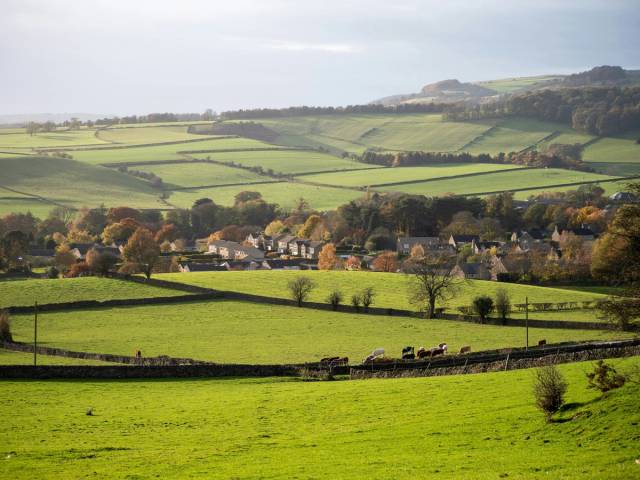
Today, the arch is accessible via local public footpaths that cross the ironstone downs, offering a rewarding destination for walkers and local history enthusiasts. The surrounding countryside is characterised by timbered hedges and rolling valleys, providing a quintessential Oxfordshire backdrop to the golden stone of the folly. Visiting the site offers a unique opportunity to see Sanderson Miller’s work in its original context, where the play of light on the weathered ironstone continues to create the dramatic effect he intended over two centuries ago. It serves as a quiet reminder of Banbury’s connection to the great architectural movements of the past and remains one of the most distinctive landmarks for those who appreciate the "weird" and wonderful history of the British landscape.