
An Elegant Landmark in the Countryside
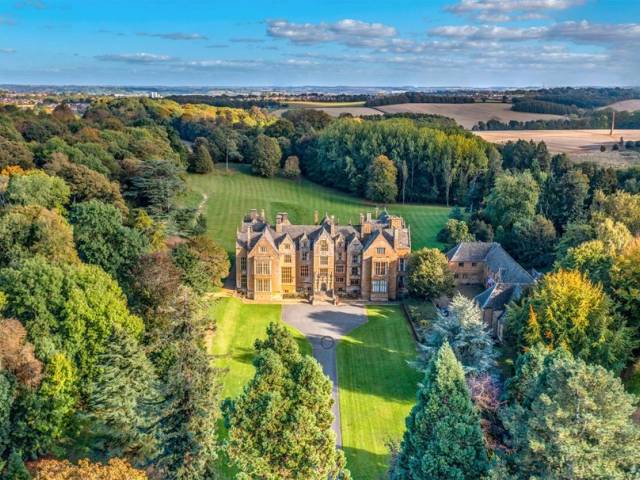
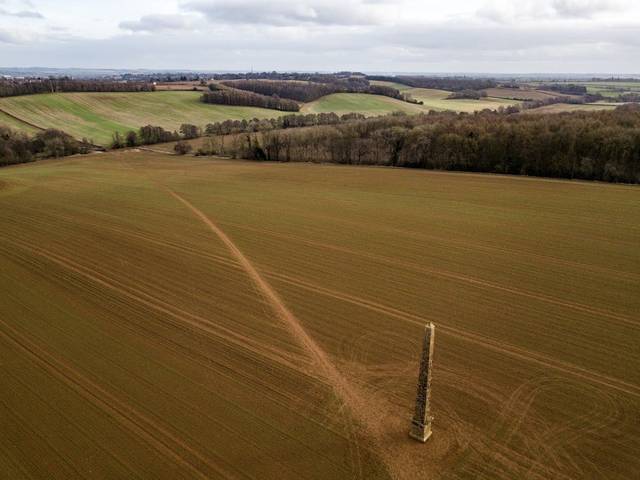
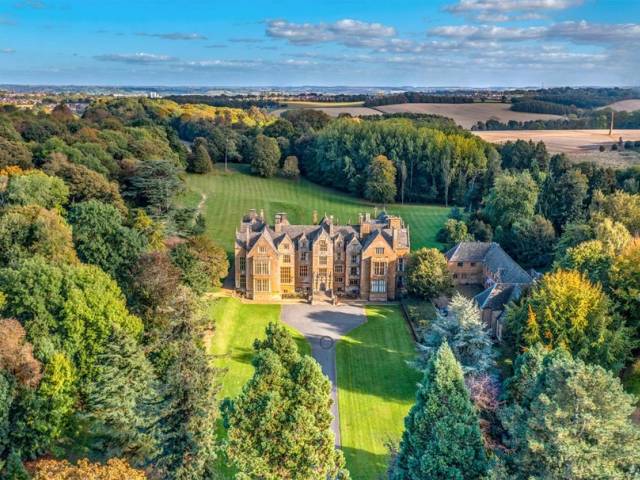
The Wroxton Obelisk stands as one of the most prominent historic markers in the landscape surrounding the village of Wroxton. Erected during the 18th century, this towering stone monument was designed to serve as a dramatic focal point within the expansive parklands of Wroxton Abbey. During this period of landscape design, it was fashionable for wealthy estate owners to commission classical monuments that could be seen for miles across the surrounding countryside. The obelisk was intended to add a sense of grandeur and antiquity to the estate, reflecting the refined taste and cultural aspirations of the North family who resided at the abbey. Constructed with precise masonry, the structure rises sharply against the horizon, providing a stark contrast to the organic shapes of the surrounding ironstone downs and ancient woodland.
The monument represents the height of Georgian landscape artistry, where the boundary between the natural environment and man-made structures was carefully curated to create breathtaking views. Positioned to draw the eye from the main house and its surrounding gardens, the obelisk was a vital component of the "picturesque" vistas that made Wroxton Abbey one of the most celebrated estates in the region. Its slender profile and balanced proportions demonstrate the architectural confidence of the time, acting as a beacon of order within the rolling agricultural land. Even today, the obelisk remains a point of orientation for those walking the many public footpaths that weave through the parish, offering a tangible link to the centuries of history that have shaped the development of the local area.
Heritage and Landscape Significance
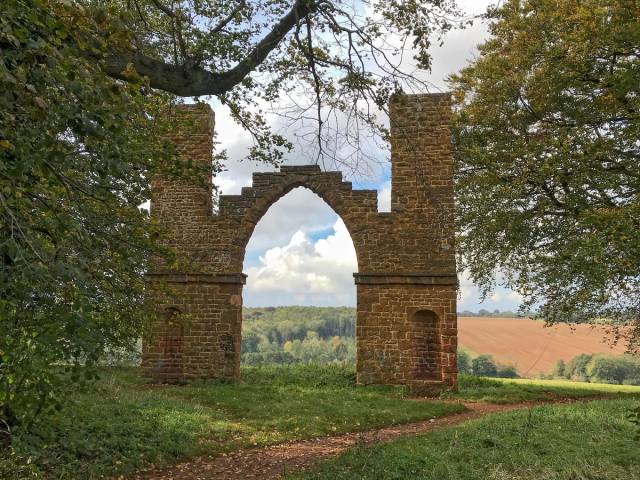
The presence of the obelisk in Wroxton is a testament to the enduring influence of the North family, whose patronage helped define the cultural identity of North Oxfordshire for generations. Throughout the 1700s, the estate underwent numerous transformations, with the obelisk serving as a permanent anchor in an ever evolving garden design. Unlike the nearby Drayton Arch, which focused on the Gothic Revival style, the obelisk draws on classical Egyptian and Roman precedents, showcasing the eclectic and ambitious nature of Georgian garden architecture. It is an architectural "eyecatcher" that has survived the transition of the estate from a private residence to an international educational centre, continuing to stand guard over the tranquil parkland that surrounds the village.
Visiting the site provides a unique opportunity to appreciate the scale and ambition of 18th century estate planning. The obelisk is best viewed from the quiet lanes and footpaths that traverse the parkland, where the interplay of light and shadow on the stone creates a timeless aesthetic. It remains a cherished feature for the local community and visitors alike, representing the layers of history that make the area around Banbury so uniquely rich in architectural curiosity. As you explore the fields and woodlands of Wroxton, the sight of the obelisk provides a moment of reflection on the changing face of the British landscape, standing as a silent witness to the centuries of tradition, trade, and social life that have defined this corner of the county.