
A Medieval Beacon in Golden Ironstone
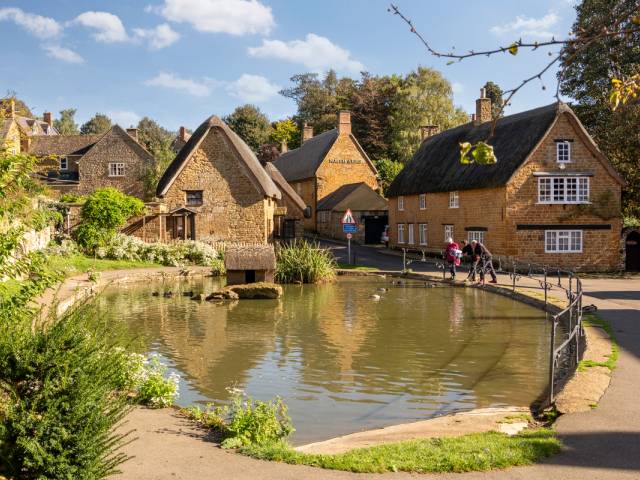
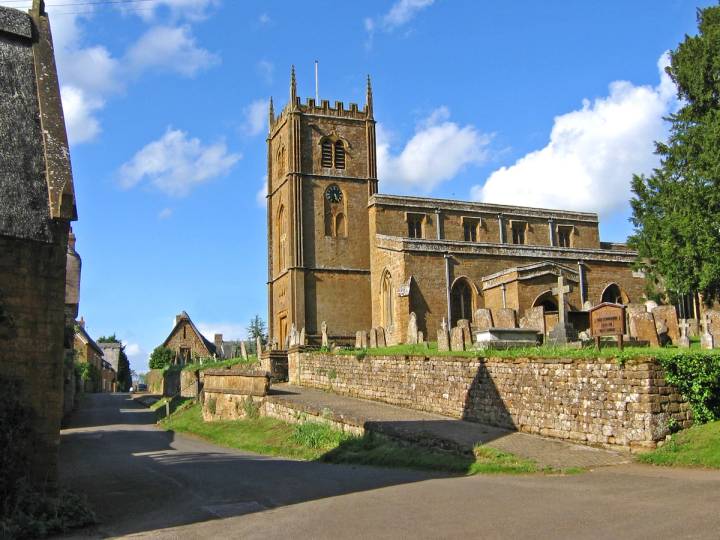
All Saints Church serves as the primary parish church for the village of Wroxton, standing as a prominent landmark that can be seen from across the surrounding Cherwell Valley. The building is a classic example of the medieval English parish church, constructed from the locally quarried ironstone that gives the entire village its distinctively warm, golden appearance. While the site has served as a place of worship for centuries, much of the current structure dates back to the 14th and 15th centuries, representing the golden age of parish church architecture in the region. Its towering square tower acts as a beacon for those navigating the quiet lanes of the village, providing a sense of permanence and historical depth to the landscape. The church remains an active part of the community, maintaining a tradition of service that has spanned generations of local families.
The interior of the church is celebrated for its rich historical narrative, which is most visibly expressed through the impressive collection of monuments dedicated to the North family. These intricate carvings and elaborate tombs, dating primarily to the 17th century, provide a striking contrast to the more austere medieval architecture of the nave. They stand as a testament to the family’s significant influence on the development of Wroxton Abbey and the wider North Oxfordshire estate. The craftsmanship involved in these memorials highlights the artistic ambitions of the period. It offers a fascinating insight into the social hierarchy and patronage that defined the local area for centuries. Visitors are often struck by the balance between the church’s quiet, sacred atmosphere and the grandiosity of these historical testaments.
Heritage and Community Connection
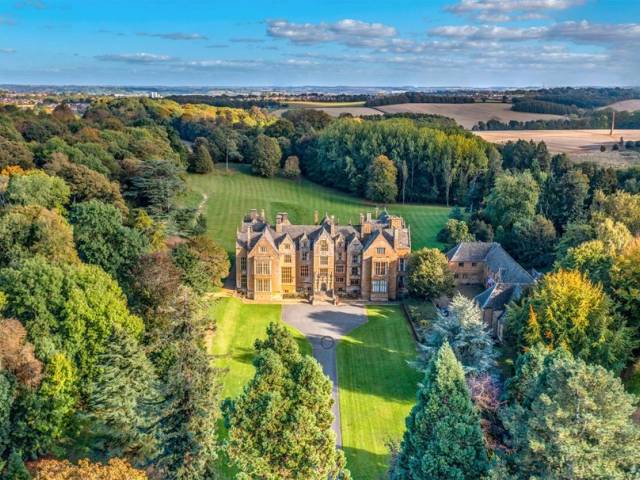
Beyond its architectural significance, All Saints Church acts as a vital bridge between the history of the village and the grandeur of the nearby Abbey estate. The churchyard, with its ancient yew trees and historic stone markers, provides a tranquil space that links the religious life of the settlement to the natural beauty of the Wroxton parkland. It is a site of quiet contemplation that perfectly captures the serene pace of life in the village. The church also plays an essential role in the cultural calendar of the area, hosting community events and celebrations that reinforce the sense of identity shared by those living in the Cherwell Valley. Its preservation is a priority for the local community, ensuring that the legacy of the medieval stonemasons and the patronage of the North family remain accessible to future generations.
For those exploring the heritage trail that connects the village to the wider estate, the church provides a critical stop that adds context to the surrounding monuments and landscapes. The views from the churchyard toward the village and the rolling fields beyond offer a perfect vantage point to appreciate the unique architectural harmony that defines Wroxton. Whether you are an enthusiast of ecclesiastical history, a visitor seeking to understand the influence of the North family, or a walker passing through on the ironstone paths, the church provides a consistently rewarding experience. Its steadfast presence continues to anchor the village, serving as a reminder of the centuries of faith, trade, and social life that have shaped this beautiful corner of North Oxfordshire.