A Historic Landmark of Village Life
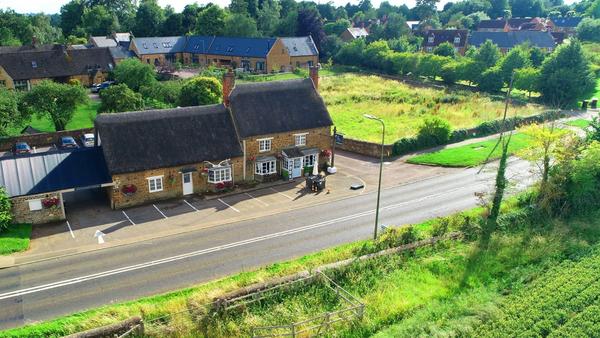
The Red Lion stands as a definitive example of a 17th century Oxfordshire coaching inn, constructed from the warm, honey coloured ironstone that defines the regional aesthetic. Situated in the heart of Adderbury, just south of Banbury, this Grade II listed building has served as a focal point for the community for over three hundred years. Its location at the junction of the village's historic thoroughfares has made it a witness to the evolution of Adderbury from a prosperous wool trading centre to a vibrant modern village.

A historic connection to the Manor House
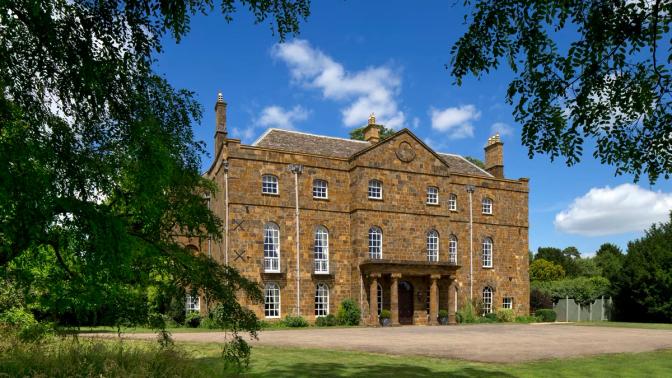
The provenance of the Red Lion is closely tied to the high status architecture that surrounds it. The pub sits in immediate proximity to the historic Adderbury Manor House, once the seat of the influential Duke of Argyll and later the Earls of Rochester. In the 17th and 18th centuries, the inn functioned as a vital support structure for the grand estate, providing lodgings for visitors and stabling for horses travelling to the manor.
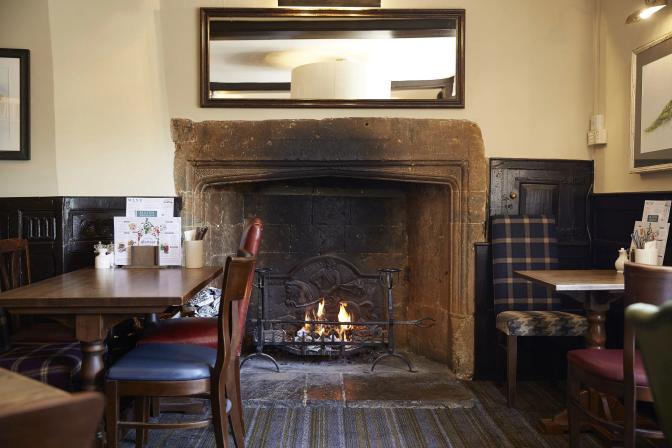
This geographical relationship between the "big house" and the village inn was a hallmark of English feudal and post feudal social structures. The Red Lion was the site where the administrative life of the village often intersected with the leisure of the landed gentry. The building itself retains the architectural hallmarks of this era, including original heavy oak beams, flagstone flooring, and low ceilings that evoke the atmosphere of a traditional coaching stop.
Centuries of hospitality and village tradition
Throughout the 1800s, the Red Lion evolved into a primary social hub for the village’s agricultural and trades communities. It served as a venue for local vestry meetings and a gathering place for the various friendly societies that flourished in Adderbury. Its role in the community was practical as well as social, acting as a post house and a reliable landmark for those navigating the road between Oxford and Banbury.
The pub’s endurance is a testament to its ability to adapt while preserving its historic fabric. Inside, the layout still reflects the traditional divisions of an old inn, with quiet corners for conversation and open spaces for communal gathering. This continuity of use is a rare thing, and the Red Lion remains one of the few places in the village where the 17th century interior remains accessible to all.

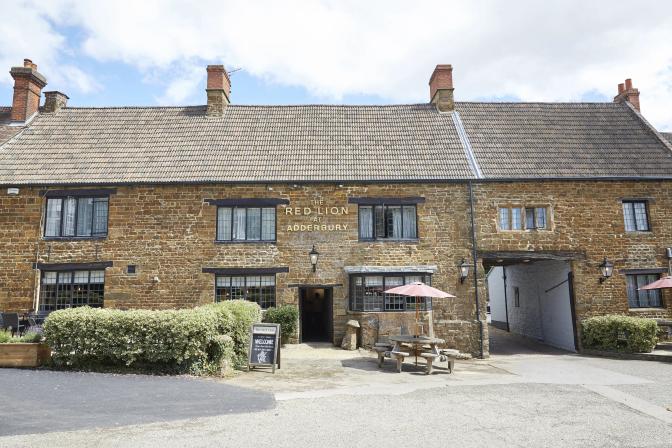
Place in the modern culture of Adderbury
In the 21st century, the Red Lion has transitioned from a functional coaching inn into a cornerstone of contemporary village culture. Adderbury is a village known for its deep appreciation of tradition, particularly its famous Morris dancing troupe and the annual "Day of Dance," and the pub serves as a natural headquarters for these festivities. It is the location where local history is kept alive through conversation and community events.
Modern hospitality at the Red Lion balances this heritage with a focus on regional quality. The inn remains an essential destination for walkers exploring the Sor Brook valley and the circular trails around the village. Its spacious outdoor terrace and dog friendly atmosphere make it a central hub for families and local residents, ensuring that the building remains a living, breathing part of the village rather than a static historical monument.


Authentic hospitality and regional fare
The contemporary menu at the Red Lion focuses on the timeless dishes that define the British pub experience. The kitchen emphasises the use of regional produce, reflecting the agricultural heritage of the surrounding Oxfordshire countryside. From signature beer basted fish and chips to hearty Sunday roasts, the offerings are designed to provide the generous, comforting fare expected of a historic village landmark.
Whether it is for a quiet pint of regional ale or a celebratory meal, the Red Lion continues to fulfill the role it has held since the 1600s. It stands as a bridge between Adderbury’s aristocratic past and its active, community focused present. For those visiting the region, a stop at this Cotswold stone landmark offers an authentic insight into the social fabric and architectural history of North Oxfordshire.