Ufton Fields Nature Reserve is a remarkable example of how a former industrial landscape can be reclaimed by the natural world. Once a site for limestone quarrying, the area has since been transformed into a diverse ecological sanctuary covering over 30 hectares. The reserve is defined by its varied topography, featuring a mosaic of deep pools, marshes, limestone grassland, and thickets of hazel and hawthorn. This combination of habitats makes it one of the most important ecological sites in the region, offering a rich experience for those looking to explore the wilder side of the Warwickshire landscape.
A legacy of limestone quarrying
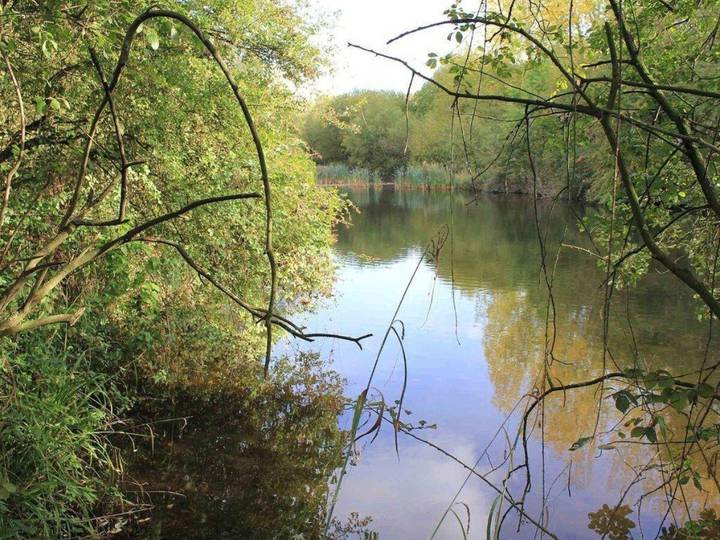
The unique character of the reserve is a direct result of its industrial past. The deep hollows and ridges seen today were created during the nineteenth and early twentieth centuries when the site was actively worked for its limestone. After quarrying ceased, the "lume" pits naturally filled with water, creating a network of ponds and marshes that now serve as vital breeding grounds for aquatic life. The lime rich soil left behind by the quarrying process has allowed specific types of vegetation to flourish that are rarely found elsewhere in the county.
Visitors can follow a marked circular trail that navigates the perimeter of the reserve. This path provides elevated views over the central wetlands and allows for a comprehensive tour of the different microclimates within the site. The uneven ground serves as a permanent reminder of the men who once worked these fields, though nature has now almost entirely softened the edges of the former industrial works.
Rare flora and botanical diversity
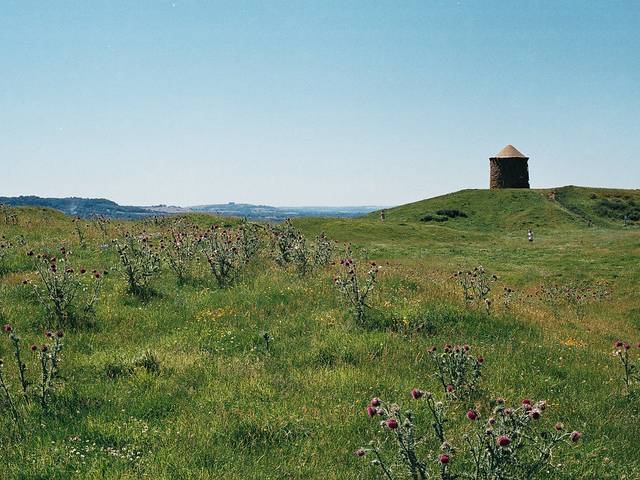
The reserve is particularly famous amongst botanists for its impressive array of wild orchids. Throughout the spring and summer months, the limestone grassland becomes a carpet of colour as various species come into bloom, including the common spotted orchid and the rarer autumn gentian. These plants thrive in the nutrient poor, alkaline soil, creating a botanical display that is a major draw for photographers and nature enthusiasts.
In addition to the orchids, the thickets of hawthorn and blackthorn provide essential cover and food for local birdlife. During the autumn, the reserve is filled with the sound of migratory birds feeding on the seasonal berries, while the sheltered wooded sections offer a tranquil atmosphere for a quiet walk at any time of year.
A sanctuary for butterflies and dragonflies
Because of the diversity of its habitats, Ufton Fields is a premier location for insect spotting. It is home to over 28 species of butterflies, which can be seen darting across the open grasslands on warm days. The marshy pools and still waters of the old quarry pits also provide the perfect environment for a wide array of dragonflies and damselflies. These insects can often be seen patrolling the water's edge, adding to the vibrant ecosystem that has developed since the site was protected.
Birdwatchers will find the reserve equally rewarding. The combination of open water and dense scrub attracts everything from songbirds to waterfowl. Strategic viewpoints with bench seating have been placed along the main trail, allowing visitors to sit quietly and observe the wildlife without disturbing the natural balance of the area.
Planning a visit to Ufton Fields
The reserve is located near the village of Ufton, within easy reach of both Leamington Spa and Banbury. While the terrain can be uneven in places due to the historical quarrying activities, the main loop is well maintained and offers an accessible route for most walkers. It is advisable to wear sturdy footwear, as the clay based paths can become slippery during the wetter months.
There is a small car park located at the entrance to the reserve, providing a convenient starting point for the circular walk. As a protected Site of Special Scientific Interest, visitors are encouraged to stay on the designated paths to protect the delicate orchids and nesting birds. With its blend of industrial history and thriving biodiversity, Ufton Fields remains a hidden gem for anyone seeking a peaceful escape into the Warwickshire countryside.