
Chesterton Windmill is one of the most striking industrial landmarks in the United Kingdom. Perched on a high ridge overlooking the Warwickshire countryside, this seventeenth-century structure blends architectural elegance with functional engineering. While many visit for the panoramic views, the history of the site reveals a fascinating story of royal architects and innovative design that continues to capture the imagination of visitors today.
Architectural heritage and Inigo Jones
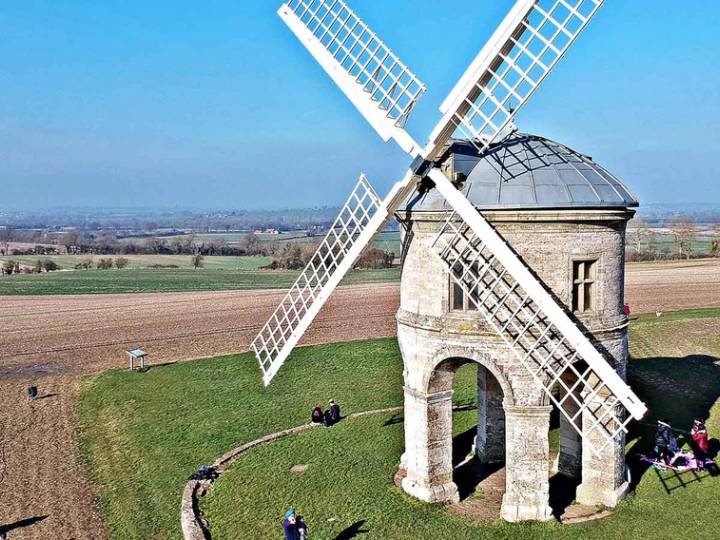
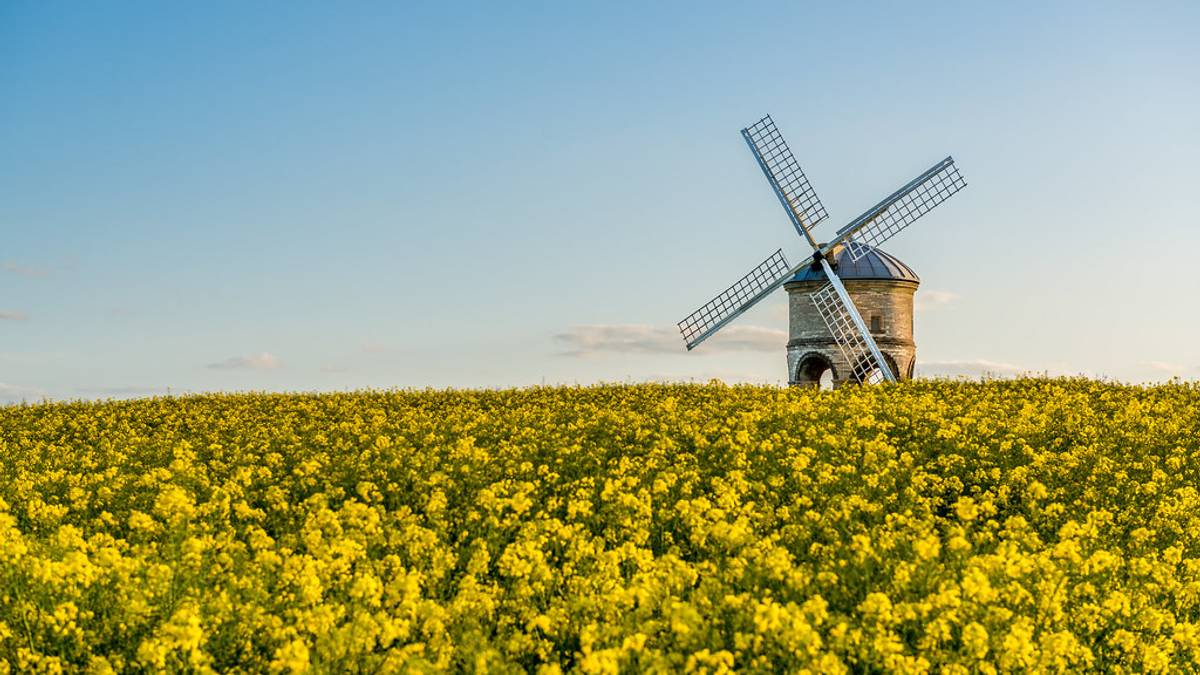
The windmill is unique amongst English tower mills due to its sophisticated limestone construction. Built between 1632 and 1633 for Sir Edward Peyto, the design is frequently linked to the school of Inigo Jones. Jones was the first person to introduce classical Italianate architecture to Britain, and the windmill reflects this influence through its symmetrical stone arches and refined sandstone dressings.
Unlike traditional wooden mills of the era, the Chesterton structure was built as a statement of wealth and scientific interest. The arcade of six semi-circular arches at the base is not merely decorative. It was designed to allow carts to pass underneath easily for loading and unloading grain, demonstrating a forward thinking approach to agricultural efficiency that was decades ahead of its time.
Three centuries of milling history
For nearly 300 years, the mill was a vital part of the local economy. Its sails harnessed the strong winds of the Banbury region to grind corn for the surrounding villages. The internal machinery remains a marvel of the pre industrial age, featuring a massive timber main shaft and iron reinforced gearing that survived centuries of heavy use.
The mill finally ceased commercial operations in 1910. After falling into a period of decay, it was eventually taken into guardianship by the local council. A comprehensive restoration project in the 1960s ensured the structural integrity of the masonry, while the installation of new sails in 2025 has returned the landmark to its original seventeenth century appearance.
Visiting Chesterton Windmill today
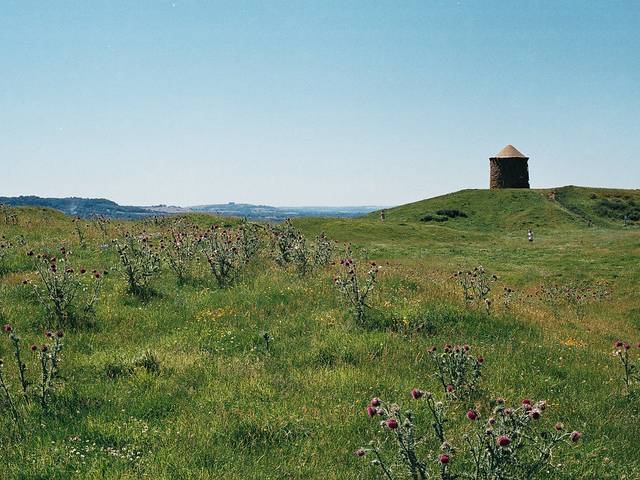
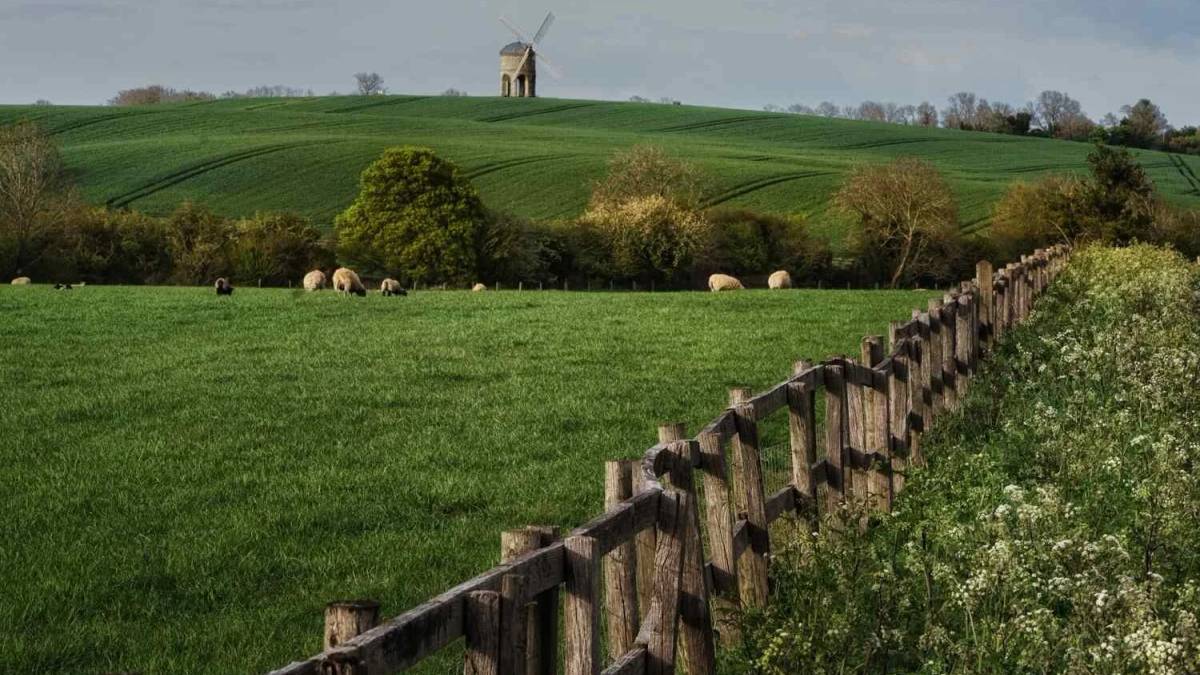
The site remains a popular destination for hikers and photographers. Situated on a high ridge, it offers 360 degree views across the Warwickshire landscape. The surrounding fields are open to the public throughout the year, providing ample space for walks or landscape photography.
Photography and stargazing
Because of its elevated position and lack of nearby street lighting, the windmill is a designated favourite for astrophotography. On clear nights, the silhouette of the sails against the Milky Way provides a dramatic subject for long exposure shots. During the day, the golden hour just before sunset is the best time to capture the warmth of the local limestone.
Annual openings
Access to the interior is strictly limited to preserve the delicate wooden machinery. However, the mill typically opens its doors during the Heritage Open Days scheme held each September. During these events, volunteers provide guided tours of the upper floors, explaining how the cap was historically turned by hand to face the wind.
Location and access information
The windmill is located near the village of Chesterton, a short drive from Leamington Spa and Banbury. There is a small lay by on the road nearby with a well marked footpath leading up the hill. The climb is relatively gentle but can become muddy during winter months, so sturdy walking boots are recommended for those planning a visit. As a protected historic site, there are no toilets or cafes on the hilltop, so vi