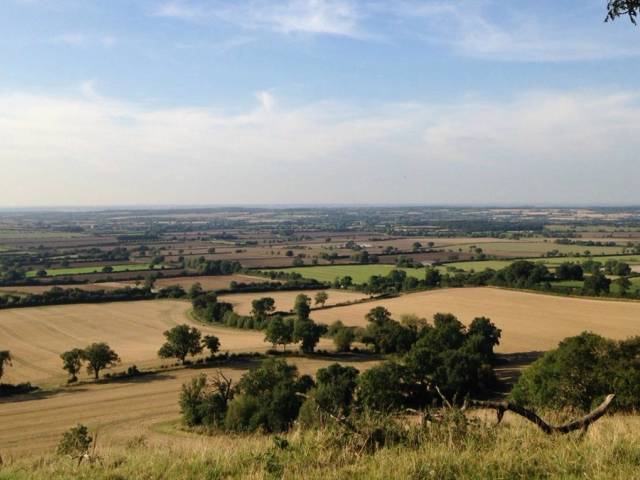

Burton Dassett Hills Country Park is a rugged and historical landscape located on a prominent ironstone escarpment in Southern Warwickshire. Formed in part by the extensive quarrying of ironstone during the late nineteenth century, the park has transitioned from an industrial site into a peaceful retreat characterised by steep hills and vast open vistas. It remains a favourite destination for those seeking fresh air and a sense of scale, as the elevated position provides sightlines reaching as far as the Cotswolds and the Chilterns on clear days.
A landscape shaped by history and industry
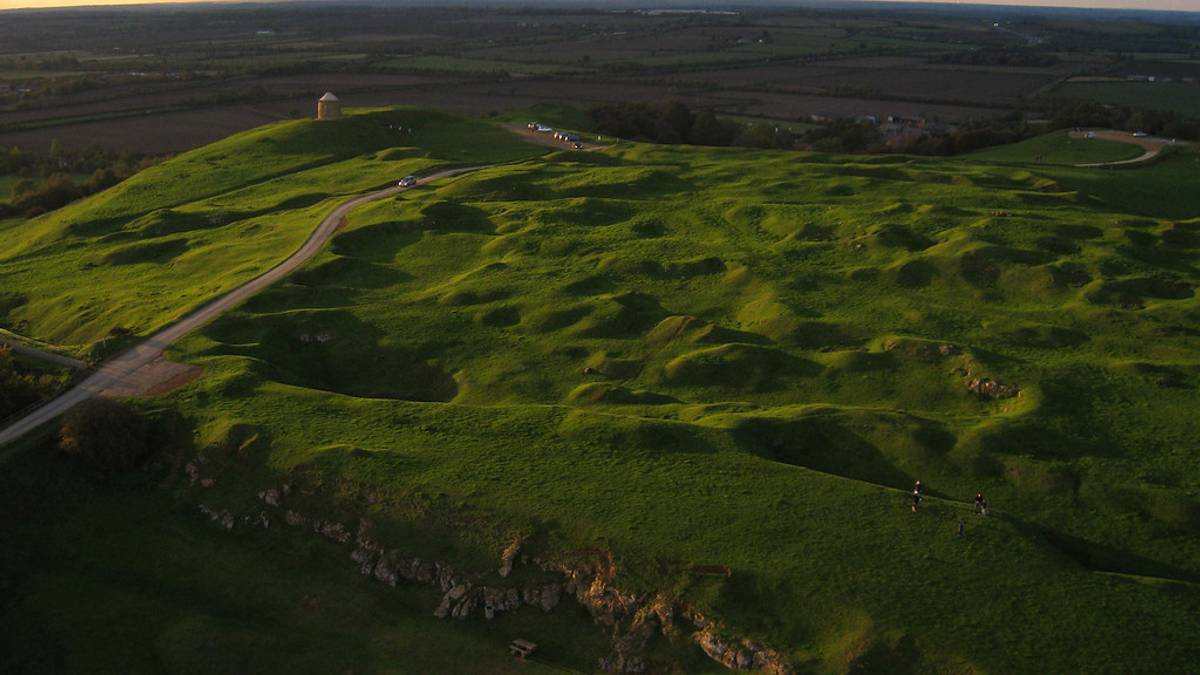
The distinctive peaks and troughs of the park are a direct result of its industrial heritage. The ironstone extracted here was once a vital resource, and the remains of the quarrying process have created a unique topography that is now covered in rich grassland. This elevation made the hills a strategic point throughout history, long before it became a place of recreation.
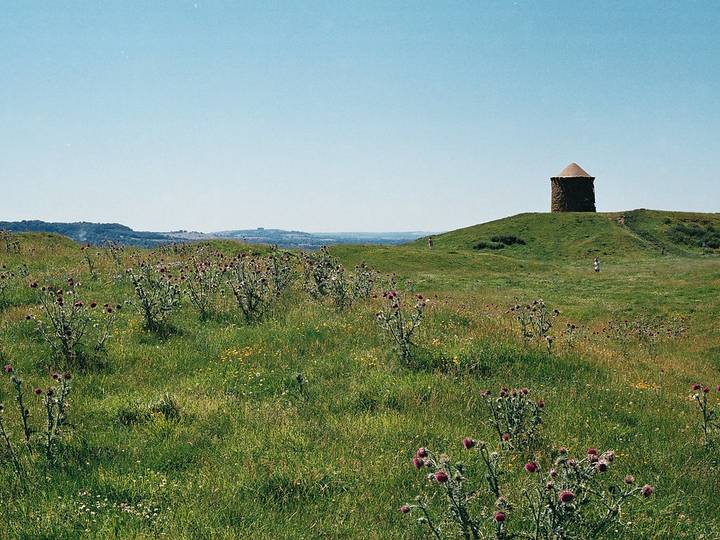
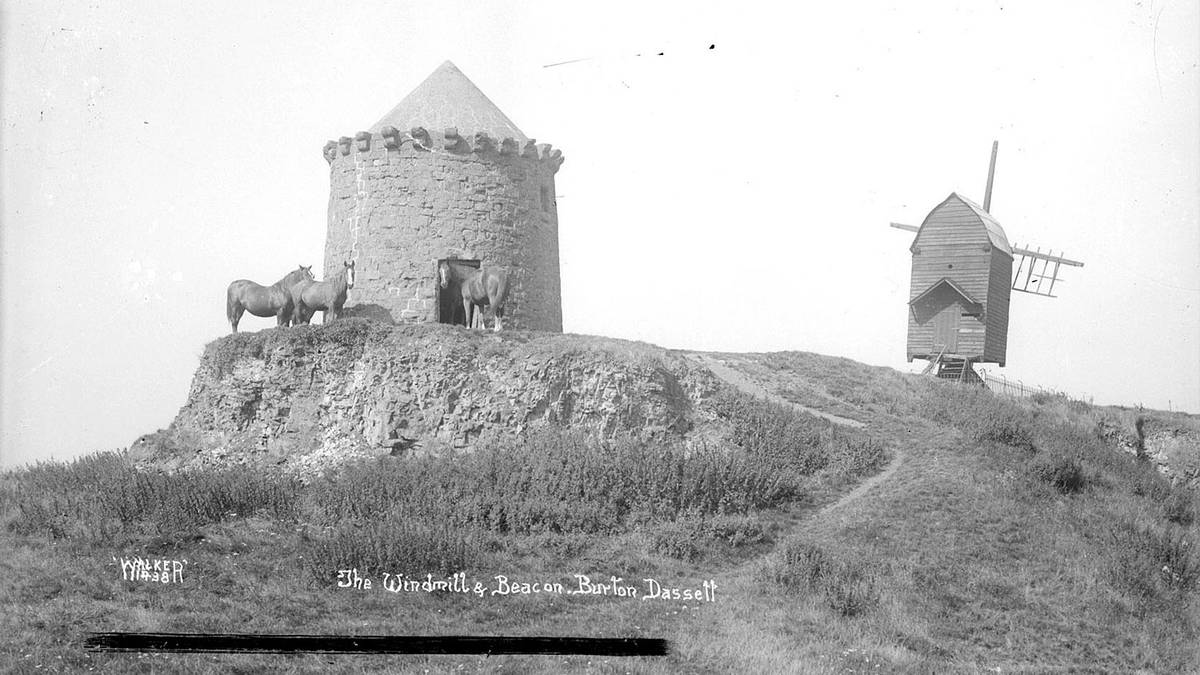
Standing prominently on one of the highest points is the fifteenth century beacon. This small, circular stone structure with a conical roof once served as part of a national early warning system, where a fire would be lit to signal approaching danger to the surrounding counties. The beacon survives as a rare architectural link to the medieval defence of the realm and offers a popular focal point for visitors exploring the ridgeline.
The lost village and All Saints Church
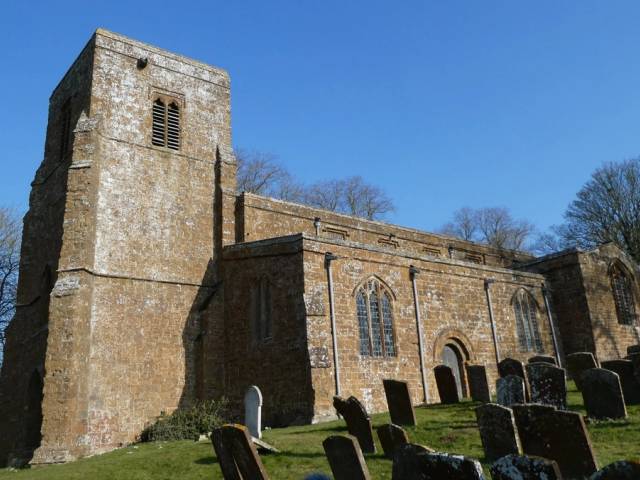
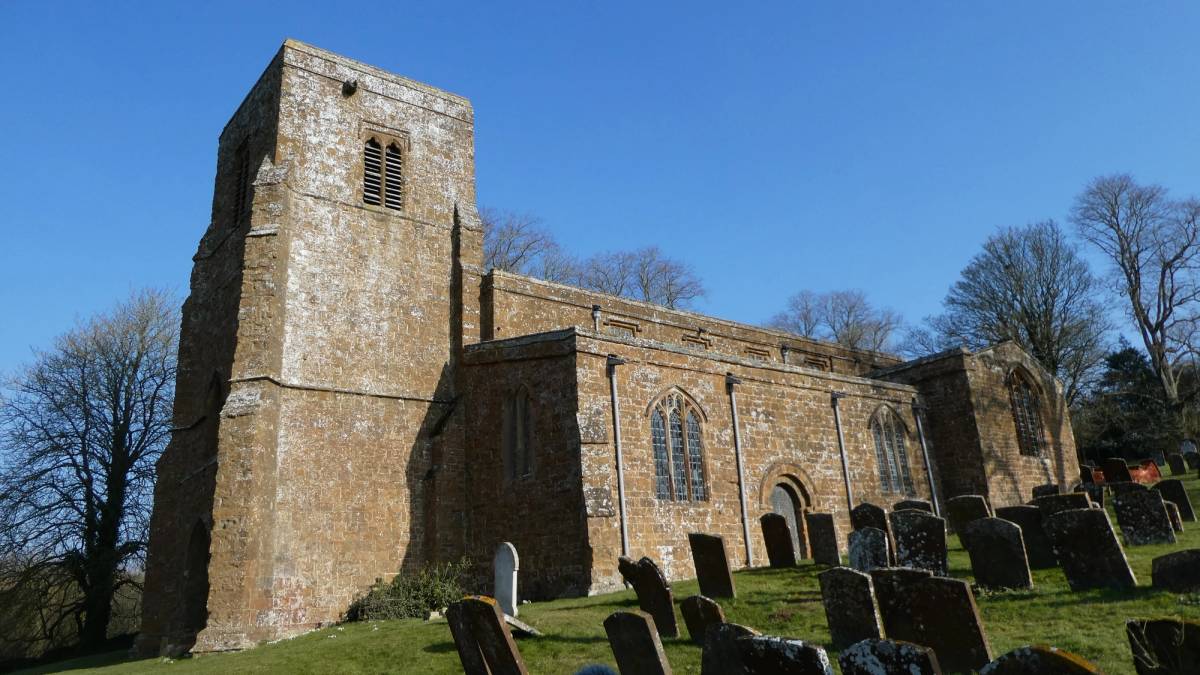
Tucked into a fold of the hills lies All Saints Church, a Grade I listed building that serves as a poignant reminder of a medieval settlement that once thrived on these slopes. Known as a sheep church due to the wealth generated by the local wool trade which funded its construction, the building is unusually large for its current isolated location.
The village of Dassett Southend once surrounded the church but was largely abandoned in the fifteenth century as the land was converted from arable farming to sheep pasture. Today, the church stands almost alone, containing ancient wall paintings and fine carvings that reflect the former prosperity of the area. Walking through the churchyard provides a sense of the deep historical layers that exist beneath the park’s natural beauty.
Recreation on the windy slopes
The open and exposed nature of the hills makes the park one of the premier locations in the region for wind based activities. On any given weekend, the sky is often filled with colourful kites, and the hills are a well known site for paragliding enthusiasts who take advantage of the strong thermals created by the steep escarpment.
For walkers, a network of informal paths allows for varied routes that suit different levels of fitness. These range from gentle strolls across the flatter plateaus to more strenuous climbs up the dramatic hill faces. The lack of formal boundaries within the main body of the park encourages a sense of freedom, allowing visitors to find their own quiet spots to take in the views or enjoy a picnic.
Visiting Burton Dassett Hills
Located just a short distance from the M40 and within easy reach of Banbury, the park is highly accessible for a day trip. There are several car parking areas situated at different elevations, allowing visitors to choose between starting their walk at the top of the ridge or at the base of the hills.
The site is a protected area of historical and geological importance, and its status as a country park ensures it remains a sanctuary for local wildlife. Because of the exposed height, the weather can change rapidly on the hills, and it is often significantly breezier than the surrounding lowlands. Visitors are encouraged to wear sturdy footwear and bring extra layers to fully enjoy the expansive, rugged environment of this Warwickshire landmark.