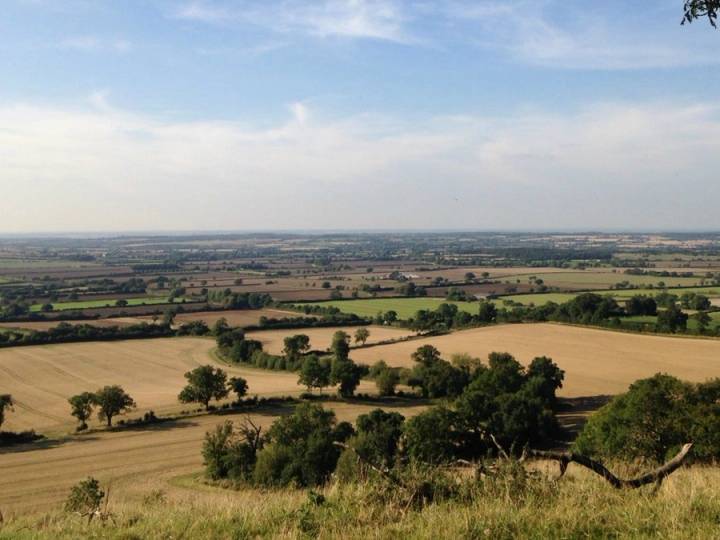

Perched on the northernmost tip of the Cotswolds Area of Outstanding Natural Beauty (AONB), Edge Hill Viewpoint and the adjacent Sunrising Hill offer one of the most dramatic panoramas in Middle England. The escarpment rises sharply from the Vale of Red Horse, providing a natural balcony that overlooks the expansive Warwickshire countryside and the distant peaks of the Malvern Hills. This location is not merely a scenic stop, it is a site defined by geological significance and its central role in the defining conflict of English history.
The site of the first battle of the English Civil War
Edge Hill is most famous for hosting the opening major engagement of the English Civil War on 23rd October 1642. The Royalist forces, commanded by King Charles I, occupied the high ground of the ridge, while the Parliamentarian army under the Earl of Essex deployed on the plain below near the village of Radway. Today it is known as the only officially recognised haunted battleground in England.
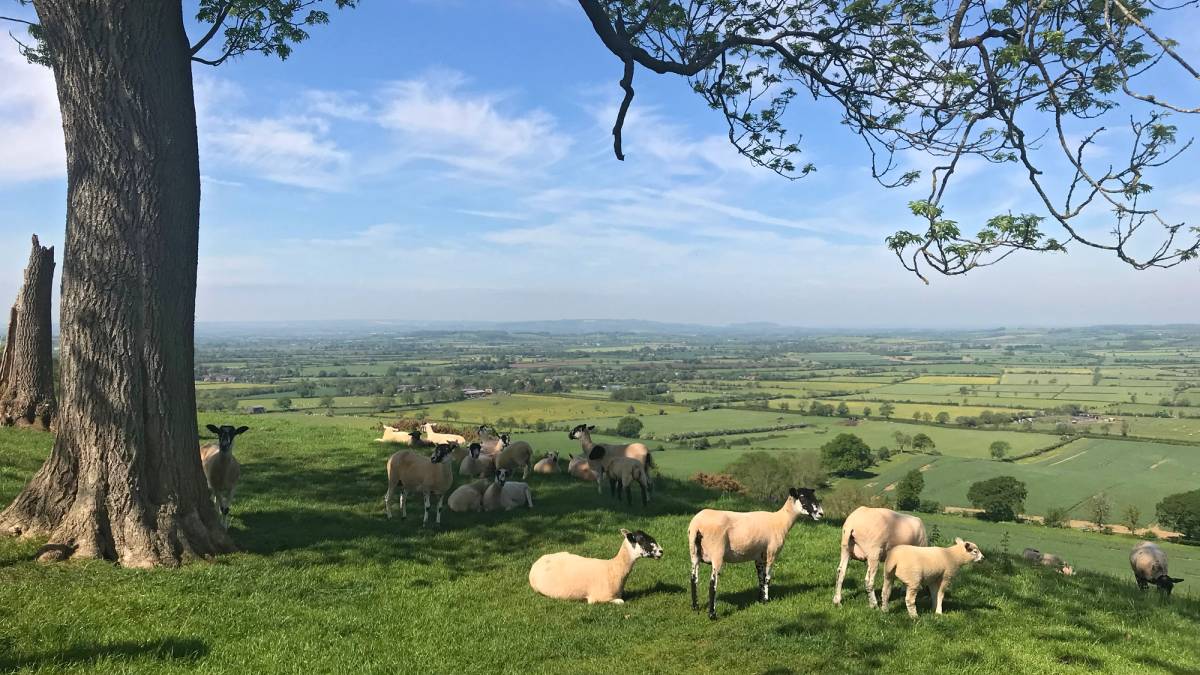
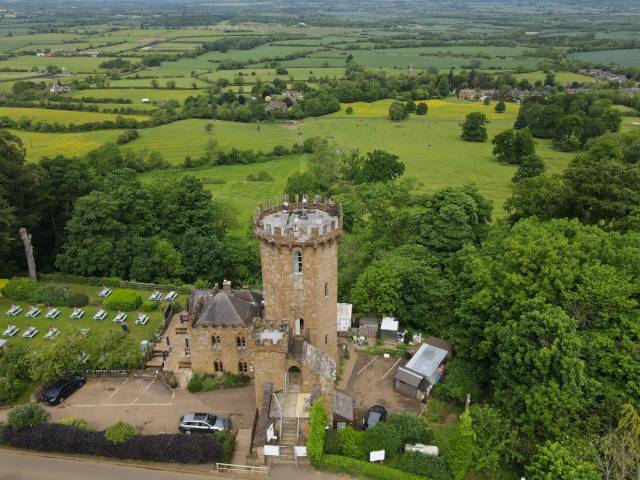
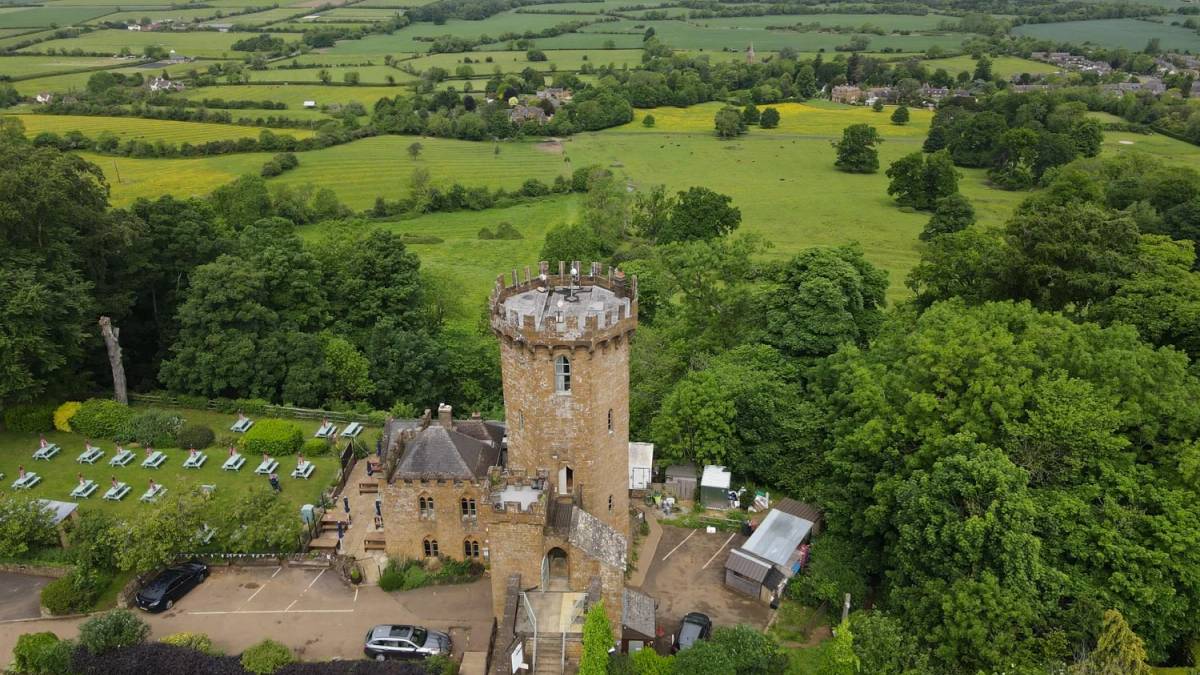
Visitors to the viewpoint today look out over the very fields where thousands of men clashed in a struggle that ended in a bloody stalemate. The Castle Inn, a distinctive octagonal tower built a century later by Sanderson Miller, stands as a memorial to the battle. It is said to mark the exact spot where the King raised the Royal Standard before descending the steep slopes into the valley. For those exploring the history on foot, the Battlefield Walk provides a route through the heart of the engagement area, with informative markers explaining the tactical maneuvers of that fateful day.
The steep challenge of Sunrising Hill
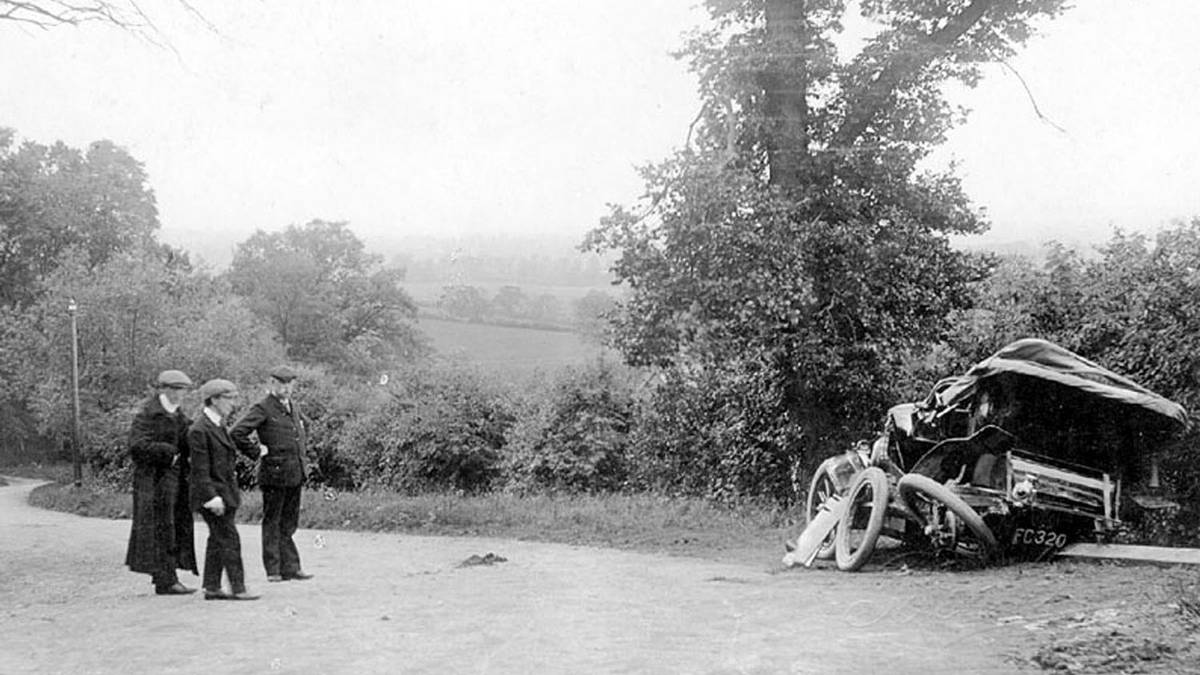
Sunrising Hill is the name given to the formidable section of the A422 that climbs the escarpment toward Banbury. Known locally for its severe gradient and sweeping hairpin bend, it has been a landmark for travellers for centuries. Historically, this was a difficult route for horse drawn carriages and early motorists alike, and it remains a celebrated stretch of road for those who enjoy the dramatic change in elevation.
The name Sunrising is thought to derive from the orientation of the hill, which catches the first light of dawn as it breaks over the Warwickshire plains. At the crest of the hill, several lay-bys and walking paths allow visitors to safely pull over and take in the view. From this vantage point, the patchwork of ancient field boundaries and the dense woodlands of the escarpment create a visual history of the regional landscape.
Geology and the Hornton Stone
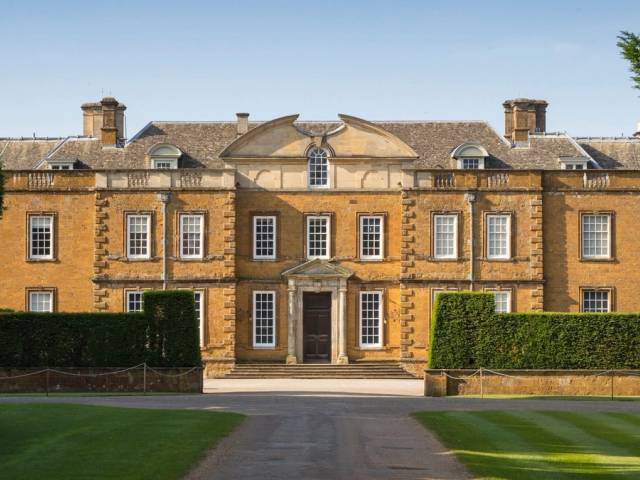
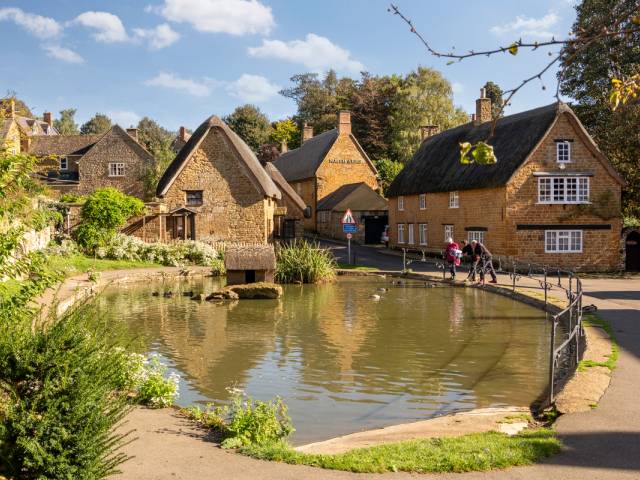
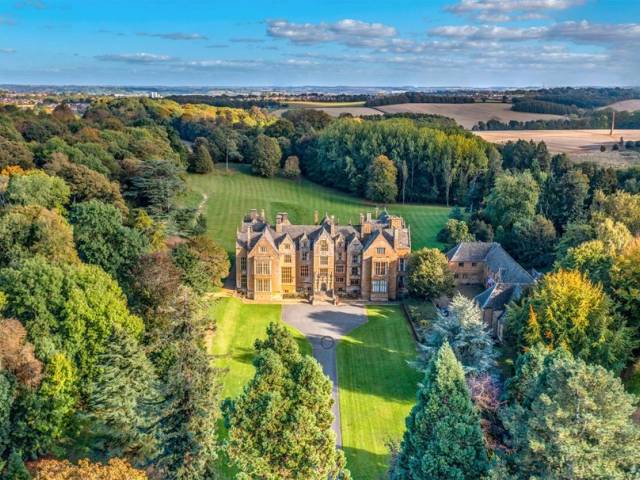
The unique character of the Edge Hill ridge is a result of its Jurassic geology. The escarpment is capped by a layer of Hornton Stone, a ferruginous limestone rich in iron that gives the local buildings of Banburyshire their distinctive rusty orange and golden hues. This stone was quarried extensively along the ridge, and its presence influenced the architectural identity of the surrounding villages like Ratley and Warmington.
Beneath the ironstone lies a wealth of palaeontological history. The area is famous among geologists for "belemnite battlefields," where dense accumulations of squid like fossils are found within the sedimentary rock layers. These fossils date back nearly 200 million years to a time when this high ridge was the floor of a shallow tropical sea.
Walking and regional connections
Edge Hill serves as a vital junction for several significant long distance walking routes. It also forms the central section of the Edgehill circular walk, a popular route that leads hikers along the crest of the escarpment to provide continuous views across the Warwickshire vales. The Macmillan Way and the Centenary Way both traverse the ridge, offering hikers a mix of woodland trails and open escarpment views. The woodlands clinging to the steep slopes are semi ancient, providing a habitat for diverse wildlife including buzzards, kestrels, and deer. In late spring, the forest floor is often transformed by a carpet of bluebells, making it a popular time for local photography and nature walks.
The viewpoint is situated approximately 7 miles northwest of Banbury and is easily accessible via the A422. Its position makes it a natural stopping point for those travelling between the market towns of North Oxfordshire and the historic sites of Stratford upon Avon and Warwick. Whether visiting for the military history, the geological interest, or simply the extraordinary views, Edge Hill and Sunrising Hill remain one of the most evocative landscapes in the region.