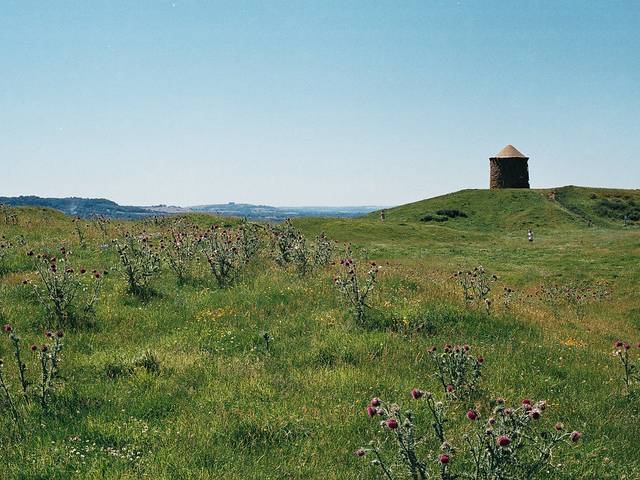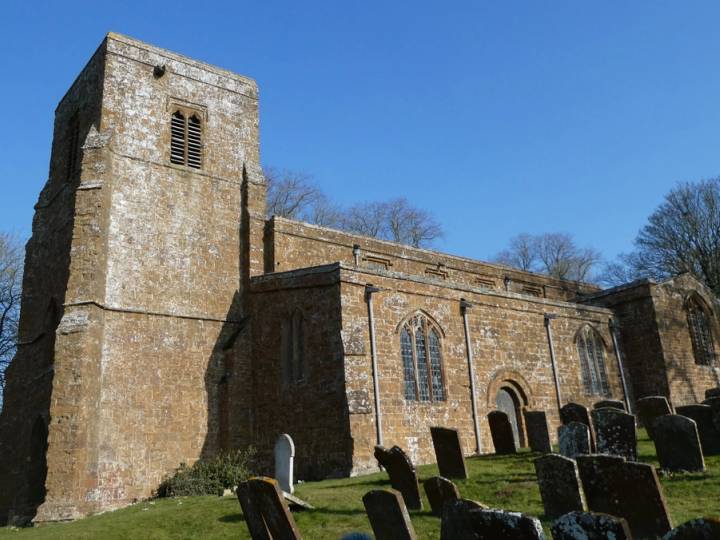

All Saints Church stands as a magnificent Grade I listed monument atop the ironstone ridges of South Warwickshire. Often referred to locally as the Cathedral in the Hills, its sheer scale and architectural grandeur are unexpected given its isolated position within the Burton Dassett Hills Country Park. The church remains the most significant surviving structure of a once thriving medieval community, serving as both a spiritual centre and a landmark that can be seen for miles across the Banbury region.
A masterpiece of medieval architecture
The origins of All Saints date back to the twelfth century, with the earliest parts of the building featuring the sturdy, rounded arches characteristic of late Norman design. However, much of the impressive structure seen today is the result of significant expansions during the thirteenth and fourteenth centuries. This was a period of immense prosperity for the area, driven by the lucrative wool trade.
The church is famously known as a sheep church because it was the local wool merchants who funded its soaring ceilings and expansive aisles. The wealth of the medieval period is evident in the quality of the masonry and the intricate details found throughout the nave and chancel. One of the most striking features for any visitor is the internal floor, which was constructed to follow the natural, steep incline of the hillside. This results in a dramatic upward slope from the west door toward the altar, a rare architectural quirk that highlights the building's organic connection to the landscape.
Medieval wall paintings and stone carvings
Inside the church, the walls hold rare treasures that have survived centuries of religious and political change. During the mid twentieth century, a series of medieval wall paintings were uncovered beneath layers of later limewash. These haunting images provide a glimpse into the devotional life of the medieval villagers, depicting sacred scenes and patterns that once decorated the entire interior in vibrant colours.
The stonework is equally remarkable, particularly the carvings found on the capitals of the pillars. These include detailed representations of local wildlife, foliage, and mythical beasts, showcasing the skill of the medieval stonemasons who worked on the site. These carvings and paintings escaped the widespread destruction often seen during the Reformation and the English Civil War, making All Saints a vital repository of early English ecclesiastical art.
Historical connections to the Temple family
For several centuries, All Saints served as the final resting place for members of the prominent Temple family, who were the Lords of the Manor at Burton Dassett before moving to their famous seat at Stowe. The church contains several fine heraldic memorials and tombs dedicated to the family, documenting their influence over the local landscape and the wool industry that built the settlement.
These monuments sit alongside older, more weathered grave slabs that mark the lives of the merchants and farmers who lived in the surrounding village of Southend before it was depopulated. The continuity of these records makes the church an essential destination for historians and those tracing the genealogical roots of the North Oxfordshire and South Warwickshire borderlands.
Visiting All Saints today
The church remains an active place of worship within the Dassett Magna group of parishes, maintaining a tradition of service that has lasted for nearly nine hundred years. It is open to the public during the day, offering a cool and quiet sanctuary for hikers and history enthusiasts exploring the surrounding country park.
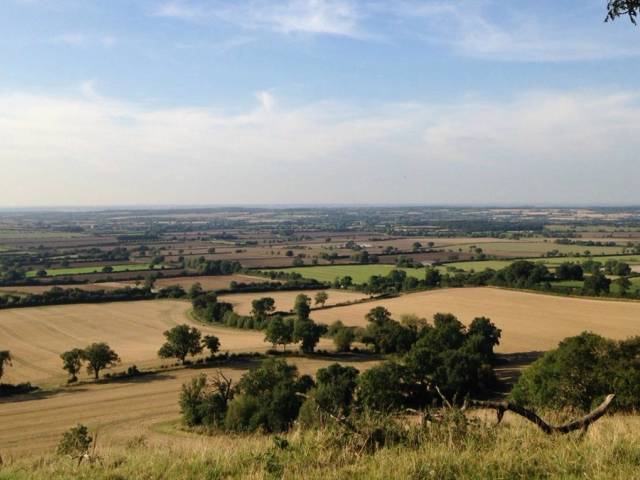
Access is via the narrow roads that wind through the hills from the M40 or the B4100. There is a small parking area near the church gates, with a short path leading to the heavy wooden entrance. Because of its elevated position, the churchyard offers some of the best views in the county, overlooking the site of the lost medieval village and the rolling ironstone ridges. Whether you are visiting for its architectural importance, its rare artwork, or simply the peace of its hilltop setting, All Saints Church provides a profound connection to the ancient heritage of the region.