
The architectural evolution of a moated manor
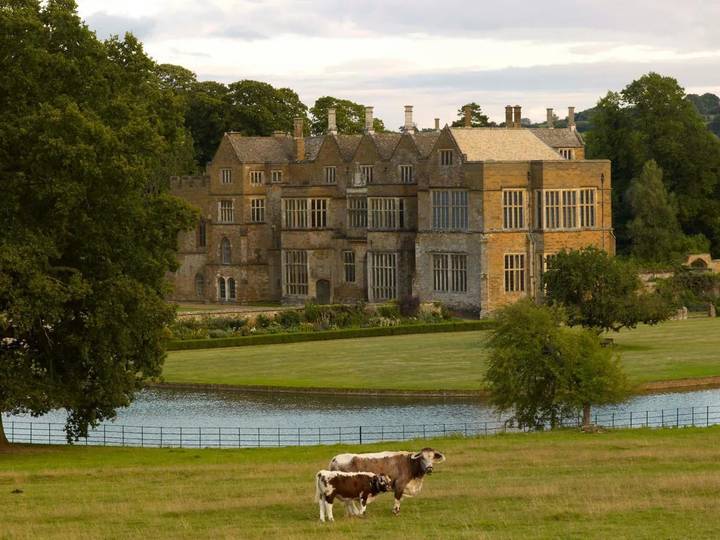
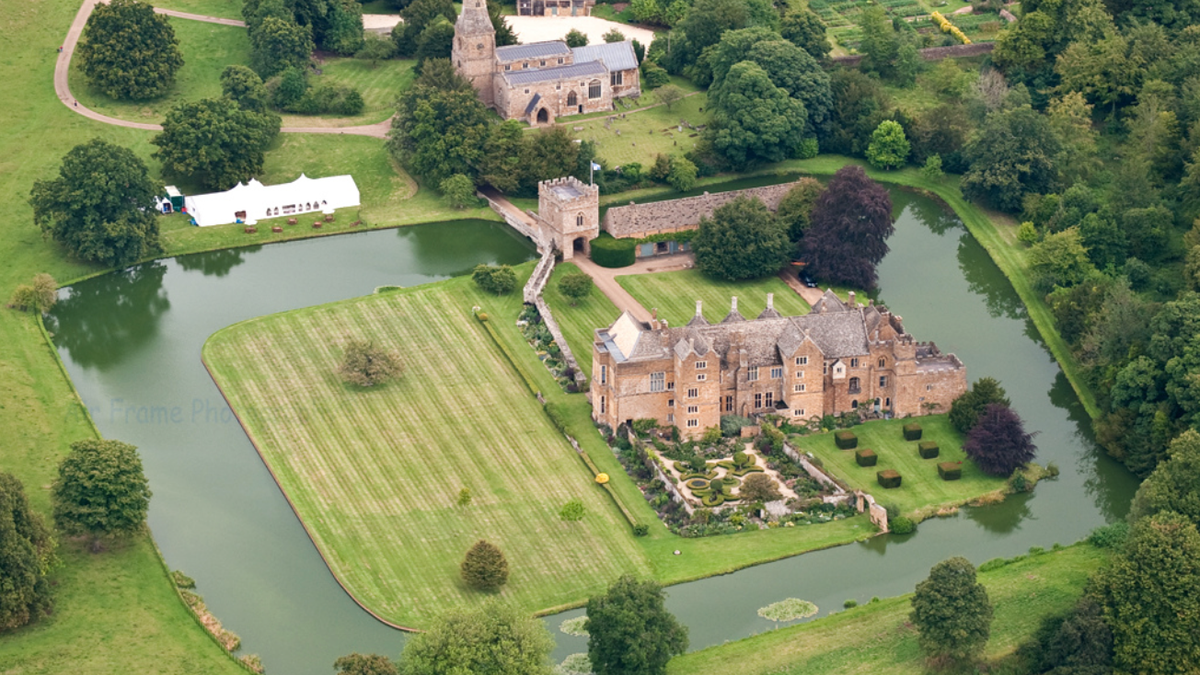
The history of Broughton Castle begins around 1300, when Sir John de Broughton constructed a substantial manor house at the junction of three local streams. The natural confluence of these waters allowed for the creation of the expansive three acre moat that still surrounds the property today. In 1377, the house was purchased by William of Wykeham, the Bishop of Winchester, and it has remained in the possession of his descendants ever since. The building underwent a dramatic transformation in the mid-sixteenth century when it was reimagined as a grand Elizabethan residence. The rich, golden Hornton ironstone used in its construction gives the castle a warm glow that reflects beautifully in the still waters of the moat.
A centre of Civil War intrigue
Broughton Castle played a pivotal role in the political instability of the seventeenth century. William Fiennes, the first Viscount Saye and Sele, was a prominent leader of the Parliamentary opposition to King Charles I. During the years leading up to the English Civil War, the castle became a secretive meeting place for figures such as John Pym and John Hampden. These men gathered in the Council Chamber, a room tucked away at the top of a spiral staircase, to discuss their resistance to the Crown.
Following the Battle of Edgehill in 1642, the castle was besieged by Royalist forces and occupied for a period, with repairs to the gatehouse still bearing the date 1655 as a reminder of the conflict.
Interiors and cinematic legacy
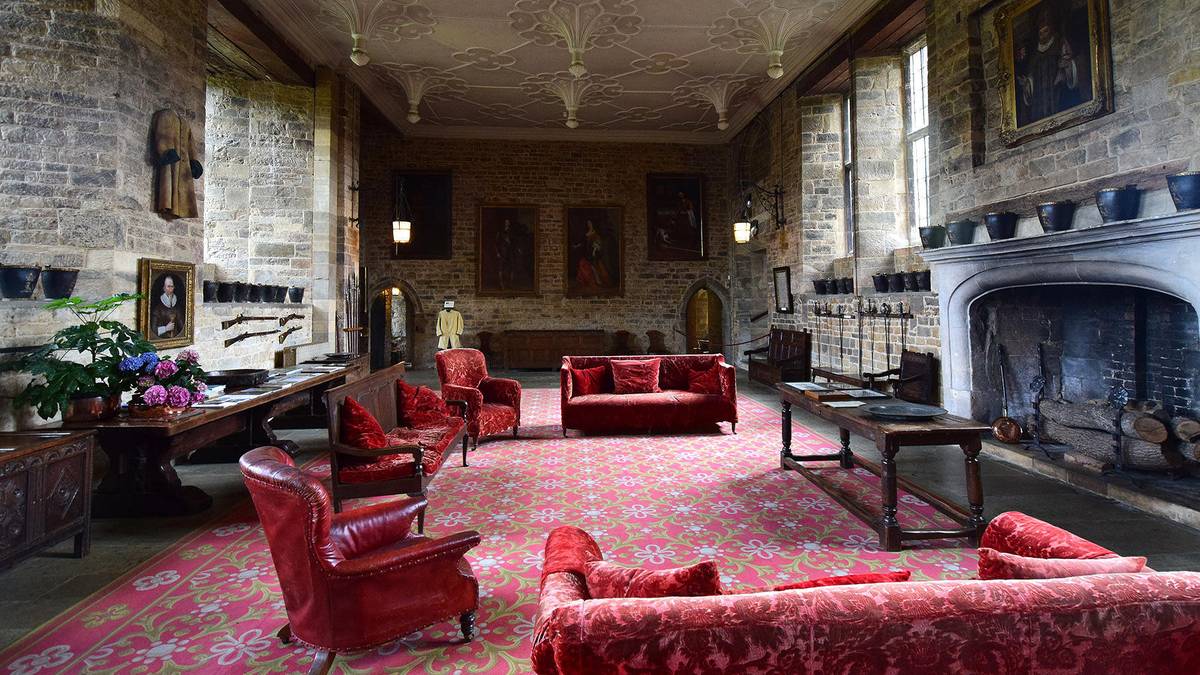
The interior of the castle is a masterclass in historical preservation, featuring a Great Hall that remains the heart of the home. Visitors can explore the Oak Room, which is famous for its intricate linenfold panelling and a unique internal porch. The Long Gallery, remodelled in the eighteenth-century Gothick style, showcases a vast collection of family portraits that trace the Fiennes lineage through the centuries. Due to its authentic atmosphere and quiet luxury, the castle has become a sought-after location for international film and television productions. It has provided the backdrop for acclaimed works such as Shakespeare in Love, The Crown, and Wolf Hall, often starring members of the wider Fiennes family.
The Ladies Garden and parkland
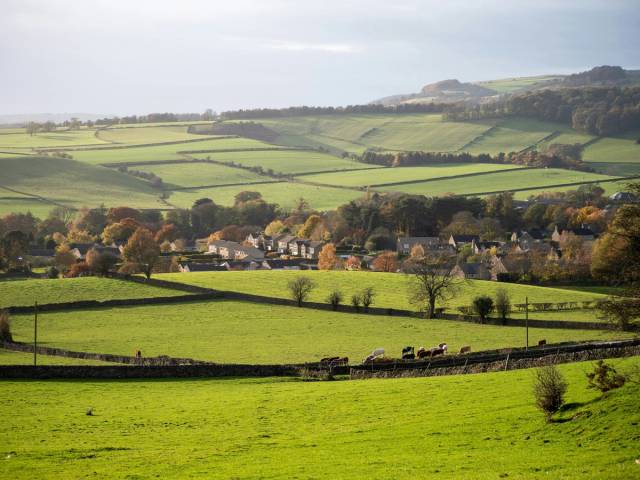
The grounds of the castle are as significant as the stone walls themselves. The Ladies Garden, established in the 1890s, is a formal space featuring fleur-de-lys beds planted with roses and lavender, all enclosed by clipped box hedges. The wider estate is part of the rolling North Oxfordshire countryside, with the fourteenth-century church of St Mary the Virgin standing just a short distance from the main gatehouse. The combination of historical depth, architectural beauty, and the surrounding parkland ensures that Broughton Castle remains one of the most cherished heritage sites in the United Kingdom.