The Original Banbury Cake
Is it a mince pie, an Eccles cake, or something entirely unique? Discover the royal history of the Banbury Cake: a spiced, boozy, and flaky pastry that has been exported from our town for over 400 years.
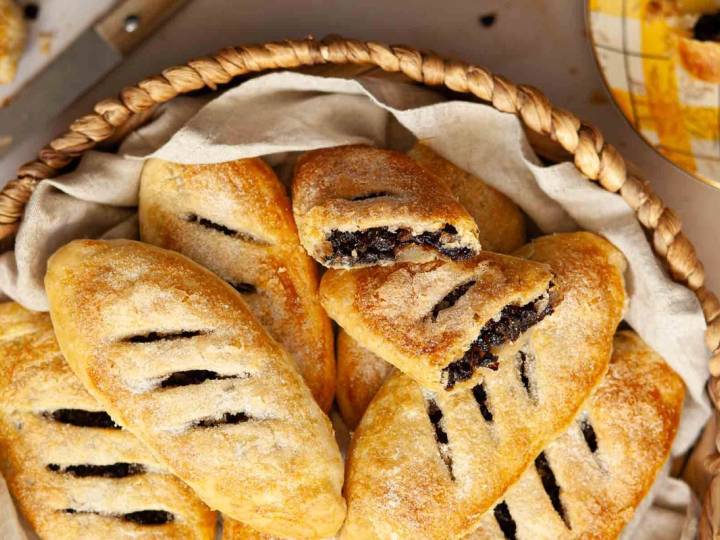
This isn't just a recipe; it’s a taste of North Oxfordshire history. Banbury Cakes have been a staple of the town’s identity since at least the 16th century, though they are often unfairly confused with their northern cousins, the Eccles or Chorley cakes.
Unlike those flatter varieties, the Banbury Cake boasts a distinctively oval shape, a puff pastry crust, and a fragrant, spiced filling that hints at exotic trade routes and royal traditions.
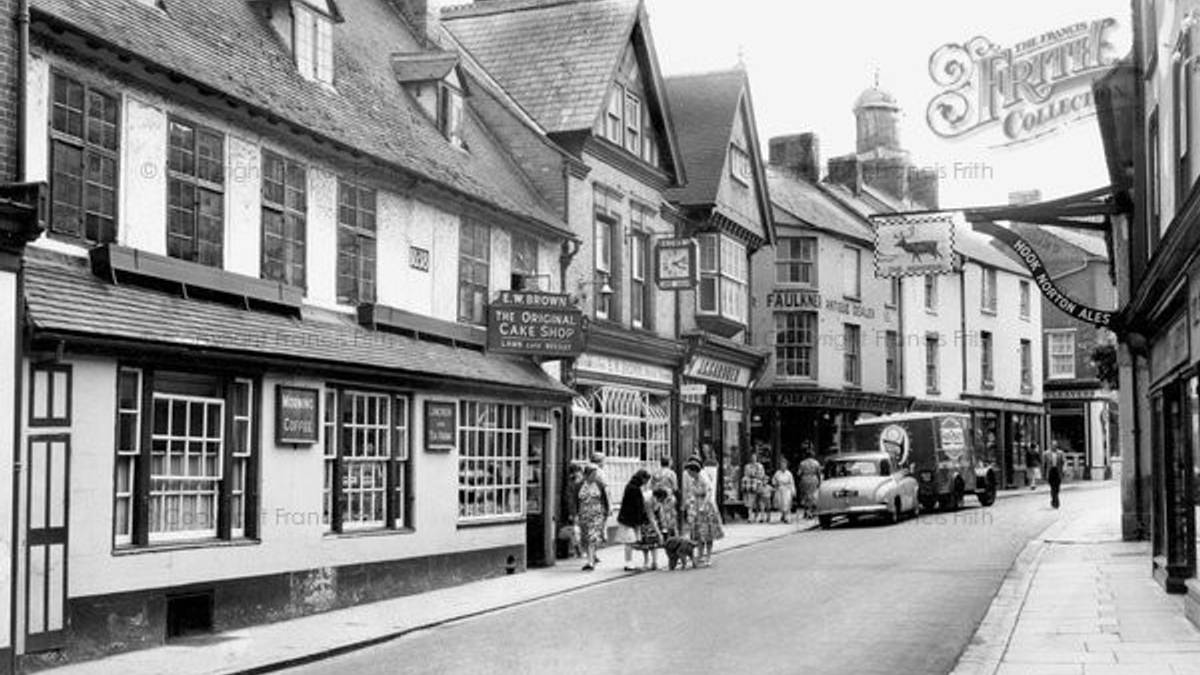
The Crusades and the Rise of the Original Cake Shop
Legend suggests the inspiration for these spiced pastries was brought back by the Knights Templar returning from the Crusades. They introduced the Eastern Mediterranean flavors—rich fruits and aromatic spices—that give the cake its signature "mince pie with a twist" profile.
The first written record of the cakes appeared in 1586. However, the true "Cake Wars" began in the 17th century. Edward Welchman, a baker and future mayor, opened "The Original Banbury Cake Shop" at 12 Parsons Street in 1638. His shop eventually became E.W. Brown’s, a local institution run by the Quaker sisters Lizzie and Lottie Brown until the 1940s. While that specific building was demolished in the 1960s, the lineage of these bakers continues through their descendants today.
A Treat Fit for Presidents and Queens
Banbury Cakes have long been the town's go-to gift for visiting dignitaries. The list of historical figures who have sampled this local delicacy is impressive:
- Queen Elizabeth II was presented with them to celebrate the town’s heritage.
- George Washington, the first U.S. President, is said to have enjoyed them.
- Earl Spencer (grandfather to Diana, Princess of Wales) was also a recipient during a town visit.
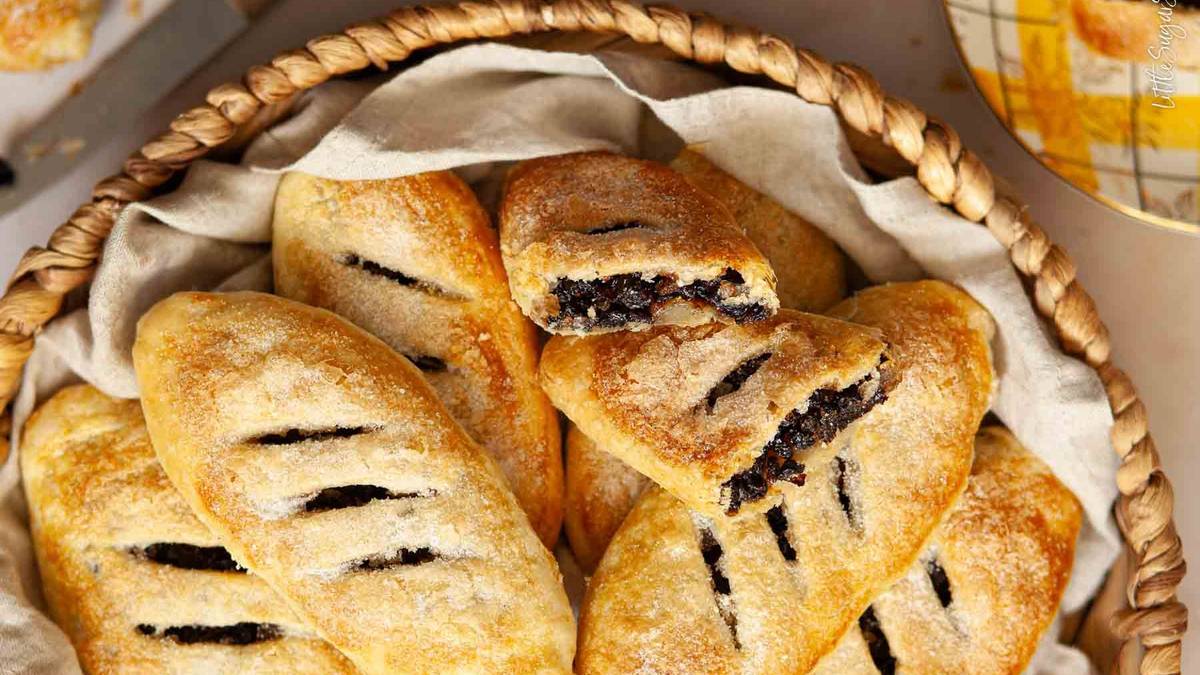
The Ultimate Banbury Cake Recipe
While 17th-century versions—like those found in Gervase Markham’s 1615 bestseller The English Huswife—were much larger and used different fats, this modern adaptation delivers the light, flaky, and boozy treat we love today.
Ingredients
Yields 10–12 cakes
- 320g All-butter puff pastry (one pre-rolled sheet)
- 250g Dried fruit mix (sultanas, raisins, currants, and candied peel)
- 85g Unsalted butter
- 3 tbsp Demerara sugar (plus extra for sprinkling)
- 1 tsp Ground cinnamon
- 1 tsp Ground nutmeg
- ½ tsp Ground mace
- ½ tsp Ground ginger
- 1 tbsp Dark rum
- 2 tsp Rose water
- 50ml Milk or one beaten egg white (for the glaze)
Nutrition per Cake
Energy: 268kcal | Fat: 12.3g | Carbs: 36g | Sugars: 14.3g | Protein: 2.1g
Preparation and Method
Prepare the Spiced Filling
Melt the butter in a saucepan over low heat. Once melted, stir in the dried fruit and the four spices. Add the dark rum and rose water, stirring until the sauce creates a glossy, even coating over the fruit. Remove the mixture from the heat and set aside in a bowl to cool slightly.
Preheat and Prep
Preheat your oven to 180°C (Gas Mark 4). Line a baking tray with parchment paper or lightly grease it with butter.
Shape the Pastry
Unroll your puff pastry sheet. Using a 10cm circular cutter (or a large glass), cut out as many discs as possible. Re-roll the trimmings to get your final few circles.
The Assembly Process
Place two teaspoons of the fruit mix into the centre of a pastry disc. Bring the edges up and crimp them together tightly, ensuring there are no gaps for the juices to escape. Flip the cake upside down (seam-side down) and gently press it with your palm to form a flattened oval.
Pro Tip: Assemble the cakes one by one. The warmth from the fruit can soften the pastry quickly, making it harder to handle if you let it sit.
The Finishing Touches
Place the ovals on your baking tray. Brush each cake with the milk or beaten egg white. Using a sharp knife, make three small diagonal scores across the top. Finally, sprinkle a generous pinch of Demerara sugar over each one.
Bake to Perfection
Bake in the centre of the oven for 25–30 minutes. You are looking for a crispy, golden-brown finish. Be careful not to let the sugar burn.
Serving Suggestions
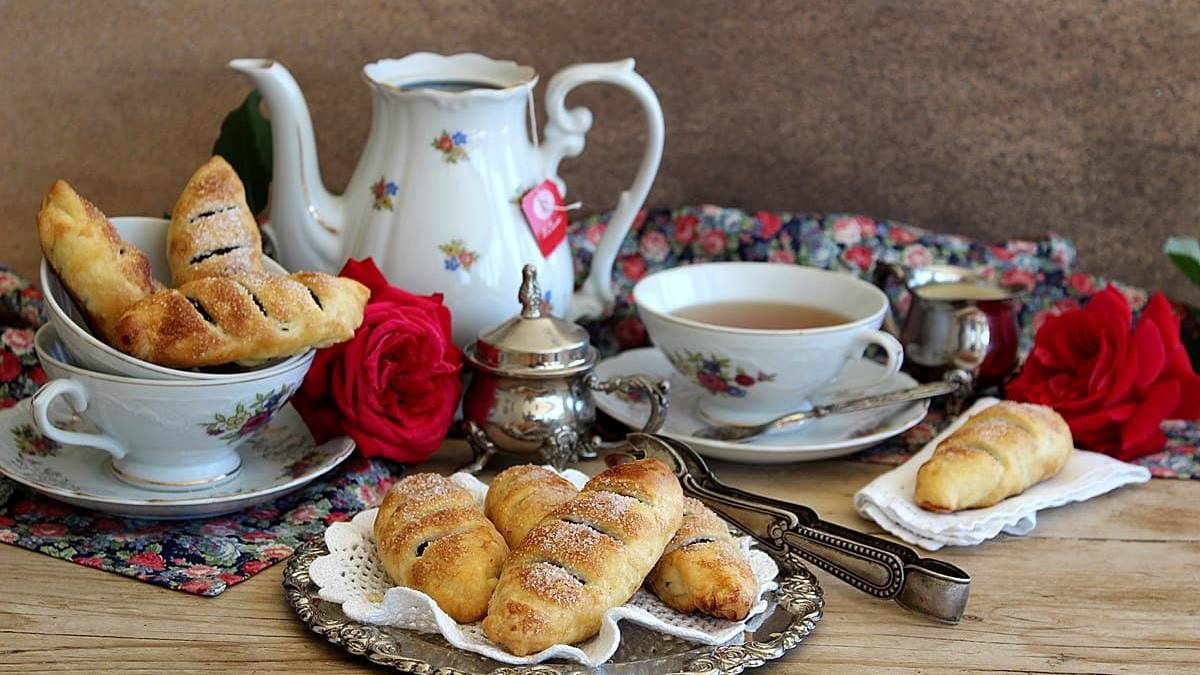
Let the cakes cool on a wire rack before serving. They are best enjoyed with a hot cup of tea or coffee, though if you want to be truly traditional, try them alongside a glass of local English ale.
More from Discover
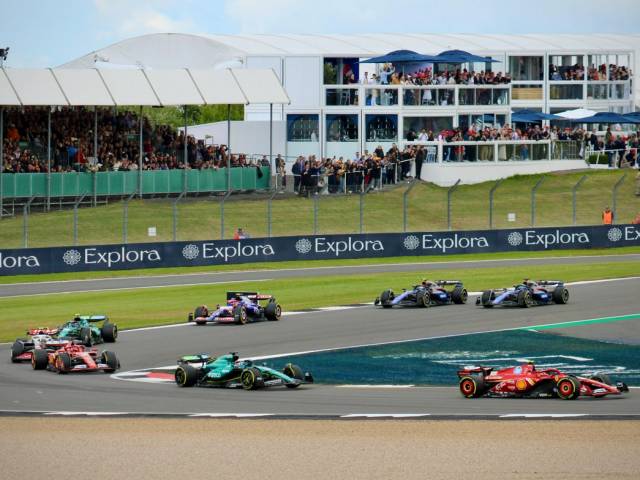
The Birth of Britain's Motorsport Valley
From post-war airfields to global dominance, discover how North Oxfordshire became the beating heart of world-class automotive engineering and motorsport innovation.
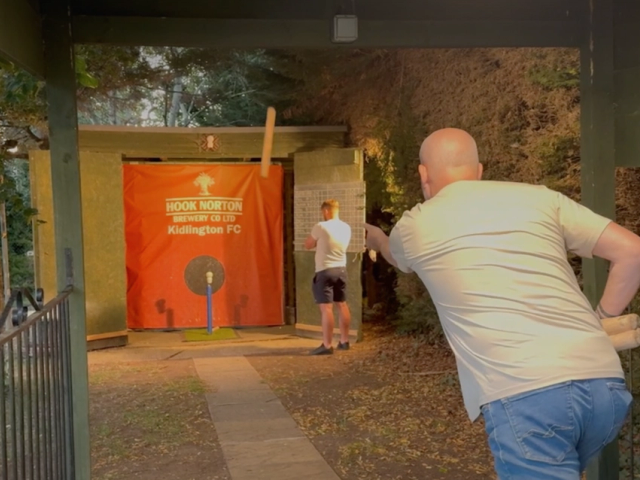
Aunt Sally and the Evolution of the British Pub Game
Discover the history of Aunt Sally, from its dark Victorian origins to its modern role as a beloved pub sport tradition.